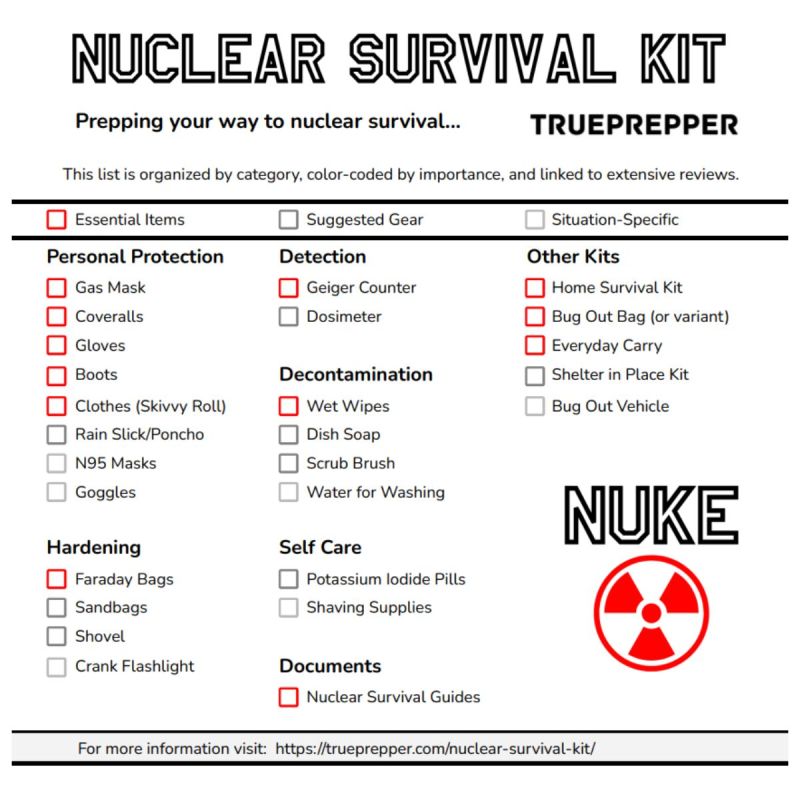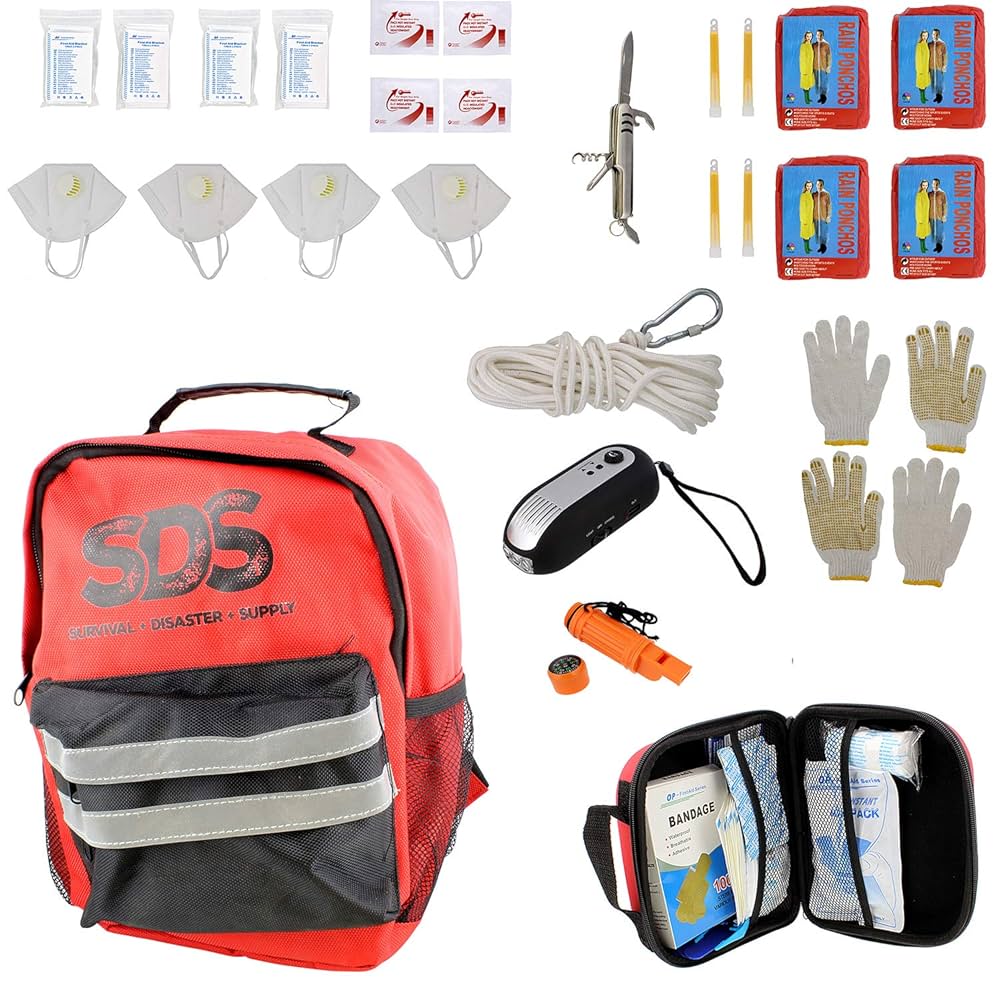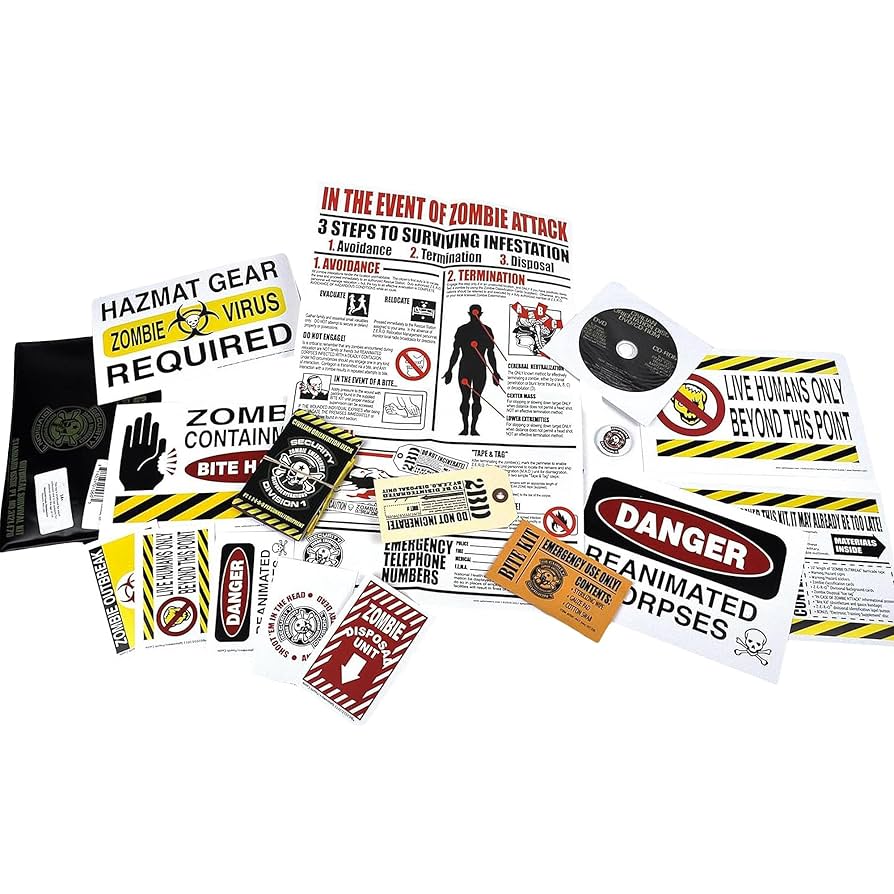
Imagine waking up to a world overrun by zombies. Scary, right?
Now, ask yourself: are you ready? Your survival depends on what you have in your zombie survival kit. The right tools can mean the difference between life and death. You’ll discover exactly what essentials you need to stay safe and prepared.
Keep reading—your future self will thank you.

Credit: www.ebay.com
Basic Survival Tools
Basic survival tools form the heart of any zombie survival kit. These tools help you tackle essential tasks like cutting, lighting, and navigating. They must be reliable and easy to use. Always choose items that work well in tough situations.
Multi-tool And Knife
A multi-tool combines many useful functions in one compact device. It often includes pliers, screwdrivers, and scissors. A sharp knife is vital for cutting wood, food, or fabric. Choose a sturdy knife with a fixed blade for better strength. Both tools are lightweight and fit easily in your kit.
Fire Starters
Fire is crucial for warmth, cooking, and signaling. Carry multiple fire starters like waterproof matches, a lighter, and a ferrocerium rod. These options ensure you can start a fire in any weather. Practice using each fire starter before any emergency happens.
Flashlights And Batteries
Light sources help you see in the dark and stay safe at night. Choose a bright, durable flashlight with a long battery life. Always pack extra batteries to avoid running out of power. Consider LED flashlights for energy efficiency and strong illumination.
Food And Water Supplies
Food and water are the backbone of any zombie survival kit. Without them, your chances of staying alert and healthy drop drastically. You need to think beyond just grabbing snacks or bottles of water; your supplies must last, be easy to carry, and keep you nourished under tough conditions.
Non-perishable Food Items
Choose foods that can stay good for months or even years without refrigeration. Canned beans, dried fruits, and nuts are excellent choices. They provide essential nutrients and energy when you need it most.
Don’t forget protein bars and freeze-dried meals. They pack a punch of calories and are lightweight, which is perfect if you have to move quickly. Have you considered how much energy you burn during a stressful survival scenario?
Water Storage And Purification
Carrying enough water is critical, but water storage isn’t just about volume. Use durable containers like BPA-free bottles or collapsible water bladders that won’t leak. Think about how you’ll refill them during your escape.
Purification is a must-have skill and tool. Tablets, portable filters, or even boiling can save you from drinking contaminated water. Could you survive without clean water for more than three days?
Portable Cooking Gear
Compact and lightweight cooking gear can transform your food supplies from basic to satisfying. A small camping stove or a portable burner allows you to heat meals and purify water efficiently. It’s worth the extra weight.
Don’t overlook simple utensils like a sturdy spoon, a foldable knife, or a lightweight pot. These tools make a huge difference when preparing food in the wild. How would you manage cooking if you only had your bare hands?
First Aid Essentials
First aid essentials are vital in any zombie survival kit. They help treat wounds and prevent infections. Injuries can happen anytime, so being prepared saves lives. Proper first aid keeps you and your group healthy during crises.
Bandages And Dressings
Bandages and dressings stop bleeding and protect wounds. Include various sizes of sterile gauze pads and adhesive bandages. Elastic bandages help wrap sprains or secure dressings. Choose waterproof options to keep wounds dry. Clean wounds quickly to avoid complications.
Medications And Antibiotics
Keep basic pain relievers like ibuprofen or acetaminophen. Include antibiotics to fight bacterial infections. Antibiotic ointments prevent infections in cuts and scrapes. Carry any personal prescription medicines needed. Store all medicines in a waterproof container.
Infection Prevention
Infection can worsen injuries fast. Pack antiseptic wipes and solutions like hydrogen peroxide or iodine. Use disposable gloves to avoid contaminating wounds. Include face masks to reduce germ spread. Clean hands often with hand sanitizer or soap and water.
Defensive Gear
Defensive gear is a crucial part of your zombie survival kit. It ensures you can protect yourself and your group from threats, both undead and human. Choosing the right gear means balancing effectiveness, ease of use, and reliability.
Melee Weapons
Melee weapons don’t rely on ammo and can be quieter than firearms. A sturdy baseball bat, crowbar, or machete can keep you safe in close combat. I once trusted a simple axe during a training exercise; it was reliable and required no reloading, proving that sometimes basic tools work best.
Consider weapons that are easy to handle and maintain. Avoid fragile or overly complex gear that might fail when you need it most.
Firearms And Ammunition
Firearms provide range and stopping power, but they come with challenges. You’ll need to stockpile ammunition and practice regularly to stay accurate. Think about versatile firearms like a reliable handgun or a shotgun, which can be used in various situations.
Ask yourself: do you have enough ammo to last long encounters? Do you know how to clean and maintain your weapons under pressure? These questions can make the difference between survival and disaster.
Protective Clothing
Protective clothing shields you from bites, scratches, and environmental hazards. Thick leather jackets, gloves, and sturdy boots can block bites from zombies and protect against rough terrain. I learned the hard way that wearing the right gloves saved my hands from painful scrapes during a practice run.
Look for gear that offers flexibility and breathability alongside protection. Heavy armor might slow you down when speed matters most.
Communication Devices
Communication devices are essential in any zombie survival kit. They keep you connected with your group and help you signal for help when needed. Without reliable communication, you risk being isolated and vulnerable.
Two-way Radios
Two-way radios are a must-have for staying in touch during a zombie outbreak. They don’t rely on cell towers, which might be down or overloaded. With a simple push-to-talk button, you can quickly communicate across short or medium distances.
Choose radios with long battery life and multiple channels to avoid interference. Investing in waterproof and shockproof models can save your communication gear from damage. Have extra batteries or a solar charger ready to keep them powered up.
Think about how you’ll use these radios. Will your group spread out in a city or stick close in a rural area? This affects the range and type of radio you need. Your safety could depend on clear communication.
Whistles And Signal Mirrors
When electronics fail, simple tools like whistles and signal mirrors become lifesavers. A whistle can send loud, distinct sounds that carry far, alerting others without using precious battery power. It’s lightweight and easy to carry everywhere.
Signal mirrors use sunlight to flash bright signals that can be seen from miles away. They are perfect for attracting attention without making noise that might draw zombies. Practice using them so you can send clear signals quickly under stress.
Have you tested your whistle or mirror’s range in different environments? Knowing how far your signals can travel helps you plan escape routes or meeting points more effectively. Don’t overlook these basic tools—they might be your backup lifeline.

Credit: www.walmart.com
Shelter And Comfort
In a zombie survival scenario, having proper shelter and comfort items is crucial. Shelter protects you from harsh weather, wild animals, and zombies. Comfort helps maintain your energy and morale. Both are key to staying alive longer.
Tents And Tarps
Tents provide a secure and portable shelter option. Look for lightweight and easy-to-assemble tents. Tarps are versatile and can serve as a quick cover or groundsheet. Use paracord or ropes to set up tarps in various ways. Both protect against rain, wind, and sun.
Sleeping Bags And Blankets
Sleeping bags keep you warm and insulated during cold nights. Choose bags rated for low temperatures. Blankets are useful for extra warmth or as padding under sleeping bags. Compact and lightweight options save space in your kit. Staying warm prevents illness and saves energy.
Weather-appropriate Clothing
Clothing must suit the climate and conditions. Layering is important to adjust to temperature changes. Pack moisture-wicking base layers to stay dry. Include waterproof outer layers to block rain and wind. Durable boots protect your feet from rough terrain. Always carry extra socks and gloves for comfort and safety.
Navigation Tools
Having reliable navigation tools in your zombie survival kit is essential. When chaos strikes, streets and landmarks might look completely different. Your ability to find safe zones, avoid danger, and locate resources depends heavily on how well you can navigate.
Maps And Compass
Physical maps never run out of battery, making them a trusty backup when electronics fail. Carry detailed topographic maps of your area and any nearby regions you might need to reach. A sturdy compass pairs perfectly with maps, helping you orient yourself without relying on signals or power.
Learning to use a compass is a skill worth practicing now. You might think GPS will always work, but dead zones and device failures are common in emergencies. Imagine trying to find your way in thick woods or a city with blocked streets—maps and compass give you control when technology doesn’t.
Gps Devices
GPS devices offer precise, real-time positioning and can guide you through unfamiliar terrain quickly. Devices designed for outdoor use often have long battery life and are rugged enough to survive harsh conditions. Adding extra batteries or a solar charger can extend their usability during extended emergencies.
Keep in mind, GPS devices depend on satellite signals, which can be disrupted by weather, debris, or electromagnetic interference. You should always have a backup plan in case your GPS stops working. Would you trust your survival on a gadget alone without knowing how to navigate the old-fashioned way?
Hygiene And Sanitation
Maintaining hygiene and sanitation is vital in a zombie survival situation. Cleanliness helps prevent illness and infection. It also keeps morale high during tough times. Proper hygiene routines reduce the risk of spreading bacteria and viruses among survivors.
Survival kits must include essential items for personal care and waste management. These tools ensure a safer and healthier environment. Every member of the group should understand the importance of hygiene habits.
Personal Hygiene Items
- Antibacterial soap or body wipes for cleaning skin
- Toothbrush and toothpaste for oral care
- Hand sanitizer with at least 60% alcohol
- Feminine hygiene products for women
- Small mirror for grooming and checking wounds
- Comb or brush to maintain hair cleanliness
- Compact towel or microfiber cloth for drying
- Moisturizing lotion to prevent dry skin
Waste Disposal Solutions
- Heavy-duty garbage bags for collecting trash
- Portable toilet or bucket with lid
- Shovel for digging latrines or burying waste
- Biodegradable toilet paper for easy disposal
- Disinfectant sprays to sanitize waste areas
- Sealable containers to store hazardous waste safely
Additional Survival Items
Besides the basic food, water, and first aid supplies, some additional items can make a huge difference in your zombie survival kit. These extras often solve unexpected problems and keep you prepared for various scenarios. Think of them as your secret weapons when things get tough.
Cash And Important Documents
Cash is king in emergencies. Electronic payments may fail, so having small bills handy can help you trade for essentials or services.
Keep copies of your ID, medical records, and any critical documents sealed in waterproof bags. Losing these can slow down your survival efforts or access to help.
Duct Tape And Paracord
Duct tape is incredibly versatile. You can fix torn clothes, patch holes in your gear, or even create makeshift splints.
Paracord might seem simple, but it can save your life in countless ways. Use it to build shelters, secure items, or even as a fishing line in a pinch.
Books And Manuals
Having survival guides and manuals in your kit can turn you from a novice to a pro. Look for books on first aid, edible plants, and basic mechanics.
Digital devices might run out of battery, so physical copies are more reliable. Wouldn’t you want a clear guide on how to purify water if you’re unsure?

Credit: www.amazon.com
Frequently Asked Questions
What Are The Essential Items In A Zombie Survival Kit?
A zombie survival kit should include water, non-perishable food, a first aid kit, and a flashlight. Additionally, pack a multi-tool, a map, and a compass. Don’t forget extra batteries, a portable phone charger, and a durable backpack. These items ensure you stay prepared and ready for emergencies.
How Much Water Should You Have?
It’s recommended to store at least one gallon of water per person per day. Plan for a minimum of three days. This ensures you have enough for drinking and basic hygiene. Consider additional water purification tablets for long-term survival situations.
Why Is A First Aid Kit Important?
A first aid kit helps treat minor injuries and prevent infections. It should include bandages, antiseptic wipes, and pain relievers. In a zombie apocalypse, medical help may not be readily available. Having a well-stocked first aid kit is crucial for maintaining health and safety.
What Type Of Food Is Best For Survival?
Non-perishable food like canned goods, dried fruits, and nuts are ideal. They have long shelf lives and provide essential nutrients. Choose items that are lightweight and easy to prepare. Also, consider ready-to-eat meals for convenience during emergencies.
Conclusion
A good zombie survival kit keeps you safe and prepared. Essentials like water, food, and first aid matter most. Tools for shelter and self-defense help too. Don’t forget items that make life easier, like a flashlight and batteries. Stay calm and ready for anything.
Having the right gear can make a big difference. Prepare now to protect yourself and your loved ones. Survival depends on smart choices and quick actions. Keep your kit updated and check it often. Stay safe, stay ready, and face challenges with confidence.