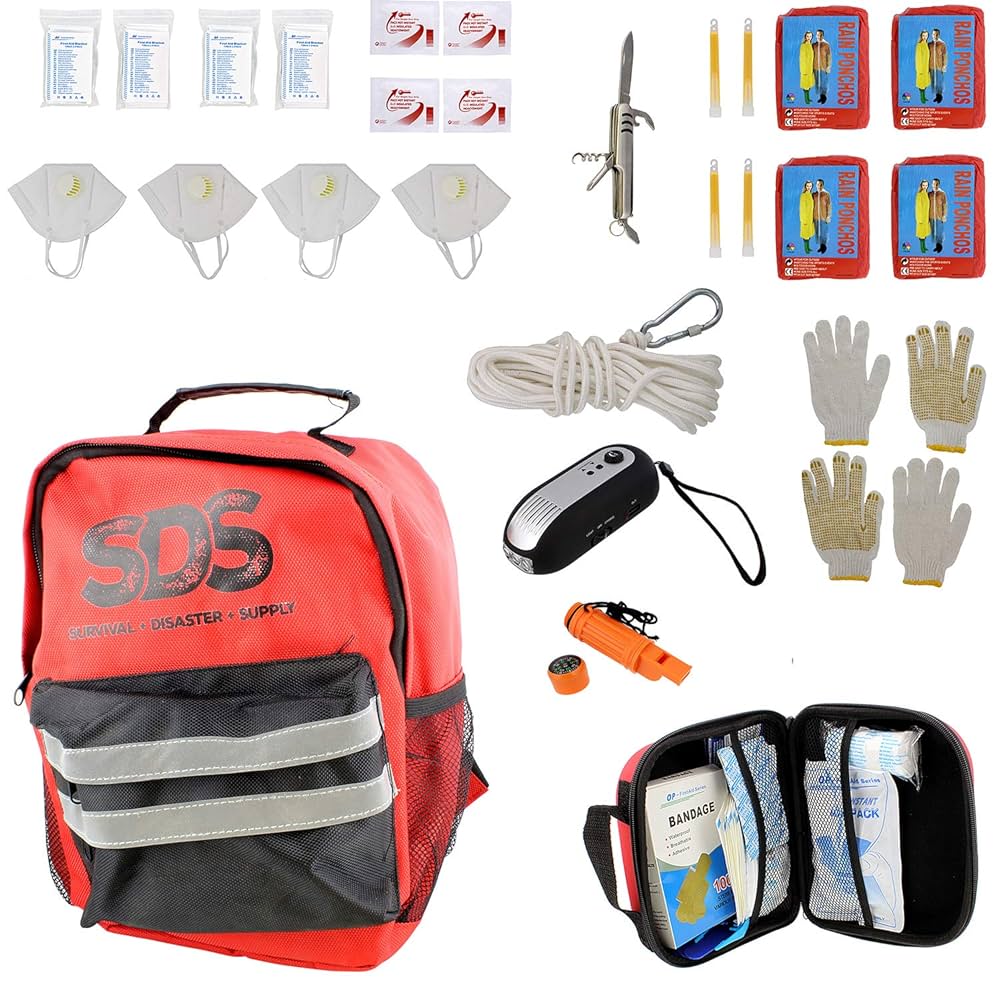
Imagine being in a situation where help is far away, and your safety depends entirely on what you have with you. What if your survival kit is missing something crucial?
You don’t want to be caught unprepared when every second counts. Knowing exactly what to carry in a survival kit can make all the difference between staying safe and facing unnecessary risks. You’ll discover the essential items that should never leave your side, helping you feel confident and ready no matter what comes your way.
Keep reading—you won’t want to miss these life-saving tips.

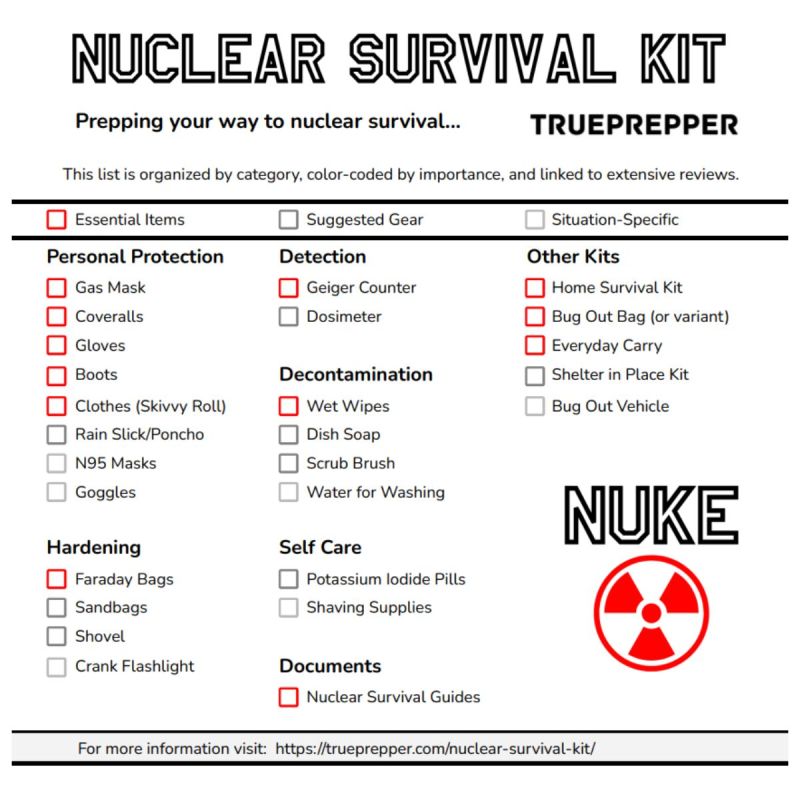
Credit: trueprepper.com
Basic Survival Gear
Basic survival gear forms the foundation of any effective survival kit. Without these essential items, your chances of staying safe and comfortable in an emergency drop dramatically. Think of these tools as your lifeline—they keep you hydrated, nourished, and protected from the elements.
Water And Hydration Tools
Water is your most critical need. Carry a sturdy water bottle or hydration bladder that can hold at least one liter. Adding a portable water filter or purification tablets ensures you can safely drink from natural sources.
Have you ever been caught thirsty with no clean water in sight? That experience alone taught me the value of reliable hydration tools. A small, lightweight filter can make a huge difference between discomfort and survival.
Food And Nutrition Supplies
Pack high-energy, non-perishable food items like energy bars, nuts, and dried fruits. These provide quick fuel without taking up much space or weight. Include some protein-rich options such as jerky or nut butter packets to keep your strength up.
Consider your food’s shelf life and ease of preparation. You don’t want to struggle with complicated cooking when every minute counts. Ready-to-eat meals or freeze-dried options can save you valuable time and effort.
Shelter And Warmth Essentials
A compact emergency blanket or bivy sack is a must-have. These items help retain body heat and shield you from wind and rain. Carrying a lightweight tarp or poncho can also provide quick shelter if you get caught outdoors unexpectedly.
Don’t forget fire-starting tools like waterproof matches or a reliable lighter. Fire not only warms you but can also signal for help or cook food. Have you tested your fire-starting gear before? Practicing can be the difference between a cold night and a warm one.
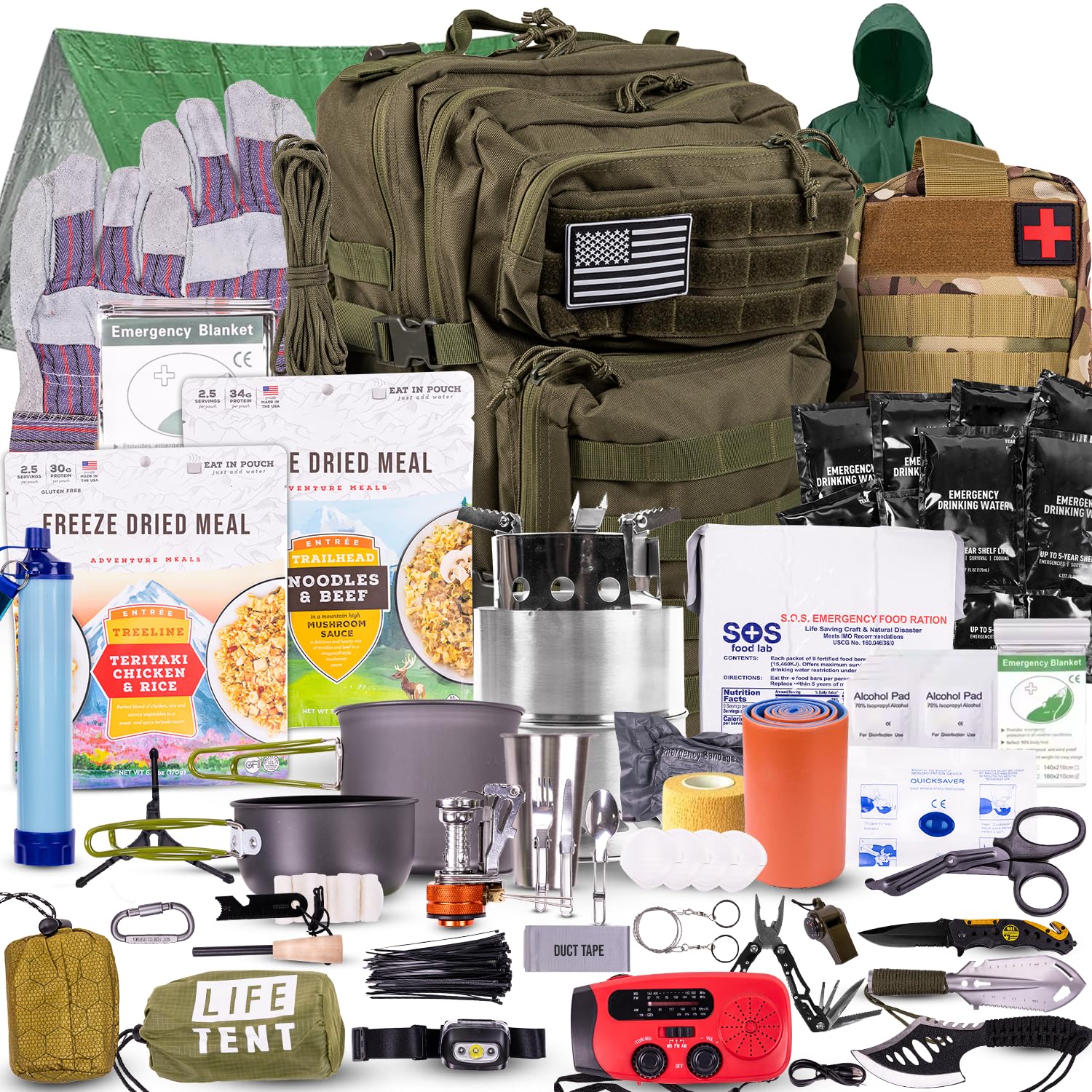
Credit: www.amazon.com
Navigation And Communication
Navigation and communication are essential parts of any survival kit. They help you find your way and call for help when needed. Without these tools, you could easily get lost or miss critical chances to alert rescuers.
Maps And Compasses
Always carry a detailed map of the area you’re in. A paper map doesn’t rely on batteries or signals, making it reliable in all situations.
A good compass works hand-in-hand with your map. It helps you maintain direction even when landmarks disappear or visibility drops.
Have you ever tried using a compass without knowing how to read it? Practice before your trip to avoid confusion during an emergency.
- Choose waterproof, tear-resistant maps for durability
- Pick a compass with a clear base plate and rotating bezel
- Learn basic orienteering skills to use these tools effectively
Emergency Communication Devices
Carrying devices that can send distress signals increases your chances of rescue. Cell phones might fail due to no signal or dead batteries, so don’t rely on them alone.
Consider including a whistle, as it’s lightweight and can be heard from a long distance. A personal locator beacon (PLB) or satellite messenger can send your GPS location directly to rescue teams.
Have you thought about how you would signal for help if you were stranded in a remote area? Simple tools can make a huge difference.
- Whistle: loud, no battery needed, easy to carry
- Personal Locator Beacon (PLB): sends GPS coordinates via satellite
- Satellite messenger devices: allow two-way messaging even without cell coverage
First Aid And Health Items
Having the right first aid and health items in your survival kit can make a huge difference during emergencies. These supplies not only help manage minor injuries but also support your overall well-being in tough situations. Think about the last time you had a small cut or headache—imagine handling that without any supplies nearby.
Basic Medical Supplies
Your survival kit should include essential items that address common injuries and medical needs. Bandages and gauze pads help control bleeding and protect wounds from infection.
- Adhesive bandages in various sizes
- Sterile gauze pads and medical tape
- Antiseptic wipes or solution for cleaning wounds
- Scissors and tweezers for removing debris
- Disposable gloves to prevent contamination
- CPR face shield or mask
Having these items ready can prevent small problems from turning into serious ones. You don’t want to realize you need a simple bandage when all you have are bulky supplies that aren’t practical.
Medications And Personal Care
Include medications that you or your family members might need regularly or during sudden health issues. Pain relievers like ibuprofen or acetaminophen can help manage headaches, muscle aches, or fever.
- Over-the-counter painkillers
- Antihistamines for allergic reactions
- Any prescribed medications with clear instructions
- Anti-diarrheal and antacid tablets
- Hydration salts or electrolyte packets
Don’t forget personal care items such as toothbrushes, toothpaste, and feminine hygiene products. These small comforts can boost morale and maintain hygiene, which is crucial during extended emergencies.
Ask yourself: Are you prepared to handle not just injuries but also everyday health needs when help isn’t immediately available?
Tools And Equipment
Tools and equipment form the backbone of any survival kit. They help you perform essential tasks quickly and efficiently. The right items can make a big difference in tough situations. Choose tools that are durable, lightweight, and versatile. Every tool should serve multiple purposes to save space and weight.
Knives And Multi-tools
A sharp knife is vital for cutting, preparing food, and self-defense. Pick a fixed-blade knife for strength and reliability. A folding knife is lighter and easier to carry.
Multi-tools combine several functions in one compact device. Look for pliers, screwdrivers, scissors, and a knife blade. These tools can fix gear, open cans, and handle small repairs.
Fire Starters And Lighting
Fire is crucial for warmth, cooking, and signaling. Carry multiple fire starters like waterproof matches, lighters, and ferro rods. Ferro rods work even when wet and last long.
Portable lighting helps you see in the dark and stay safe. Include a small flashlight or headlamp with extra batteries. LED lights offer bright illumination with low power use.
Cordage And Repair Kits
Cordage is useful for building shelters, tying gear, or making traps. Paracord is strong, lightweight, and easy to carry. It can also serve as fishing line or sewing thread in emergencies.
A repair kit keeps your gear functional. Pack needle and thread, duct tape, safety pins, and spare parts. Quick fixes can prevent bigger problems later.
Clothing And Protection
Choosing the right clothing and protection items for your survival kit can make a huge difference in how comfortable and safe you feel during an emergency. Your clothes are your first defense against harsh conditions and unexpected elements. Think about what you might face and prepare accordingly.
Weather-appropriate Clothing
Clothing that fits the climate you expect is essential. If you’re heading into a cold area, pack layers like thermal underwear, a fleece jacket, and a waterproof outer shell. Layers let you adjust to changing temperatures without sweating or freezing.
In warmer climates, lightweight, breathable fabrics that wick moisture away will keep you cooler and prevent chafing. Don’t forget a sturdy pair of socks—wet or blistered feet can slow you down fast. Think about including a hat and gloves if the weather might turn chilly or windy.
Have you ever been caught off guard by sudden rain or cold? Even a simple poncho or rain jacket can stop a small problem from becoming a major one.
Sun And Insect Protection
Sunburn and insect bites aren’t just annoyances—they can lead to serious health issues. Pack a wide-brimmed hat and sunglasses to shield your face and eyes from the sun’s harmful rays. Long-sleeved shirts and pants made of lightweight, UV-protective material offer extra defense.
Insect repellent is a must, especially in wooded or marshy areas. Mosquitoes and ticks can carry diseases, so don’t skimp on this. Adding a mosquito net or bug-proof clothing can save you from sleepless nights and risky bites.
Have you ever underestimated how much a few bugs can ruin your focus? Protecting yourself from the sun and insects helps keep your energy and spirits up when you need them most.
Personal Documents And Money
Keeping your personal documents and money secure in a survival kit can make a huge difference during emergencies. These items help prove your identity, access funds, and ensure you can navigate bureaucratic or financial hurdles when normal systems break down. Think about the last time you traveled—having your ID or a small amount of cash handy saved you from unexpected troubles.
Important Identification
Always carry copies of your essential IDs, such as your driver’s license, passport, and any medical cards. Laminated or waterproof copies work best to protect them from damage. You might also want to include emergency contact information and any important legal documents like insurance papers or property deeds.
Consider digital backups too. Store scanned versions on a USB drive or a secure cloud service accessible from your phone. This extra step can be a lifesaver if physical copies get lost or destroyed.
Emergency Cash And Cards
Cash remains king when electronic payment systems fail. Keep small bills in various denominations to help with transactions during power outages or system failures. Avoid large sums that could be lost or stolen easily.
Alongside cash, pack a credit or debit card with a backup PIN. Choose cards with minimal fees and notify your bank about your emergency plans to prevent any blocks. Remember, having multiple payment options increases your flexibility when you need it most.
Specialty Items
Specialty items in your survival kit are what make it truly tailored to your unique situation. These aren’t just the basics like water and food; they address the specific needs of your family, pets, and environment. Including these items can turn a standard kit into a lifesaver when unexpected challenges arise.
Items For Children And Pets
Kids and pets need more than just the usual supplies. Think about comfort and health essentials that keep them calm and safe.
- For children:Include favorite small toys or books to reduce stress. Pack kid-friendly snacks and formula or baby food if needed. Don’t forget child-size masks and gloves if the situation calls for protection.
- For pets:Carry enough pet food and water bowls. Add a leash, collar with ID tags, and any medications your pet requires. A familiar blanket or toy can help keep your pet calm during a crisis.
Have you ever noticed how children and pets react differently in emergencies? Preparing for their specific needs can make all the difference in keeping everyone safe and calm.
Additional Survival Accessories
Beyond the basics, certain accessories can improve your chances of coping effectively in tough situations.
- Multi-tool:A compact multi-tool offers several functions in one device, saving space and adding versatility.
- Signal devices:A whistle or signal mirror can help rescuers locate you quickly.
- Emergency blankets:Lightweight and heat-reflective, these blankets help retain body heat without bulk.
- Water purification tablets:Clean water is critical, and these tablets are easy to carry and use.
- Extra batteries and chargers:Keep your devices powered with backup batteries or solar chargers.
What small item could you add today that might change your survival outcome tomorrow? Sometimes, it’s the little things that prove most valuable.

Credit: trueprepper.com
Frequently Asked Questions
What Items Are Essential For A Survival Kit?
A survival kit should include water, non-perishable food, a first aid kit, a flashlight, a multi-tool, and a whistle. These items help ensure basic survival needs are met in emergencies. Customizing your kit based on your location and potential threats is also advisable.
How Much Water Should Be In A Survival Kit?
Include at least one gallon of water per person per day. Plan for a minimum of three days. This ensures adequate hydration during emergencies. Consider including water purification tablets or a portable filter for longer survival situations.
Why Is A Multi-tool Important In A Survival Kit?
A multi-tool is versatile and saves space in your survival kit. It combines several tools like pliers, screwdrivers, and a knife. This makes it ideal for various tasks, from cutting to repairing. It’s an essential item for handling unexpected situations efficiently.
Should I Include A First Aid Manual?
Yes, a first aid manual is crucial in a survival kit. It provides guidance on treating injuries and illnesses when professional help is unavailable. Pair it with a comprehensive first aid kit to handle emergencies effectively. This can make a significant difference in survival scenarios.
Conclusion
A survival kit can save your life in tough situations. Pack items that cover basic needs: water, food, shelter, and first aid. Keep tools like a knife, flashlight, and fire starter handy. Regularly check and update your kit for freshness and usability.
Being ready means you can stay calm and safe. Small preparations make a big difference. Start building your kit today and feel more secure tomorrow.