Imagine facing an unexpected situation where help isn’t right around the corner. What if you had a small kit with just the right items to keep you safe and calm?
Your mini survival kit can be that lifesaver. It’s not about carrying a heavy backpack—it’s about having smart, essential tools ready whenever you need them. You’ll discover exactly what to have in your mini survival kit to stay prepared without the bulk.
Keep reading, and you’ll feel confident knowing you’re ready for whatever comes your way.

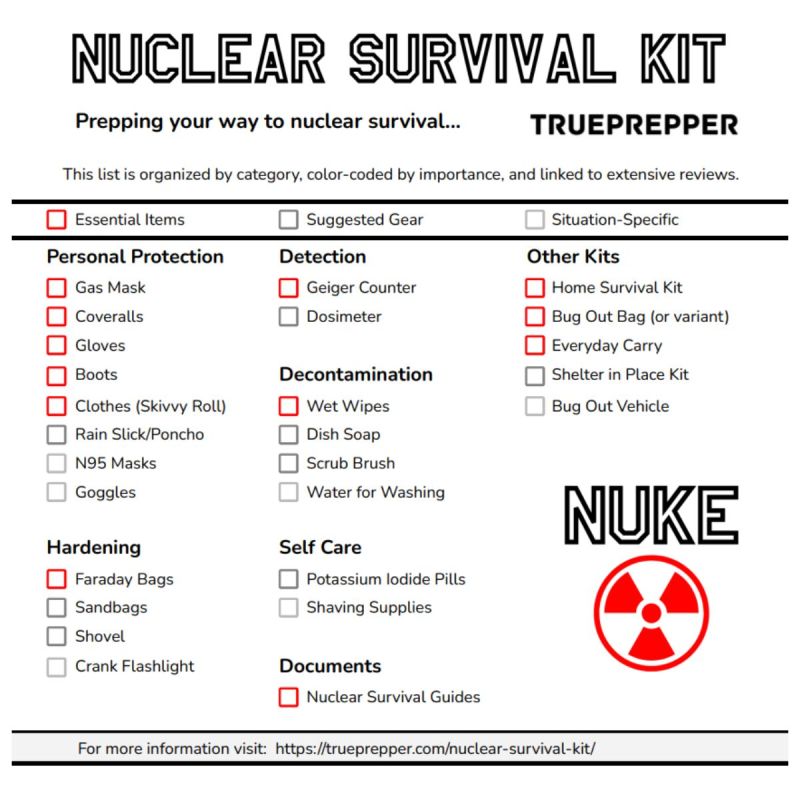
Credit: stayreadyoutdoors.com
Basic Survival Needs
Meeting your basic survival needs is the foundation of any mini survival kit. Without addressing water, food, and shelter, you risk more than just discomfort—you risk your safety. Focusing on these essentials ensures you’re prepared for unexpected situations, whether it’s a quick outdoor adventure or an emergency scenario.
Water And Hydration
Water is the most critical item in your survival kit. Your body can survive weeks without food but only a few days without water.
Include a compact water filter or purification tablets. These tools let you safely drink from natural sources like streams or ponds. A small, durable water bottle or collapsible pouch is also vital for carrying and storing water.
Ask yourself: do you have a reliable way to get clean water if your supply runs out? Staying hydrated keeps your mind sharp and your body functioning, which is crucial in any survival situation.
Food And Nutrition
Food provides energy to keep you moving and thinking clearly. Since space is limited in a mini kit, focus on lightweight, high-calorie options.
- Energy bars or protein bars
- Dehydrated fruits and nuts
- Freeze-dried meals that only require water
Think about how long your food will last and how easy it is to prepare. Having a small, portable utensil or multi-tool for opening packages can save time and frustration.
Shelter And Warmth
Protection from the elements can mean the difference between staying safe and facing serious health risks. Your mini kit should include items that help you create shelter and retain body heat.
- Emergency blanket or bivvy sack
- Compact tarp or poncho
- Waterproof matches or a small lighter
Consider how quickly you can set up shelter and start a fire. Warmth isn’t just comfort—it helps prevent hypothermia and keeps you alert. What materials do you have ready to shield yourself in unexpected cold or rain?
Essential Tools
Having the right essential tools in your mini survival kit can make a huge difference in an emergency. These tools help you handle unexpected situations quickly and efficiently. You want items that are versatile, reliable, and easy to carry.
Multi-tool And Knife
A multi-tool is like having a small toolbox in your pocket. It usually includes pliers, screwdrivers, scissors, and a knife blade. This compact device can help you with countless tasks, from fixing gear to preparing food.
A sharp, sturdy knife is crucial on its own. Whether you need to cut rope, open packages, or carve wood for a shelter, a good knife saves time and effort. Look for one with a locking blade for safety.
Fire Starters
Starting a fire can be your best way to stay warm, cook food, or signal for help. Matches can get wet or run out quickly, so consider waterproof options or a reliable lighter. Ferro rods are a great backup—they create sparks even when wet.
Keep your fire starters in a waterproof container to ensure they work when you really need them. Have you ever struggled to light a fire in damp conditions? This small preparation can make a big difference.
Flashlight And Batteries
A flashlight provides essential light when the sun goes down or in dark places. Choose one that’s compact but bright enough to illuminate your surroundings clearly. LED flashlights are energy-efficient and durable.
Don’t forget extra batteries or a rechargeable option. Running out of power at the wrong moment can leave you vulnerable. Think about how you’ll keep your light source ready, even if you have to rely on it for days.
First Aid Supplies
First aid supplies are the backbone of any mini survival kit. They help you manage injuries and medical issues quickly before professional help arrives. Having the right items can make a big difference in your comfort and safety during emergencies.
Bandages And Dressings
Bandages and dressings protect wounds from dirt and infection while helping to control bleeding. Carry a variety of sizes, including adhesive bandages for small cuts and larger sterile dressings for deeper wounds. Don’t forget gauze pads and medical tape to secure dressings firmly.
Think about the last time you had a minor scrape—would a simple bandage have made you feel better instantly? Your kit should cover similar everyday mishaps, ensuring you’re ready for anything.
Medications And Ointments
Include pain relievers like ibuprofen or acetaminophen to ease discomfort quickly. Antiseptic wipes and antibiotic ointments help prevent infections in cuts or scrapes. You might also want to add allergy medication if you or your group are prone to reactions.
Remember, having the right medication at hand can stop a small issue from becoming a serious problem. What medicines do you rely on regularly? Make sure they’re part of your kit.
Emergency Medical Tools
Essential tools include tweezers for removing splinters or debris and scissors to cut tape or clothing around wounds. A pair of disposable gloves protects you and others from germs during treatment. Adding a CPR face shield can be lifesaving if you ever need to assist someone with breathing difficulties.
Have you practiced using these tools before? Familiarity makes a huge difference when stress is high. Pack items that you feel confident using in an emergency.
Navigation And Communication
Navigation and communication tools are essential in a mini survival kit. They help you find your way and call for help in emergencies. Staying oriented prevents panic and saves time. Reliable communication devices increase safety in remote areas.
Compass And Maps
A compass guides you through unfamiliar terrain. It shows direction even without power or signal. Pair it with a detailed map of the area. Together, they help you plan routes and avoid getting lost. Choose a compass that is small and durable for your kit.
Whistle And Signal Mirror
A whistle makes loud sounds to attract attention. It works well when your voice is weak or far away. A signal mirror reflects sunlight to send visual signals. It can be seen from long distances by rescuers. Both tools are lightweight and easy to carry.
Emergency Radio
An emergency radio lets you receive weather updates and alerts. Some models can also send distress signals. Choose a radio with hand crank or solar power options. It ensures communication even when batteries run out. A compact radio fits perfectly in a mini survival kit.
Clothing And Personal Items
Clothing and personal items are essential in a mini survival kit. They protect the body from harsh conditions. These items also help keep you clean and comfortable. Choosing the right clothes and personal care tools can improve your chances of staying safe. It is important to pack smart and light.
Weather-appropriate Clothing
Choose clothes that suit the climate you expect. Lightweight, breathable fabrics work well for hot weather. For cold conditions, pack insulated layers. Waterproof jackets keep rain and wind away. Avoid cotton because it holds moisture and chills the body. Instead, pick synthetic or wool materials. A hat and gloves add extra warmth. A change of socks prevents blisters and keeps feet dry.
Personal Hygiene Items
Keeping clean stops infections and boosts morale. Include travel-size soap or wipes for quick cleaning. A small toothbrush and toothpaste maintain oral health. Pack hand sanitizer to kill germs fast. A compact towel dries off sweat or rain. Feminine hygiene products are necessary for women. Don’t forget lip balm to protect your lips from drying out.
Emergency Blanket
An emergency blanket is a must-have in any survival kit. It is light and compact. This blanket reflects body heat back to you. Use it to stay warm in cold weather. It also offers some protection from wind and rain. Emergency blankets can be used as a shelter or ground cover. Always keep it easily accessible in your kit.

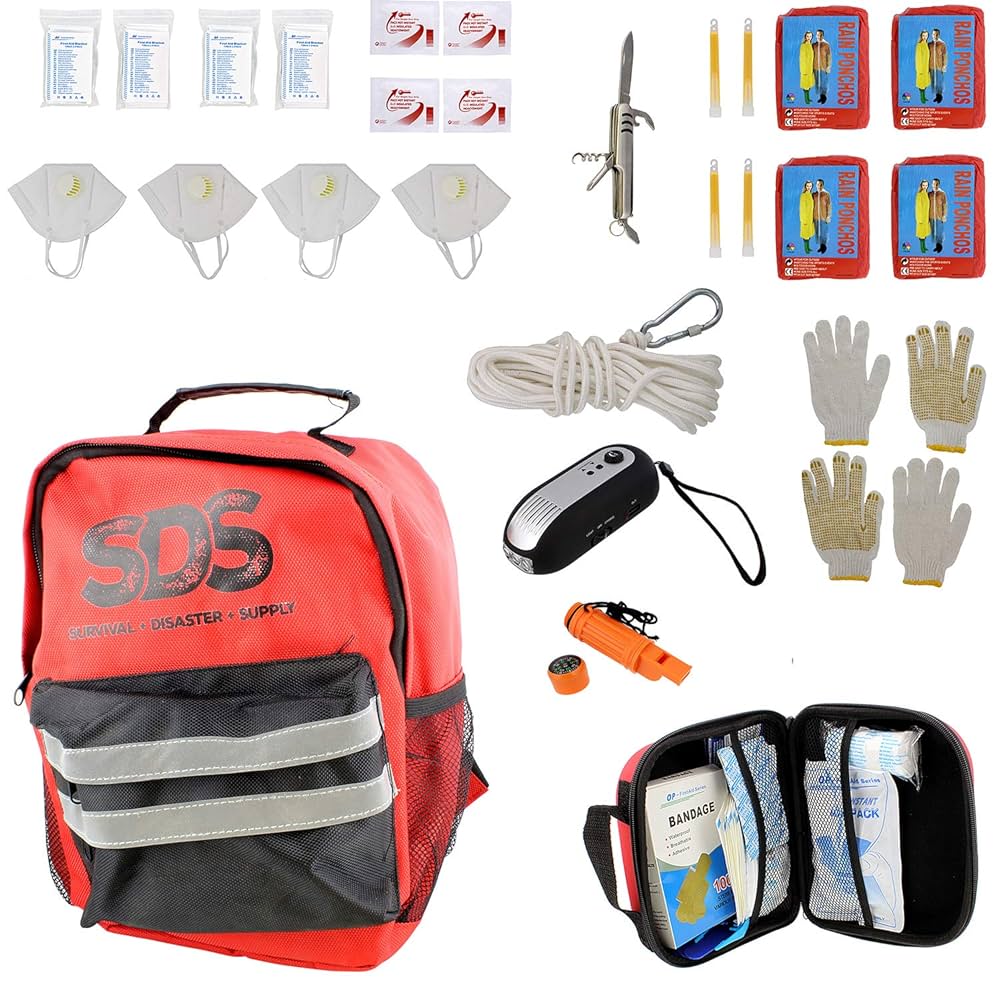
Credit: www.youtube.com
Packaging And Portability
Packaging and portability are key to making your mini survival kit truly effective. If your kit is bulky or awkward to carry, you might leave it behind when you need it most. Ensuring your survival items are packed smartly and easy to grab can make a huge difference in an emergency.
Compact Containers
Choose containers that are small but sturdy enough to protect your supplies. Tin boxes, small plastic cases, or even old prescription bottles work well. I once used a mint tin for a tiny first aid kit—it fit perfectly in my jacket pocket and kept everything organized.
Look for containers with secure lids to avoid spills. Clear containers help you quickly spot what you need without opening them. Could your survival kit fit comfortably in your hand, or even your pocket?
Waterproof Bags
Waterproof bags protect your gear from rain, spills, and moisture. Dry bags or resealable plastic bags are affordable options that keep your items dry and usable. I carry a small resealable bag inside my kit to ensure matches and paper don’t get ruined by unexpected weather.
Consider layering waterproof bags for extra protection. Even a heavy-duty zip-lock bag can save your gear from water damage. How would you keep your essentials dry during a sudden downpour?
Weight And Size Considerations
Every ounce counts when you’re carrying survival gear for long periods. Pack only what you truly need and test how it feels during a walk or hike. A lightweight kit encourages you to carry it everywhere without hassle.
Think about where you’ll keep your kit: clipped to a belt, inside a backpack, or in a glove compartment. Make sure it’s compact enough to fit there comfortably but still easy to access. What’s the heaviest item you absolutely can’t leave out?
Customization Tips
Customizing a mini survival kit makes it more useful and practical. Every person’s needs and surroundings are different. Adjusting the kit to fit these factors increases your chances of being prepared. Focus on the environment, personal needs, and regular updates to keep your kit reliable.
Tailoring To Environment
Choose items that suit the climate and terrain. In cold areas, include hand warmers and thermal blankets. For hot climates, pack extra water and sun protection. Urban settings may require a flashlight and a whistle. Rural or wilderness kits need a fire starter and a compass. Think about local hazards like insects or poisonous plants.
Considering Personal Needs
Think about your health and daily habits. Include medications, allergy treatments, or special dietary items. Add personal hygiene products like toothbrushes or sanitary supplies. Consider your physical condition and pack tools you can use easily. Family members need different items, so prepare separate kits if necessary.
Updating Your Kit Regularly
Check your kit every few months. Replace expired food and medicine. Test tools like flashlights and batteries to ensure they work. Add new items based on changing seasons or travel plans. Keeping your kit fresh means it will always be ready for emergencies.

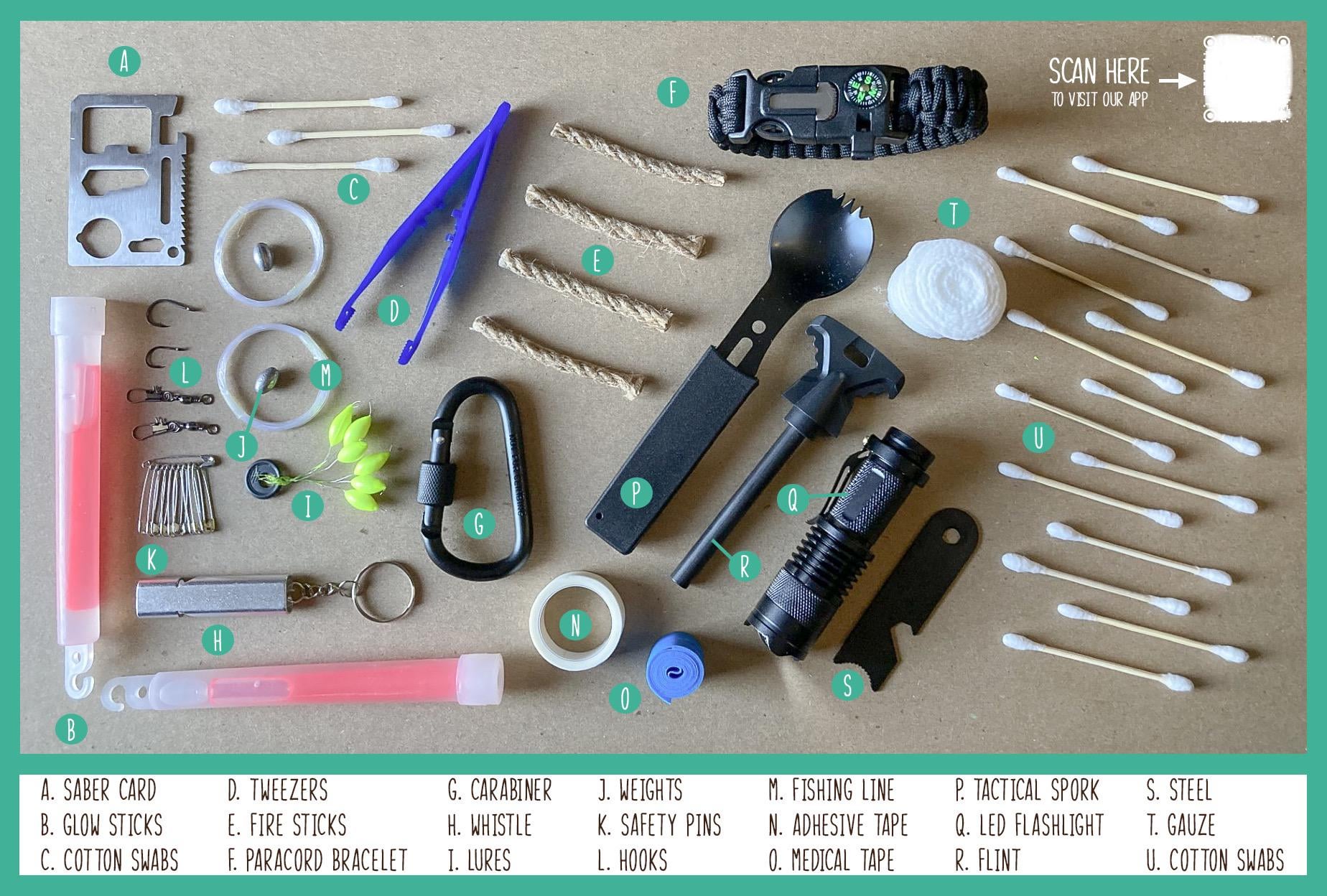
Credit: www.amazon.ca
Frequently Asked Questions
What Items Are Essential In A Mini Survival Kit?
A mini survival kit should include a knife, fire starter, whistle, and a first-aid kit. Include a compass for navigation and water purification tablets. These items ensure safety, navigation, and basic survival needs.
How Do I Choose The Right Mini Survival Kit?
Select a kit based on your environment and activities. Consider weight and size for portability. Ensure it includes essential items like a knife, fire starter, and first-aid supplies. Customized kits are more effective.
Can A Mini Survival Kit Fit In My Pocket?
Yes, many mini survival kits are designed to be compact and lightweight. They can easily fit in a pocket or small bag. Prioritize essential items like a knife, fire starter, and whistle for maximum efficiency.
Why Is A Whistle Important In A Survival Kit?
A whistle is crucial for signaling help and deterring wildlife. It’s lightweight and can be heard over long distances. In emergencies, it serves as an effective communication tool when voice calls aren’t possible.
Conclusion
A mini survival kit can help you stay safe in many situations. Pack items that are small but useful. Think about water, fire starters, and a first aid kit. Keep tools like a knife and flashlight close. Regularly check your kit to replace old supplies.
Being ready brings peace of mind and confidence. A little preparation goes a long way in emergencies. Start building your kit today and stay prepared.