Imagine facing an unexpected situation where help might not arrive soon. What would you need to stay safe and comfortable?
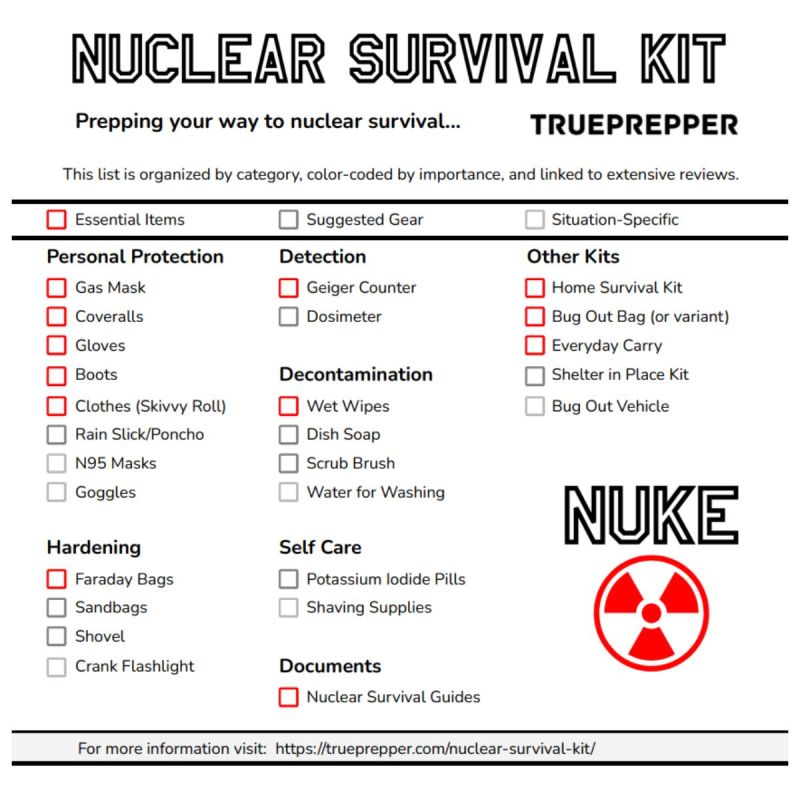
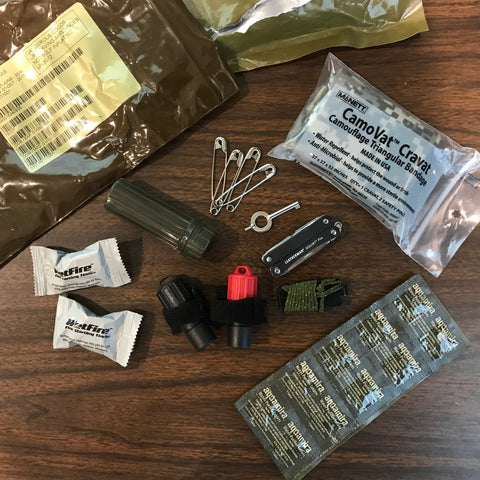
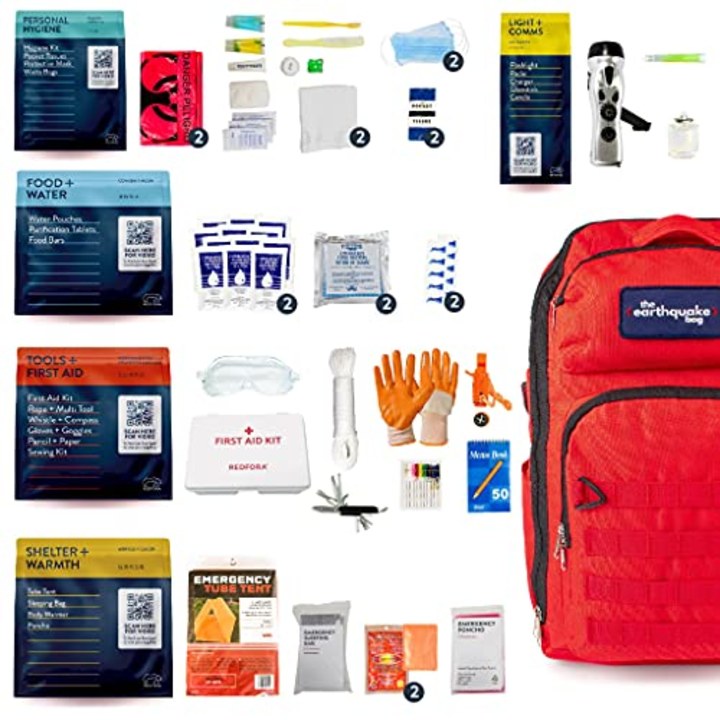
Your survival kit could be the difference between struggling and thriving. But what exactly should you keep in it to be fully prepared? You’ll discover the essential items that belong in your survival kit—simple, practical, and lifesaving. Keep reading to make sure you have everything you need when it really counts.
Basic Needs
Meeting your basic needs is the foundation of any survival kit. Without water, food, and ways to make them safe, your chances of staying healthy drop quickly. Let’s look closely at what essentials you should have to cover these critical needs.
Water And Purification Tools
Water is your top priority. You need at least one liter per person per day, but carrying that much can be heavy. That’s why purification tools are essential—they let you use natural water sources safely.
Consider packing:
- Water bottleswith built-in filters
- Portable water filters, like pump or straw types
- Water purification tabletsfor emergencies
- Metal containerfor boiling water if you have a heat source
I once underestimated the importance of purification tablets during a weekend hike. A nearby stream looked clean, but without proper treatment, you risked stomach illness. After that, I always double-check my water tools before any trip.
Non-perishable Food
Food in a survival kit must last without refrigeration and be easy to carry. Think about high-energy, nutrient-rich options that won’t spoil quickly.
Some practical choices include:
- Energy bars or granola bars
- Dried fruits and nuts
- Canned tuna or chicken with pull tabs
- Dehydrated meals that just need hot water
- Peanut butter packets
Have you ever tried to open a can without proper tools? That’s why a small can opener or multi-tool is a smart addition. Your food supply won’t help if you can’t access it easily.
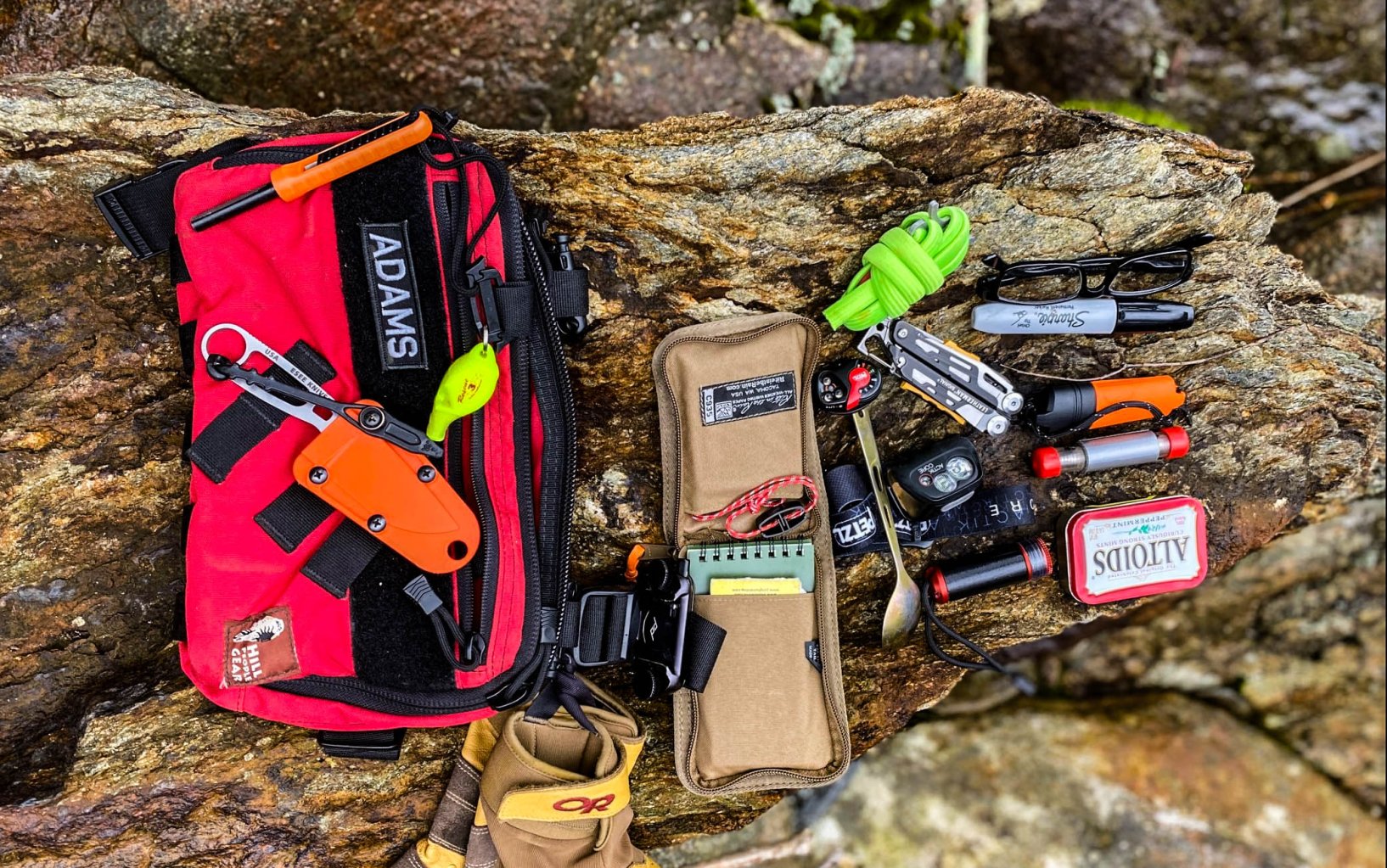
Credit: www.outdoorlife.com
Shelter And Warmth
Keeping shelter and warmth in your survival kit is essential for protecting yourself from harsh weather and preventing hypothermia. These items don’t have to be bulky or heavy, but they must be reliable and easy to use. Think about the last time you felt cold and uncomfortable outdoors—having the right gear could have made all the difference.
Emergency Blankets
Emergency blankets are lightweight, compact, and incredibly effective at retaining body heat. Made from reflective materials, they can trap up to 90% of your body heat, making them a lifesaver in cold conditions. You can easily fit one or two into your kit without adding much weight.
These blankets also double as ground covers or makeshift shelters in a pinch. Have you ever tried to stay warm with just your clothes after a sudden rain? Emergency blankets can prevent heat loss and keep you dry when you need it most.
Portable Shelter Options
Adding a portable shelter to your survival kit gives you protection from wind, rain, and insects. Look for compact options like a lightweight tarp, a bivy sack, or a small tent. These items can create a safe space that shields you from the elements.
Choose shelters that are easy to set up quickly. You don’t want to struggle with complicated instructions when conditions are tough. Consider how much space you have in your kit and the typical weather where you live or plan to travel.
- Tarp:Versatile and lightweight, perfect for creating a quick shelter.
- Bivy Sack:Compact and designed to cover your sleeping bag for added warmth and protection.
- Mini Tent:Offers full coverage but tends to be bulkier.
What’s your go-to shelter option when facing unexpected weather? Packing the right shelter gear can keep you safe and focused on what matters—surviving and thriving outdoors.
First Aid Supplies
First aid supplies are a vital part of any survival kit. They help treat injuries quickly and prevent infections. Keeping the right items ensures safety during emergencies. A well-stocked first aid section can make a big difference in critical moments.
Essential Medications
- Pain relievers like ibuprofen and acetaminophen
- Antihistamines for allergic reactions
- Antiseptic creams to prevent infections
- Anti-diarrheal medicine for stomach issues
- Oral rehydration salts to prevent dehydration
- Any personal prescription medications needed regularly
Basic First Aid Tools
- Adhesive bandages in various sizes
- Sterile gauze pads and adhesive tape
- Antiseptic wipes for cleaning wounds
- Tweezers for removing splinters or debris
- Scissors for cutting bandages or tape
- Disposable gloves to maintain hygiene
- CPR face shield for safe resuscitation

Credit: unchartedsupplyco.com
Tools And Gear
Having the right tools and gear in your survival kit can make all the difference when you face unexpected situations. These items are not just about convenience—they can be vital for your safety and comfort. Choosing the right tools means thinking about what you might need to fix, build, or navigate in an emergency.
Multi-tools
Multi-tools are compact and versatile, combining several functions into one small device. Think about the times you needed a screwdriver or a knife but didn’t have one handy. A good multi-tool solves that problem instantly.
Look for multi-tools that include:
- Knife blade
- Pliers
- Screwdrivers (flathead and Phillips)
- Can and bottle openers
- Scissors
Some models even come with wire cutters or saw blades, which can be lifesavers. The key is to pick one that feels comfortable in your hand and is durable. Have you ever tried to open a can or fix something without the right tool? That frustration is what you want to avoid.
Lighting And Batteries
Without light, even the simplest tasks become difficult, and panic can set in quickly. Your survival kit should include reliable lighting options to keep you safe and aware of your surroundings.
Flashlights are a must-have, but don’t rely on just one type. Include:
- Compact LED flashlight
- Headlamp for hands-free use
- Extra batteries suitable for your devices
Rechargeable batteries can save money and reduce waste, but always have a backup set of disposable batteries just in case. Remember, light isn’t just about seeing—it can also signal for help. Have you thought about how you would signal rescuers in the dark?
Communication Devices
Communication devices are vital in any survival kit. They help you stay connected and call for help. Without power or cell service, traditional devices may fail. Choose tools that work without batteries or signal towers. These devices increase your chances of being found or receiving updates.
Hand-crank Radios
Hand-crank radios do not need batteries. Turn the crank to generate power. They receive weather alerts and emergency broadcasts. Some models include a flashlight and USB charger. Compact and lightweight, they fit easily in a kit. Listening to news and warnings keeps you informed.
Whistles And Signal Mirrors
Whistles produce loud sounds to attract attention. They use no power and are easy to carry. A few sharp blasts can signal rescuers nearby. Signal mirrors reflect sunlight to create bright flashes. Use them to send visual signals over long distances. Both tools are simple but effective for emergencies.

Credit: www.thermapparel.com
Personal Safety
Personal safety is a top priority in any survival situation. Your survival kit should include items that help protect your body and keep you safe from harm. Being prepared means having the right tools and clothing to face unexpected dangers. Staying safe increases your chances of survival and peace of mind.
Self-defense Tools
Self-defense tools are essential for protecting yourself from threats. Choose items that are easy to carry and use under stress. Some common tools include:
- Personal alarms to scare off attackers
- Pepper spray for non-lethal defense
- Compact stun guns for close encounters
- Multi-purpose knives for protection and utility
Practice using these tools safely and know your local laws about carrying them.
Protective Clothing
Protective clothing shields your body from environmental hazards. It can prevent cuts, scrapes, and insect bites. Consider packing:
- Durable gloves for hand protection
- Long-sleeve shirts and pants to cover skin
- Sturdy boots for foot safety and support
- Hats or caps for sun and debris protection
Choose lightweight, breathable materials that dry quickly. This helps you stay comfortable and protected.
Important Documents
Keeping important documents in your survival kit can save you time and stress during emergencies. These papers prove your identity, help you access essential services, and connect you with loved ones. You want to make sure they are safe, accessible, and up to date.
Identification Copies
Always include copies of your ID cards, such as your driver’s license, passport, and any other official identification. Originals may get lost or damaged, so having clear photocopies or digital scans stored on a USB drive can be a lifesaver.
Consider adding copies of your insurance cards and medical records too. These documents can help medical personnel provide the right care quickly. Make sure the copies are waterproof and stored in a secure, easy-to-reach pouch.
Emergency Contacts
Write down a list of emergency contacts and keep it in your survival kit. Include phone numbers for family members, close friends, your doctor, and local emergency services. This list can be a crucial communication lifeline if your phone battery dies or gets lost.
Think about adding instructions for emergency situations, like allergies or medical conditions, next to your contacts. Have you ever tried to find a phone number during a crisis? Having it all in one place saves precious seconds and reduces panic.
Special Needs
Special needs require careful thought when packing a survival kit. Basic supplies may not cover unique requirements. Tailoring your kit ensures safety and comfort for everyone in an emergency.
Infant And Child Care Items
Babies and young children need specific items to stay healthy and calm. Include essentials that support their nutrition and hygiene.
- Formula or baby food jars
- Disposable diapers and wipes
- Baby bottles and pacifiers
- Extra clothes and blankets
- Small toys or comfort items
- Infant medications and thermometer
- Sunblock and insect repellent safe for children
Keep these items in an easy-to-reach section of your kit. Regularly check expiration dates and replace supplies as needed.
Pet Supplies
Pets need care too during emergencies. Prepare a separate bag or container for their necessities.
- Pet food and treats for several days
- Water and portable bowls
- Leash, collar, and ID tags
- Medications and vaccination records
- Waste bags and grooming wipes
- Blanket or bed for comfort
- Favorite toy or chew
Pet supplies help reduce stress and keep animals safe. Include items that suit your pet’s size and needs.
Frequently Asked Questions
What Are The Essential Items In A Survival Kit?
A survival kit should include water, food, first aid supplies, a flashlight, a multi-tool, and a fire starter. These essentials help you stay hydrated, nourished, and safe during emergencies. Including a whistle and emergency blanket adds extra safety and comfort.
How Much Water Should I Pack In A Survival Kit?
Pack at least one gallon of water per person per day. This amount covers drinking and basic hygiene needs. For longer survival situations, carry water purification tablets or a portable filter to ensure safe drinking water.
Why Include A First Aid Kit In A Survival Kit?
A first aid kit helps treat injuries quickly and prevents infections. It should contain bandages, antiseptics, pain relievers, and any personal medications. Proper first aid can be lifesaving during emergencies before professional help arrives.
What Food Types Are Best For Survival Kits?
Choose non-perishable, high-energy foods like nuts, dried fruits, energy bars, and canned goods. These foods last long and provide quick nutrition. Avoid perishable items that spoil easily and require refrigeration.
Conclusion
A well-packed survival kit can save lives in tough times. Include food, water, first aid, and tools for safety. Keep your kit updated and ready to use anytime. Simple items can make a big difference during emergencies. Being prepared helps you feel calm and confident.
Start building your kit today and stay safe tomorrow.