Imagine facing an unexpected emergency at home—power outage, natural disaster, or any situation that leaves you unprepared. What if you had a survival kit ready to help you stay safe and comfortable?
Building a home survival kit isn’t just smart; it’s essential for protecting yourself and your loved ones. You’ll discover exactly what to put in your kit, so you’re ready for anything. Keep reading to find out how a few simple items can make all the difference when it matters most.

Credit: www.servpro.com
Basic Survival Gear
Basic survival gear is the heart of any home survival kit. It ensures you stay safe, healthy, and comfortable during emergencies. The right gear covers your essential needs: water, food, and shelter.
These items help you handle unexpected situations without panic. They provide security and peace of mind. Preparing this gear carefully can make a big difference in tough times.
Water And Hydration Supplies
Water is the most critical survival item. Store at least one gallon per person daily for three days. Use clean, sealed bottles or water containers.
- Water purification tablets or filters
- Collapsible water containers for extra storage
- Metal or BPA-free water bottles
Purification tools help if the water supply becomes unsafe. Always keep some spare water for cooking and hygiene.
Non-perishable Food Items
Choose foods that last long without refrigeration. Focus on high-energy, easy-to-prepare options.
- Canned beans, vegetables, and meats
- Dry cereals and granola bars
- Peanut butter and nuts
- Freeze-dried meals or dehydrated fruits
Check expiration dates regularly. Rotate supplies to keep the kit fresh and ready.
Shelter And Warmth Essentials
Protect your body from cold and harsh weather. Basic shelter items help maintain body heat and safety.
- Emergency blankets or space blankets
- Tent or tarp for quick shelter
- Warm clothing like hats, gloves, and socks
- Waterproof matches or a lighter
These essentials prevent hypothermia and provide comfort in rough conditions. Always keep them accessible and dry.
First Aid And Medical Supplies
First aid and medical supplies are crucial for any home survival kit. They help treat injuries and manage health problems quickly. Having these items ready can reduce pain and prevent infections. Prepare for common accidents and illnesses with the right tools.
Bandages And Dressings
Bandages and dressings protect wounds from dirt and germs. Include various sizes to cover small cuts and large injuries. Use sterile gauze pads to absorb blood and keep wounds clean. Adhesive bandages work well for minor cuts and scrapes. Elastic bandages help support sprains and strains.
- Sterile gauze pads
- Adhesive bandages (small and large)
- Elastic bandages
- Antiseptic wipes
- Medical tape
Medications And Personal Health Items
Keep essential medications for pain, allergies, and digestion. Include personal prescriptions and over-the-counter drugs. Store pain relievers like ibuprofen or acetaminophen. Antihistamines help with allergic reactions. Don’t forget antacids and anti-diarrheal medicines. Add any special medications family members need.
- Pain relievers (ibuprofen, acetaminophen)
- Antihistamines
- Antacids
- Anti-diarrheal medicine
- Personal prescription medicines
Tools For Injury Care
Tools make treating injuries easier and safer. Include scissors to cut tape and clothing. Tweezers help remove splinters or debris from wounds. Thermometers check for fever. Disposable gloves protect you and others from infection. A CPR mask can save lives during emergencies.
- Scissors
- Tweezers
- Thermometer
- Disposable gloves
- CPR mask
Tools And Equipment
Having the right tools and equipment in your home survival kit is crucial. They can make the difference between managing an emergency calmly or feeling overwhelmed. Think about items that serve multiple purposes and are reliable under pressure.
Multi-tools And Knives
A good multi-tool is a lifesaver. It combines essential functions like screwdrivers, pliers, and scissors in one compact device. Choose one with a sturdy build and easy access to the tools.
A sharp, durable knife is equally important. It can help with cutting rope, preparing food, or even self-defense. I once had a simple folding knife that helped me fix a broken zipper on my backpack during a camping trip—small tools can solve big problems.
Fire Starting Devices
Fire is a top priority in survival situations. Pack waterproof matches, a lighter, and a firestarter like magnesium flint. Having multiple options increases your chances of success when conditions get tough.
Think about how you’ll start a fire in wet conditions or strong wind. A windproof lighter or a ferro rod can be your best friend. Can you imagine being stuck without heat or a way to cook? Fire-starting tools are essential.
Lighting And Communication Devices
Reliable light sources keep you safe and help you navigate in the dark. Include LED flashlights with extra batteries and a headlamp for hands-free use. Solar or crank-powered lights are excellent backups when batteries run out.
Communication can save lives. A battery-powered or hand-crank emergency radio keeps you informed about weather alerts and news. Also, consider a whistle or signal mirror for attracting attention if needed. What’s your plan if phone signals disappear?

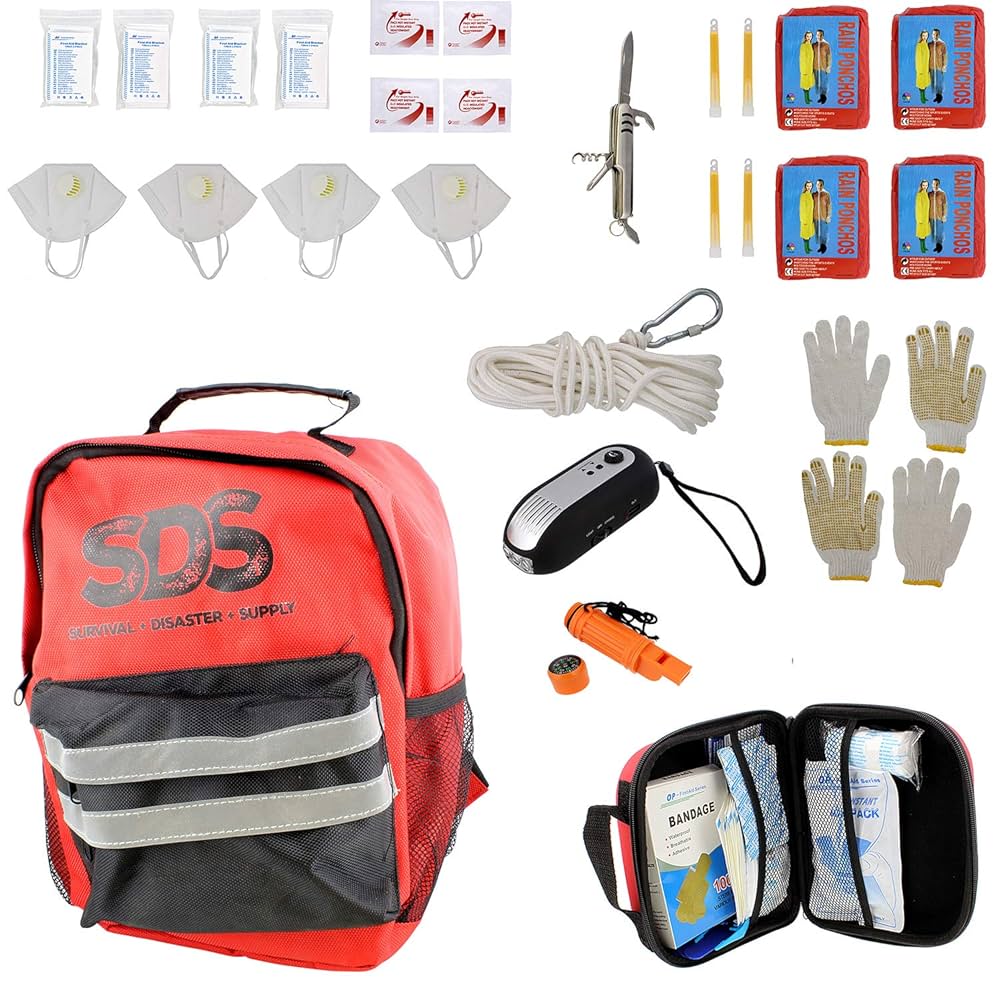
Credit: www.amazon.com
Personal Safety Items
Personal safety items are essential in every home survival kit. They help protect you and your family during emergencies. These items can prevent injuries and alert others if you need help. Preparing these tools ensures you stay safe in unexpected situations.
Protective Clothing
Protective clothing shields your body from harsh environments. Include sturdy gloves, long-sleeve shirts, and durable pants. Waterproof jackets and boots keep you dry during rain or floods. Hats and goggles protect your head and eyes from debris and sun.
Emergency Whistles And Signals
Emergency whistles are loud and easy to carry. Use them to signal for help if trapped or lost. Bright signal mirrors can reflect sunlight to attract attention. Glow sticks or small flashlights help in the dark or smoky areas.
Self-defense Tools
Self-defense tools add an extra layer of security. Pepper spray is effective and easy to use. Personal alarms create loud sounds to scare off attackers. Basic knowledge of these tools increases your confidence and safety.
Sanitation And Hygiene
Keeping your home survival kit stocked with sanitation and hygiene essentials is crucial for staying healthy during emergencies. Cleanliness helps prevent illness, which can be as dangerous as the disaster itself. You want to make sure you have everything needed to maintain a safe and sanitary environment when access to regular facilities might be limited.
Cleaning Supplies
Cleaning supplies are the backbone of a hygienic survival kit. Include items like disinfectant wipes, antibacterial sprays, and bleach. These help sanitize surfaces and kill germs that could cause infections.
Don’t forget multipurpose cleaners and sponges or scrub brushes. Having a small supply of gloves can protect your hands while cleaning. These simple tools make a big difference in keeping your space safe.
Waste Disposal Solutions
Proper waste disposal is often overlooked but essential. Stock up on heavy-duty trash bags to contain waste securely. Sealable bags help prevent odors and keep pests away.
Consider portable toilets or waste disposal buckets if plumbing isn’t available. You’ll also want to have toilet paper and biodegradable wipes on hand. Managing waste carefully protects your health and environment.
Personal Hygiene Products
Your personal hygiene items need to be easy to use and long-lasting. Pack soap, hand sanitizer with at least 60% alcohol, toothbrushes, toothpaste, and feminine hygiene products. These keep you feeling fresh and reduce the risk of skin infections.
Don’t overlook items like deodorant, nail clippers, and lip balm. Small comforts like these improve morale during tough times. What personal hygiene product would you miss the most in an emergency?
Important Documents And Cash
Important documents and cash are essential parts of a home survival kit. They help you prove your identity, access services, and handle emergencies. Keeping these items safe and ready can ease stress during a crisis.
Copies Of Ids And Legal Papers
Include copies of important IDs like passports and driver’s licenses. Also add birth certificates, marriage licenses, and property deeds. Store these copies in a waterproof and fireproof container. Having these documents on hand helps with identification and legal matters.
Emergency Contact Information
Write down emergency phone numbers on paper. Include family members, doctors, and local emergency services. Keep this list updated and easy to find. This information helps you connect quickly with those who can assist.
Accessible Cash Reserves
Keep some cash in small bills in your kit. ATMs and credit cards may not work during emergencies. Cash allows you to buy supplies and pay for services instantly. Store money in a secure, hidden spot within your survival kit.
Special Considerations
Special considerations make your home survival kit truly effective. It’s not just about having generic supplies but tailoring the kit to fit your unique household needs. Think about who lives with you, what challenges your location presents, and the specific health requirements you face.
Items For Children And Pets
Children and pets need attention in your survival kit. Kids require age-appropriate snacks like small juice boxes and easy-to-eat crackers. Don’t forget comfort items such as a favorite toy or blanket to help reduce stress.
For pets, include enough food and water for at least three days. Pack a leash, waste bags, and any medications they take. Have a sturdy carrier or crate ready for safe transport if evacuation becomes necessary.
Medication And Medical Devices
Keep a stock of essential medications, including prescriptions and over-the-counter pain relievers. If you or a family member use medical devices like inhalers, insulin pumps, or CPAP machines, ensure extra batteries or power sources are included.
Label all medications clearly and check expiration dates regularly. Have a list of medical conditions and allergies handy to share with first responders or healthcare providers.
Seasonal And Regional Supplies
Your survival kit should reflect the weather and environment around you. In colder climates, add extra blankets, thermal clothing, and hand warmers. If you live in a hot area, include sunblock, hats, and extra water to stay hydrated.
Regions prone to specific natural disasters like earthquakes or floods require specialized gear. For example, waterproof bags, sturdy boots, or dust masks can be lifesavers. What unique challenges does your area present, and how can your kit prepare you for them?

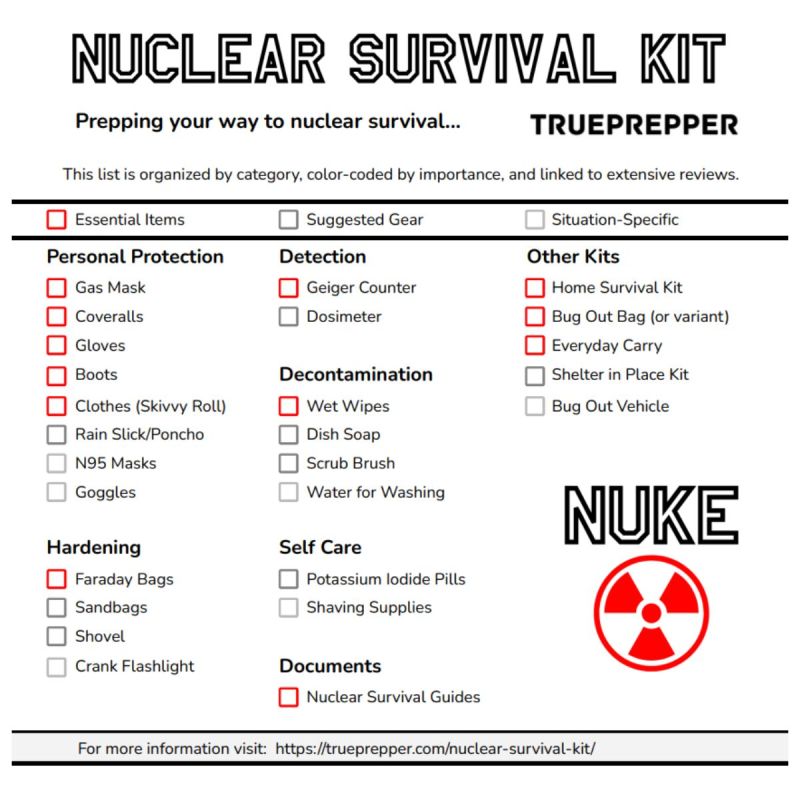
Credit: trueprepper.com
Frequently Asked Questions
What Essentials Are In A Home Survival Kit?
A home survival kit should include water, non-perishable food, first-aid supplies, a flashlight, and batteries. It’s also important to have a multi-tool, blankets, and personal hygiene items. Customize your kit based on family needs, including medications and pet supplies.
How Much Water Should A Survival Kit Have?
A survival kit should have one gallon of water per person per day. Plan for at least three days’ worth. This ensures enough water for drinking and sanitation. Consider additional water if you have pets or live in a hot climate.
How Often Should I Update My Survival Kit?
Update your survival kit every six months. Check expiration dates on food and medications. Replace expired items with fresh supplies. Also, update personal information and emergency contact lists to ensure accuracy.
Why Include A Flashlight In A Survival Kit?
A flashlight is essential for navigating in the dark during power outages. It provides safety and security. Pack extra batteries and consider a solar or hand-crank flashlight for long-term emergencies. A flashlight can also signal for help if needed.
Conclusion
A home survival kit can keep you safe in tough times. Choose items that meet your family’s needs and suit your space. Regularly check and update your supplies to stay prepared. Keep food, water, first aid, and tools ready at all times.
Being ready helps reduce stress during emergencies. Small steps now can make a big difference later. Start building your kit today for peace of mind tomorrow. Safety begins with simple, smart choices.