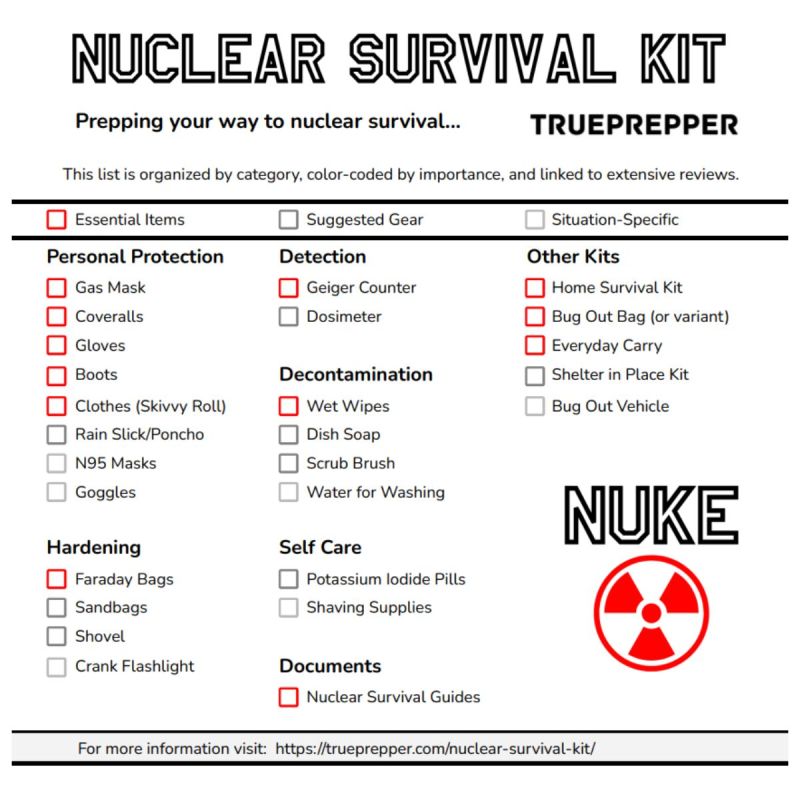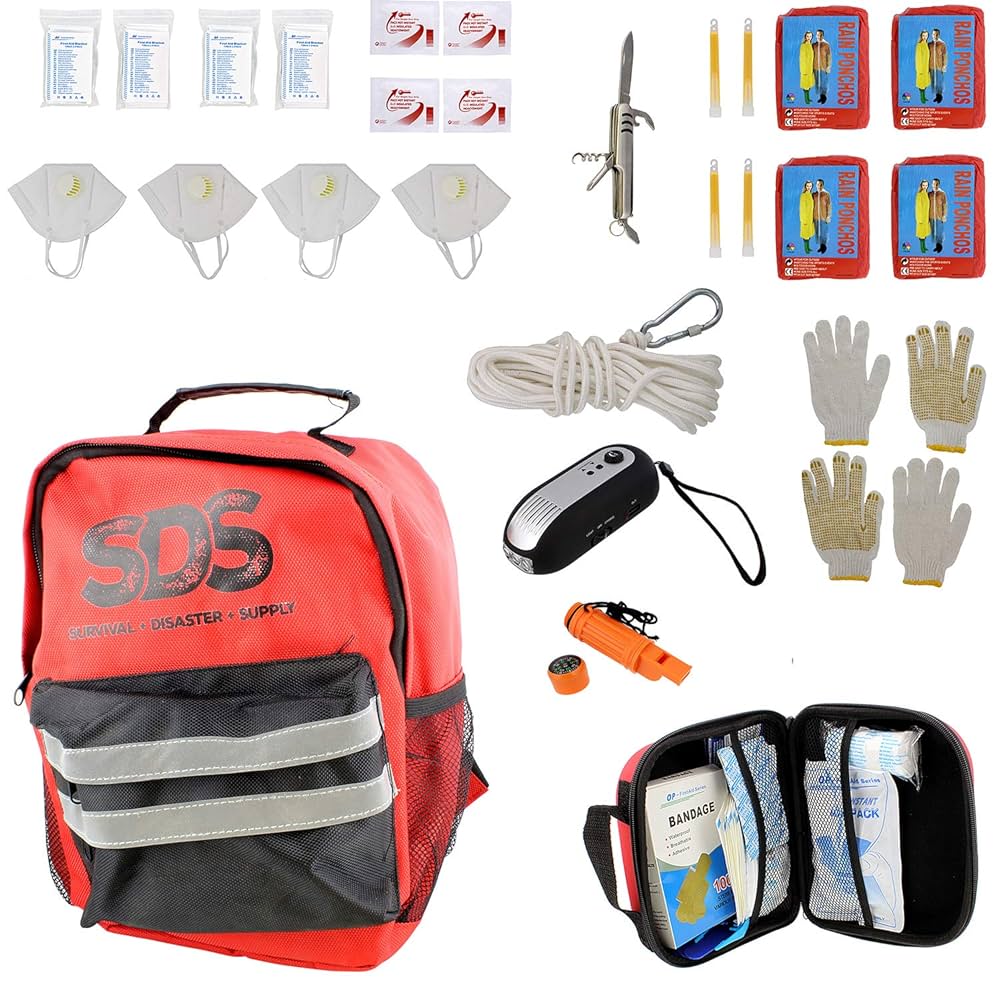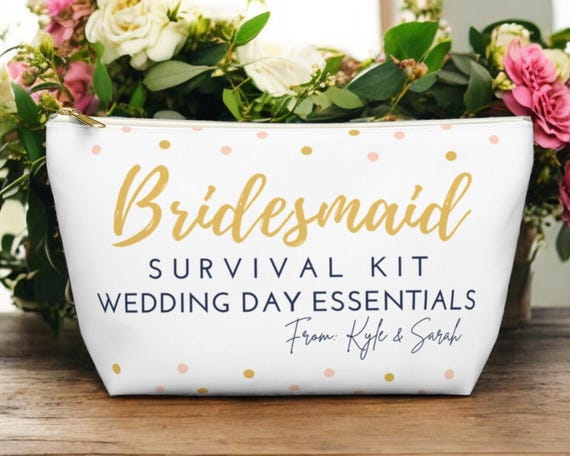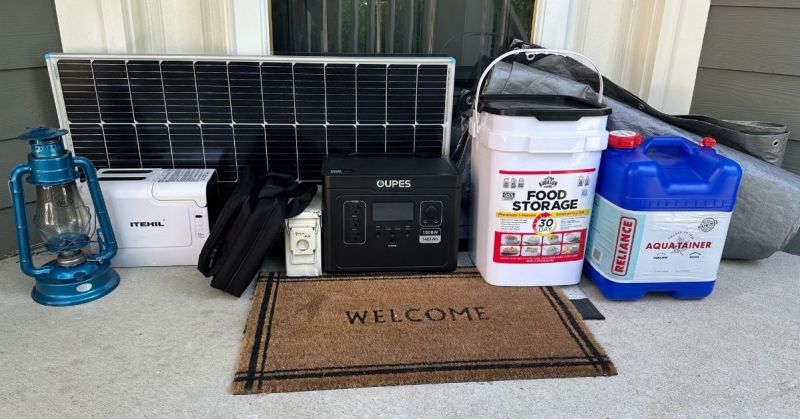
Imagine this: you’ve just moved into your new apartment, and suddenly, the power goes out or you face a small emergency. Do you have everything you need to handle it smoothly?
Creating an apartment survival kit is your secret weapon to stay calm and prepared no matter what happens. In this guide, you’ll discover exactly what to put in your kit to keep yourself safe, comfortable, and ready for any surprise.
Ready to make your apartment a stress-free zone? Let’s dive in.
Credit: www.vnives.com
Basic Supplies
Basic supplies are essential for any apartment survival kit. They help you stay safe and comfortable during emergencies or unexpected situations. Keep these items handy to cover your daily needs and minor repairs. Prepare well and feel more secure in your home.
Food And Water
- Non-perishable food like canned beans, rice, and pasta
- Ready-to-eat meals such as energy bars and dried fruits
- Bottled water, at least one gallon per person per day
- Manual can opener for canned goods
- Reusable water bottles for easy refills
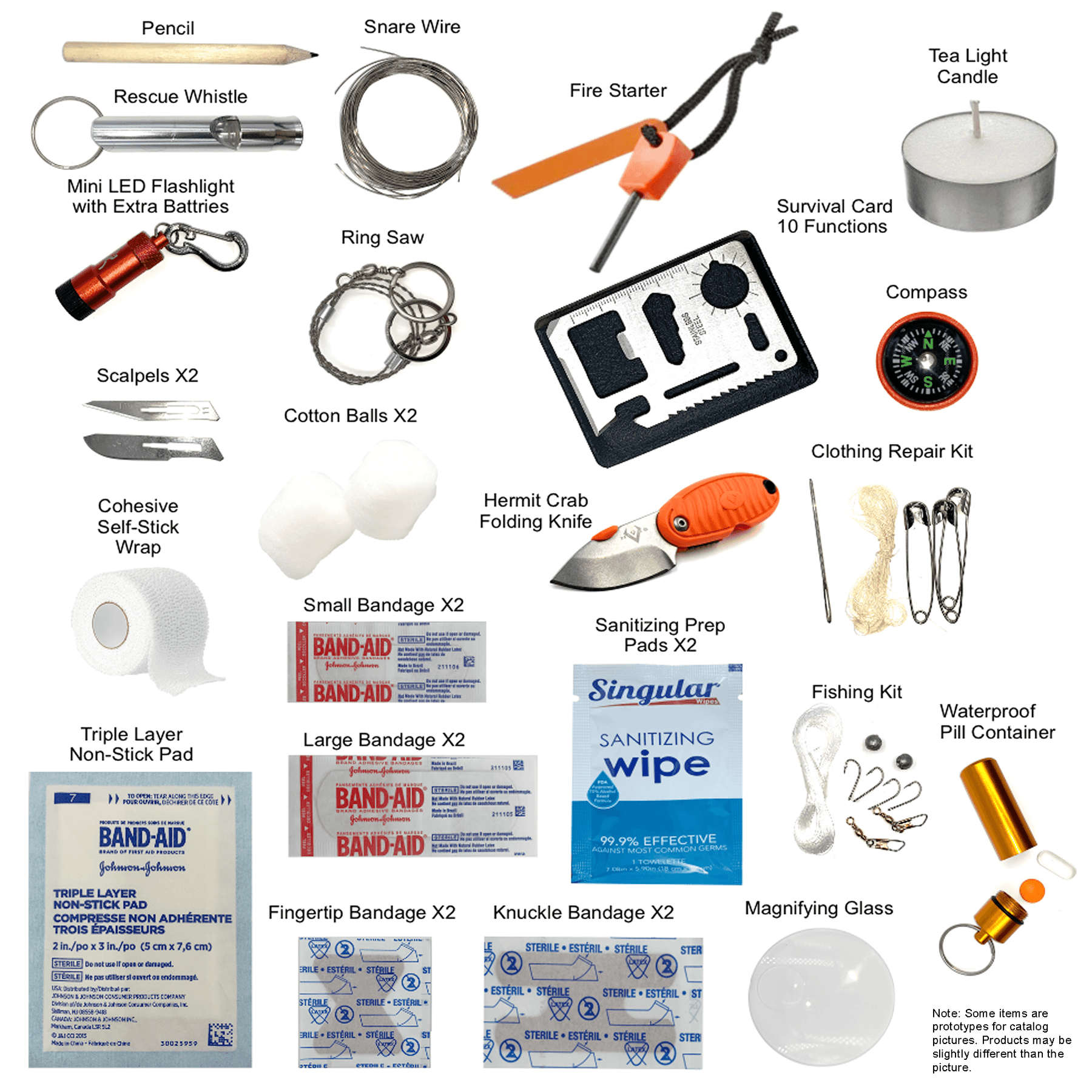
First Aid Items
- Adhesive bandages of different sizes
- Antiseptic wipes and antibiotic ointment
- Pain relievers like ibuprofen or acetaminophen
- Gauze pads, medical tape, and scissors
- Disposable gloves and a digital thermometer
- Basic first aid manual or instruction booklet
Tools And Equipment
- Flashlight with extra batteries
- Multi-tool or pocket knife
- Fire extinguisher suitable for small fires
- Basic screwdrivers and pliers
- Emergency whistle and duct tape
- Battery-powered or hand-crank radio
Safety And Security
Safety and security are vital for every apartment dweller. A well-prepared survival kit ensures protection during emergencies. It helps you stay calm and act fast.
Including essential safety items can prevent accidents and keep you informed. Focus on tools that alert you and connect you to help quickly. These items form the backbone of your apartment survival kit.
Emergency Contacts
Keep a list of important phone numbers in your kit. Include:
- Local emergency services (fire, police, ambulance)
- Family members and close friends
- Apartment management or security
- Poison control center
Write contacts on paper and save them digitally. Phones may fail, so hard copies are crucial.
Flashlights And Batteries
Power outages can happen anytime. A reliable flashlight helps you move safely in the dark.
- Choose bright LED flashlights for longer battery life
- Keep extra batteries in your kit
- Consider a hand-crank or solar-powered flashlight
Test flashlights regularly to ensure they work when needed.
Smoke And Carbon Monoxide Detectors
These devices save lives by warning you early. Ensure your apartment has working detectors.
- Check batteries monthly and replace yearly
- Know the sound of each alarm
- Place detectors near bedrooms and kitchen areas
Regular maintenance is key for proper function during emergencies.
Personal Care
Personal care items are essential for your apartment survival kit. They help maintain your health and comfort during unexpected situations. Keeping basic personal care products ready ensures you stay clean, healthy, and relaxed.
Hygiene Products
- Toothbrush and toothpaste
- Soap or body wash
- Shampoo and conditioner
- Deodorant
- Feminine hygiene products
- Wet wipes or hand sanitizer
- Razor and shaving cream
- Comb or hairbrush
- Small towel or washcloth
Medications
- Prescription medicines
- Pain relievers like ibuprofen or acetaminophen
- Allergy medication
- Antiseptic cream or ointment
- Band-aids and gauze
- Thermometer
- Vitamins or supplements
- Cold and flu remedies
Comfort Items
- Moisturizer for dry skin
- Lip balm
- Eye mask for better sleep
- Earplugs to block noise
- Small blanket or shawl
- Favorite book or journal
- Stress-relief items like a stress ball
Credit: www.simplysaidkits.ca
Communication Tools
Communication tools are essential in any apartment survival kit. They help you stay connected during emergencies and keep you informed when regular channels might fail. Having the right devices and accessories can make a real difference in how you respond to unexpected situations.
Chargers And Power Banks
Keeping your devices powered is crucial. A reliable charger and a high-capacity power bank ensure your phone or tablet won’t die when you need it most. I once faced a blackout that lasted hours, and having a fully charged power bank kept me connected and calm.
Consider carrying multiple charging cables compatible with different devices. Portable solar chargers can also be a great addition if you expect longer outages or outdoor situations.
Radio And Alerts
A battery-powered or hand-crank radio is a must-have. It lets you receive news and emergency alerts even if your internet or phone network goes down. This tool has saved many from missing critical information during storms and power failures.
Look for radios with NOAA weather alert capabilities. Some models also include flashlight features, adding to their usefulness in survival kits.
Backup Phones
Having a backup phone might sound excessive, but it can be a lifesaver. If your primary phone is lost, damaged, or runs out of battery, a simple secondary device keeps you reachable. Older models with long battery life and basic calling functions work best here.
Store the backup phone with a prepaid SIM card and keep it charged periodically. This small step can prevent a lot of stress when communication is critical.
Clothing And Shelter
Having the right clothing and shelter in your apartment survival kit can make a huge difference during emergencies. These items protect you from harsh weather and help maintain your comfort when usual resources aren’t available. Think about what you really need to stay warm, dry, and safe in your living space.
Weather-appropriate Clothing
Choose clothing based on the climate you live in and possible emergency scenarios. Pack layers like thermal shirts, waterproof jackets, and sturdy shoes. Don’t forget extras such as hats, gloves, and socks to keep extremities warm.
Imagine a power outage during a cold snap—you’ll want clothes that trap heat without bulk. Breathable fabrics also matter if you’re in a hot environment where overheating is a risk. Have at least one full change of clothes ready to avoid discomfort from damp or dirty items.
Blankets And Sleeping Bags
Include heavy-duty blankets and compact sleeping bags in your kit. They provide essential warmth and can double as ground cover or privacy screens. A sleeping bag rated for low temperatures offers more protection than blankets alone.
Consider space-saving options like emergency thermal blankets; they take up little room but retain body heat effectively. You might not realize how important warmth is until you experience a chilly night without power.
Temporary Shelter Options
Think beyond your apartment walls—sometimes you may need a quick, makeshift shelter indoors or outdoors. Items like a pop-up tent, tarp, or even a sturdy plastic sheet can protect you from rain, wind, or falling debris.
If you ever had to camp out in your living room during a blackout, you know how much a small tent or partition can improve comfort and privacy. These shelter options are lightweight and easy to store but provide crucial protection when you need it most.
Important Documents
Important documents must be part of any apartment survival kit. They secure your identity and provide proof during emergencies. Keep these papers safe and easy to access. Use waterproof folders or sealed plastic bags to protect them from damage.
Copies Of Ids
Include photocopies of all essential identification cards. Examples include your driver’s license, passport, and state ID. Store both front and back copies. These help verify your identity if the originals get lost or stolen.
Insurance Papers
Gather all insurance documents related to your apartment and belongings. This includes renter’s insurance, health insurance, and car insurance papers. Keep policy numbers and contact information handy. These papers speed up claims during accidents or damage.
Emergency Cash
Keep a small amount of cash in your survival kit. Paper money works best as cards may not be usable during power outages. Store different bill denominations for flexibility. Cash helps pay for urgent needs like food, transport, or shelter.
Maintenance And Repairs
Maintaining an apartment means handling small fixes fast. Having the right tools and supplies can save time and money. A well-stocked survival kit helps you solve common problems. It keeps your space safe and comfortable.
Basic Repair Tools
- Screwdrivers (flathead and Phillips)
- Hammer
- Pliers
- Adjustable wrench
- Measuring tape
- Utility knife
- Level
These tools cover most repair needs. Tighten loose screws, hang pictures, or fix small leaks easily.
Adhesives And Tapes
- Super glue for quick fixes
- Epoxy for stronger bonds
- Duct tape for temporary repairs
- Electrical tape for wiring issues
- Painter’s tape for painting jobs
Adhesives and tapes come in handy for many situations. They help hold things together or cover damaged areas.
Cleaning Supplies
- Multi-surface cleaner
- Sponges and scrub brushes
- Microfiber cloths
- Rubber gloves
- Trash bags
- Vacuum cleaner or broom
Cleanliness supports maintenance. Keeping surfaces free of dust and dirt prevents damage. It also makes repairs easier and more effective.
Credit: www.simplysaidkits.ca
Frequently Asked Questions
What Essentials Should An Apartment Survival Kit Include?
An apartment survival kit should include water, non-perishable food, first aid supplies, flashlight, batteries, and a multi-tool. Include personal hygiene items, basic medications, and important documents. These essentials help you handle emergencies and daily challenges efficiently.
How Can I Customize My Apartment Survival Kit?
Customize your kit based on your lifestyle, health needs, and local risks. Add prescription medications, pet supplies, and comfort items. Consider seasonal items like sunscreen or hand warmers. Personalization ensures your kit is practical and ready for your specific needs.
Why Is A Flashlight Important In A Survival Kit?
A flashlight provides essential light during power outages or emergencies. It helps you navigate safely and perform tasks when it’s dark. Choose a reliable, battery-operated or rechargeable model to ensure long-lasting light in critical situations.
How Often Should I Update My Survival Kit?
Update your survival kit every six months to check expiry dates and replace used items. Regular updates keep supplies fresh and functional. Adjust contents based on changes in your needs or living conditions for continuous preparedness.
Conclusion
Having the right items in your apartment survival kit makes daily life easier. Essentials like tools, first aid, and snacks keep you ready for small emergencies. Keep your kit organized and check it often. Small efforts now save stress later.
Start building your kit today and feel more confident in your home. Simple preparation helps you handle surprises calmly. Stay safe, comfortable, and ready with a well-packed survival kit.