When disaster strikes, having the right food on hand can make all the difference for you and your loved ones. But what exactly should you stock to stay prepared without overwhelming your pantry?
You might wonder which items last longest, provide the best nutrition, and are easiest to store. This guide will help you choose the essential emergency foods that keep you safe, healthy, and ready for anything. Keep reading to discover smart, practical tips that make emergency food stocking simple and stress-free.
Non-perishable Staples
Non-perishable staples are the backbone of any emergency food supply. These items last long without refrigeration. They provide essential nutrients during power outages or natural disasters. Stocking these staples ensures you have reliable food options when fresh produce is unavailable.
Canned Vegetables And Fruits
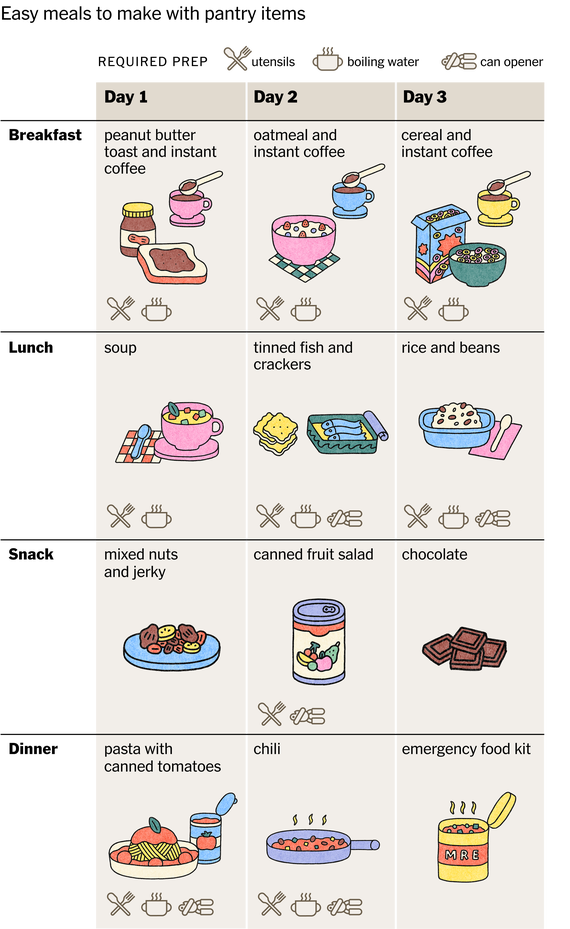
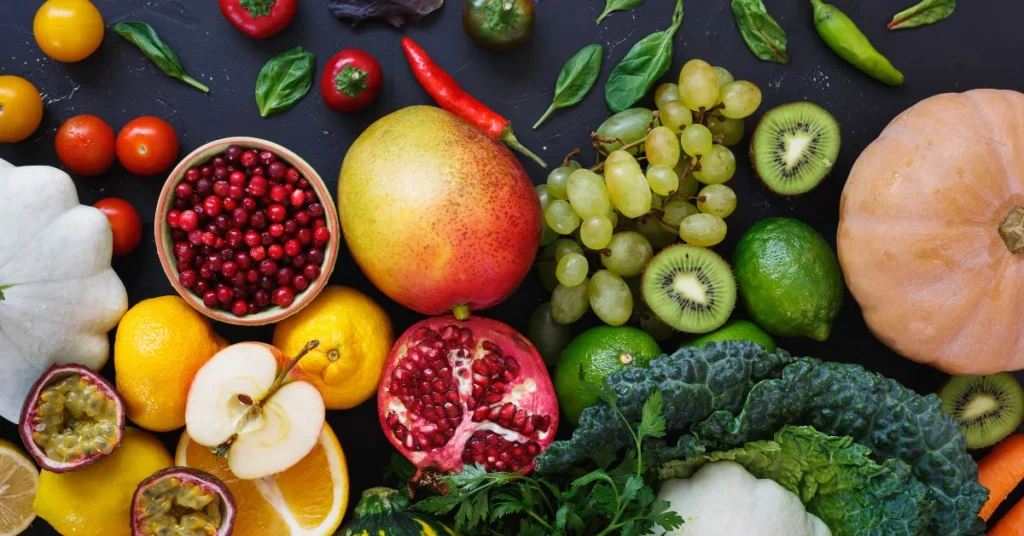
Canned vegetables and fruits keep well for years. They retain most of their vitamins and minerals. Choose low-sodium and no-sugar-added options for better health. These cans offer variety and comfort during tough times. Open a can to get quick, ready-to-eat servings.
Dry Grains And Legumes
Dry grains like rice, oats, and quinoa store easily and cook quickly. Legumes such as beans, lentils, and chickpeas provide protein and fiber. These foods are filling and versatile for many recipes. Store them in airtight containers to keep pests away. Rotate stocks regularly to maintain freshness.
Powdered And Shelf-stable Milk
Powdered and shelf-stable milk last longer than fresh milk. They are good sources of calcium and protein. Use them in cooking, baking, or as a drink. Keep these products sealed and dry for maximum shelf life. They are handy when refrigeration is not an option.
High-energy Foods
High-energy foods are vital for emergency food supplies. They provide calories and nutrients to keep energy levels steady. These foods are usually dense in calories and easy to store. They help maintain strength and focus during stressful times.
Choose foods that do not spoil quickly and require little preparation. Foods rich in healthy fats, protein, and carbohydrates work best. They keep you full and energized for longer periods. Here are some top options for high-energy emergency foods.
Nuts And Seeds
Nuts and seeds are excellent sources of healthy fats and protein. They are easy to store and last a long time without refrigeration. These foods provide essential nutrients like vitamin E, magnesium, and fiber. Examples include almonds, walnuts, sunflower seeds, and pumpkin seeds.
Carry them as a quick snack or add to meals for extra energy. Their small size makes them perfect for compact emergency kits.
Energy Bars And Trail Mix
Energy bars and trail mix combine nuts, seeds, dried fruits, and sometimes chocolate. They offer a balance of carbohydrates, protein, and fats. These bars are designed for quick energy and are easy to eat on the go.
Choose bars with natural ingredients and minimal added sugar. Trail mix can be customized to include favorite nuts and dried fruits. Both options are convenient, tasty, and calorie-dense.
Peanut Butter And Nut Butters
Peanut butter and other nut butters provide concentrated energy in a small package. They are rich in protein, healthy fats, and vitamins. These spreads do not require refrigeration after opening if stored properly.
They pair well with crackers, bread, or fruits. Nut butters are filling and help maintain strength during emergencies. Opt for natural varieties without added sugars or oils for better nutrition.
Protein Sources
Canned beans, nuts, and dried meat provide long-lasting protein for emergencies. These foods store well and offer essential nutrients to keep energy up. Choose items that require little or no cooking to stay prepared.
Protein is crucial for energy and muscle maintenance during emergencies. Stocking the right protein sources ensures your family stays nourished. Let’s explore some essential protein options for your emergency food supply.Canned Meats And Fish
Canned meats are convenient and have a long shelf life. Choose options like chicken, beef, and turkey. They provide essential nutrients and are easy to prepare. Canned fish, like tuna and salmon, are rich in omega-3 fatty acids. They are versatile and can be eaten straight from the can.Dried And Freeze-dried Proteins
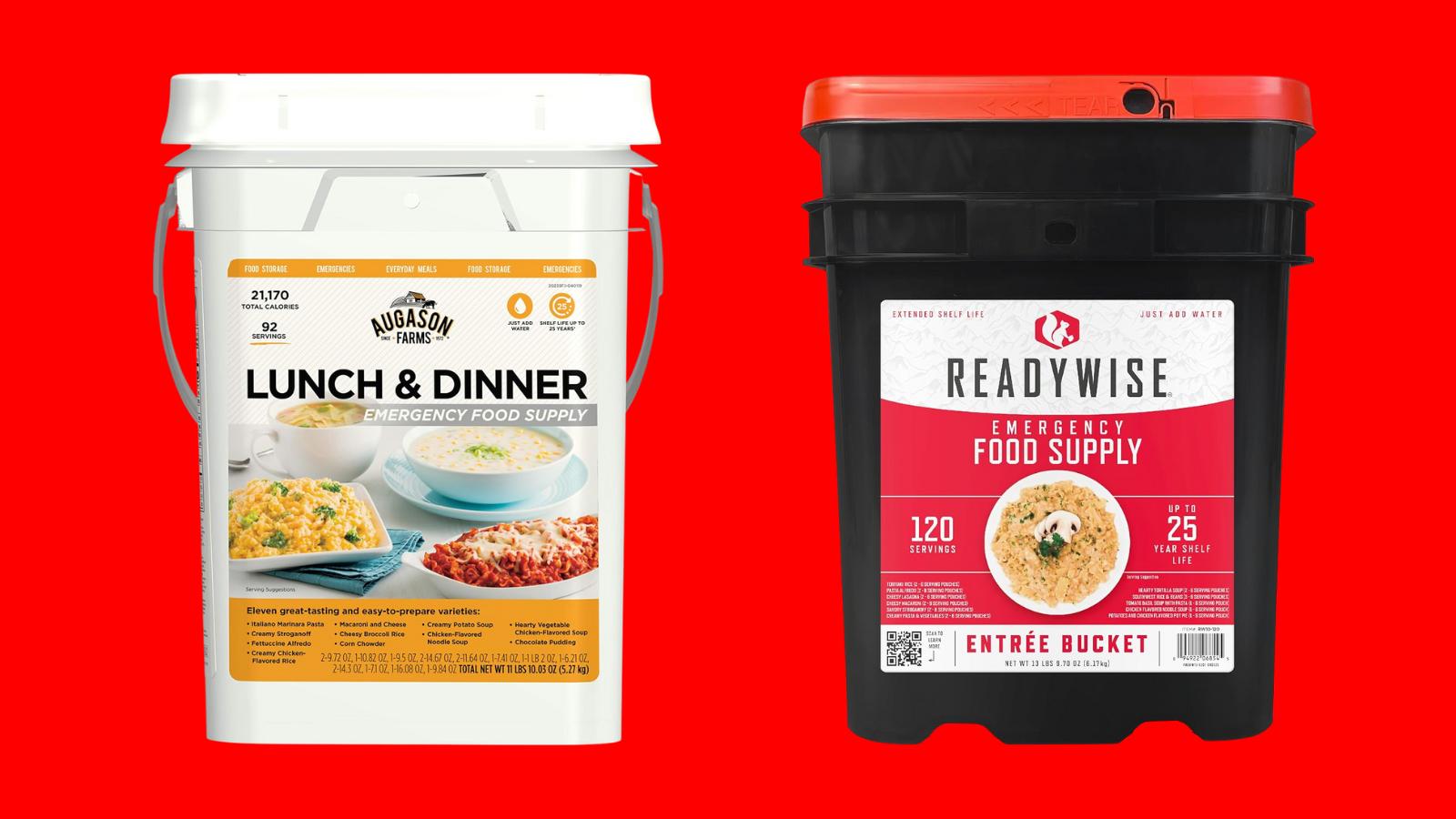
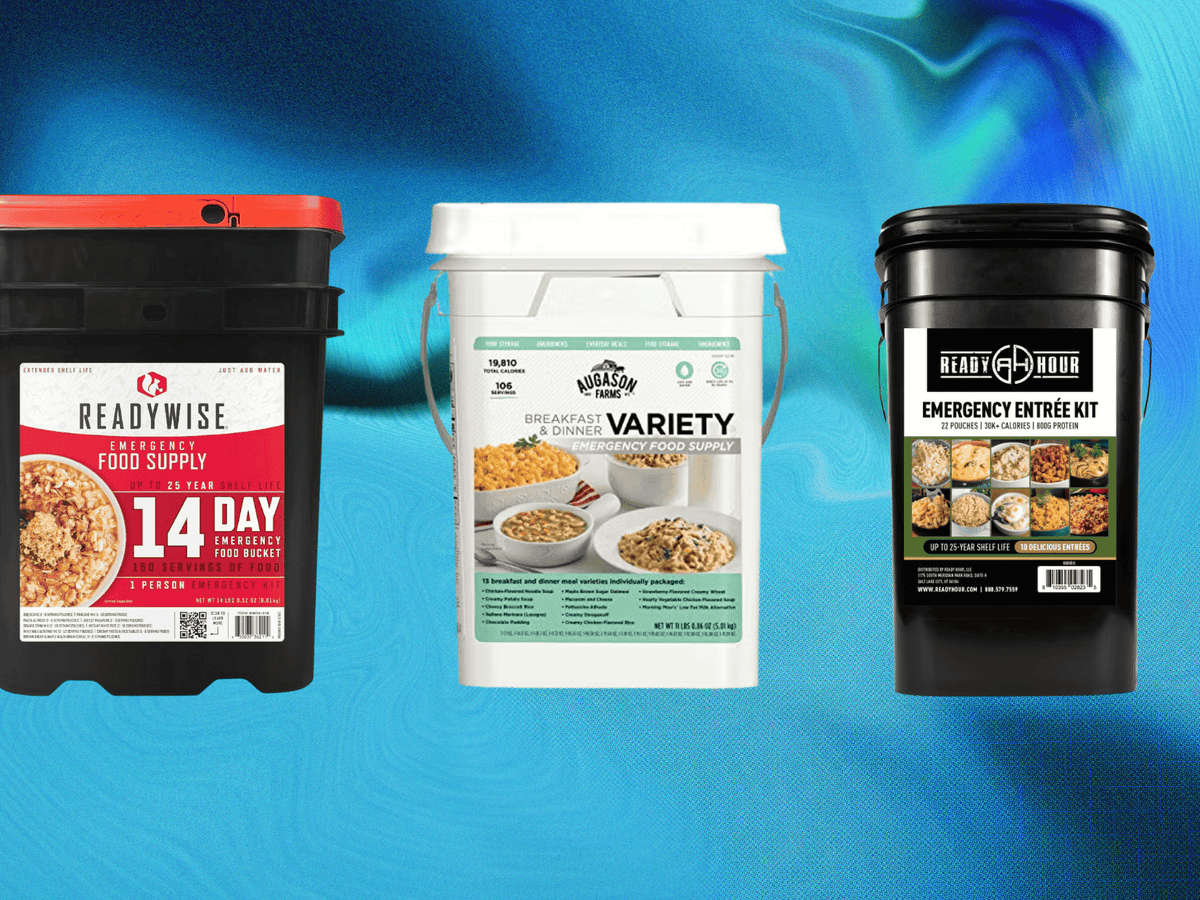
Dried meats, like jerky, are lightweight and portable. They offer a good protein boost and last long. Freeze-dried options, such as chicken and beef, retain nutrients and flavor. Just add water to rehydrate them for a quick meal.Plant-based Protein Options
Beans and lentils are excellent plant-based proteins. They are affordable and have a long shelf life. Quinoa and chia seeds are also great protein sources. They can be easily incorporated into meals for variety.
Credit: www.forbes.com
Comfort And Variety
Comfort and variety play a crucial role in your emergency food stockpile. When times are tough, familiar tastes can boost your morale and keep you motivated. Having different flavors and meal options prevents boredom and helps maintain a sense of normalcy.
Instant Soups And Noodles
Instant soups and noodles offer quick, warm meals that are easy to prepare with just hot water. They come in many flavors, from chicken to vegetable, allowing you to change things up daily. Keep a mix of both traditional and international flavors to satisfy different cravings.
These items are lightweight and often have a long shelf life, making them perfect for emergencies. Have you noticed how a simple bowl of hot soup can lift your spirits on a bad day? That same comfort applies during difficult times.
Spices And Seasonings
Spices and seasonings transform basic ingredients into meals you look forward to eating. Salt, pepper, garlic powder, and chili flakes are essentials that add flavor without taking up much space. Don’t forget to include dried herbs like oregano, basil, and thyme for variety.
Think about the last time you added a pinch of your favorite spice and instantly improved a dish. In an emergency, those small touches make a big difference. Why settle for bland meals when you can create something tasty?
Sweeteners And Baking Essentials
Sweeteners like sugar, honey, or powdered milk can help you prepare comforting drinks or simple desserts. Baking essentials such as flour, baking powder, and yeast let you make bread or pancakes, which can be a great morale booster. These ingredients offer versatility and a sense of routine during uncertain times.
Imagine waking up to the smell of homemade bread even when resources are limited. Wouldn’t that provide a little extra comfort and hope? Stocking these basics ensures you can still enjoy some of life’s simple pleasures.
Hydration Essentials
Staying hydrated is vital during emergencies. Water keeps your body working well. Without enough water, health issues can happen fast. Emergency food supplies must include hydration essentials to keep you safe and strong.
Bottled Water Storage
Store clean bottled water in a cool, dark place. Each person needs about one gallon daily for drinking and hygiene. Rotate water every six months to keep it fresh. Use sturdy containers with tight lids to avoid leaks and contamination.
Water Purification Methods
Carry water purification tools to ensure safe drinking water. Boiling water kills germs and is simple to do. Water purification tablets are lightweight and effective. Portable filters remove dirt and bacteria, making water safer to drink. Always have multiple purification options ready.
Electrolyte Packets And Drinks
Electrolytes help balance your body’s fluids and minerals. Include electrolyte packets or powders in your emergency kit. They mix easily with water and restore lost salts. Sports drinks can also provide electrolytes but check sugar content. Keep these supplies sealed and stored in a cool place.

Credit: www.hawaiianelectric.com
Storage And Rotation Tips
Storing emergency food properly keeps it fresh and safe for use. Rotating your stock ensures nothing expires unused. These tips help maintain a reliable food supply for any emergency.
Proper Food Storage Techniques
Store food in a cool, dry place to prevent spoilage. Use airtight containers to keep moisture and pests out. Keep food away from direct sunlight and heat sources. Label containers with the date of purchase for easy tracking.
Shelf Life And Expiration Dates
Know the shelf life of each food item. Dry goods like rice and beans last longer than canned foods. Always check expiration dates before storing new items. Prioritize using food closest to its expiration date first.
Regular Inventory Checks
Set a schedule to review your emergency food supplies. Remove any expired or damaged items immediately. Replace used items promptly to maintain a full stock. Keep a written or digital list of your inventory for easy management.
Special Dietary Needs
Special dietary needs require extra attention when stocking emergency food. You want to ensure everyone in your household has access to safe and nutritious options during a crisis. Tailoring your emergency supplies to meet these needs can prevent health issues and provide peace of mind.
Gluten-free Options
Gluten intolerance and celiac disease affect many people, so including gluten-free foods is essential. Look for items like rice, quinoa, gluten-free oats, and canned beans. Packaged gluten-free snacks such as rice cakes or nut bars can provide quick energy.
Check labels carefully to avoid hidden gluten sources. Gluten-free pasta and bread mixes with a long shelf life are also smart choices. Have you considered how many gluten-containing foods you currently rely on daily?
Allergy-friendly Foods
Food allergies can be life-threatening, making safe emergency foods critical. Identify common allergens in your household and avoid stocking those items. Instead, choose alternatives like soy or coconut-based products if dairy is off-limits.
Nut allergies require extra caution; opt for seeds like pumpkin or sunflower for healthy fats. It helps to label your emergency supplies clearly to prevent mix-ups. How often do you check your pantry for potential allergens?
Baby And Senior Nutrition
Babies and seniors have unique dietary needs that should not be overlooked. Stock formula, baby cereals, and pureed foods for infants. For seniors, include easy-to-chew options like canned fruits, soups, and fortified nutrition drinks.
Hydration is crucial, so pack electrolyte solutions suitable for all ages. Consider the medications and supplements your family members take and plan accordingly. Are your emergency foods suited to every stage of life in your home?

Credit: backpackerspantry.com
Frequently Asked Questions
What Are The Best Long-lasting Emergency Foods?
Canned beans, rice, pasta, and dried fruits last longest. They retain nutrients and stay edible for years when stored properly.
How Much Food Should I Stock Per Person?
Store at least a two-week supply per person. Plan for three meals daily, considering calorie needs and preferences.
Should I Include Non-perishable Snacks In Emergency Food?
Yes, include energy bars, nuts, and dried fruits. They provide quick calories and variety during emergencies.
How Do I Store Emergency Food Safely?
Keep food in a cool, dry, dark place. Use airtight containers to prevent moisture, pests, and spoilage.
Conclusion
Storing the right emergency food keeps you safe and prepared. Choose items with long shelf life and easy cooking. Include proteins, grains, fruits, and vegetables for balance. Don’t forget water and special dietary needs. Rotate your supplies regularly to avoid spoilage.
Simple planning makes a big difference in tough times. Stay ready, stay calm, and trust your preparation.