Imagine you’re flying miles above the ground, and suddenly, something goes wrong. Would you know if you’re required to have a survival kit on board?
Understanding when a survival kit is mandatory for aviation under FAA rules isn’t just about following regulations—it’s about protecting your life and the lives of everyone on your flight. You’ll discover exactly when a survival kit is needed, what it must include, and why being prepared can make all the difference in an emergency.
Keep reading to ensure you and your passengers are ready for anything that comes your way.

Credit: www.pilotmall.com
Faa Survival Kit Requirements
The FAA sets clear rules for survival kits in aviation. These kits are vital for pilot safety during emergencies. Knowing the FAA survival kit requirements ensures compliance and preparedness. Each flight type may demand different survival gear. Pilots must understand what to carry and when to carry it.
Regulations For Different Flight Types
FAA rules vary based on flight location and conditions. Flights over land have different kit needs than flights over water. Remote or wilderness flights often require more comprehensive survival equipment. Night flights or flights in harsh weather may also have stricter rules. The FAA adjusts requirements to match the risk level of each flight.
Minimum Kit Contents Mandated
The FAA specifies essential items for survival kits. Common items include:
- Water and food supplies
- First aid materials
- Signaling devices like flares or mirrors
- Fire-starting tools
- Basic shelter items such as blankets
- Navigation aids like compasses
These items help pilots survive until rescue arrives. The exact list depends on the flight’s nature and destination.
Exceptions And Special Cases
Some flights may be exempt from carrying full kits. Short-distance flights in safe areas might have relaxed rules. Aircraft equipped with other safety features may not need all items. Emergency services or military flights follow separate guidelines. Pilots should check specific FAA regulations for their flight type.
Credit: www.cfinotebook.net
Types Of Survival Kits
Knowing the types of survival kits can make a huge difference in how prepared you are during an aviation emergency. Each kit serves a specific purpose and matches different levels of risk and duration you might face in the wild. Understanding what each kit includes helps you decide what to pack based on your flight route and environment.
Basic Emergency Kits
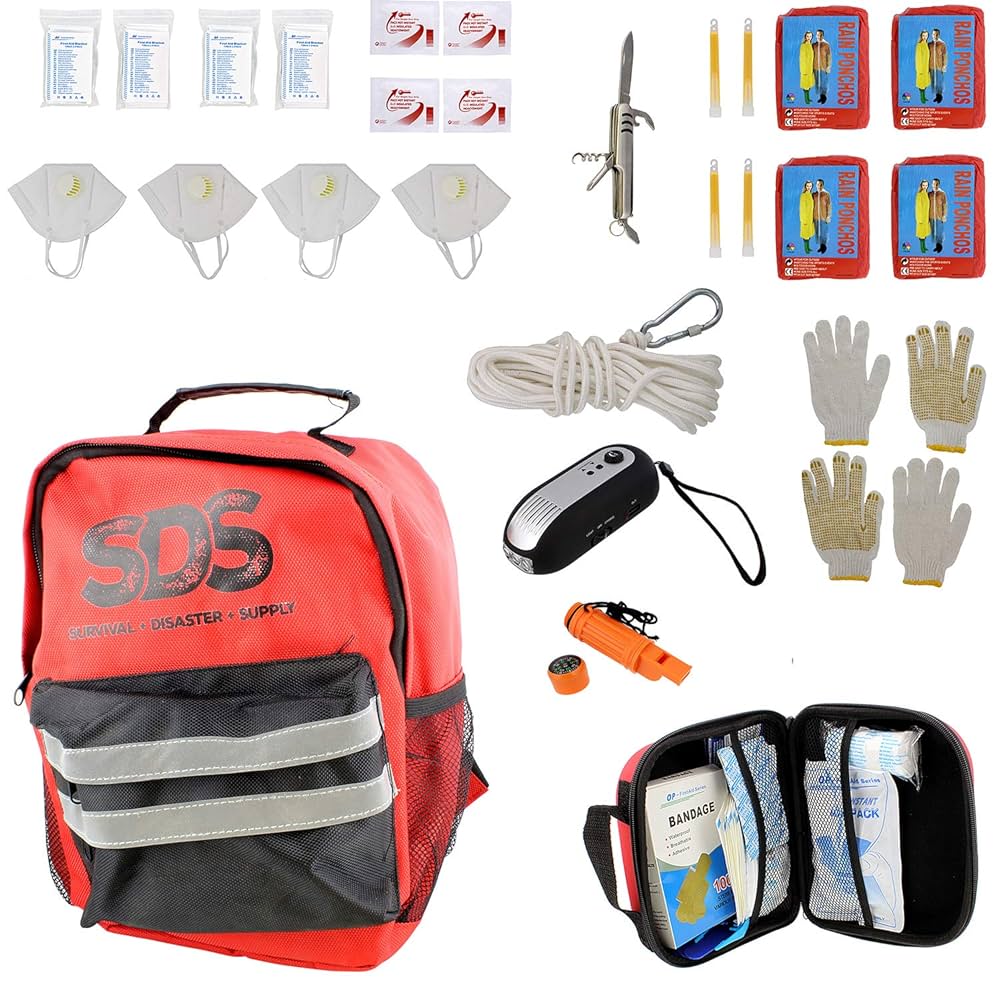
Basic emergency kits are designed for short-term survival situations. They usually contain essential items like a first aid kit, a whistle, a signal mirror, and a flashlight. These kits focus on immediate needs to help you stay safe until rescue arrives.
Think about a quick flight over familiar terrain. A basic kit might be enough to handle minor injuries or signal for help. But if your route takes you over remote areas, you may need more.
Advanced Survival Kits
Advanced survival kits are packed for longer stays and tougher conditions. Along with basic items, they often include tools like a multi-tool, fire starters, emergency blankets, and navigation aids. These kits prepare you to manage harsh weather, find shelter, and survive extended periods without outside help.
I once flew a cross-country route with only a basic kit. When unexpected weather delayed my rescue, I realized how valuable extra gear could be. Would you be ready if your delay turned into days?
Water And Food Supplies
Water and food are critical parts of any survival kit, especially in aviation where you may be stranded in remote areas. Kits often include water purification tablets, compact water containers, and high-energy food bars. These supplies help prevent dehydration and maintain your energy levels.
Carrying enough food and water can be a challenge, but even small additions make a big difference. Have you checked if your current kit includes these essentials? If not, you might want to rethink your preparation strategy.
Survival Kit Placement In Aircraft
Proper placement of a survival kit in an aircraft is crucial for safety and compliance with FAA regulations. The kit needs to be within reach during an emergency, yet secured enough to prevent shifting during flight. Thoughtful placement can make a real difference in an urgent situation where every second counts.
Accessible Locations
Survival kits should be placed where they can be quickly accessed by the pilot or passengers. Common spots include under pilot seats, within center consoles, or in easily reachable compartments. Avoid storing the kit in hard-to-open areas or places blocked by cargo or equipment.
Consider your own cockpit setup. Would you be able to grab the kit without fumbling? Try reaching for it during a routine check to see if it feels natural and fast.
Securing The Kit
Once you find the right spot, secure the survival kit firmly to prevent movement. Use straps, Velcro, or mounting brackets designed for aviation use. Loose kits can become dangerous projectiles during turbulence or sudden maneuvers.
Think about the last time you experienced turbulence. How did unsecured items behave? Keeping your survival kit in place ensures it stays intact and accessible when you need it most.
Inspection And Maintenance
Regularly inspect the kit’s placement to ensure it remains secure and accessible. Check the condition of straps or mounts for wear and tear. Also, make sure the kit contents are complete and not expired.
Setting a reminder every few months to inspect your survival kit can prevent surprises. How often do you check your emergency gear? Making it a habit keeps you prepared and confident during your flights.

Credit: www.aircraftspruce.com
Survival Kit Use Scenarios
A survival kit is more than just a box of supplies; it’s your lifeline in unexpected aviation emergencies. Knowing when and why to carry one can make a crucial difference between a manageable situation and a disaster. Let’s look at key scenarios where having a survival kit is not just recommended but essential.
Forced Landings
Imagine your engine fails and you have to land outside a designated airport. A survival kit becomes your immediate support system.
It provides essential tools like a first aid kit, signaling devices, and basic food and water supplies. These items help you stay safe and increase your chances of being found quickly.
Have you ever thought about what you would do if you were stranded with no help for hours or even days?
Remote Area Operations
Flying over remote wilderness or vast bodies of water means help isn’t just minutes away—it could be hours or days.
A survival kit tailored to the environment you’re flying in can include thermal blankets, water purification tablets, and fire-starting tools. These supplies help you handle harsh weather and maintain hydration.
Are you prepared to survive if you must wait for rescue in an isolated location?
Extended Search And Rescue
Sometimes rescue teams can’t reach you immediately due to weather or terrain challenges. In these situations, your survival kit keeps you ready for extended waits.
Items like extra food rations, navigation aids, and communication devices become critical. They not only support your survival but also help you signal rescuers effectively.
Do you know which survival kit items could keep your spirits and chances alive during a prolonged rescue operation?
Pilot Responsibilities
Pilot responsibilities extend far beyond flying the aircraft safely from point A to point B. Ensuring that a survival kit is on board and ready for use is a critical part of your duty. You are the last line of defense in an emergency, and your actions can make the difference between life and death.
Pre-flight Checks
Before you take off, it’s essential to verify that the survival kit meets FAA requirements and is complete. Check the expiration dates on items like water packets and first aid supplies. Confirm that the kit is securely stowed in an accessible location.
Think about how often you double-check your instruments but might overlook the survival kit. Could a quick glance at the kit save you hours or even days in a survival situation?
Training For Survival Kit Use
Knowing what’s inside the kit isn’t enough—you must be trained to use each item effectively. Practice assembling and using the tools and supplies under different conditions. Training builds confidence, so you don’t waste precious time fumbling during an emergency.
Consider this: if you had to use a signaling mirror or a fire starter in a stressful situation, would you remember the proper technique? Training ensures you do.
Reporting And Documentation
After a flight, especially one involving an incident or emergency, you need to document the status of the survival kit. Report any missing or damaged items immediately. Keeping accurate records helps maintain safety standards for future flights.
Have you ever thought about how a small oversight in documentation could lead to serious consequences? Your attention to detail here supports not just your safety, but the safety of others who may use the aircraft after you.
Upgrading Survival Kits
Upgrading survival kits is essential to meet changing aviation safety needs. FAA regulations often evolve, requiring pilots and operators to adapt their kits. Modern survival kits must combine reliability with the latest advancements. Regular improvements help ensure safety in unexpected situations during flights.
Incorporating New Technologies
New tools improve survival chances after an emergency. GPS devices help rescuers find downed aircraft faster. Emergency beacons send distress signals with precise locations. Lightweight, compact gear saves space and weight in the aircraft. Solar-powered chargers keep communication devices active without batteries. Including these technologies modernizes the survival kit effectively.
Customizing For Flight Routes
Survival kits should match the flight path’s environment. Flights over water require flotation devices and water purification tools. Mountain flights need cold-weather gear and signaling mirrors. Desert routes call for extra water and sun protection. Tailoring kits to the route prepares crews for specific risks. This approach improves safety and response after emergencies.
Regular Updates And Replacements
Survival kit items have expiration dates and wear out over time. Food, water, and medical supplies must be fresh and safe to use. Batteries lose power and need replacing regularly. Regular checks keep kits ready for any emergency. Updating kits also means removing outdated or damaged items. Consistent maintenance ensures the kit’s effectiveness in real situations.
Frequently Asked Questions
When Does Faa Require A Survival Kit On Aircraft?
FAA mandates a survival kit on aircraft flying beyond 50 miles from the nearest airport. This ensures pilot safety during emergencies in remote areas. The kit must contain essential survival tools suitable for the environment, increasing chances of rescue and survival.
What Items Are Mandatory In An Aviation Survival Kit?
Aviation survival kits must include water, food rations, first aid supplies, signaling devices, and shelter materials. These items help pilots survive until rescue arrives. The FAA specifies kit contents based on flight route and environmental conditions to maximize safety.
How Does A Survival Kit Improve Emergency Preparedness?
A survival kit provides essential tools and supplies for pilots during unexpected landings or crashes. It supports basic needs like hydration, warmth, and signaling for help. Carrying a kit enhances safety and meets FAA regulatory requirements for certain flight operations.
Are Survival Kits Required For All Types Of Flights?
No, FAA survival kit requirements depend on flight distance and location. Kits are mandatory for flights over water or remote areas beyond 50 miles. Short domestic flights typically do not require survival kits unless specified by regulations.
Conclusion
Aviation safety depends on having a survival kit. It’s essential for emergencies. Flying over remote areas increases the need. Kits should meet FAA regulations. They ensure readiness for unexpected situations. Essential items include food, water, and first aid. Tools and signaling devices are also crucial.
Pilots must check kits before flights. Regular updates keep kits effective. Understanding FAA rules helps maintain compliance. Preparedness can save lives during aviation emergencies. Always prioritize safety in the air. Stay informed and ready for anything.