When will survival kit become your most trusted companion? Imagine facing an unexpected situation—power outage, natural disaster, or even a sudden trip into the wild.
Your safety and comfort depend on being prepared. But how do you know when it’s the right time to have a survival kit ready? This article will help you understand the key moments and signs that tell you it’s time to take action.
Keep reading to discover how you can protect yourself and your loved ones with the perfect survival kit, exactly when you need it most.
Critical Moments For Survival Kits
Knowing when to rely on a survival kit can make all the difference. Survival kits are not just about being prepared—they are about acting swiftly during critical moments that demand quick thinking and essential supplies. Identifying these moments helps you decide what to pack and when to have your kit ready.
Natural Disasters
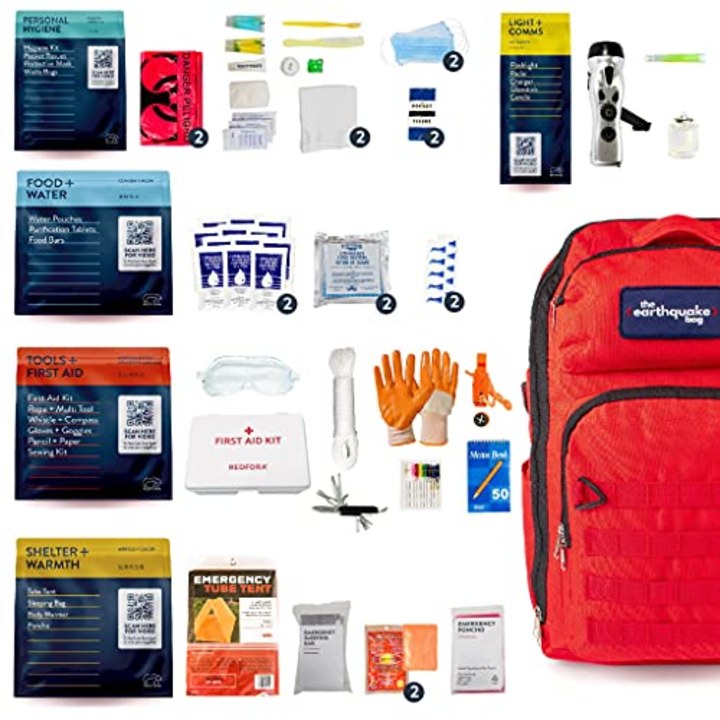
Natural disasters strike without warning and often leave you stranded without access to basic needs. Earthquakes, hurricanes, floods, and wildfires can disrupt power, water, and communication. Having a survival kit packed with water, non-perishable food, first aid, and a flashlight can keep you safe and calm until help arrives.
Ask yourself: do you know the types of disasters common in your area? Tailor your kit accordingly. For example, in flood-prone areas, waterproof containers and a whistle for signaling can be lifesavers.
Outdoor Adventures
Heading into the wilderness or going on a camping trip means you’re often far from immediate assistance. Even a short hike can turn risky if you get lost or injured. A survival kit with navigation tools, a fire starter, and basic medical supplies is essential for these trips.
I once underestimated the importance of a compass during a solo hike. Getting disoriented taught me that technology can fail, but a simple compass and map saved me. What small tools do you trust to keep you on track?
Unexpected Emergencies
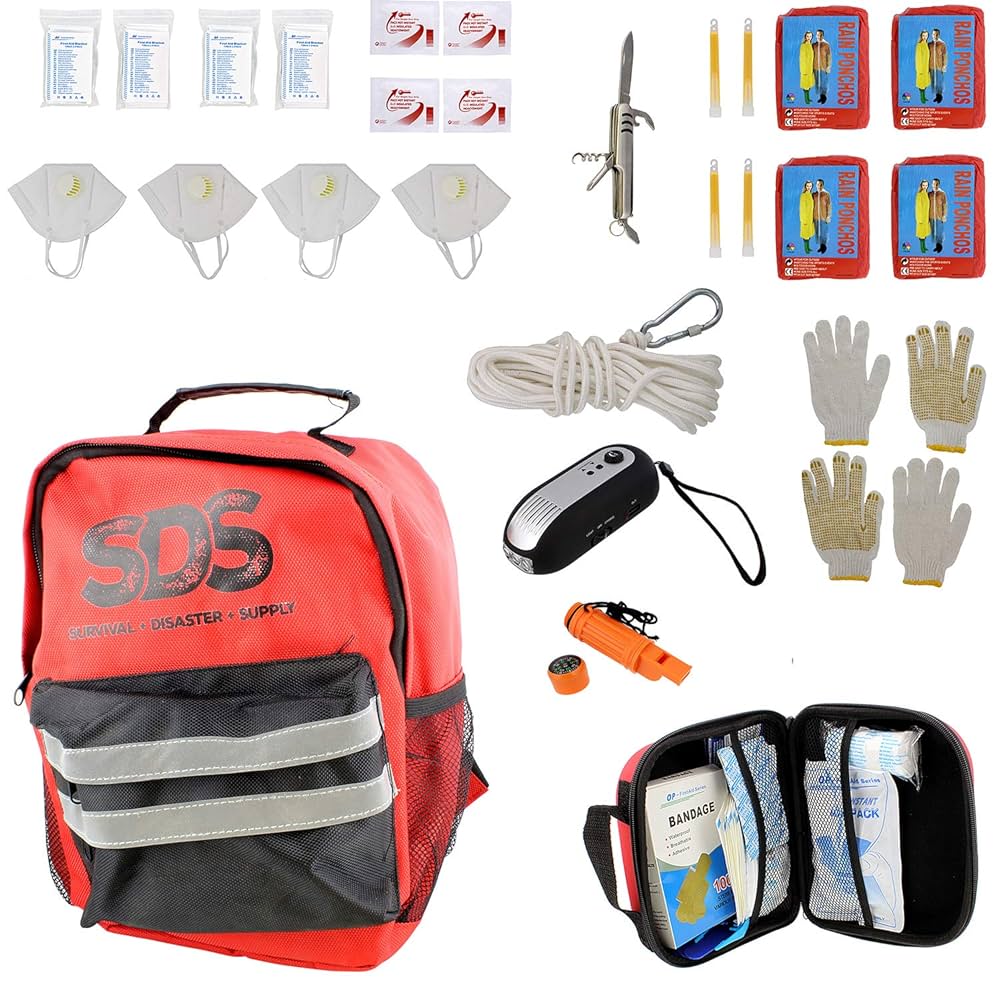
Emergencies don’t always follow a schedule—they can happen anytime, anywhere. Car breakdowns in remote areas or sudden power outages at home are perfect examples. Your survival kit should include items like a multi-tool, emergency blanket, and portable phone charger to handle these surprises.
Have you thought about what you would need if you had to leave your home quickly or wait hours for help? Preparing your kit with versatile tools ensures you’re ready for the unknown.
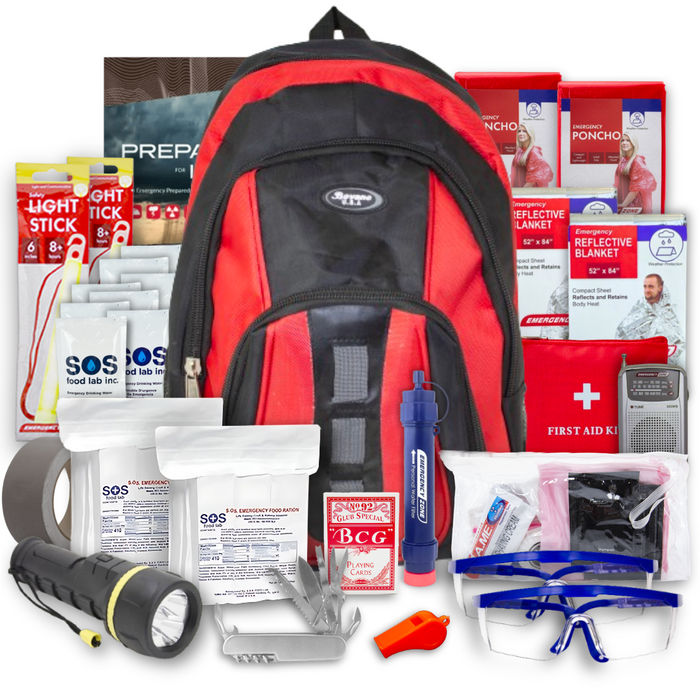
Credit: www.emergencyzone.com
Choosing The Right Survival Kit
Choosing the right survival kit is key for safety and preparedness. The right kit fits your needs and environment. Not all kits are the same. Some are simple, while others serve specific purposes. Knowing what to include helps you stay ready in emergencies.
Basic Vs. Specialized Kits
Basic kits cover general survival needs. They include food, water, and first aid. Specialized kits focus on unique situations. Examples are kits for hiking, camping, or natural disasters. Pick a kit that matches your daily activities or travel plans.
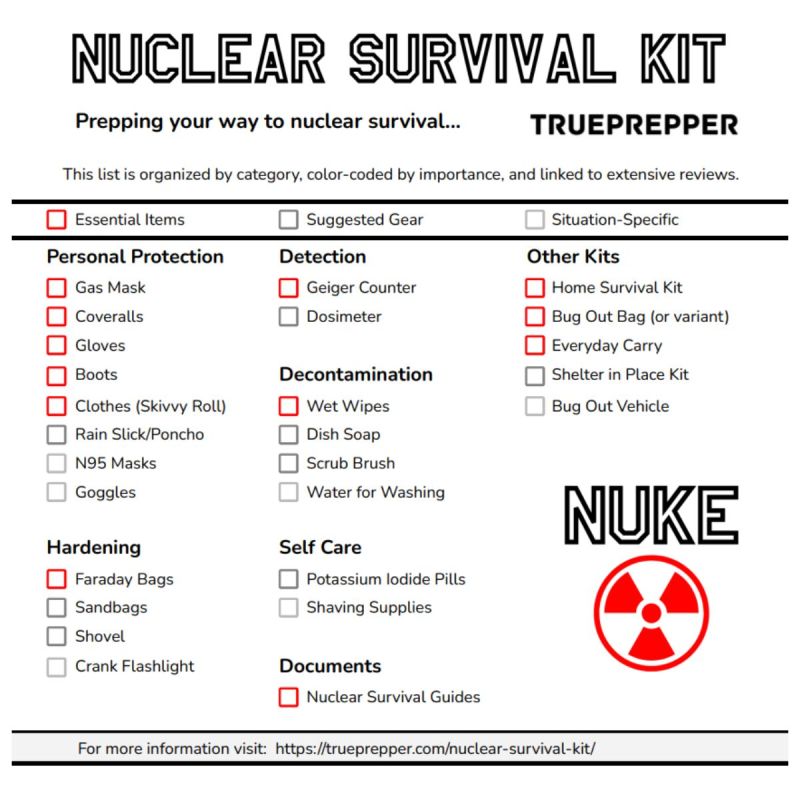
Essential Items To Include
- Water purification tools
- Non-perishable food
- First aid supplies
- Fire-starting gear
- Multi-tool or knife
- Flashlight and extra batteries
- Emergency blanket
- Whistle for signaling
- Maps and compass
These basics cover most survival needs. They help you stay safe and find help.
Customization Tips
Adjust your kit based on your location and skills. Add items for climate, like sunscreen or insect repellent. Include personal medications and important documents. Keep the kit light but complete. Check and update it regularly for expired items.
Timing Your Use
Knowing exactly when to use your survival kit can make all the difference in an emergency. Timing is not just about reacting to a crisis but also about anticipating and preparing before things escalate. Understanding the right moments to rely on your kit keeps you ahead of danger and boosts your confidence in handling tough situations.
Early Warning Signs
Pay attention to subtle changes in your environment or body that signal trouble ahead. These signs might include unusual weather shifts, increasing tension in a crowd, or feeling unwell during a hike. Acting on these early warnings by grabbing your survival kit can prevent small problems from becoming major emergencies.
Have you ever ignored a gut feeling only to regret it later? Trusting those early signals gives you a valuable head start. A quick check of your kit at this stage ensures everything you need is ready and accessible.
Immediate Action Scenarios
Some situations demand instant use of your survival kit without hesitation. Whether it’s a sudden injury, a lost trail, or a natural disaster striking, your kit becomes your lifeline. Knowing what to pull out first—like first aid supplies or navigation tools—can save precious time.
Think about the last time you had to act fast. Did you scramble to find what you needed, or was it all within easy reach? Preparing your kit for quick access can reduce panic and improve your response during these critical moments.
Long-term Survival Situations
When you find yourself in a prolonged survival scenario, your kit’s role shifts from emergency fixes to ongoing support. Rationing food, maintaining shelter, and securing clean water become daily tasks. Your survival kit must have durable, reusable, or multi-purpose items to sustain you over time.
Have you considered how your kit would hold up if you had to use it for days or weeks? Planning for long-term use means including tools that help you adapt, repair, and stay healthy. This mindset changes how you pack and prioritize your gear.

Credit: www.youtube.com
Maintenance And Readiness
Keeping your survival kit ready is vital for emergencies. Regular maintenance ensures all items work well and stay useful. Checking the kit often helps avoid surprises during a crisis.
Regular Checks
Inspect your survival kit every few months. Look for broken or damaged items. Make sure everything is clean and dry. Check batteries in flashlights and radios. Confirm that tools like knives and multi-tools are sharp and functional.
Replacing Expired Supplies
Food and medicine expire quickly. Mark expiration dates and replace items before they go bad. Water bottles should be swapped every six months. First aid supplies like bandages and antiseptics lose effectiveness over time. Keep a list of items to track replacements easily.
Storage Best Practices
Store your survival kit in a cool, dry place. Avoid direct sunlight and moisture to prevent damage. Use sealed containers or bags to protect supplies from dust and pests. Keep the kit accessible but safe from children or pets. Label the container clearly for quick identification.
Real-life Stories
Real-life stories show the true value of survival kits. They reveal how simple tools and supplies can save lives in tough situations. These accounts help understand the importance of being prepared. They also teach what to avoid and how to improve survival chances.
Survival Kit Successes
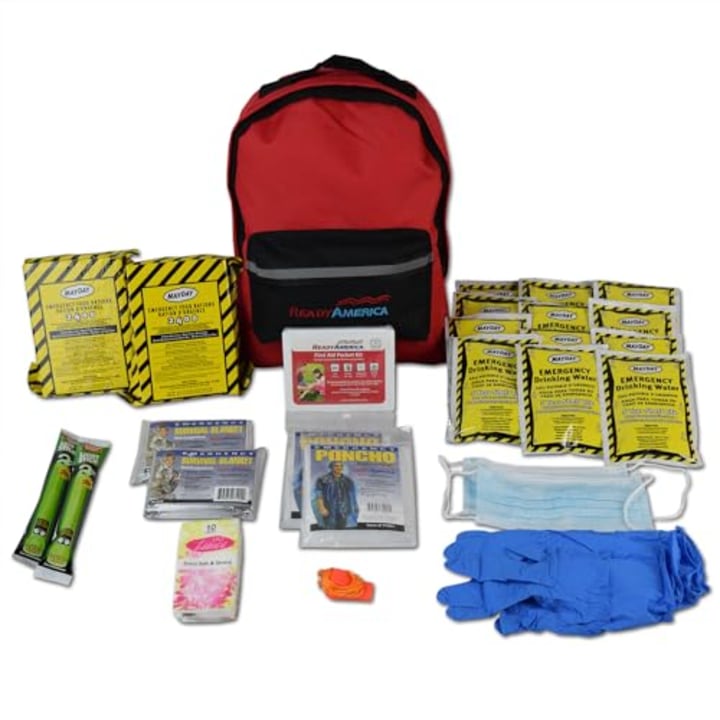
Many stories tell of people who stayed safe thanks to their kits. A hiker lost in the woods used a whistle and a mirror to signal rescuers. Another family survived a storm with food, water, and first aid from their kit. These kits often contain small, useful items that make a big difference.
- Emergency food and water
- First aid supplies
- Fire starters and shelter tools
- Communication devices like whistles
Such items helped people find help or stay healthy until rescue arrived.
Lessons From Failures
Stories of survival kit failures teach important lessons. Some people had kits but forgot to check or update them. Others lacked key items like water or proper clothing. These mistakes made their situations worse.
- Check kit items regularly
- Replace expired food and batteries
- Customize kits for specific environments
- Learn basic survival skills to use kit items well
Failing to prepare fully can lead to serious problems. Learning from these stories helps improve survival kit use and readiness.
Credit: www.nbcnews.com
Frequently Asked Questions
What Is A Survival Kit Used For?
A survival kit is essential for emergencies or unexpected situations. It provides necessary tools and supplies for basic survival. Items usually include food, water, first aid, and tools. Having a survival kit ensures you’re prepared for natural disasters or outdoor adventures.
When Should You Update A Survival Kit?
It’s crucial to update your survival kit every six months. Check expiration dates and replace expired items. Regular updates ensure your kit remains effective in emergencies. Always adapt your kit to seasonal changes and personal needs.
How To Choose The Best Survival Kit?
Choose a survival kit based on your specific needs and environment. Consider the number of people it will serve and duration. Look for kits with quality items like food, water purification, and first aid supplies. Research and reviews can guide your decision.
What Essential Items Are In A Survival Kit?
A basic survival kit should include food, water, first aid, and tools. Other essentials are a flashlight, batteries, matches, and a whistle. Customize your kit with items like a multi-tool or thermal blanket for added preparedness.
Conclusion
Survival kits matter when emergencies strike without warning. Knowing what to include saves time and stress. Prepare your kit before disaster happens. Keep it simple, useful, and ready to go. Check your supplies regularly to stay updated. Everyone can benefit from a well-packed survival kit.
Stay safe, stay ready, and trust your preparation.