Imagine finding yourself in a tough situation where every decision matters. You might think food and water are the most important items to pack in your survival kit, but have you ever stopped to consider the power of extra clothes?
Your clothes can be more than just a way to stay comfortable—they can protect you from harsh weather, help regulate your body temperature, and even boost your chances of staying safe. If you want to be truly prepared, understanding why extra clothes belong in your survival kit is a game-changer.
Keep reading, because what you learn here could make all the difference when it matters most.
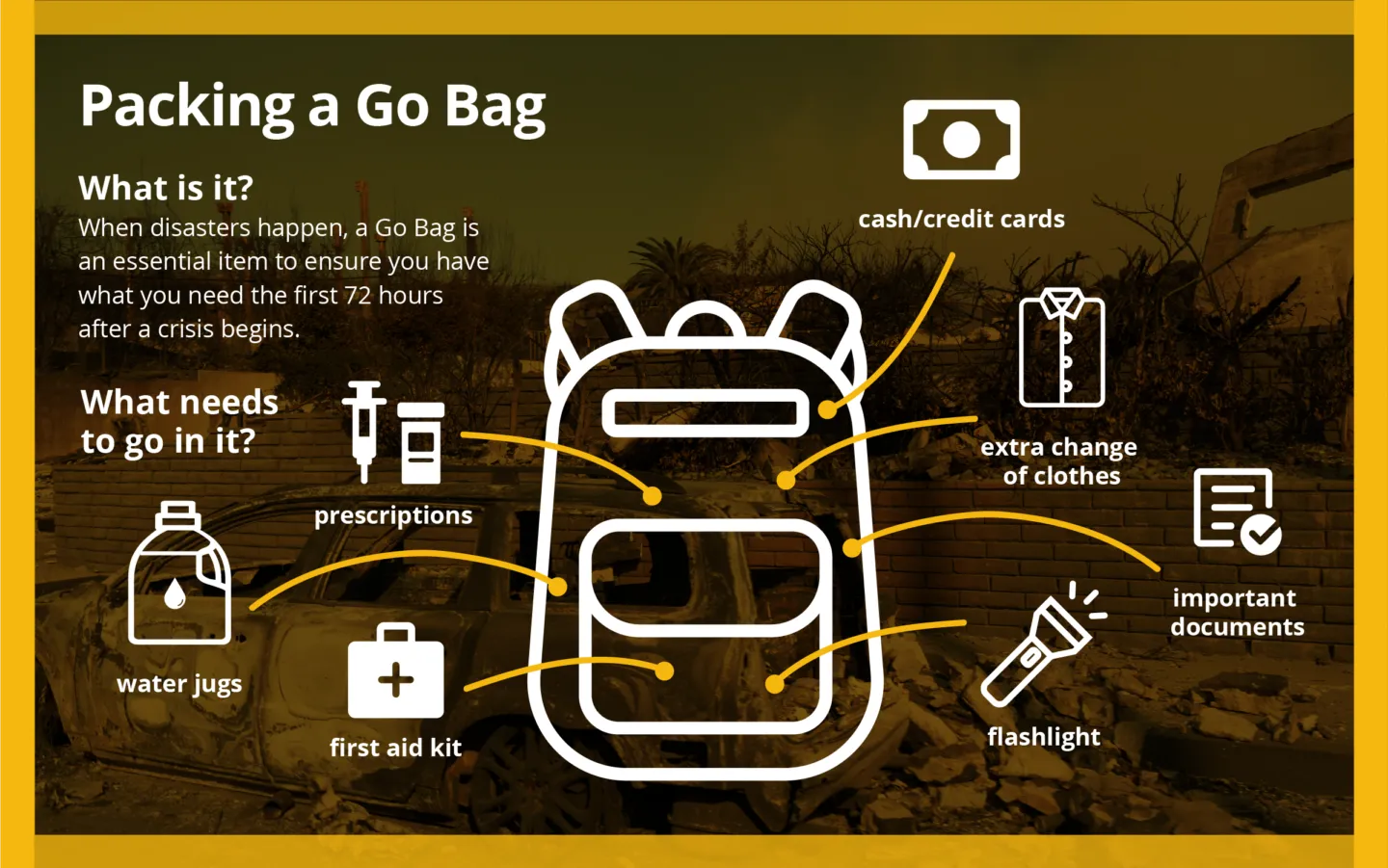
Credit: www.nbcnews.com
Importance Of Clothing In Survival Kits
Clothing plays a vital role in any survival kit. It protects the body from harsh weather and injuries. Extra clothes help maintain body temperature and keep you dry. This can prevent serious health issues like hypothermia or heat stroke. Having the right clothes can boost comfort and morale during tough times.
Protection Against Weather Conditions
Extra clothes shield you from rain, wind, and cold. Wet or torn clothes can cause illness. Layering clothes allows you to adjust to temperature changes. This keeps your body warm and dry, which is crucial for survival.
Maintaining Hygiene And Preventing Skin Problems
Changing into clean clothes reduces the risk of infections. Dirt and sweat can irritate the skin and cause rashes. Fresh clothes keep you comfortable and help avoid skin diseases. This is important when access to water is limited.
Improving Comfort And Psychological Well-being
Wearing dry, clean clothes improves mood and energy. Feeling comfortable can increase your chances of staying calm and focused. This helps you make better decisions in survival situations. Extra clothes provide a small sense of normalcy.
Versatility For Different Survival Needs
- Use clothes for shelter or insulation
- Wrap wounds or create slings
- Signal for help with bright fabric
- Protect hands and feet from rough terrain
Extra clothing items serve multiple survival purposes beyond just wearing.
Weather Protection
Extra clothes in a survival kit protect against changing weather conditions. Weather can shift quickly and unexpectedly. Having the right clothing helps maintain body temperature and comfort. Protection from cold, heat, rain, and moisture is critical to survival and health.
Dealing With Cold
Cold weather can cause hypothermia and frostbite. Layered clothing traps heat close to the body. Wool and synthetic fabrics keep warmth even when wet. Extra clothes allow changing into dry layers to stay warm. Hats, gloves, and scarves protect extremities where heat loss is fastest.
Handling Heat
Heat exhaustion and dehydration risk increase in hot weather. Lightweight, loose-fitting clothes allow air circulation. Light colors reflect sunlight and reduce heat absorption. Extra clothes provide options to stay cool and dry. Changing sweaty clothes helps prevent skin irritation and rashes.
Rain And Moisture Defense
Wet clothes lower body temperature quickly. Waterproof or water-resistant outer layers block rain. Packing extra clothes means dry options after getting wet. Quick-dry fabrics dry faster and reduce chill risk. Keeping skin dry helps avoid infections and discomfort in survival situations.
Layering Strategy
The layering strategy is essential for survival situations because it helps you manage body temperature efficiently. Wearing extra clothes in layers allows you to adapt to changing weather and activity levels. It gives you control over warmth and moisture, which are critical for staying safe and comfortable.
Base Layers
Your base layer touches your skin, so it should wick sweat away quickly to keep you dry. Materials like merino wool or synthetic fibers are perfect because they don’t trap moisture. Imagine hiking on a chilly morning—if your base layer holds sweat, you’ll soon feel cold and uncomfortable.
Insulating Layers
The insulating layer traps your body heat to keep you warm. Fleece or down jackets work well here because they create air pockets that hold warmth. You can add or remove this layer depending on how cold it is, giving you flexibility throughout the day.
Outer Shells
The outer shell protects you from wind, rain, and snow. Look for waterproof and breathable fabrics like Gore-Tex to stay dry without overheating. Think about a sudden rainstorm—without a good outer shell, all your warmth can vanish quickly.

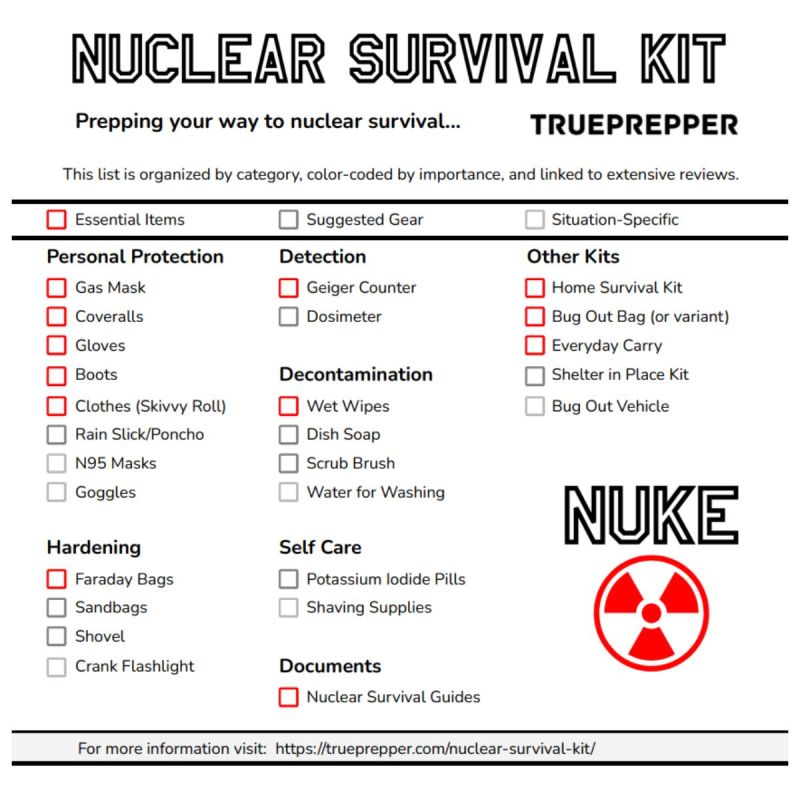
Credit: trueprepper.com
Material Choices
Choosing the right materials for extra clothes in your survival kit can make a huge difference when you face unexpected situations. The fabric you pick affects warmth, comfort, and durability. Let’s break down some common materials to help you decide what works best for your needs.
Synthetic Fabrics
Synthetic fabrics like polyester and nylon are popular in survival kits. They dry quickly and keep you warm even when wet. I once got caught in a sudden rainstorm, and my synthetic jacket kept me comfortable while others shivered in cotton.
These fabrics are lightweight and resist wear and tear, making them ideal for rough conditions. However, they can trap odors if worn for long periods, so consider layering or bringing multiple pieces.
Natural Fibers
Natural fibers such as wool and cotton have their place in survival gear. Wool is excellent for insulation and remains warm when damp, but it can be heavy and slow to dry. Cotton, on the other hand, is breathable but loses insulation when wet, which can be dangerous.
Think about the environment you’ll be in: wool suits cold, wet conditions, while cotton might work better in dry climates. Have you tested how your clothes perform in different weather? Understanding this can save you from discomfort or worse.
Waterproof And Breathable Options
Waterproof and breathable fabrics like Gore-Tex are game changers for survival situations. They protect you from rain and snow while letting sweat escape, preventing chills from damp clothing inside. Investing in a lightweight shell with these features can keep you dry without overheating.
Look for layers that combine waterproofing with breathability to maintain comfort over long periods. Could your survival kit benefit from a versatile jacket that adapts to changing weather? It’s a smart choice for unpredictable conditions.
Multi-purpose Clothing
Extra clothes in your survival kit aren’t just about having backups. Multi-purpose clothing serves several roles, saving space and adding versatility. When every ounce counts, choosing items that can do more than one job is smart and practical.
Convertible Pants And Jackets
Imagine hiking in hot weather, then facing a sudden drop in temperature. Convertible pants that zip off into shorts let you adjust without carrying extra gear. Jackets with removable liners or sleeves adapt to changing conditions, so you stay comfortable and protected.
These pieces save room and weight in your pack. They also reduce the number of items you need to manage, which can be a lifesaver when you’re focused on survival tasks.
Scarves And Bandanas
Scarves and bandanas might seem simple, but their uses are endless. You can use them as sun protection, a dust mask, a tourniquet, or even a makeshift water filter. Their lightweight and compact nature makes them essential in any survival kit.
Think about the last time you needed something quick to cover a wound or shield your face from wind. Having a bandana ready can mean the difference between discomfort and safety.
Packing Smart
Packing smart means making every inch and ounce count when you add extra clothes to your survival kit. You want to be prepared without overloading yourself or your pack. It’s a balancing act between having enough layers for warmth and protection, and keeping your kit manageable for quick movement.
Space-saving Techniques
Bulky clothes can quickly fill up your bag, leaving little room for other essentials. Rolling your clothes tightly instead of folding can save significant space and reduce wrinkles. Using compression bags or packing cubes helps squeeze air out and keeps items organized.
Think about multi-purpose clothing too. A jacket that doubles as a raincoat or pants that convert to shorts can reduce the number of items you carry. Have you tried stuffing socks inside shoes or using every nook inside your pack? These small tricks add up to more space for other survival gear.
Weight Considerations
Every extra piece of clothing adds weight, which can slow you down and tire you out faster. Choose lightweight fabrics that offer warmth without bulk, like merino wool or synthetic blends. Avoid cotton, as it holds moisture and becomes heavy.
Layering is key: instead of one thick item, pack several thin layers that you can add or remove as needed. This approach keeps your kit lighter and more flexible. Ask yourself, would you rather carry an extra 2 pounds or risk being cold and wet in an emergency?
Footwear Essentials
Footwear plays a crucial role in any survival kit. Good shoes protect your feet from injuries and harsh environments. They help you move faster and safer across rough terrain. Wearing the right footwear can prevent blisters, infections, and fatigue. Choosing the right shoes and socks ensures comfort during long hours outdoors.
Boots Vs. Sneakers
Boots offer better ankle support and protection. They keep dirt, rocks, and water out. Boots are ideal for tough, uneven surfaces. They also provide more durability and grip.
Sneakers are lighter and more flexible. They work well for short distances on flat ground. Sneakers dry faster but offer less protection. They can wear out quickly in rough conditions.
Pick boots for hiking, climbing, or wet areas. Choose sneakers for light, casual travel.
Sock Selection
Socks protect your feet from friction and moisture. Wool socks keep feet warm and dry. Synthetic socks dry quickly and reduce blisters. Avoid cotton socks because they trap moisture.
- Use thick socks for cold weather.
- Wear thin socks for hot climates.
- Bring extra pairs to change often.
Good socks improve comfort and prevent foot problems. Always pack socks that fit well and match your footwear.
Headgear And Accessories
Headgear and accessories are vital parts of any survival kit. They protect sensitive body parts from harsh weather and environmental dangers. Proper headgear and hand coverings can maintain body heat and prevent injuries. These small items often make a big difference in comfort and safety during survival situations.
Hats And Caps
Hats and caps protect your head from sun, rain, and cold. A wide-brimmed hat shields your face and neck from sunburn. A warm cap keeps your head insulated in cold weather. Choose hats made from quick-dry and breathable materials. They should be lightweight and easy to pack. A hat can also keep insects and debris away from your face. Having more than one type of headgear ensures readiness for changing conditions.
Gloves And Mittens
Gloves and mittens protect your hands from cold, cuts, and scrapes. Mittens keep fingers together, preserving more warmth. Gloves offer better dexterity for tasks requiring precision. Look for durable, water-resistant gloves for wet or rough environments. Thin liner gloves fit well under thicker gloves for extra warmth. Having extra pairs helps if one gets wet or damaged. Protecting your hands keeps you functional and safe in survival scenarios.
Credit: www.nbcnews.com
Frequently Asked Questions
Why Are Extra Clothes Essential In A Survival Kit?
Extra clothes help regulate body temperature and protect against weather changes. They keep you dry, warm, and prevent hypothermia in emergencies. Having backups ensures comfort and safety when original clothing gets wet or damaged.
How Do Extra Clothes Improve Survival Chances?
Extra clothes maintain body heat and prevent exposure to cold or rain. They reduce the risk of illness and increase endurance. Proper clothing can be lifesaving in harsh environments or prolonged outdoor situations.
What Types Of Extra Clothes Should Be Included?
Include moisture-wicking layers, insulation pieces, and waterproof outerwear. Choose lightweight, durable, and quick-drying fabrics. Consider hats, gloves, and socks to protect extremities from cold and injury.
Can Extra Clothes Protect From Environmental Hazards?
Yes, extra clothes shield skin from sunburn, insect bites, and abrasions. Layers can prevent cuts and bruises during movement. They also act as a barrier against dirt, allergens, and harmful plants.
Conclusion
Extra clothes in a survival kit protect you from cold and wet weather. They help keep your body warm and dry, which prevents sickness. Changing into dry clothes boosts comfort and morale during tough times. Clothes also provide layers for warmth and shield against insects or rough terrain.
Carrying spare clothes is a smart choice for any emergency. It prepares you better for unexpected situations in the wild. Never underestimate the value of extra clothing in survival. Stay ready, stay safe.