Imagine facing an unexpected situation where help is far away, and every second counts. What would you do?
Having a survival kit can make all the difference between staying safe and facing serious danger. You might think it’s something only adventurers need, but the truth is, you need one too. This small collection of tools and supplies is designed to protect you when the unexpected happens.
Keep reading to discover why your survival kit is not just a good idea—but a must-have for your safety and peace of mind.
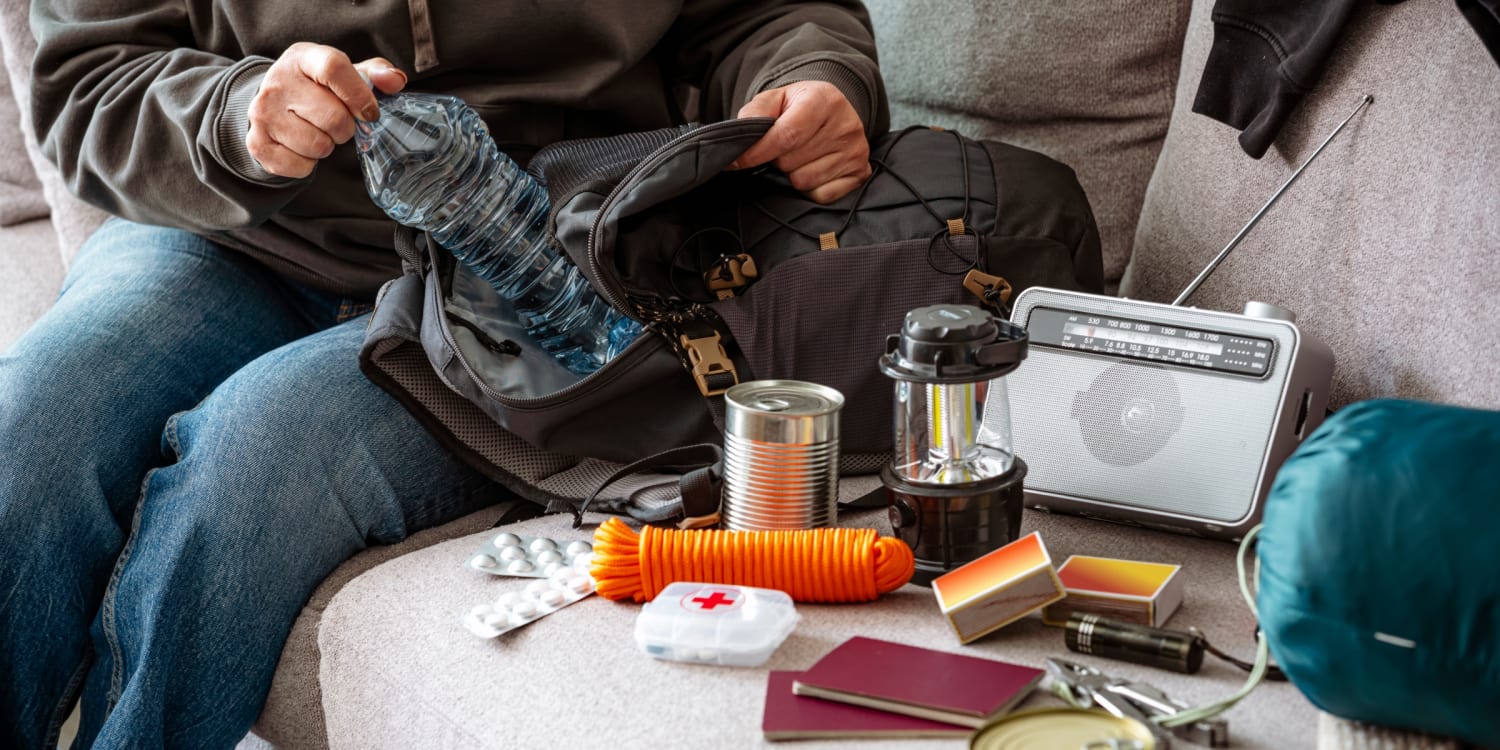
Credit: www.nbcnews.com
Importance Of A Survival Kit
Having a survival kit is more than just a precaution—it’s a necessity that can make the difference between safety and danger. Emergencies happen without warning, and being prepared means you can respond quickly and confidently. Your survival kit is your personal lifeline when things go wrong.
Essential For Immediate Response
When disaster strikes, every second counts. A survival kit gives you quick access to essential tools and supplies, helping you handle the situation effectively. You won’t waste time searching for items, which can reduce panic and improve your chances of staying safe.
Supports Basic Needs
Your survival kit ensures you have the basics covered—water, food, first aid, and shelter. Imagine being stranded without clean water or a way to treat minor injuries. Having these items ready protects your health and keeps you going until help arrives or you reach safety.
Boosts Confidence And Reduces Stress
Knowing you have a survival kit can calm your mind during a crisis. When you’re prepared, you feel more in control, which lowers stress and helps you think clearly. This mental edge is crucial when facing unexpected challenges.
Customizable To Your Needs
You can tailor your survival kit to fit your environment and lifestyle. Living in a cold climate? Add thermal blankets and hand warmers. If you have kids, include child-specific items like snacks or comfort toys. This personal touch ensures your kit is truly useful for you.
Encourages Ongoing Preparedness
Keeping a survival kit encourages you to stay alert and ready for emergencies. It’s a constant reminder to review your plans and update supplies regularly. How often do you check your kit to make sure everything works and nothing is expired?
Components Of A Basic Survival Kit
Knowing what to pack in your survival kit can make all the difference when an emergency strikes. A well-prepared kit doesn’t have to be bulky, but it must cover the essentials that keep you alive and safe. Let’s look closely at the key components you need to focus on to build a basic survival kit that works.
Food And Water Supplies
Your body needs fuel and hydration to function, especially under stress. Pack non-perishable, high-energy foods like granola bars, nuts, and dried fruits. Don’t forget water—carry at least one liter per person, plus a portable water filter or purification tablets to ensure safe drinking water.
Think about the last time you felt really hungry or thirsty during a trip—how did it affect your focus and energy? That’s why having reliable food and water supplies is not optional; it’s essential.
First Aid Essentials
Injuries can happen anytime, and being prepared can prevent a small cut from turning into a serious problem. Your kit should include adhesive bandages, antiseptic wipes, pain relievers, tweezers, and any personal medications you need.
Adding a compact first aid manual can help you treat injuries correctly. Have you ever tried to manage a wound without knowing the proper steps? It’s frustrating and risky, so don’t leave this part out.
Tools And Equipment
Basic tools like a sturdy knife, multi-tool, flashlight with extra batteries, and waterproof matches or a lighter are vital. These items help you build shelter, signal for help, and perform simple repairs.
Consider how a small knife once helped me open a can and cut rope during a sudden camping emergency. That one tool saved me time and hassle, proving its worth in a real situation.
Shelter And Warmth
Protection from the elements can be lifesaving. Include a lightweight emergency blanket, a compact tarp, and some paracord in your kit. These items allow you to create a quick shelter and retain body heat when needed.
Ask yourself: How long could you stay safe without warmth if the temperature dropped unexpectedly? Having these shelter tools ready can make the difference between discomfort and danger.
Choosing The Right Survival Kit
Choosing the right survival kit is more than just picking a box off the shelf. It’s about matching your kit to your unique needs and the environments you expect to face. The decision you make now can directly impact your safety and comfort during an emergency.
Pre-made Vs. Custom Kits
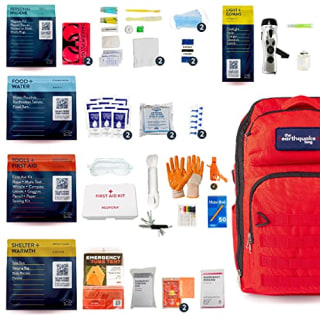
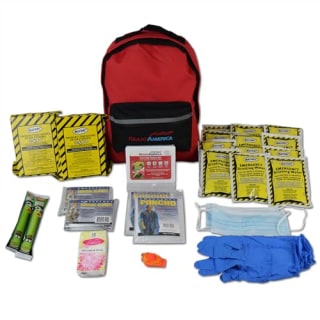
Pre-made kits offer convenience and a quick solution. They often include basic essentials like first aid supplies, water purification tablets, and emergency food. These kits are handy if you want something ready to go without much thought.
Custom kits, however, give you control over what you carry. You can add tools and supplies that suit your skills and the specific risks you face. For example, if you live in a cold climate, you might add extra thermal blankets or fire starters that work well in wet conditions.
Think about your comfort level with assembling gear. Are you willing to spend time learning and selecting items? Or do you prefer the simplicity of a pre-made kit? Your choice should reflect how prepared you want to be and how much effort you can invest.
Considerations For Different Environments
Where you plan to use your survival kit matters a lot. Urban settings require different tools than wilderness areas. In a city, you might prioritize items like a multi-tool, flashlight, and a small first aid kit for common injuries.
In the wilderness, your kit should focus on shelter, water, and fire-starting gear. Think about the climate too—hot deserts need sun protection and hydration aids, while snowy regions require insulation and cold-weather survival items.
Ask yourself: What dangers are most likely in my area? What resources can I easily find, and what will I need to carry with me? Tailoring your kit to your environment increases your chances of staying safe and comfortable.
Credit: www.nbcnews.com
How To Maintain Your Survival Kit
Maintaining your survival kit keeps it ready for emergencies. A well-kept kit increases your chances of staying safe. Neglect can lead to expired supplies or broken tools. Regular care ensures every item works when needed.
Regular Inventory Checks
Check your survival kit every few months. Count all items to confirm nothing is missing. Look for signs of damage or wear. Make a checklist to track your inventory easily. Keep the list updated and accessible.
Updating And Replacing Items
Replace expired food and medicines immediately. Swap out batteries and check electronic devices. Update gear based on new needs or conditions. Add new tools that improve your kit’s usefulness. Remove items that no longer serve a purpose.
Situations Requiring A Survival Kit
Knowing when a survival kit becomes essential can make all the difference between staying safe and facing unnecessary risks. You never know when circumstances might suddenly turn against you. Being prepared means you have a better chance to handle whatever comes your way calmly and effectively.
Natural Disasters
Earthquakes, hurricanes, floods, and wildfires can strike without much warning. Power outages and road blockages often follow, making everyday items hard to find. Having a survival kit ready ensures you have essentials like water, food, and first aid supplies immediately available.
Imagine waking up to a sudden storm that knocks out your electricity and water supply. Would you be able to manage until help arrives? Your survival kit could be your lifeline in such situations.
Outdoor Adventures
Hiking, camping, or fishing trips expose you to unpredictable environments. Weather changes, injuries, or getting lost are real risks. Carrying a survival kit with tools like a flashlight, emergency blanket, and a whistle can help you stay safe and signal for help.
Think about the last time you were outdoors. Did you have everything you needed to handle an emergency? A well-packed kit can prevent an enjoyable day from turning into a dangerous ordeal.
Unexpected Emergencies
Car breakdowns, sudden illness, or getting stranded in unfamiliar places can happen anytime. These moments test your readiness and calmness. A survival kit stocked with basic medical items, water, and snacks can keep you comfortable and safe while you wait for assistance.
Have you ever found yourself stuck without essential supplies? Being prepared means you won’t have to rely solely on luck or help arriving quickly.

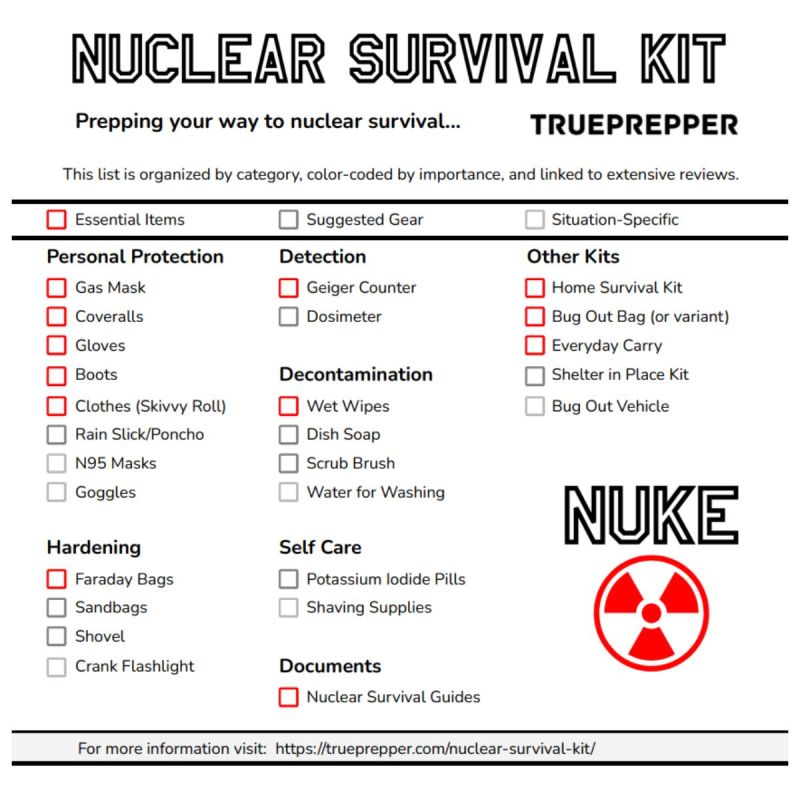
Credit: trueprepper.com
Tips For Building A Personal Survival Kit
Building a personal survival kit requires thoughtful planning and attention to your unique situation. You want a kit that truly supports your needs without being bulky or overwhelming. The following tips help you create a kit that fits your lifestyle, budget, and environment.
Assessing Personal Needs
Start by thinking about where you live and what emergencies are most likely. Do you face frequent storms, power outages, or outdoor adventures? Knowing this helps you prioritize items that will be most useful.
Consider any medical conditions or allergies you have. Including necessary medications and supplies can make a huge difference during a crisis. Also, think about the people who depend on you—kids, pets, or elderly family members—and what they might need.
Ask yourself: What tools or supplies would keep me safe and comfortable if help took a while to arrive? This mindset keeps your kit practical and focused.
Budget-friendly Options
You don’t need to spend a fortune to build a reliable survival kit. Many essential items are affordable and can even be found around your home. For instance, a sturdy flashlight can be replaced with a headlamp you already own.
Buying items in small, gradual steps can prevent the kit from becoming a financial burden. Prioritize essentials first, like water purification tablets or a basic first aid kit.
- Look for multipurpose tools, such as a Swiss army knife, to save space and money.
- Check dollar stores or discount outlets for non-perishable food and batteries.
- Reuse containers and bags to organize your items without extra cost.
Have you considered how small changes in your kit could stretch your budget further while still keeping you prepared?
Frequently Asked Questions
What Is The Main Purpose Of A Survival Kit?
A survival kit provides essential tools and supplies for emergencies. It helps you stay safe, hydrated, and nourished during disasters or unexpected situations.
How Does A Survival Kit Improve Emergency Preparedness?
A survival kit ensures you have critical items ready. It reduces panic and increases your ability to manage emergencies effectively and independently.
What Basic Items Should A Survival Kit Include?
Essential items include water, food, first aid, a flashlight, and a multi-tool. These cover your immediate needs in most survival scenarios.
Can A Survival Kit Save Lives In Natural Disasters?
Yes, survival kits provide vital resources that support survival until help arrives. They are crucial during events like earthquakes, floods, and storms.
Conclusion
A survival kit can save your life in tough situations. It keeps essential tools and supplies ready to use. Being prepared reduces stress and helps you act fast. You never know when an emergency might happen. Having a kit means you can stay safe and comfortable.
It’s a small step that makes a big difference. Stay ready, stay safe.