Imagine finding yourself in an emergency situation where every second counts. What’s the one thing you hope to have with you right away?
Water. You might not realize it, but water is the most crucial item in any survival kit. Without it, your chances of staying alert, healthy, and alive drop fast. You’ll discover exactly why water deserves a prime spot in your survival gear—and how it can make all the difference when you need it most.
Keep reading to learn how to prepare your kit the smart way.
Water’s Role In Survival
Water is the cornerstone of survival. Without it, your body cannot perform even the most basic functions. Keeping water in your survival kit is not just smart—it’s essential for staying alive and maintaining your strength in any emergency.
Hydration And Body Function
Your body is made up of about 60% water. This liquid is crucial for regulating temperature, transporting nutrients, and removing waste.
Think about how you feel after a long day without drinking enough water—tired, dizzy, or even confused. That’s your body struggling to keep up without hydration.
Carrying water helps you avoid these issues, so you stay alert and physically capable when you need it most.
Preventing Dehydration
Dehydration can sneak up on you faster than you expect, especially in harsh conditions.
Symptoms like headache, dry mouth, and weakness can quickly turn into serious problems such as heat stroke or kidney failure.
Having water on hand lets you prevent these dangers before they start, keeping you safe and functional.
Supporting Vital Organs
Your heart, brain, and kidneys all rely on water to work properly.
Without enough water, your organs struggle to maintain blood flow, filter toxins, and regulate body processes.
Imagine trying to run a car with dirty oil—your engine will fail. That’s what happens to your organs without water.
Keeping water available supports these vital parts of your body, helping you survive longer and recover faster.
Water For Food Preparation
Water is a vital part of any survival kit, especially for food preparation. It supports various cooking needs and helps make meals edible and safe. Without water, many survival foods become difficult or impossible to eat. Having clean water in your kit ensures you can prepare your food properly in tough situations.
Cooking And Rehydrating Meals
Many survival foods come in dried or freeze-dried forms. Water is needed to rehydrate these meals, turning them back into soft and edible food. Boiling water also helps cook ingredients thoroughly, killing harmful bacteria or germs. This process makes meals safer and easier to digest.
Maintaining Nutrient Intake
Proper food preparation with water helps keep nutrients intact. Rehydrated meals provide essential vitamins and minerals your body needs to stay strong. Drinking water with meals also aids digestion and helps your body absorb nutrients better. Staying nourished is key to surviving tough conditions.
Water For Hygiene
Water plays a vital role in maintaining hygiene during survival situations. It helps prevent infections and keeps your body clean. Having water in a survival kit ensures you can manage basic hygiene needs even in tough conditions.
Cleaning Wounds
Cleaning wounds with water lowers infection risks. Use clean or purified water to rinse dirt and debris. Avoid using dirty water as it can worsen the wound. Properly cleaned wounds heal faster and reduce the chance of illness.
Personal Sanitation
Water is essential for personal hygiene. It helps wash hands, face, and body to remove germs. Keeping clean prevents sickness and keeps morale high. Even small amounts of water can improve comfort and health during survival.

Credit: limatangosurvival.com
Water Purification Methods
Water purification is vital for survival. Drinking unsafe water can cause illness. Clean water keeps you healthy and hydrated. A survival kit should include ways to purify water. Different methods work best in different situations. Knowing these methods helps you stay safe outdoors.
Portable Filters
Portable filters remove dirt, bacteria, and some viruses from water. They are small and easy to carry. Many use a pump or squeeze system. Filters work fast and provide clear water. They do not need fuel or chemicals. Replace the filter cartridge after heavy use. Ideal for hiking, camping, or emergency kits.
Chemical Treatments
Chemical treatments kill germs and viruses in water. Common options include iodine and chlorine tablets. Drop tablets into water and wait 30 minutes. They are lightweight and compact. Taste may change after treatment. Useful when carrying bulky equipment is not possible. Always follow instructions on the package.
Boiling Techniques
Boiling water kills almost all harmful organisms. Bring water to a rolling boil for at least one minute. At higher altitudes, boil for three minutes. Boiling is simple and effective but needs a heat source. Use a metal container or pot for boiling. Let water cool before drinking. Boiling does not remove chemicals or dirt.
Storage And Transportation
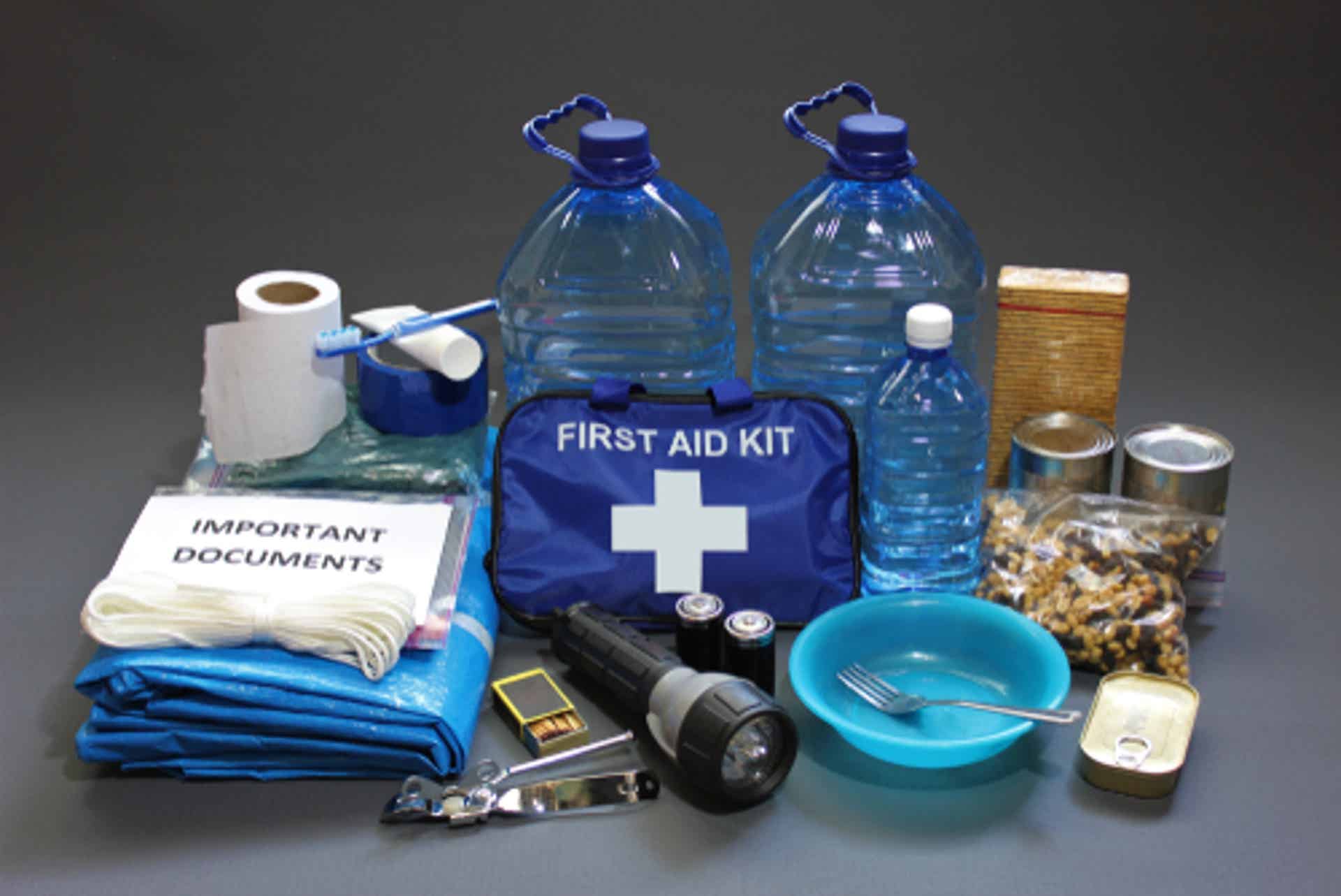
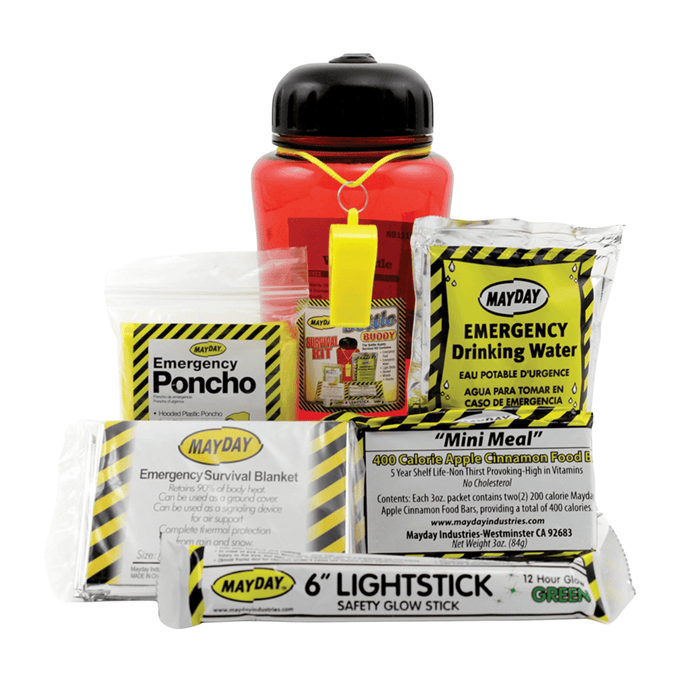
Storing and transporting water in a survival kit is more than just grabbing any bottle and filling it up. The right container and storage method can make the difference between having clean, accessible water and facing contamination or leaks. Your choices here directly impact the safety and convenience of your survival supplies.
Choosing Containers
Not all containers are created equal when it comes to storing water. Look for bottles made of food-grade materials like BPA-free plastic or stainless steel. These keep water safe and prevent harmful chemicals from leaching in.
Consider the size and weight of the container. Smaller bottles are easier to carry and fit into your pack, but larger containers can hold more water for longer emergencies. Think about how much water you can realistically carry with you.
Containers with secure, leak-proof lids are essential. You don’t want to open your pack and find everything soaked because of a loose cap. Some bottles even have built-in filters, which can be a game changer if you find yourself needing to refill from uncertain sources.
Safe Storage Practices
Water can become unsafe if stored improperly. Store your containers in a cool, dark place to prevent algae or bacteria growth. Avoid direct sunlight, which can degrade plastic and promote contamination.
Label your water containers with the date you filled them. Water stored too long can develop a stale taste or worse, harbor bacteria. Rotate your water supplies regularly to keep them fresh.
Always keep your water containers sealed until you need them. Exposure to air and dirt can introduce germs. If you have to refill from a natural source, use purification tablets or filters before storing the water again.
Have you checked your water containers lately? You might be surprised how often leaks or contamination issues go unnoticed until it’s too late.
Credit: www.safetykitsplus.com
Emergency Situations And Water Needs
Water is a critical resource in any survival kit, especially during emergencies where access to clean drinking water may be compromised. Understanding why water is essential in different emergency situations can help you prepare better and increase your chances of staying safe and healthy. How much water you carry and how you store it can make a huge difference when you face unexpected challenges.
Natural Disasters
Natural disasters like hurricanes, earthquakes, and floods often disrupt water supply systems. You might find yourself without tap water for days or even weeks. Having water in your survival kit ensures you stay hydrated and avoid dehydration, which can quickly weaken your body and mind.
Think about the last time you experienced a power outage or a severe storm. Did you have enough water on hand? Many people underestimate how fast water runs out in such situations. Carrying at least one gallon of water per person per day is a smart rule to follow.
Stranded Scenarios
Imagine being stranded in the wilderness or stuck in a vehicle during a long trip. Water becomes your lifeline when help is not immediately available. Without it, your body can start to fail in just a few days.
Carrying water or having a way to purify natural water sources can keep you alive longer. You never know when a simple hike or drive can turn into an unexpected survival challenge. Are you prepared to find and treat water if your supply runs out?
Long-term Survival
In situations where you might have to survive for an extended period, like during a societal collapse or prolonged evacuation, water needs change. You’ll need more than just a few bottles; you require a reliable water source or filtration system.
Storing water is important, but so is planning for how to replenish it. Learning how to collect rainwater, find natural springs, or use portable filters can keep you hydrated when stored water runs dry. What strategies do you have in place for long-term water access?

Credit: www.amazon.ca
Frequently Asked Questions
Why Is Water Essential In A Survival Kit?
Water is crucial for maintaining hydration, which is vital for survival. It helps regulate body temperature, supports digestion, and prevents dehydration. In emergencies, access to clean water may be limited, making it essential to include a reliable water source in your survival kit.
How Much Water Should Be In A Survival Kit?
It’s recommended to have at least one gallon of water per person per day. This amount ensures adequate hydration and covers basic needs like cooking and sanitation. Planning for a minimum of three days is advised, considering potential delays in emergency response times.
Can Bottled Water Expire In A Survival Kit?
Bottled water doesn’t spoil but has a shelf life due to packaging. Over time, plastic can leach into the water, affecting taste. Store water in a cool, dark place and replace it periodically to ensure freshness and safety in your survival kit.
What Are Alternatives To Bottled Water In A Kit?
Water purification tablets and portable filters are excellent alternatives. These options can purify water from natural sources, ensuring it’s safe to drink. They are lightweight, compact, and effective in removing harmful bacteria and protozoa, making them ideal for survival kits.
Conclusion
Water keeps you alive in emergencies. It stops dehydration and helps your body work well. Carrying water in your survival kit means you stay strong and clear-headed. Always prepare for the unexpected. A small amount of water can make a big difference.
Don’t forget to include clean, safe water in your kit. It’s one of the most important items you can carry. Stay ready. Stay safe.