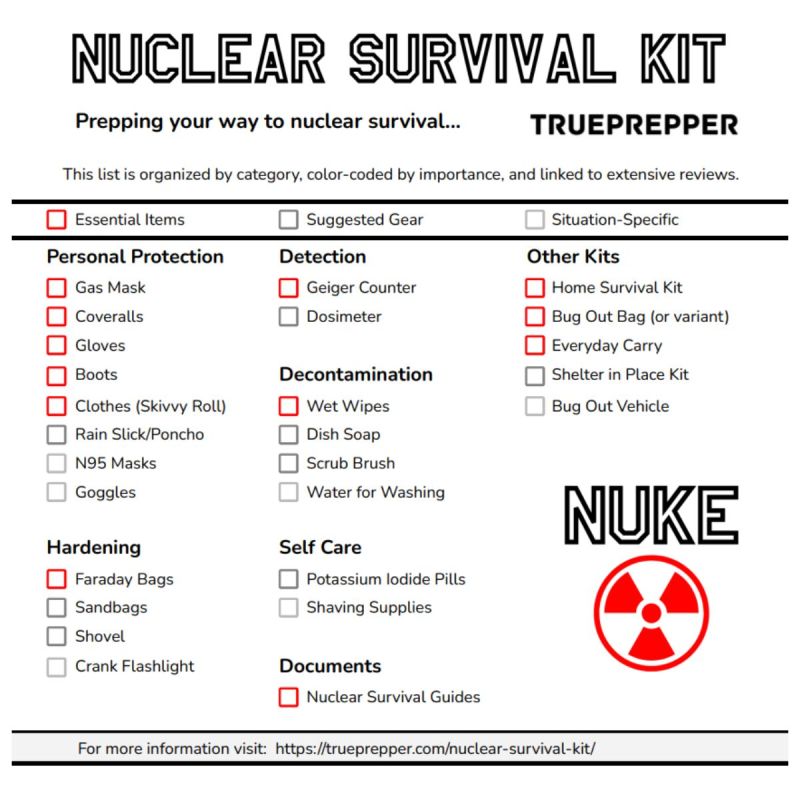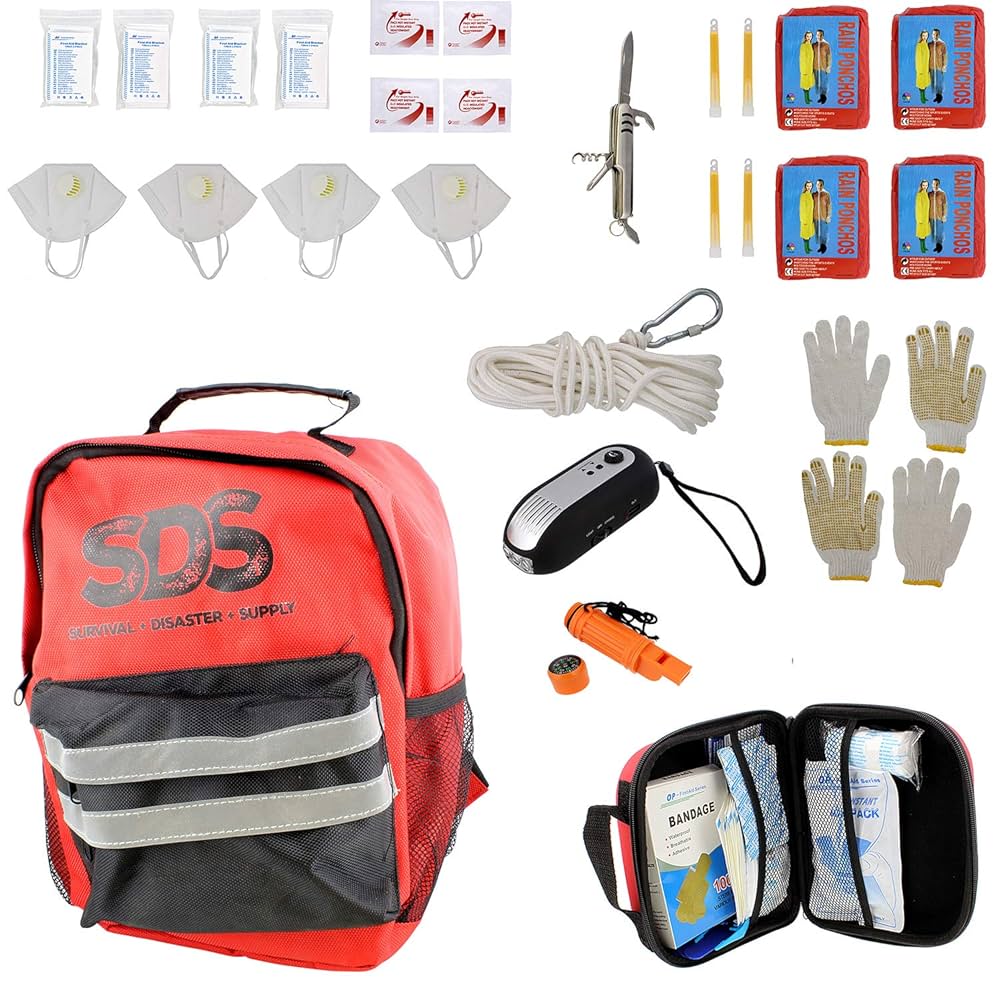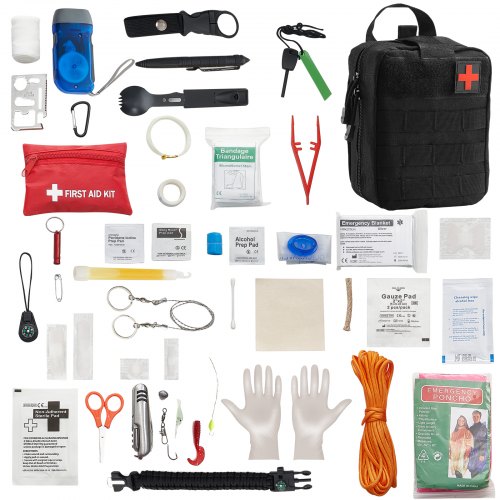
When an emergency strikes, having the right first aid kit can make all the difference between staying safe and facing serious trouble. But do you really know what to put in your survival first aid kit to handle unexpected injuries or illnesses?
If you want to be ready for anything, this guide will help you pack the essentials that protect you and your loved ones. Keep reading to discover the must-have items that could save your life when it matters most.

Credit: www.amazon.com
Basic First Aid Supplies
Basic first aid supplies form the foundation of any survival first aid kit. These essentials help you manage common injuries and prevent minor issues from turning into serious problems. Having the right items ready can make all the difference in an emergency.
Bandages And Dressings
Bandages and dressings stop bleeding and protect wounds from dirt and infection. Pack a variety of sizes, including adhesive bandages for small cuts and larger sterile dressings for deep wounds. Don’t forget gauze pads and rolls to cover bigger injuries and secure them with medical tape.
Think about the last time you had a scrape—did you reach for a bandage or just leave it open? Proper coverage speeds healing and reduces pain. You want to be prepared to handle any level of injury with the right supplies at hand.
Antiseptics And Ointments
Antiseptics clean wounds and prevent infection. Include alcohol wipes, iodine swabs, or hydrogen peroxide for initial cleaning. After cleaning, apply antibiotic ointments to help wounds heal faster and lower the risk of infection.
Have you ever experienced a wound that got worse because it wasn’t cleaned properly? Having antiseptics in your kit stops that from happening. Keep these items sealed and replace them regularly to ensure they stay effective.
Pain Relief Medications
Pain relief is crucial in emergencies to keep you comfortable and alert. Carry over-the-counter options like ibuprofen, acetaminophen, or aspirin. These help manage headaches, muscle aches, and reduce inflammation, giving you the strength to handle the situation.
Do you know which pain relievers are safe for you or your family? Label your kit clearly and keep medications in their original packaging to avoid confusion. Pain relief can be a game-changer when immediate medical help isn’t available.
Tools For Emergency Care
Tools for emergency care form the backbone of any survival first aid kit. These items help treat injuries and manage health issues quickly. Having the right tools can make a big difference in emergencies. They help clean wounds, check vital signs, and provide lifesaving assistance.
Tweezers And Scissors
Tweezers remove small objects like splinters or glass from the skin. Precision is key to avoid causing more injury. Scissors cut bandages, tape, or clothing to expose wounds. Choose scissors with blunt tips for safety. Both tools should be sturdy and easy to clean.
Thermometer And Gloves
A thermometer helps track body temperature to spot fever or hypothermia. Digital thermometers are quick and easy to read. Gloves protect both the caregiver and patient from infections. Use disposable latex or nitrile gloves for hygiene. Always wear gloves before touching wounds or bodily fluids.
Cpr Face Shield
A CPR face shield allows safe mouth-to-mouth resuscitation. It prevents contact with saliva or blood, reducing infection risk. Look for a shield with a one-way valve for easy breathing. Keep it in a small, sealed pouch for quick access. This tool can save lives during cardiac emergencies.
Specialized Medical Items
Specialized medical items in a survival first aid kit address specific health needs. These items help manage allergies, asthma, burns, and broken bones. Including them increases safety and readiness in emergencies.
Allergy And Asthma Supplies
Allergy and asthma supplies are vital for people with these conditions. Pack antihistamines to reduce allergic reactions. Include an epinephrine auto-injector if prescribed by a doctor. Keep inhalers handy to ease asthma attacks. Carry allergy testing strips for quick checks. These items save lives during sudden allergic or asthma episodes.
Burn Treatment Products
Burn treatment products soothe pain and prevent infection. Use sterile burn dressings to cover wounds. Include burn gels or creams with aloe vera. Pack non-stick pads to avoid skin damage. Carry pain relievers to ease discomfort. Proper burn care helps reduce scarring and speeds healing.
Splints And Immobilizers
Splints and immobilizers keep broken or sprained limbs stable. Use adjustable splints to fit different body parts. Include elastic bandages to secure splints firmly. Pack finger splints for small injuries. These tools prevent further damage and reduce pain during movement. Immobilization aids in safe transport to medical help.

Credit: unchartedsupplyco.com
Personal Hygiene Essentials
Personal hygiene is vital in survival situations. It prevents infections and keeps you healthy. Cleanliness boosts morale and comfort during tough times. Packing essential hygiene items is necessary for any survival first aid kit.
Antibacterial Wipes
Antibacterial wipes help clean hands and surfaces quickly. They remove germs and dirt without water. Use them before eating or treating wounds. Compact and lightweight, they fit easily in your kit. Choose wipes that kill a broad range of bacteria.
Hand Sanitizer
Hand sanitizer kills most germs when soap and water are unavailable. Carry a small bottle with at least 60% alcohol. It dries fast and stops the spread of illness. Use it after contact with dirty objects or before handling food.
Tissues And Toilet Paper
Tissues and toilet paper are must-haves for personal hygiene. Use tissues for nose care and cleaning small wounds. Toilet paper is essential for sanitation and comfort. Pack a waterproof bag to keep them dry and usable.
Survival And Comfort Extras
Adding survival and comfort extras to your first aid kit can make a big difference when you’re in a tough situation. These items don’t just help you treat injuries—they also provide warmth, ease pain, and keep you hydrated, which can boost your chances of staying calm and focused.
Emergency Blanket
An emergency blanket is lightweight but powerful. It reflects body heat back to you, helping to prevent hypothermia in cold conditions. I once had one during a hiking trip when the temperature dropped unexpectedly, and it was a lifesaver that kept me warm through the night.
These blankets are compact and fit easily in any kit. You might not think you need one until you do—would you want to be caught without it in freezing weather?
Pain And Fever Reducers
Including pain and fever reducers like ibuprofen or acetaminophen is crucial. They help you manage discomfort and reduce fever, which can improve your ability to think clearly and make decisions. I remember a time when a headache during a survival situation made it hard to concentrate, but having these medications on hand helped me push through.
Keep them in their original packaging with clear instructions, so you know the right dosage. Wouldn’t you want to relieve pain quickly instead of letting it slow you down?
Hydration And Electrolyte Solutions
Staying hydrated is one of the most important things in any emergency. Electrolyte solutions replace essential minerals lost through sweat, preventing cramps and fatigue. When I was caught in a long heat wave, these solutions helped me maintain energy and focus.
Packets of powdered electrolyte mixes are easy to store and use—just add water. How prepared are you to keep your body fueled when clean water alone isn’t enough?
Storage And Maintenance Tips
Proper storage and maintenance keep your survival first aid kit ready at all times. A well-organized kit saves time during emergencies. It protects supplies from damage and contamination. Regular care extends the life of your items.
Choosing The Right Container
Select a container that is durable and waterproof. Plastic boxes with secure lids work well. A container should be compact but spacious enough. Clear containers help you find items quickly. Consider a container with compartments for better organization.
Regular Kit Inspection
Check your kit every three to six months. Look for broken or damaged items. Ensure the container remains sealed and clean. Confirm that bandages and dressings are dry and intact. Keep a checklist to track your inspections.
Replacing Expired Items
Expired medicines and ointments lose effectiveness. Check expiration dates during your inspections. Replace any item that is past its date. Keep a record of when you last replaced supplies. Stock fresh items to maintain kit reliability.

Credit: stoller.com.tr
Frequently Asked Questions
What Essentials Should Be In A Survival First Aid Kit?
A survival first aid kit should include bandages, antiseptic wipes, tweezers, pain relievers, and a CPR mask. Don’t forget adhesive tape, gauze pads, and a thermometer. These essentials help treat common injuries and manage pain in emergencies.
How Often Should I Check My First Aid Kit?
Check your first aid kit every six months. Replace expired items and restock used supplies. Regular checks ensure your kit is ready for emergencies. Keep an inventory list to track contents easily and efficiently.
Can I Customize My Survival First Aid Kit?
Yes, customize your kit based on personal needs and location. Consider allergies, medication requirements, and specific environmental challenges. Personalizing your kit ensures you’re better prepared for unique situations and emergencies.
Why Is A First Aid Kit Important In Survival?
A first aid kit helps address injuries and prevent infections during emergencies. It provides essential tools for immediate care, reducing complications. Quick access to medical supplies can save lives and minimize harm when professional help isn’t immediately available.
Conclusion
A good survival first aid kit keeps you ready for emergencies. Pack essential items like bandages, antiseptics, and pain relievers. Include tools such as scissors, tweezers, and gloves. Don’t forget personal medications and important documents. Regularly check your kit to replace used or expired items.
Being prepared can make a big difference in tough situations. Stay safe by having the right supplies within reach. Simple steps today protect you tomorrow.