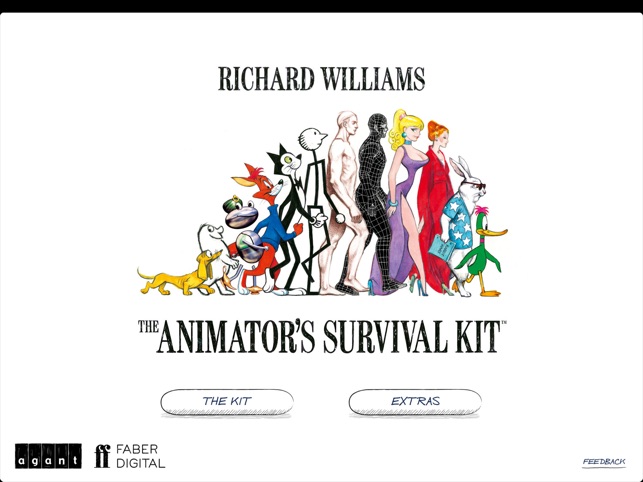
If you’re diving into the Animator’s Survival Kit, you might feel overwhelmed by its depth. Not every page is equally useful for your animation goals.
What if you could focus only on the parts that truly boost your skills and skip the rest? You’ll discover exactly which sections to skip—and why—so you can save time and get better faster. Ready to make your learning smarter, not harder?
Let’s get started.

Credit: apps.apple.com
Key Concepts To Focus On
The Animator’s Survival Kit covers many topics, but some concepts are more vital than others. Focusing on key ideas helps you learn faster and create better animations. These core principles form the base of all great animation work.
Understanding these ideas gives you confidence and clarity. You can avoid getting lost in less important details. Keep your attention on what shapes your animation’s flow and feel.
Fundamental Animation Principles
Start with the 12 basic principles of animation. They explain how objects move and react. Concepts like squash and stretch, anticipation, and follow-through create natural motion. These principles make characters feel alive and believable.
Timing And Spacing
Timing controls how long an action takes. Spacing determines how frames are placed between key poses. Together, they shape the speed and rhythm of movement. Good timing and spacing bring energy and weight to your animation.
Pose To Pose Vs. Straight Ahead
Pose to pose animation plans key positions first. Then, it fills in the in-between frames. Straight ahead means drawing frame by frame in sequence. Both methods have strengths. Pose to pose is great for control, while straight ahead adds fluidity and surprise.
Exaggeration Techniques
Exaggeration makes actions clearer and more exciting. It pushes movements beyond reality to express emotion or intention. Using exaggeration wisely boosts your animation’s impact. It helps communicate the story without words.
Sections Less Critical For Beginners
Not every part of the Animator’s Survival Kit is equally important for beginners. Some sections dive into techniques that require a strong foundation before you can truly benefit from them. Skipping these less critical areas initially can help you focus on the basics and build confidence faster.
Advanced Walk Cycles
Advanced walk cycles cover complex variations like weighted walks or character-specific styles. These can be overwhelming if you haven’t mastered the basic walk cycle yet. Concentrate on simple, natural movements first to understand timing and spacing.
Once you’re comfortable with the basics, revisiting advanced walks will feel more intuitive. Think about your own walking style—do you start by analyzing every detail? Probably not. The same goes for animating.
Complex Character Interactions
Scenes where multiple characters interact involve precise timing and spatial awareness. Beginners often struggle with syncing actions and reactions between characters. Focus on animating a single character before adding interaction layers.
Try practicing simple gestures or expressions on one character first. This builds your skill and reduces frustration. When you return to complex interactions, you’ll have a clearer sense of movement and pacing.
Detailed Lip Syncing
Lip syncing demands attention to subtle mouth shapes and timing with dialogue. It’s a skill that requires both patience and experience. If you’re just starting out, it’s better to animate body language and expressions first.
Once you get comfortable with overall character movement, lip syncing will be easier to tackle. Have you noticed how some beginner animations avoid close-ups on the mouth? That’s because they focus on broader animation skills before diving into this detail.
Commonly Overlooked But Useful Tips
The Animator’s Survival Kit offers many valuable lessons. Some tips often get missed but prove very useful. These tips help simplify work and improve animation quality. They save time and reduce frustration. Paying attention to these can boost your animation skills.
Simplifying Motion
Complex movements can confuse viewers. Simplifying motion makes animation clearer and stronger. Focus on key poses and smooth transitions. Avoid adding unnecessary details that distract from the main action. Simple motion often feels more natural and believable.
Using Reference Effectively
Reference material is essential for realistic animation. Use videos or real-life observation to study movements. Don’t copy directly; adapt references to fit your style. Observing helps understand timing, weight, and flow. Good reference use improves accuracy and creativity.
Avoiding Over-animation
Too much movement can overwhelm the audience. Over-animation hides the story and confuses viewers. Use movement to support the emotion or message. Leave some stillness for impact and clarity. Knowing when to hold a pose is as important as moving.

Credit: apps.apple.com
How To Tailor The Kit To Your Style
The Animator’s Survival Kit is a rich resource, but not every section fits every animator’s style. Tailoring the kit helps you focus on what truly matters. This approach saves time and sharpens your skills in the right areas. Adjusting the content to suit your style makes learning more effective and enjoyable.
Adapting Exercises
Some exercises in the kit may feel too broad or advanced. Choose ones that match your current skill level. Modify exercises to fit your animation goals. For example, simplify complex movements or focus on specific actions. Practice smaller parts before combining them into full scenes. This keeps learning manageable and relevant.
Focusing On Your Project Needs
Every project demands different animation skills. Identify the key movements your project requires. Skip sections that don’t apply to your work. Concentrate on areas like character acting, walk cycles, or facial expressions. This targeted approach helps you improve faster. It also avoids wasting time on less useful topics.
Balancing Theory And Practice
The kit offers theory and hands-on practice. Find a balance that suits your learning style. Spend time understanding concepts, but also animate regularly. Use the theory as a guide, not a rulebook. Test ideas through quick sketches or short animations. This blend builds confidence and skill steadily.

Credit: apps.apple.com
Frequently Asked Questions
Which Animator’s Survival Kit Parts Can Beginners Skip?
Beginners can skip advanced timing and complex walk cycles initially. Focus on basic principles like squash and stretch. Mastering fundamentals first builds a strong animation foundation. Advanced sections can be revisited after grasping basics for better understanding.
Are There Less Useful Sections For Experienced Animators?
Experienced animators might skip basic motion breakdowns and simple exercises. They often focus on unique styles or advanced techniques. The Animator’s Survival Kit is comprehensive but some parts may feel repetitive for pros. Tailoring study to your needs boosts learning efficiency.
Does Skipping Parts Affect Animation Skill Development?
Skipping some parts may slow skill growth if fundamentals are missed. Prioritize core principles like timing, weight, and movement arcs. Selective skipping is fine if you already know certain concepts well. Consistent practice and review ensure steady improvement.
What’s The Best Way To Use Animator’s Survival Kit Efficiently?
Focus on sections relevant to your current skill level and project goals. Practice exercises after reading theory for hands-on learning. Revisit skipped parts later to deepen knowledge. Use the kit as a reference, not a strict guide.
Conclusion
Understanding which parts to skip enhances your learning. Time is valuable. Focus on sections relevant to your current skill level. This approach helps you grow efficiently. Not every page will fit your needs. Tailor your reading for a better grasp of animation principles.
This strategy prevents overwhelm. You learn faster and retain more. The Animator’s Survival Kit remains a vital resource. Use it wisely to improve your skills. Every animator’s journey is unique. Adapt the book to match your path. Happy animating!