Are you thinking about carrying a survival knife in New Jersey but aren’t sure if it’s allowed? You’re not alone.
Many people wonder about the laws around survival knives and what you can legally carry. Knowing the rules is important because breaking them can lead to serious trouble. You’ll get clear, simple answers about survival knife laws in NJ. By the end, you’ll know exactly what’s legal and what’s not—so you can stay safe and confident.
Keep reading to find out everything you need to know.
Survival Knife Laws In New Jersey
Survival knives are popular tools for outdoor enthusiasts and emergency situations. New Jersey has strict laws about carrying and owning knives. Understanding these laws helps avoid legal trouble.
Definition Of Survival Knives
Survival knives are strong, fixed-blade knives. They are made for tough tasks like cutting wood, preparing food, and self-defense. These knives usually have a blade longer than 4 inches. Some include features like a serrated edge or a hollow handle for storing small items.
General Knife Regulations In Nj
New Jersey controls the possession and use of knives strictly. The law bans carrying certain knives in public places. This includes switchblades and gravity knives. Survival knives with fixed blades are allowed if they are not concealed.
Knives carried openly for legitimate use, like camping or fishing, are mostly legal. Carrying any knife with the intent to harm is illegal. Selling or giving knives to minors is also prohibited. Always check local rules before carrying a survival knife in New Jersey.
Restricted Knife Types
Understanding the types of knives restricted in New Jersey is crucial if you plan to carry or own a survival knife. The state has clear rules about certain blade lengths and styles, designed to protect public safety. Knowing these restrictions helps you avoid legal trouble and choose the right knife for your needs.
Prohibited Blade Lengths
New Jersey limits the length of blades you can legally carry. Generally, knives with blades longer than 4 inches are considered illegal to carry in public without a valid reason.
This means if your survival knife blade exceeds 4 inches, you might face serious consequences. Even if it’s for camping or fishing, carrying a longer blade openly can lead to legal issues.
Have you checked the exact length of your survival knife blade lately? Knowing this simple fact could save you from an unexpected fine or arrest.
Banned Knife Styles
Certain knife styles are outright banned in New Jersey, regardless of blade length. Switchblades, gravity knives, and ballistic knives fall into this category.
Owning or carrying these knives is illegal and can result in criminal charges. Even if you believe your survival knife falls under a legal category, double-check its style.
Is your knife a folding blade or a fixed blade? Fixed blades are usually more accepted, but styles that open automatically or use spring mechanisms are risky to carry.
Carrying Survival Knives
Survival knives are legal to carry in New Jersey under certain conditions. Restrictions apply to blade length and how the knife is used. Always check local laws before carrying one.
Carrying a survival knife in New Jersey comes with legal considerations. Understanding these laws is crucial for outdoor enthusiasts and knife collectors. Regulations cover both open and concealed carry. Knowing the rules helps you stay within the law.Open Carry Rules
Open carrying a survival knife is typically allowed in New Jersey. The law does not explicitly prohibit the visible carrying of knives. Yet, the intent behind carrying matters. If a knife is used for lawful purposes, open carry is generally acceptable. But, carrying a knife with intent to harm can lead to legal issues. Always ensure your actions align with lawful activities. Public safety is a priority in the state.Concealed Carry Restrictions
Concealed carrying of survival knives faces stricter rules. New Jersey law is less forgiving with concealed weapons. Carrying a knife concealed can be seen as intent to use unlawfully. It is vital to have a valid reason for concealment. Outdoor activities like camping or fishing are typically considered valid. Always carry proof of your activity to avoid misunderstandings. Avoid carrying in restricted areas like schools or government buildings. Understanding these restrictions helps in staying compliant with the law.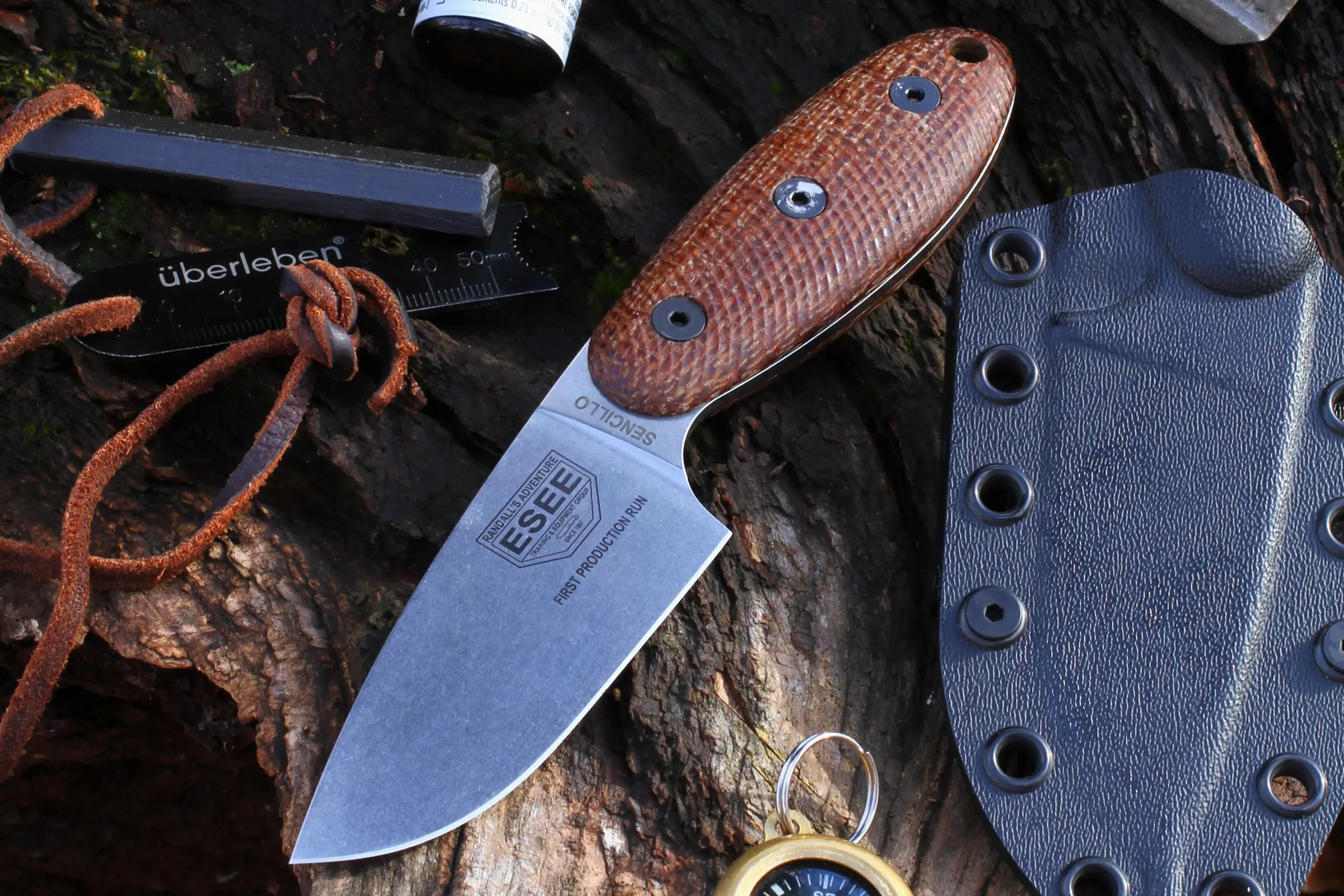
Credit: gearjunkie.com
Use And Intent
The legality of survival knives in New Jersey hinges largely on how you use them and what your intent is. Simply owning or carrying a survival knife isn’t always against the law. What matters most is the purpose behind having it and how you handle it in different situations.
Legal Use Cases
Using a survival knife for practical and lawful activities is generally acceptable in New Jersey. Many people carry these knives for camping, hiking, fishing, or other outdoor survival tasks.
- Cutting rope or preparing food during a camping trip
- Building a shelter or clearing brush on hiking trails
- Using the knife as a tool in emergency situations
Keep in mind that carrying a survival knife openly during these activities is usually fine, but if you carry it concealed without a valid reason, you might face legal issues. Think about why you need the knife. Is it for work or outdoor adventure? If yes, your use is likely protected.
Criminal Intent And Penalties
Carrying or using a survival knife with the intent to harm or threaten others is illegal and carries serious consequences. The law looks closely at whether you intended to use the knife as a weapon rather than a tool.
- Using a survival knife in a fight or to intimidate someone can lead to felony charges
- Concealing a knife with the purpose of committing a crime increases penalties
- Penalties range from fines to imprisonment depending on the severity of the offense
Ask yourself: Are you prepared to explain why you carried the knife if stopped by law enforcement? Your intent must be clear and justifiable. Carrying a survival knife responsibly means respecting both the law and the safety of others around you.
Exceptions And Special Cases
Survival knives face strict laws in New Jersey, but some exceptions exist. These rules allow certain uses that are legal under specific conditions. Understanding these special cases helps avoid legal trouble while using survival knives.
Outdoor Activities And Hunting
Survival knives are often allowed during outdoor activities like camping, fishing, and hiking. These knives serve practical purposes such as cutting wood or preparing food. Hunters may carry survival knives to dress game or for safety in the wild.
Carrying a survival knife in these situations is usually legal if:
- The knife is used for a legitimate outdoor task.
- It is not carried with intent to harm others.
- The knife is not concealed unlawfully.
Local rules may still vary, so checking specific area laws is wise before carrying a survival knife.
Law Enforcement And Military Exemptions
Law enforcement officers and military personnel have special permissions to carry survival knives. These knives can be essential tools for their duties and emergencies. The law recognizes their need for such equipment as part of their job.
Exemptions allow these professionals to carry knives that might otherwise be restricted. This applies during active duty or official assignments only. Personal use outside duty may still fall under regular laws.

Credit: www.fpstactical.com
Buying And Selling Survival Knives
Buying and selling survival knives in New Jersey requires you to be aware of specific legal guidelines. These rules affect who can purchase knives and what sellers must do to comply with the law. Understanding these points helps you avoid trouble and ensures a smooth transaction whether you’re a buyer or a retailer.
Age Restrictions
In New Jersey, you must be at least 18 years old to buy a survival knife. This law is strict and applies to all types of knives, including those used for outdoor activities. If you’re underage, even if you have a parent’s permission, you cannot legally purchase one.
Have you ever been surprised by age limits on items you thought were easy to buy? Knowing this upfront saves you from awkward refusals at the store or online.
Retailer Responsibilities
Retailers have a legal duty to verify the age of anyone buying a survival knife. They must check valid identification before completing the sale. Failure to do so can result in fines or other penalties.
Besides age checks, sellers should inform buyers about local laws regarding carrying and using knives. This helps customers understand their rights and limits, reducing legal risks for everyone involved.
Penalties For Violations
Breaking New Jersey’s laws on survival knives can bring serious trouble. Penalties for violations vary based on the knife type and the situation. Understanding these penalties helps avoid costly mistakes.
Fines And Confiscation
Violating knife laws often leads to fines. The amount depends on the offense’s severity. Law enforcement may also seize the knife. Confiscation means losing the knife permanently.
Fines can range from small amounts to several hundred dollars. Repeat offenses may cause higher fines. Confiscation prevents future legal problems with that knife.
Criminal Charges
Some survival knife violations can lead to criminal charges. Charges may be misdemeanors or felonies. Misdemeanors carry lighter punishments like short jail time or probation.
Felonies bring harsher penalties, including longer jail terms. Carrying a prohibited knife in certain places can trigger these charges. Court records and a criminal record can follow the offender for years.

Credit: www.ebay.ca
Tips For Legal Compliance
Understanding how to stay within the legal boundaries of owning and carrying a survival knife in New Jersey is crucial. Knowing the right choices and habits can keep you out of trouble and ensure your knife serves its intended purpose safely. Let’s look at some practical tips that make legal compliance straightforward and stress-free.
Choosing The Right Knife
Not all survival knives are treated equally under New Jersey law. You need to pick a knife with a fixed blade that is not too long or designed for concealment. Avoid knives with switchblades or automatic opening mechanisms, as these are often illegal.
Think about the blade length—knives under 4 inches are generally safer legally. Consider knives with a plain edge rather than a serrated one, which can sometimes be viewed differently by law enforcement. Selecting a knife that looks more like a tool than a weapon helps too.
Safe Storage And Transport
How you store and carry your survival knife matters just as much as the knife itself. Always keep your knife in a sheath or case when not in use. This prevents accidental injury and demonstrates responsible ownership.
When transporting your knife, place it in your vehicle’s trunk or in a locked container. Avoid keeping it on your person in public places without a valid reason. If you’re traveling with your knife, check local laws outside New Jersey as well—they can vary widely.
Frequently Asked Questions
Are Survival Knives Legal To Carry In New Jersey?
In New Jersey, carrying survival knives openly or concealed is generally illegal. Exceptions apply for specific uses like hunting or fishing. Always check local laws before carrying to avoid legal issues.
What Blade Length Is Allowed For Knives In Nj?
New Jersey law restricts knives with blades longer than 4 inches in public. Survival knives exceeding this length may be considered illegal to carry without a permit.
Can I Own A Survival Knife In My Nj Home?
Yes, owning a survival knife at home in New Jersey is legal. Restrictions mainly apply to carrying knives in public spaces, not private property.
Are Automatic Or Switchblade Survival Knives Legal In Nj?
Automatic or switchblade knives, including survival types, are illegal to possess or carry in New Jersey. These knives are classified as prohibited weapons under state law.
Conclusion
Survival knives have specific rules in New Jersey. Knowing these laws helps avoid trouble. Carrying a knife that breaks the law can cause fines or jail time. Always check the size and type allowed by state law. Stay safe by following local knife regulations.
Keep your survival knife for camping or emergencies only. Respect the rules to enjoy your outdoor activities. Stay informed and stay legal in New Jersey.