Have you ever wondered how long a bass can survive out of water? Whether you’re fishing, handling a catch, or just curious, knowing this can make a big difference.
Understanding how long a bass can stay alive without water helps you keep the fish healthy and increases your chances of a successful release. You’ll discover the surprising facts about a bass’s survival time out of water and learn simple tips to protect your catch.
Keep reading—your next fishing trip might depend on it!

Credit: www.si.com
Bass Physiology And Water Dependency
Bass are fascinating creatures with a physiology finely tuned to life in water. Their survival outside this environment depends largely on how their bodies function and interact with water. Understanding their dependence on water helps explain why bass can’t live long when exposed to air.
How Bass Breathe Underwater
Bass breathe by drawing water through their mouths and over their gills. The gills extract oxygen dissolved in water, which is then absorbed into their bloodstream. This process is efficient only when water flows continuously over the gill surfaces.
Without water, the gills collapse and can’t extract oxygen from the air. This means bass rely entirely on water to breathe and survive. Have you ever wondered why fish seem to gasp when removed from water? That’s their gills struggling to function in air.
Effects Of Air Exposure On Bass
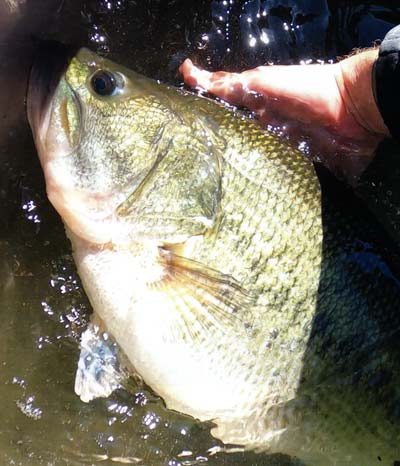
When bass are out of water, several harmful effects start immediately. Their gills dry out, reducing oxygen intake and causing stress. This can lead to rapid physical deterioration if the fish is not returned to water quickly.
Exposure to air also affects their internal organs due to lack of oxygen. You might notice a bass becoming sluggish or unresponsive during this time. Knowing how quickly these changes happen is crucial if you want to handle bass safely during catch and release.
Credit: www.bassresource.com
Survival Time Limits Out Of Water
Bass are aquatic creatures that rely on water to breathe and survive. When removed from water, their survival time is limited. Understanding these limits helps anglers handle bass carefully and reduce harm. Knowing how long a bass can live out of water aids in making better fishing decisions.
Typical Duration Bass Can Last
Bass can survive out of water for a short time only. Usually, they live between 5 to 15 minutes without water. This time varies depending on temperature and humidity. Cooler, moist air helps bass survive longer. In dry or hot conditions, their survival time shortens. Beyond this period, bass start to suffer from oxygen loss.
Factors Influencing Survival Time
- Temperature:Higher temperatures reduce survival time quickly.
- Humidity:Moist air slows drying of gills and skin.
- Fish Size:Larger bass may last longer than smaller ones.
- Stress Level:Handling and struggling reduce survival chances.
- Access to Oxygen:Gills must stay moist to absorb oxygen.
Keeping bass wet and cool increases their survival time outside water. Quick release and gentle handling improve their chance to live after catch.
Environmental Conditions Impacting Survival
Bass survival out of water depends heavily on environmental conditions. These factors affect how long bass can breathe and stay alive. Understanding these helps anglers care for their catch better. Key elements include temperature, humidity, and oxygen levels. Each plays a role in how bass cope outside their natural habitat.
Temperature Effects
Temperature greatly impacts bass survival time out of water. Cooler temperatures slow down the bass’s metabolism. This means the fish needs less oxygen and can survive longer. Warmer temperatures speed up metabolism, causing faster oxygen use. High heat can stress the fish quickly, reducing survival time.
Extreme heat may cause the bass to lose moisture fast. This leads to dehydration and weakens the fish. On the other hand, cold temperatures can help bass endure longer. But freezing temperatures may harm the fish’s skin and gills. Ideal temperature for bass survival outside water is cool but not freezing.
Humidity And Oxygen Levels
Humidity affects how much water bass lose through their skin. High humidity slows water loss, helping bass stay moist. Low humidity dries the fish quickly, causing stress and damage. Moist skin is crucial for bass to breathe properly out of water.
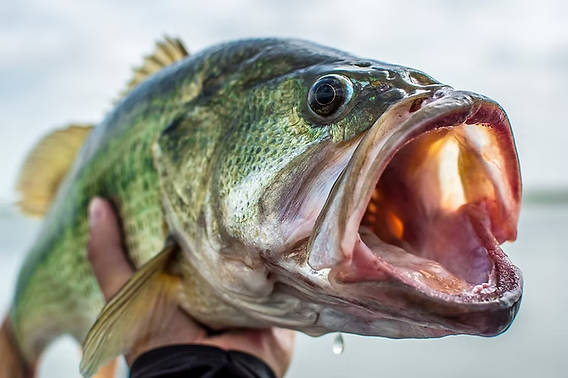
Oxygen availability in the air also matters. Bass extract oxygen through their gills, even outside water, if the gills remain wet. Higher oxygen levels in the air can extend survival time. Dry air reduces oxygen intake and speeds up suffocation. Keeping the bass in a moist, oxygen-rich environment helps them live longer outside water.
Credit: www.willyswilderness.org
Behavioral Responses When Out Of Water
Bass show clear behavioral changes when out of water. These responses reveal their struggle to survive. Observing these actions helps understand their condition and limits.
Movement And Attempts To Return
Bass thrash and wiggle vigorously when out of water. These movements aim to get back to a safe, aquatic environment. They often flip their bodies side to side. This action tries to find moisture or water nearby.
Sometimes, bass may make short, weak jumps. These attempts show desperation and stress. Their fins spread wide, trying to balance and push forward. Without water, these motions become slower and weaker over time.
Stress Indicators In Bass
Stress is clear in bass when they are out of water. Gills often open and close rapidly, trying to breathe. Their body color may change, becoming dull or pale. Eyes might look cloudy or bulging, a sign of distress.
Breathing becomes shallow and irregular. The bass may stop moving after a while, showing exhaustion. These signs indicate the fish is close to losing vitality. Quick return to water is critical for survival.
Handling Bass Safely Out Of Water
Handling bass safely out of water is vital for the fish’s survival and health. Bass can only survive for a short time outside water. Proper care reduces stress and injury. Anglers should act quickly and gently to protect the fish.
Knowing how to handle bass correctly helps keep the population strong. It also supports ethical fishing practices. Taking the right steps ensures the bass swim away healthy after release.
Best Practices For Anglers
- Wet your hands before touching the bass. This protects their slime coat.
- Use barbless hooks or pinch the barbs down for easier release.
- Keep the bass in the water as much as possible during handling.
- Use a landing net with soft mesh to avoid scale damage.
- Handle the bass gently, supporting its body with both hands.
- Avoid squeezing the fish or holding it by the gills.
- Limit air exposure to under 30 seconds for better survival chances.
- Prepare tools like pliers and cameras before lifting the bass out.
Minimizing Harm During Catch And Release
- Remove hooks carefully using proper tools to prevent injury.
- Cut the line close to the hook if removal is difficult.
- Revive the bass by holding it gently in the water, facing upstream.
- Wait until the bass swims away on its own before letting go.
- Handle bass in shaded areas to avoid heat stress.
- Avoid touching the eyes, gills, or internal organs.
- Release bass quickly to reduce fatigue and stress.
Scientific Studies On Bass Survival
Scientific studies on bass survival out of water shed light on how these fish cope with oxygen deprivation and environmental stress. Understanding the limits of their endurance can help anglers, conservationists, and biologists manage bass populations more effectively. Let’s look closely at what research reveals about their survival times and the surprising findings that challenge common beliefs.
Research Findings
Researchers have tested how long bass can live without water by removing them from their natural habitat and monitoring their vital signs. Most studies show that bass typically survive between 15 to 30 minutes out of water before severe damage occurs. This timeframe depends heavily on factors like temperature, humidity, and the fish’s health.
One study found bass survived longer in cool, moist conditions, sometimes up to 45 minutes. But in hot, dry air, survival dropped sharply, often under 10 minutes. This shows how environmental conditions directly affect their ability to breathe through their skin and gills when out of water.
Unexpected Discoveries
Some experiments revealed bass can enter a state of reduced metabolic activity, slowing their bodily functions to conserve oxygen. This adaptation allows them to stretch their survival time when trapped in low-oxygen environments. It raises an intriguing question: could bass survive longer than we expect if conditions support this state?
Another surprising insight came from observing bass behavior; they sometimes gulp air at the surface before being lifted out. This suggests bass might prepare physiologically for periods out of water, similar to some amphibious fish. Knowing this, you might reconsider how you handle bass during catch-and-release fishing to minimize stress.
Frequently Asked Questions
How Long Can A Bass Stay Out Of Water?
A bass can survive out of water for about 10 to 20 minutes. This duration depends on environmental conditions. Cooler, moist conditions may extend this period. However, to ensure the fish’s health, it’s best to minimize its time out of water.
What Affects A Bass’s Survival Out Of Water?
Several factors influence a bass’s survival time out of water. Temperature, humidity, and handling can all impact survival. High temperatures and low humidity can decrease survival time. Gentle handling also helps reduce stress and injury.
Can A Bass Recover After Being Out Of Water?
Yes, a bass can recover if returned to water quickly. Prompt and gentle handling is crucial. Ensure the fish is revived properly by moving it back and forth in the water. This helps water flow through its gills, aiding recovery.
How To Handle A Bass Safely Out Of Water?
Handle a bass carefully to ensure its safety. Use wet hands or a wet cloth to avoid damaging its skin. Minimize the time the bass spends out of water. Support its body properly to avoid injury, ensuring a quick and safe return to water.
Conclusion
Bass can survive out of water for only a short time. Usually, they last about 15 to 30 minutes without water. The fish needs water to breathe and stay alive. Keep bass wet and cool if you catch one. Handling them gently helps avoid harm.
Remember, quick release helps bass live longer. Protecting their environment keeps bass populations healthy. Respect nature and fish carefully for future fun.


