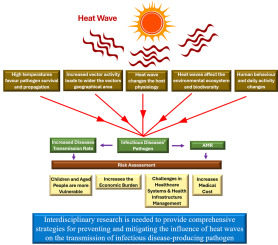
You might be wondering if Covid-19 can still spread when the weather gets warm. After all, many viruses slow down or disappear in heat, right?
This question matters to you because it affects how you protect yourself and your loved ones as seasons change. Understanding whether warm weather can stop the virus helps you make smarter choices every day. Keep reading to discover the truth about Covid-19 and warm weather—and what it means for your safety.
Covid-19 And Temperature
Understanding how temperature affects Covid-19 is crucial for managing your risk and staying safe. You might wonder if warmer weather means the virus disappears or becomes less dangerous. Let’s break down what really happens to Covid-19 when temperatures rise.
Virus Survival Basics
Viruses need specific conditions to survive outside a host, including temperature and humidity. Covid-19, like many viruses, can survive on surfaces for hours or even days depending on these factors.
Lower temperatures often help viruses last longer because cold slows down their decay. But that doesn’t mean heat automatically kills them instantly. The survival time decreases as temperature increases, but other factors like surface type and sunlight also matter.
Impact Of Heat On Viruses
Heat can reduce the virus’s ability to infect by damaging its outer layer. Studies show that temperatures above 30°C (86°F) start to weaken Covid-19 faster than cooler conditions.
However, simply being in warm weather doesn’t guarantee safety. You could still catch the virus indoors, where air conditioning keeps temperatures low. Have you noticed how some places stay cold even during summer? That environment can help the virus persist.
Practical tip: Don’t rely solely on temperature to protect yourself. Keep practicing good hygiene and social distancing regardless of the weather. How often do you check the air quality and temperature where you spend most of your day?
Credit: www.un.org
Research On Covid-19 In Warm Climates
Research on Covid-19 in warm climates explores how temperature affects the virus’s spread and survival. Scientists study areas with high temperatures to observe infection patterns. This research helps understand if warm weather slows down or stops the virus.
Studies focus on tropical regions and data from summer months. These findings give insight into how the virus behaves in heat and humidity. Understanding this can guide public health responses in warm areas.
Studies From Tropical Regions
Tropical regions have high temperatures and humidity year-round. Researchers collected Covid-19 data from countries near the equator. They found the virus still spreads in these warm climates. Warmth alone does not stop Covid-19 transmission.
Factors like social distancing and mask use remain crucial. Some studies suggest heat may reduce the virus’s lifespan on surfaces. But close contact still leads to infections. The virus can survive in warm, humid air for several hours.
Data From Summer Months
Summer brings higher temperatures in many parts of the world. Scientists analyzed Covid-19 cases during these months. Results show no significant drop in infections due to heat alone.
Warm weather may reduce virus stability outdoors. Yet indoor gatherings keep infection rates high. Air conditioning and crowded spaces allow the virus to spread. Summer heat does not guarantee protection from Covid-19.
Factors Affecting Virus Spread
The spread of Covid-19 is influenced by more than just the weather. Several factors play crucial roles in how the virus moves from person to person. Understanding these factors can help you stay safer regardless of the temperature outside.
Human Behavior Changes
How people behave can either increase or reduce the risk of Covid-19 transmission. For example, warm weather often encourages more social gatherings and travel, which can raise the chance of virus spread.
On the other hand, when people stay cautious by wearing masks and keeping distance, the virus struggles to find new hosts. Your own actions, like frequent hand washing and avoiding crowded places, make a real difference.
Indoor Vs Outdoor Transmission
Covid-19 spreads more easily indoors than outdoors. Poor ventilation inside homes or public places traps virus particles, making it easier for you to breathe them in.
Outdoor settings usually dilute the virus quickly, reducing the risk. Think about your own experiences—have you noticed feeling safer at outdoor cafés or parks than in crowded rooms?
Myths About Heat And Covid-19
Many people believe that warm weather can stop the spread of Covid-19. This idea has caused confusion and false hope during the pandemic. Understanding the truth about heat and the virus can help you stay safe and make smarter decisions.
Common Misconceptions
Some think that summer sun or hot climates kill the virus instantly. Others say that Covid-19 can’t survive in temperatures above 30°C (86°F). These claims are not supported by scientific evidence.
The virus can survive on surfaces and in the air even when it’s warm. Places like Florida and Brazil experienced outbreaks despite high temperatures. So, relying on heat alone to protect you is risky.
Have you noticed how people still get sick during summer? This shows that temperature isn’t the only factor in virus spread.
Why Heat Alone Isn’t Enough
Heat might reduce the virus’s lifespan slightly, but it doesn’t stop transmission. Covid-19 spreads mainly through close contact and respiratory droplets, which heat doesn’t control.
Other factors like social distancing, mask-wearing, and hygiene play a bigger role in preventing infection. You can’t just depend on warm weather to keep you safe.
Imagine sitting close to someone who’s infected in a hot room—would the heat protect you? Probably not. This is why personal precautions matter more than the weather.
Preventive Measures In Warm Weather
Warm weather does not stop the spread of Covid-19. The virus can still survive and infect people outside. Taking strong preventive measures is important to stay safe under the sun. Simple habits can reduce the risk of catching or spreading the virus.
Outdoor activities feel safer in warm weather, but caution remains necessary. Use protective steps to protect yourself and others. These measures work best together to lower the chance of infection.
Mask Usage And Hygiene
Wearing masks outdoors helps block virus droplets. Choose masks that fit snugly over nose and mouth. Keep masks clean by washing them regularly. Avoid touching the mask while wearing it.
- Wash hands often with soap for 20 seconds.
- Carry hand sanitizer with at least 60% alcohol.
- Clean surfaces you touch frequently, like phone or keys.
- Avoid touching your face, especially eyes, nose, and mouth.
Social Distancing Outdoors
Keep distance from others, even outside. Stay at least six feet apart in public spaces. Avoid crowded places and close contact with people not in your household.
- Choose outdoor areas with plenty of space.
- Limit group gatherings to small numbers.
- Stay away from close conversations without masks.
- Respect others’ space to keep everyone safe.

Credit: www.goodrx.com
Future Outlook
The future outlook on whether Covid-19 survives warm weather involves more than just temperature. Understanding how the virus behaves across seasons and how vaccination efforts interact with emerging variants will shape the path ahead. Let’s examine these factors to help you navigate what to expect.
Seasonal Patterns
Covid-19, like many respiratory viruses, tends to show seasonal trends but doesn’t disappear entirely in warm weather. Warmer temperatures may reduce transmission slightly, but crowded indoor gatherings during hot days can still fuel outbreaks.
Think about last summer: many places saw spikes despite the heat. This suggests that relying on warm weather alone to control the virus is risky.
- Humidity and sunlight may reduce virus survival on surfaces.
- Human behavior during seasons greatly impacts spread.
- Seasonal changes in immunity and vitamin D levels may also play a role.
Have you noticed how your own habits change with the seasons? That shift can influence your risk more than temperature itself.
Vaccination And Variants
Vaccination remains the strongest tool in limiting Covid-19’s impact, regardless of weather. New variants can change the game by spreading faster or evading immunity, but vaccines adapt too.
Your choice to get vaccinated or boosted directly affects how well your community can handle future waves. Variants like Delta and Omicron showed us that the virus evolves, but vaccines still reduce severe illness.
- Vaccines lower hospitalizations and deaths even with variant circulation.
- Boosters help maintain protection as immunity wanes.
- Monitoring variants allows scientists to update vaccines timely.
Ask yourself: Are you keeping up with recommended vaccinations? Staying proactive may be your best defense against unpredictable variants.

Credit: www.theguardian.com
Frequently Asked Questions
Can Covid-19 Survive In Warm Weather?
Covid-19 can survive in warm weather, but high temperatures may reduce its spread. The virus thrives in cooler, dry conditions but can exist in various climates. Maintaining good hygiene and social distancing remains crucial regardless of the weather.
Does Heat Kill The Covid-19 Virus?
Heat can reduce the viability of the Covid-19 virus. However, typical warm weather temperatures are insufficient to eliminate it entirely. Extreme heat, like that used in sterilization processes, can effectively kill the virus on surfaces.
Is Covid-19 Less Contagious In Summer?
Covid-19 may be less contagious in summer due to increased UV exposure and humidity. However, it still poses a risk. Other factors like human behavior and variants can influence its spread. Precautions should continue year-round.
Does Sunlight Affect Covid-19 Survival?
Sunlight can reduce the survival of Covid-19 on surfaces due to UV rays. UV radiation helps inactivating the virus. However, direct sunlight alone isn’t enough for complete protection. Combining sunlight exposure with other safety measures is recommended.
Conclusion
Covid-19 does not disappear in warm weather alone. The virus can still spread, even on hot days. People should keep wearing masks and stay safe. Warm weather helps, but it is not enough. Washing hands often and keeping distance matter a lot.
Scientists keep studying how weather affects the virus. Stay informed and follow health advice. Protect yourself and others every day. Safety is the best way to fight Covid-19.


