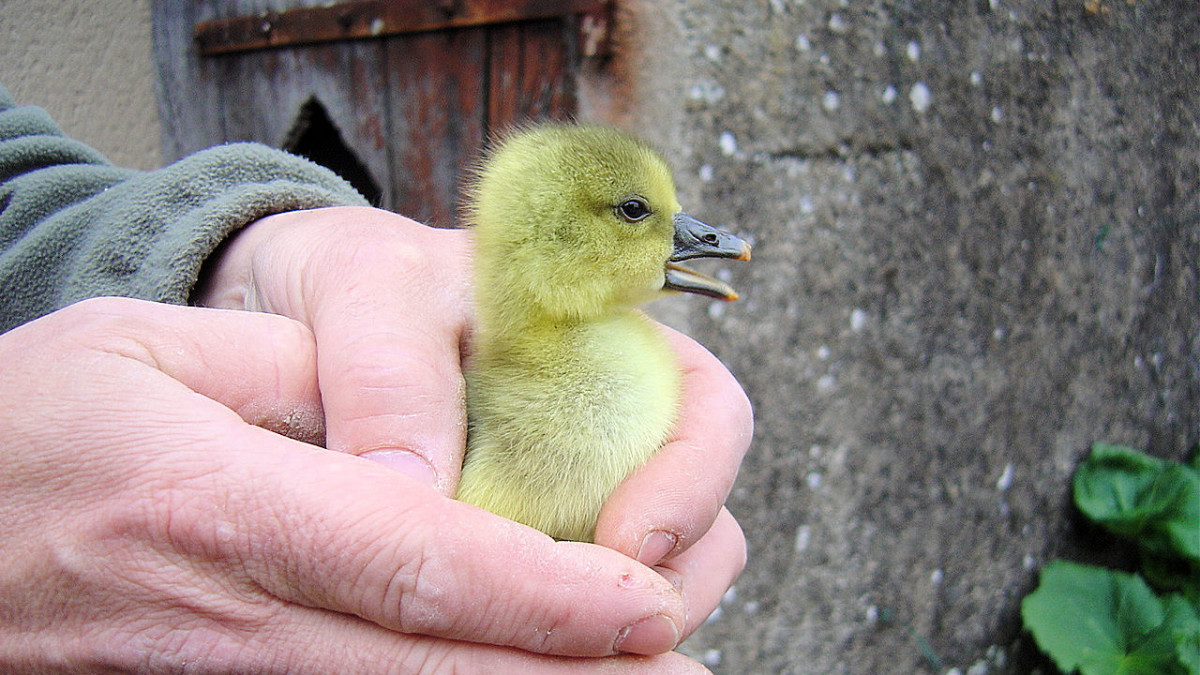
Have you ever wondered how tiny newborn gooslings manage to stay warm when the cold weather hits? These fragile little birds face harsh temperatures right from the start, yet they survive and grow strong.
Understanding their clever ways to beat the cold can surprise and inspire you. Keep reading to discover the amazing tricks newborn gooslings use to protect themselves—and what you can learn from their natural resilience.
Goose Nesting Habits
Goose nesting habits play a crucial role in how newborn goslings survive cold weather. The choices geese make about where and how to build their nests directly impact the warmth and safety of their young. Understanding these habits can give you insight into nature’s smart survival strategies.
Nest Location Choices
Geese pick nest sites with great care. They often choose areas that offer natural protection from wind and predators. You might find nests tucked near tall grasses, shrubs, or even small hills that block cold drafts.
Some geese prefer islands or spots near water, which helps reduce threats from land animals. Have you noticed how these locations also tend to have softer ground? This provides better insulation and comfort for the eggs and goslings.
Materials For Insulation
Geese line their nests with a mix of natural materials to keep the cold at bay. They use grass, leaves, and down feathers plucked from their own bodies. This combination creates a warm, soft bed that traps heat effectively.
Adding down feathers is a clever move. These feathers are lightweight but excellent at holding warmth. Next time you see a goose nest, look closely—you’ll likely spot this cozy layer, proving how geese prepare their homes thoughtfully.
Credit: practicalselfreliance.com
Physical Adaptations
Newborn goslings face cold weather with special physical features. These features help them stay warm and survive harsh conditions. Their bodies are built to protect against cold from the start.
Down Feathers And Insulation
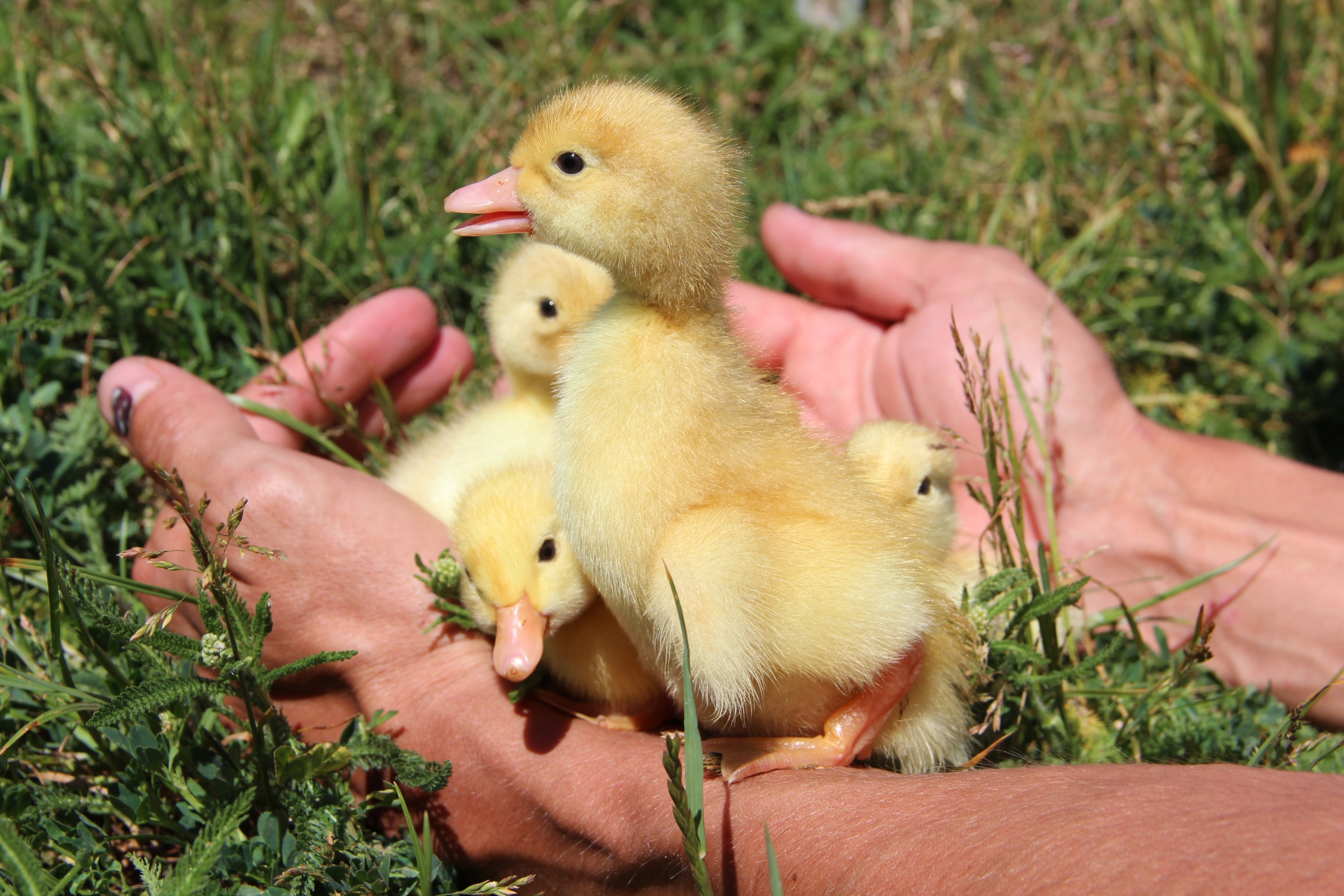
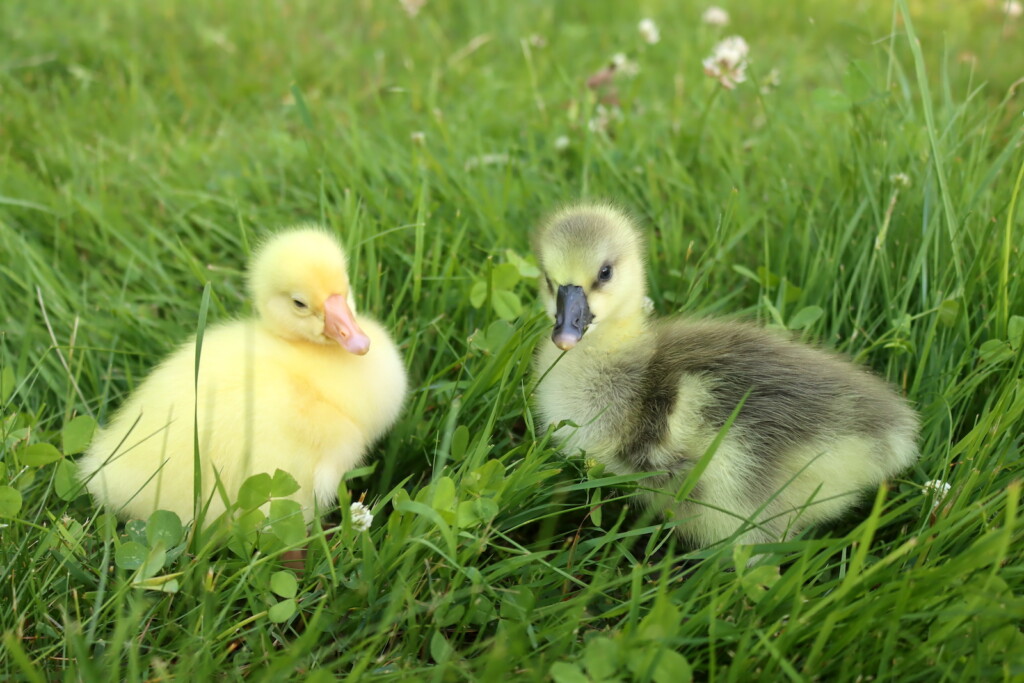
Down feathers cover goslings soon after birth. These feathers are soft and fluffy. They trap warm air close to the skin. This layer stops cold air from reaching the body. It acts like a natural blanket. The structure of down feathers also repels water. This keeps goslings dry, which is important in cold weather.
Body Fat Reserves
Goslings have fat stored under their skin. This fat acts as an energy reserve. It also provides extra insulation against cold. The thicker the fat layer, the better the heat retention. Fat helps maintain their body temperature. This is crucial during cold nights or windy days.
Parental Care
Newborn goslings face cold weather with the strong support of their parents. Parental care plays a crucial role in keeping them warm and safe. Parents use special behaviors to protect and nurture their young. These actions help goslings survive harsh conditions during their early days.
Brooding Techniques
Parent geese brood their goslings by using their bodies as a warm cover. They tuck the young under their wings to shield them from cold winds. This close contact transfers body heat to the goslings. It also keeps them dry during rain or snow. The parents may shift their position to cover all the goslings. This ensures each one stays warm and cozy.
Protective Behaviors
Geese act boldly to protect their goslings from threats and cold weather. They stay alert and watch for predators. If danger appears, parents lead goslings to safe places. They often choose sheltered spots near water or thick plants. Parents also huddle together with their young. This group warmth helps reduce heat loss. Protective behaviors reduce stress for the goslings, making survival easier.
Credit: practicalselfreliance.com
Behavioral Strategies
Newborn goslings face harsh cold weather that can quickly drain their small bodies of heat. To survive, they rely heavily on their behavior to maintain warmth and conserve energy. These behavioral strategies are simple yet incredibly effective, allowing them to thrive in chilly environments without complex technology or shelter.
Huddling For Warmth
One of the most powerful ways goslings stay warm is by huddling together. When you watch a group of goslings, you’ll notice they press close, sharing body heat like a natural blanket. This close contact reduces heat loss and creates a microenvironment that feels much warmer than the outside air.
Imagine feeling cold and then standing shoulder to shoulder with friends—that cozy warmth is exactly what goslings experience. This behavior also helps protect them from wind and moisture, which can sap their body heat even faster. Huddling is a simple strategy, but it’s life-saving for these little birds.
Activity Patterns In Cold
Goslings adjust their activity to conserve energy when it’s freezing. You might see them staying still for longer periods, reducing movements that would burn precious calories. When they do move, it’s often brief bursts to forage or shift positions within the group.
Have you noticed how sometimes you move less when you’re cold? Goslings do the same, instinctively knowing that staying still helps preserve their body heat. They also take advantage of sunny spots or sheltered areas to warm up, showing a keen sense of using their environment wisely.
Environmental Factors
Newborn goslings face harsh cold weather right from the start. Their survival depends heavily on the environment around them. Understanding these environmental factors reveals how nature supports their early days and keeps them warm.
Microclimate Benefits
Microclimates are small areas where temperature and humidity differ from the surrounding environment. Nest sites often create these warmer spots, sheltering goslings from wind and cold.
Parents choose locations near water or dense vegetation, which help trap heat. This choice creates a cozy microclimate that boosts the goslings’ chances of staying warm and safe.
Have you noticed how some birds seem to pick the perfect spot for their nests? This isn’t random—it’s nature’s way of giving their young a warmer start.
Timing Of Hatching
Hatching timing is another key factor. Goslings usually hatch in spring or early summer when the weather is milder.
This timing reduces their exposure to freezing temperatures. It also aligns with food availability, which is crucial for their energy and warmth.
Think about how timing affects your own comfort. Just like you wouldn’t start a trip without checking the weather, goslings benefit from nature’s perfect schedule.
Challenges And Threats
Newborn goslings face a harsh world from the moment they hatch. Cold weather adds layers of challenges that test their survival skills daily. Understanding these threats helps you appreciate the delicate balance goslings maintain to grow strong and healthy.
Predators In Cold Weather
Predators don’t take a break just because it’s cold. In fact, some become even more aggressive as food sources get scarce. Young goslings, unable to fly or run fast, are easy targets for foxes, hawks, and raccoons.
You might see adult geese fiercely guarding their young, honking loudly to warn off threats. But even with protection, the risk remains high. Have you ever noticed how goslings huddle tightly behind their parents? This behavior isn’t just for warmth—it’s also a shield against predators.
Impact Of Severe Weather
Severe cold snaps and icy winds can quickly drain a gosling’s energy. Their small bodies lose heat faster than adults, making hypothermia a serious danger. Without proper shelter or warmth, their chances of survival drop sharply.
Imagine a sudden snowstorm hitting a nest—goslings exposed to freezing rain can become weak and immobile. This is why you often see goslings clustering under their mother’s wings or in tall grasses. What do you think would happen if they couldn’t find such shelter?
Human Influence
Human activities deeply affect how newborn goslings survive cold weather. Our choices shape the environment where these young birds grow and face harsh temperatures. Understanding this influence helps you see how small actions can make a big difference for their survival.
Habitat Protection
Protecting wetlands and natural habitats is vital for goslings. These areas provide shelter and food essential for staying warm and healthy.
You can support efforts to preserve these spaces by:
- Backing local conservation projects.
- Reducing pollution that damages water quality.
- Participating in clean-up activities near lakes and rivers.
When habitats remain intact, goslings have safe spots to hide from cold winds and predators. Imagine a gosling tucked safely among reeds versus one exposed to open, freezing water. Which one would you bet on?
Effects Of Climate Change
Climate change disrupts the timing of seasons, affecting goslings’ ability to adapt. Warmer winters may cause early hatching, leading to food shortages when goslings need it most.
This unpredictability challenges their natural survival skills. You might notice fewer goslings making it through the cold if their environment changes too fast.
Ask yourself: How can your daily habits reduce greenhouse gas emissions? Simple steps like using public transport or supporting renewable energy help slow climate shifts that threaten goslings.
Credit: practicalselfreliance.com
Frequently Asked Questions
How Do Goslings Stay Warm In Cold Weather?
Newborn goslings rely on their down feathers for insulation. These fluffy feathers trap heat close to their bodies, keeping them warm. Additionally, goslings huddle together with their siblings and parents to share body warmth. This communal behavior is essential for their survival in cold weather conditions.
What Role Do Parent Geese Play In Warmth?
Parent geese play a crucial role in keeping goslings warm. They lead their young to sheltered areas and use their bodies to provide additional warmth. By staying close to their parents, goslings can maintain a stable body temperature, ensuring their survival during cold spells.
Do Goslings Have A Special Diet For Cold Weather?
Goslings consume a diet rich in nutrients to support growth and energy. Their diet consists of grasses and small insects, providing essential proteins and fats. These nutrients help goslings generate body heat, which is vital for their survival during cold weather.
How Do Goslings Regulate Their Body Temperature?
Goslings regulate their body temperature through a combination of behavior and physiology. They bask in the sun when possible and seek shelter during colder times. Their down feathers act as insulation, while their high metabolism helps generate necessary body heat to combat the cold.
Conclusion
Newborn gooslings use warmth from their mother and feathers to stay safe. They huddle close to share heat and block cold wind. Their soft down keeps them warm even in chilly weather. Staying near water helps them avoid freezing. These simple steps help gooslings survive cold days.
Nature gives them tools to handle tough weather. Watching them grow strong is truly amazing. Their survival shows how life adapts in cold climates.


