Have you ever wondered how monkeys manage to stay warm when the temperature drops? You might think these creatures belong only in hot jungles, but some monkeys live where it gets really cold.
How do they survive biting winds and freezing nights? You’ll discover the surprising ways monkeys keep their bodies warm and stay alive in chilly weather. By the end, you’ll see these clever animals in a whole new light—and maybe even learn a few tricks for handling the cold yourself.
Keep reading to unlock the secrets of monkey survival in cold weather!
Credit: www.reading.ac.uk
Cold Weather Challenges
Monkeys face many challenges during cold weather. Their survival depends on adapting to lower temperatures and scarce resources. Understanding these challenges helps explain their unique behaviors and physical changes. Cold weather impacts their body, food availability, and shelter needs deeply.
Impact On Monkey Physiology
Cold temperatures affect monkey bodies in several ways. Their metabolism must increase to produce extra heat. Monkeys grow thicker fur to trap warmth close to the skin. Blood flow changes to protect vital organs from freezing. These physical adjustments help monkeys maintain body heat.
Food Scarcity Issues
Winter limits the food monkeys can find. Many fruits and insects disappear during cold months. Monkeys search harder for nuts, seeds, and bark to eat. Energy from food must last longer, so they eat more calorie-rich items. Group foraging helps them find scarce food sources.
Shelter Needs
Monkeys need safe, warm places to rest in cold weather. They often use thick trees or rock crevices for shelter. Building nests from leaves and branches adds insulation. Staying in groups inside shelters helps share body heat. Proper shelter protects monkeys from wind and rain.
Physical Adaptations
Monkeys living in cold environments have special physical traits to survive harsh weather. These adaptations help them keep warm and protect against the cold. Their bodies change naturally to handle low temperatures without losing energy.
Thicker Fur And Insulation
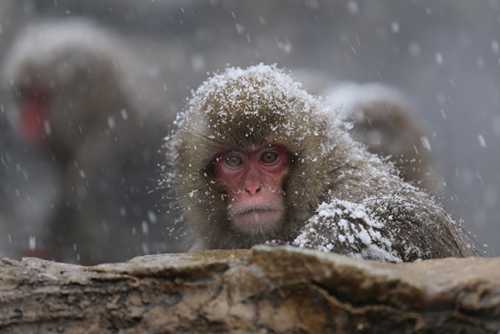
Monkeys grow thicker fur during cold months. This fur traps heat close to their skin. Dense fur acts like a natural blanket, preventing body heat from escaping. Some species have extra layers of fur around the neck and chest for added warmth.
Body Fat Reserves
Monkeys build up fat under their skin before winter. This fat works as insulation and energy storage. It helps keep their body temperature steady. Fat also provides fuel when food is scarce in cold seasons.
Reduced Extremity Exposure
Monkeys minimize heat loss by reducing exposure of their hands, feet, and tail. They curl up tightly to protect these parts. Some tuck their limbs close to the body to keep warm. This simple behavior reduces heat escaping from their extremities.
Behavioral Strategies
Monkeys use smart behaviors to survive cold weather. These behaviors help them save heat and stay safe. They change their daily actions to fight the cold. Their habits show how animals adapt to tough climates.
Huddling For Warmth
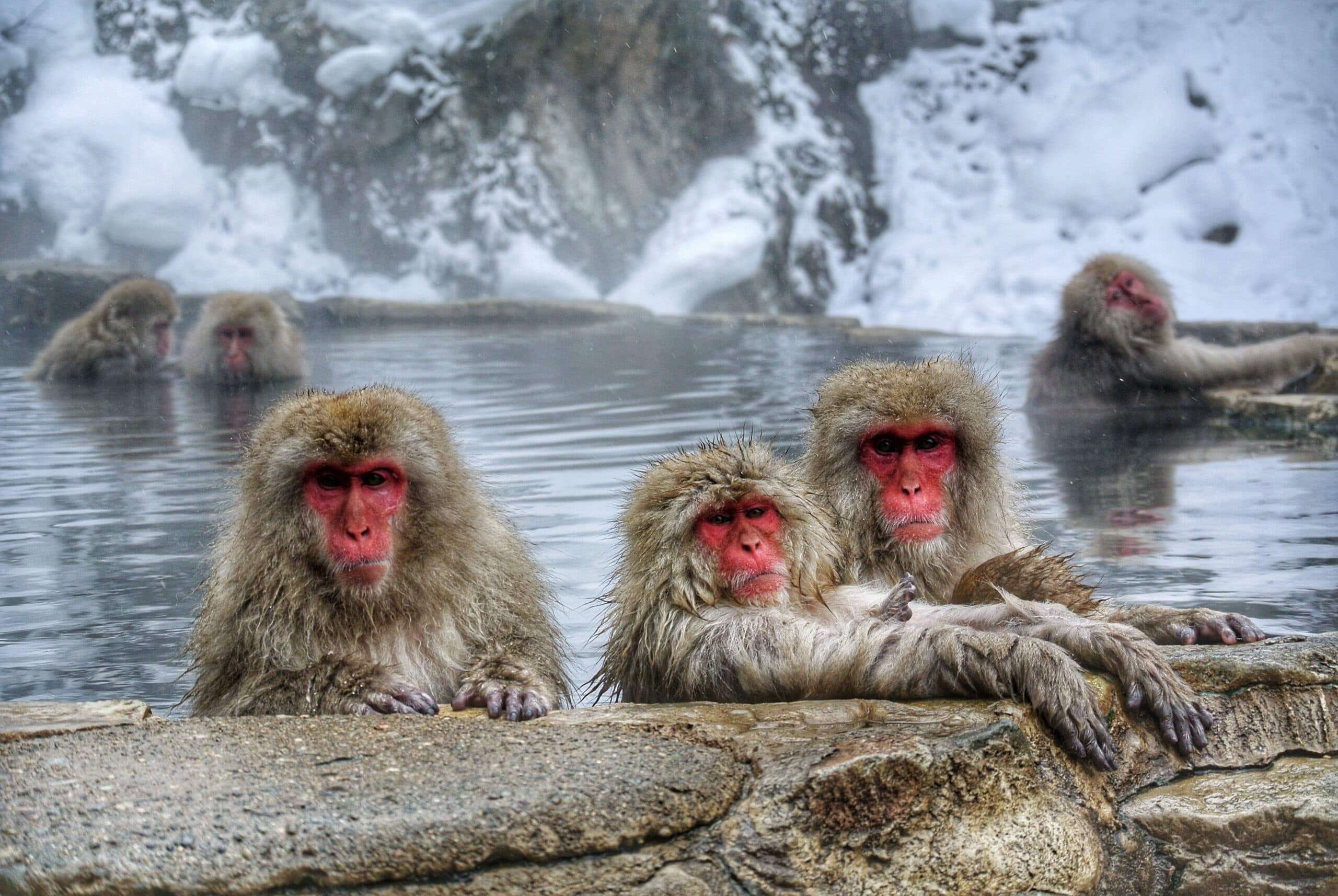
Monkeys often gather close together to share body heat. This huddling reduces heat loss and keeps each monkey warmer. They curl up tightly in groups, especially at night. This simple act helps them survive freezing temperatures.
Sunbathing Habits
Monkeys enjoy sitting in the sun during cold days. They find sunny spots to warm their bodies naturally. By spreading out and exposing their fur, they absorb sunlight efficiently. This behavior raises their body temperature without using extra energy.
Seasonal Movement Patterns
Some monkeys move to warmer areas as seasons change. They travel to lower altitudes or places with milder weather. This migration helps them avoid the coldest periods. Moving also gives them better access to food and shelter.
Credit: alaska-native-news.com
Diet Adjustments
Monkeys face tough challenges in cold weather, especially when it comes to finding the right food to keep warm and active. Their diet changes significantly to meet the energy demands of chilly days. These adjustments help them survive when resources are scarce and temperatures drop.
Foraging For Winter Foods
Monkeys shift their focus to foods that are available during winter. They search for bark, buds, and evergreen leaves, which are often overlooked in warmer seasons. You might be surprised how creative they get, digging through snow or peeling tree bark to find hidden nourishment.
This behavior shows how flexible their diet is. It makes you wonder: what foods in your own environment could provide extra energy during tough times?
Increased Caloric Intake
Cold weather forces monkeys to eat more calories to keep their bodies warm. They choose foods higher in fat and sugars, like nuts and seeds, which pack more energy in smaller bites. This extra fuel helps maintain their body heat and supports their active lifestyle, even in freezing conditions.
Think about your own winter diet—are you getting enough calories to stay energized and warm? Monkeys’ strategy might inspire you to pay closer attention to what fuels your body in cold weather.
Utilizing Stored Food
Some monkey species prepare in advance by storing food during warmer months. They hide nuts and fruits in tree crevices or under leaves to access later. This clever habit acts like a natural pantry, offering a reliable food source when fresh options are limited.
Have you ever tried preparing for colder days by saving snacks or meals? Monkeys’ food storage shows the power of planning ahead to survive and thrive through winter.
Social Dynamics
Social dynamics play a crucial role in how monkeys survive the harsh cold weather. Their interactions and relationships within the group create a support system that helps them stay warm and safe. Understanding these social behaviors can give you insight into the power of cooperation and communication in nature.
Group Cooperation
Monkeys huddle together to share body heat, forming tight clusters during cold nights. This simple act of cooperation can raise the temperature for everyone involved. Have you ever noticed how people naturally gather close around a campfire? Monkeys do the same but with their own bodies.
Beyond warmth, monkeys work together to find food and shelter during winter. Their ability to share resources and alert each other to dangers increases the group’s chances of survival. You can see how teamwork in tough conditions isn’t just a human trait.
Communication In Cold
Communication takes on a vital role when the temperature drops. Monkeys use a range of sounds, gestures, and facial expressions to keep the group coordinated. This helps them respond quickly to threats and maintain group cohesion.
Imagine being in a freezing environment without clear ways to warn your friends. Monkeys solve this by sending signals that can be understood instantly. This constant exchange keeps everyone informed and ready to act.
Protecting Vulnerable Members
Young, old, or sick monkeys face greater risks in cold weather. Group members often give these vulnerable individuals special attention. They might position them in the center of the huddle or share more food with them.
This protective behavior is more than kindness; it’s survival strategy. By ensuring weaker members stay healthy, the entire group remains strong. Can you think of ways your community supports its most vulnerable during hard times?
Case Studies
Monkeys show amazing ways to live through cold seasons. Different species adapt uniquely to harsh climates. These case studies reveal their survival strategies in cold weather. Understanding these examples helps explain their resilience and behavior.
Japanese Macaques In Snow
Japanese macaques live in areas with heavy snowfall. Their thick fur keeps them warm during freezing temperatures. They huddle in groups to share body heat. Hot spring baths help them stay warm and relaxed. These macaques also change their activity to save energy.
Himalayan Langurs’ Survival
Himalayan langurs live at high altitudes with cold winds. They grow dense fur to block cold air. These monkeys limit movement to reduce heat loss. They eat more during warmer parts of the day. Shelter in rocky crevices protects them from harsh weather.
Temperate Region Monkeys
Monkeys in temperate zones face cold winters and mild summers. They adapt by growing thicker coats in winter. Their diet shifts to available winter plants and insects. Group living helps maintain warmth and safety. Some species reduce activity to save energy during cold months.
Lessons From Nature
Nature teaches us many lessons through the survival of monkeys in cold weather. Their ability to adapt shows resilience and strength. Observing these animals helps us understand how life endures harsh conditions. These lessons inspire ideas for human challenges and environmental care. Understanding monkey survival strategies opens doors to new insights.
Applying Resilience Concepts
Monkeys stay warm by huddling together for body heat. They grow thicker fur to protect against the cold. Their movement patterns change to conserve energy. These natural behaviors show resilience and smart adaptation. Humans can learn to face difficulties with similar flexibility. Small changes in behavior can improve comfort and survival.
Conservation Implications
Protecting habitats helps monkeys survive cold seasons. Forests provide shelter and food sources crucial for winter. Climate change threatens these environments and monkey survival. Conservation efforts must focus on preserving natural areas. Healthy ecosystems support not only monkeys but many species. Saving nature means saving life in all forms.
Future Research Directions
Studying how monkeys adapt to cold can reveal new survival techniques. Research can explore fur insulation and social behaviors in detail. Scientists may find ways to help other animals and humans. Understanding climate impact on monkeys guides better protection plans. Future studies will deepen knowledge of nature’s resilience.

Credit: staffnews.lincoln.ac.uk
Frequently Asked Questions
How Do Monkeys Keep Warm In Winter?
Monkeys keep warm in winter by huddling together for body heat. They also grow thicker fur to insulate against the cold. Some species seek shelter in trees or caves. They may also reduce activity to conserve energy.
Do All Monkeys Survive Cold Weather?
Not all monkeys can survive cold weather. Only certain species have adapted to cold environments. Species like the Japanese macaque are well-suited for colder climates. Tropical monkeys generally cannot survive harsh, cold conditions.
What Adaptations Help Monkeys In Cold Climates?
Monkeys in cold climates have several adaptations. These include thicker fur, social huddling, and reduced activity levels. They also have a higher metabolic rate to generate body heat. These adaptations help them survive freezing temperatures.
Can Monkeys Find Food In Cold Weather?
Yes, monkeys can find food in cold weather. They forage for bark, seeds, and insects. Some store food in advance to use during winter. Their diet varies based on the available resources in their habitat.
Conclusion
Monkeys use many smart ways to stay warm in cold weather. They grow thick fur that protects them from the cold. Huddling together helps them share body heat and stay cozy. Some monkeys eat more food to get extra energy for warmth.
They also find sunny spots to rest and warm up. These natural habits help monkeys survive tough winters. Watching how they adapt shows how strong and clever animals can be. Nature’s way of helping them is truly amazing.


