Have you ever wondered which animals can survive without water? It sounds impossible, right?
Yet, some creatures have amazing ways to live without drinking water for long periods. Understanding how they do this can surprise you and change how you see survival. Keep reading to discover these incredible animals and learn the secrets behind their extraordinary endurance.
This knowledge might even inspire you in your own challenges. Are you ready to find out which animals beat the odds and live without water? Let’s dive in!
Animals Thriving Without Water
Some animals have mastered the art of survival without regular access to water. They live in harsh environments where water is scarce or nonexistent for long periods. Understanding how these creatures manage to thrive can teach you a lot about resilience and adaptation in nature.
Desert Dwellers And Their Adaptations
Desert animals like the kangaroo rat have special adaptations that help them survive without drinking water. Their kidneys are incredibly efficient, producing very concentrated urine to minimize water loss.
They also avoid activity during the hot day, coming out at night when it’s cooler. This behavior cuts down water loss through sweat and breathing.
Water From Food Sources
Many animals get the water they need from the food they eat. For example, the thorny devil lizard drinks moisture from the morning dew collected on its skin.
Some desert insects extract water from seeds or plants with high water content. This means they don’t have to search for open water, which can be dangerous or impossible.
Metabolic Water Production
Animals like the camel produce water internally through metabolic processes. When they break down fat stores, a chemical reaction creates water as a byproduct.
This metabolic water can be enough to keep them going for days without drinking. It’s a clever way to stay hydrated when external water sources are not available.
Camels: Masters Of Desert Survival
Camels are known as the ultimate survivors of harsh desert environments. These animals live in places with little water and extreme heat. Their bodies have adapted in special ways to handle these tough conditions. Camels do not just survive; they thrive where most animals would perish quickly. Understanding how camels manage without water reveals many surprising facts about nature’s design.
Water Storage Myths
Many people think camels store water in their humps. This is not true. The humps actually store fat, not water. The fat can be broken down into energy and water when food is scarce. Camels can drink large amounts of water quickly, but they do not carry water inside their bodies in large pools. Their real secret lies in their body’s ability to use water efficiently.
Efficient Hydration Mechanisms
Camels can drink up to 40 gallons of water in one go. They absorb water quickly into their bloodstream. Their red blood cells are oval-shaped, helping blood flow even when dehydrated. Camels lose less water through urine and sweat compared to other animals. They can survive for days without drinking by recycling moisture from their breath and food.
Temperature Regulation
Camels have a unique way to control body heat. Their body temperature can rise during the day to avoid sweating. This saves precious water. At night, their temperature drops to cool down. Thick fur protects them from sun and cold. Their long legs keep their body away from hot sand. These features help camels survive extreme desert heat with little water.
Other Notable Survivors
Some animals have amazing ways to live without much water. These creatures survive in harsh places where water is very rare. They use special tricks to save water or get it from food. Let’s explore a few other notable survivors that thrive with little or no water.
Kangaroo Rats And Water Conservation
Kangaroo rats live in dry deserts. They do not drink water at all. Instead, they get water from the seeds they eat. Their kidneys work very well to save every drop of water. They also stay in cool burrows during the day to avoid heat. This helps them keep water inside their bodies.
Tardigrades: Extreme Resilience
Tardigrades are tiny creatures also called water bears. They can survive without water for years. When dry, they curl into a ball and stop all activity. This state is called cryptobiosis. Once water returns, they come back to life quickly. Tardigrades can survive extreme heat, cold, and radiation too.
Australian Thorny Devil
The Australian thorny devil is a small lizard in deserts. It collects water through its skin. Tiny channels on its body direct water to its mouth. This lizard drinks dew and rain drops fast. It also eats ants, which contain some moisture. The thorny devil’s body helps it stay hydrated in dry lands.
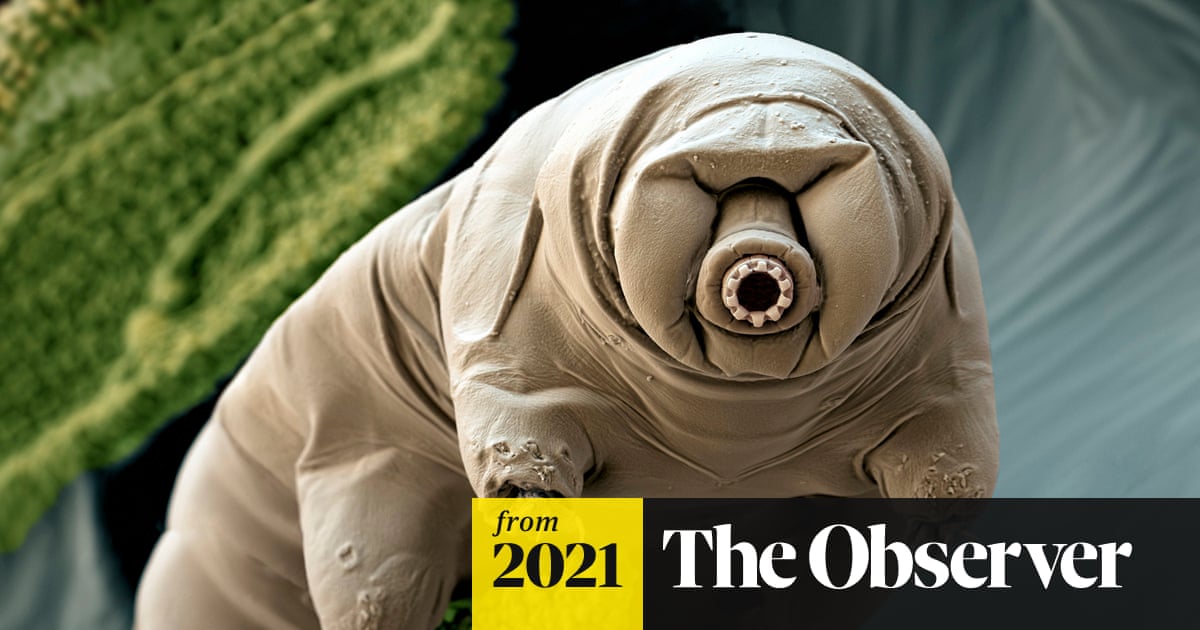
Credit: www.theguardian.com
Biological Mechanisms Behind Survival
Some animals survive long periods without drinking water. Their bodies have special ways to save and recycle water. These biological mechanisms help them live in dry, harsh places. Understanding these systems shows how animals adapt and thrive without constant water intake.
Kidney Function And Water Retention
Animals that survive without water have very efficient kidneys. These kidneys filter blood and remove waste with minimal water loss. They produce highly concentrated urine to keep water inside the body. This process helps maintain hydration for days or even weeks. Desert animals like kangaroo rats use this kidney function to survive dry conditions.
Behavioral Adaptations
Many animals change their behavior to save water. They reduce movement during the hottest parts of the day. Some eat moist foods that provide small amounts of water. Others store fat in their bodies, which breaks down into water when needed. These behaviors lower water use and increase survival chances.
Nocturnal Lifestyle Benefits
Living at night helps animals avoid heat and water loss. Cooler temperatures at night reduce sweating and breathing moisture loss. Nocturnal animals also face less competition for food and water. This lifestyle allows them to conserve water and energy effectively.
Lessons From Nature
Nature holds remarkable examples of survival, especially in extreme conditions where water is scarce. Some animals have evolved to live without direct water intake for extended periods, teaching us valuable lessons about adaptation and resilience. These natural strategies can inspire new ways to approach challenges in human life, technology, and environmental care.
Implications For Human Survival
Animals like the kangaroo rat survive without drinking water by extracting moisture from their food and minimizing water loss. This raises a question: how can humans better manage hydration and conserve water in harsh environments? Understanding these adaptations could lead to improved survival techniques for explorers, soldiers, and people living in drought-prone areas.
You might consider practical habits like eating water-rich foods or limiting sweat loss during extreme heat. Could learning from these animals change how you prepare for outdoor activities? Small adjustments based on natural models might help you stay hydrated longer without relying solely on water intake.
Inspiration For Technology
The way desert animals conserve water has inspired innovations in technology. For example, researchers study the kangaroo rat’s kidneys to design more efficient water filtration systems. This bio-inspired approach can lead to devices that recycle water or reduce consumption in homes and industries.
- Water-efficient cooling systems modeled after animal heat regulation
- Self-hydrating materials inspired by moisture-retaining animal skins
- Portable water harvesters mimicking natural condensation processes
Have you thought about how technology around you could use lessons from these animals? Such innovations might soon become part of daily life, helping conserve precious water resources.
Conservation Efforts
Animals that survive without water often live in fragile ecosystems vulnerable to climate change. Protecting these species means preserving their habitats and understanding their unique survival needs. Conservation programs focused on water-scarce environments can benefit from studying these animals’ behaviors and physiology.
You can support efforts by raising awareness about the importance of water conservation for wildlife. What role will you play in protecting these extraordinary creatures and the ecosystems they depend on? Every action counts when it comes to sustaining life in water-limited areas.

Credit: en.wikipedia.org

Credit: www.timesnownews.com
Frequently Asked Questions
What Animal Lives Without Water Longest?
The kangaroo rat can survive its entire life without drinking water. It obtains moisture from seeds and metabolic processes. This desert-dwelling rodent has adapted to conserve water efficiently. Its kidneys are specialized to produce highly concentrated urine. This helps minimize water loss.
How Do Desert Animals Survive Without Water?
Desert animals have evolved adaptations to survive with minimal water. They obtain moisture from food and metabolic processes. Many have specialized organs to conserve water. Behavioral adaptations, like being nocturnal, also help reduce water loss. These strategies enable them to thrive in arid environments.
Can Camels Survive Without Water?
Camels can survive for weeks without water. They store fat in their humps, which can be converted into water. Their bodies can withstand dehydration of over 25% of their body weight. Camels also minimize water loss through efficient body temperature regulation and concentrated urine.
Why Don’t Kangaroo Rats Need Water?
Kangaroo rats obtain all necessary moisture from their diet and metabolic water. They consume seeds rich in carbohydrates, which generate water when metabolized. Their kidneys produce highly concentrated urine, reducing water loss. These adaptations allow them to thrive in arid environments without drinking water.
Conclusion
Animals that survive without water show nature’s true strength. Some desert creatures live long by using stored moisture. These animals teach us about adaptation and survival. Their unique skills help them thrive in harsh places. Understanding them helps us respect life in all forms.
Nature’s wonders never stop amazing us. These animals prove life finds a way, even in dryness. Their survival is a reminder of nature’s power and balance.


