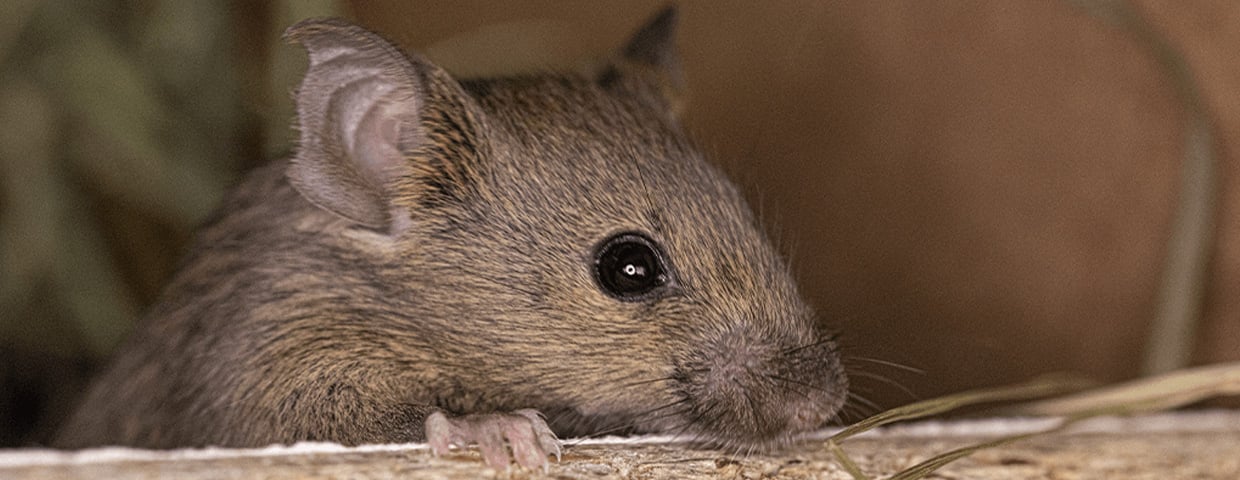
Have you ever wondered how long mice can survive without water? If you’re dealing with a mouse problem or just curious about these tiny creatures, understanding their survival limits can give you a surprising edge.
Knowing how long mice can go without water helps you predict their behavior and find the best way to handle them. Keep reading, and you’ll discover facts that might change the way you think about these small but persistent animals.

Credit: moxieservices.com
Mice Hydration Needs
Mice need water to survive, just like all animals. Their bodies use water for many tasks. Water helps keep their cells healthy and controls their body temperature. Without enough water, mice can quickly become weak and sick.
Understanding how mice get and use water helps us know how long they can live without it. Their hydration needs vary depending on their environment and diet. Some mice can survive on very little water by getting moisture from food.
Water Intake In Mice
Mice usually drink small amounts of water daily. Their water needs depend on factors like temperature and activity. A typical mouse drinks about 3 to 7 milliliters of water each day. This amount helps them stay active and healthy.
In hot weather, mice drink more water to avoid dehydration. In cooler places, they need less. Mice can reduce water loss by producing concentrated urine. This helps them keep water in their bodies longer.
Sources Of Moisture
Mice do not rely on drinking water alone. They also get moisture from the food they eat. Many mice eat fruits, seeds, and plants with high water content. This helps them stay hydrated when water is scarce.
- Fruits like berries and melons contain a lot of water.
- Seeds and grains provide small amounts of moisture.
- Some mice eat insects, which also contain water.
These sources help mice survive in dry conditions. They can use both food and direct water to meet hydration needs. This balance is vital for their survival in the wild.

Credit: moxieservices.com
Survival Without Water
Water is essential for all living creatures, including mice. Without water, their bodies cannot function properly. Survival without water depends on many factors like temperature and activity level. Mice are small animals, so they lose water quickly. Understanding how long they can live without water helps in pest control and animal care.
Typical Duration Without Water
Mice can survive about two to four days without water. This time varies based on conditions. In cooler environments, they may last longer. Hot weather speeds up dehydration and shortens survival time. Mice get some moisture from food, which can extend their survival.
Factors Affecting Survival Time
- Temperature:Higher temperatures increase water loss.
- Humidity:Dry air causes faster dehydration.
- Food availability:Moist food helps mice stay hydrated.
- Activity level:More active mice lose water faster.
- Health:Sick or weak mice survive less without water.
Adaptations For Water Scarcity
Understanding how mice survive without water reveals impressive adaptations that help them endure harsh conditions. These adaptations fall into two main categories: physiological changes and behavioral adjustments. Both work together to minimize water loss and maximize efficiency in dry environments.
Physiological Changes
Mice have evolved remarkable body functions to handle water scarcity. Their kidneys concentrate urine to reduce water loss, making their waste extremely dry. This means they can survive longer without drinking by conserving every drop internally.
Additionally, mice produce very little sweat because their small size and fur help regulate body temperature. This reduces the need for water to cool down. Their bodies also extract moisture from the food they eat, like seeds and plants, which helps maintain hydration.
Behavioral Adjustments
Beyond physical changes, mice change how they act to save water. They are mostly active at night when temperatures are cooler and humidity is higher, which slows down water loss. During the hot daylight hours, they hide in burrows that retain moisture and offer shade.
You might notice mice chewing on damp materials or eating foods with high water content. These choices help them get extra fluids without drinking. Could you apply similar strategies—like adjusting your activity or diet—to stay hydrated in tough conditions?
Comparing Water Survival In Rodents
Rodents show different abilities to survive without water. Their habitats and diets shape these skills. Some live where water is scarce. Others find moisture in their food. Comparing these differences helps us understand their survival better.
Mice Vs. Rats
Mice and rats have similar needs but differ in water tolerance. Rats usually survive longer without direct water. They extract moisture from food better than mice. Mice rely more on water sources nearby. Rats’ larger size helps store more water in their bodies. Both avoid water loss by being active at night. Their kidneys conserve water efficiently, but rats have a slight edge.
Desert Rodents’ Strategies
Desert rodents thrive with almost no water intake. They get moisture from seeds and plants they eat. Their bodies reduce water loss through urine and sweat. Some species produce very dry feces to save water. They stay underground during the hottest hours to avoid dehydration. These rodents have adapted over time to survive harsh conditions. Their survival tactics contrast sharply with common mice and rats.
Impact Of Environment
The environment plays a big role in how long mice can live without water. Different conditions affect their survival time. Some settings make it harder for mice to stay hydrated. Others help them save water and survive longer. Understanding these factors shows how adaptable mice are to harsh conditions.
Humidity And Temperature Effects
High humidity helps mice keep water inside their bodies. It slows down water loss through their skin. In dry air, mice lose water faster. Hot temperatures also increase water loss. Mice sweat less but breathe faster to cool down. This causes more water evaporation. Cold weather lowers their water needs. Mice can survive longer without drinking in cooler places.
Availability Of Food And Water
Mice get some water from the food they eat. Foods with high moisture help reduce their need for direct water. Seeds and dry food provide less water. In places with scarce food and water, survival time decreases. Mice can eat plants, fruits, or insects to stay hydrated. Access to water sources directly impacts their survival chances.
Shocking Survival Facts
Mice are incredibly resilient creatures, often surprising us with their ability to survive harsh conditions. But how long can they really go without water? The truth might shock you.
Understanding these survival facts can change how you think about pest control, wildlife care, or even your local ecosystem. Ready to uncover some unexpected truths?
Extreme Cases Of Dehydration
Mice can survive without direct water sources for about 3 to 4 days, but this can stretch longer under certain conditions.
In dry environments, mice rely heavily on the moisture in their food to stay hydrated. Some desert mice have adapted to survive up to two weeks without drinking water by extracting water from seeds and plants.
This ability shows how flexible their bodies are. But it also raises questions—how would your local mice cope if water became scarce?
Myths And Misconceptions
One common myth is that mice drink large amounts of water daily. In reality, they get most of their water from food, especially fresh fruits and vegetables.
Another misconception is that mice can survive indefinitely without water. Without hydration, their survival time is limited and depends on factors like temperature and food moisture content.
Have you ever noticed a mouse nibbling on fruits or moist foods rather than seeking out water? That behavior supports the fact that food moisture plays a crucial role in their hydration.
Implications For Pest Control
Understanding how long mice can survive without water shapes pest control strategies. Mice need water to live, but they can survive several days without it. This knowledge helps target their water sources to control infestations effectively.
Water Source Management
Removing water sources limits mice survival chances. Check homes and yards for leaky pipes or standing water. Store pet water bowls away at night. Keep trash bins sealed tightly to avoid moisture. Dry environments reduce mouse activity and nesting.
Use these tips to manage water sources:
- Fix plumbing leaks quickly
- Empty containers holding water
- Clear gutters and drains regularly
- Seal cracks where water seeps in
Effective Control Techniques
Combine water source management with other control methods. Use traps and bait stations near known water spots. Place barriers to block mouse entry into buildings. Maintain cleanliness to remove food and water attractants. Monitor regularly to catch new activity early.
These techniques improve pest control results:
- Set snap traps along mouse pathways
- Use bait stations with rodenticides carefully
- Seal holes larger than ¼ inch
- Keep storage areas dry and tidy
Credit: pethelpful.com
Frequently Asked Questions
How Long Can Mice Go Without Water?
Mice can survive for about 2 to 4 days without water. They can extract moisture from their food. However, without direct water intake, their survival becomes challenging. Always ensure they have access to fresh water to maintain their health and well-being.
Do Mice Get Water From Food?
Yes, mice can get water from their food. Many foods, especially fruits and vegetables, contain water. This helps them stay hydrated. However, having a direct water source is essential for their overall health and longevity.
What Happens If Mice Lack Water?
If mice lack water, they become dehydrated. Dehydration can lead to organ failure and ultimately death. They may exhibit lethargy and reduced activity. Providing constant access to water is crucial for their survival and well-being.
Can Mice Survive On Dry Food Alone?
Mice can survive on dry food, but it’s not ideal. Dry food lacks sufficient moisture, which can lead to dehydration. It’s important to supplement their diet with water-rich foods or provide a water source to ensure hydration.
Conclusion
Mice can survive only a few days without water. Their bodies need water to work well. They get some moisture from food, but it is not enough. Without water, mice feel weak and tired fast. Knowing this helps in controlling pests safely.
It also shows how important water is for all living things. Simple facts like these make nature more interesting to learn about. Keep this in mind when dealing with mice or studying animals. Water keeps life moving every day.


