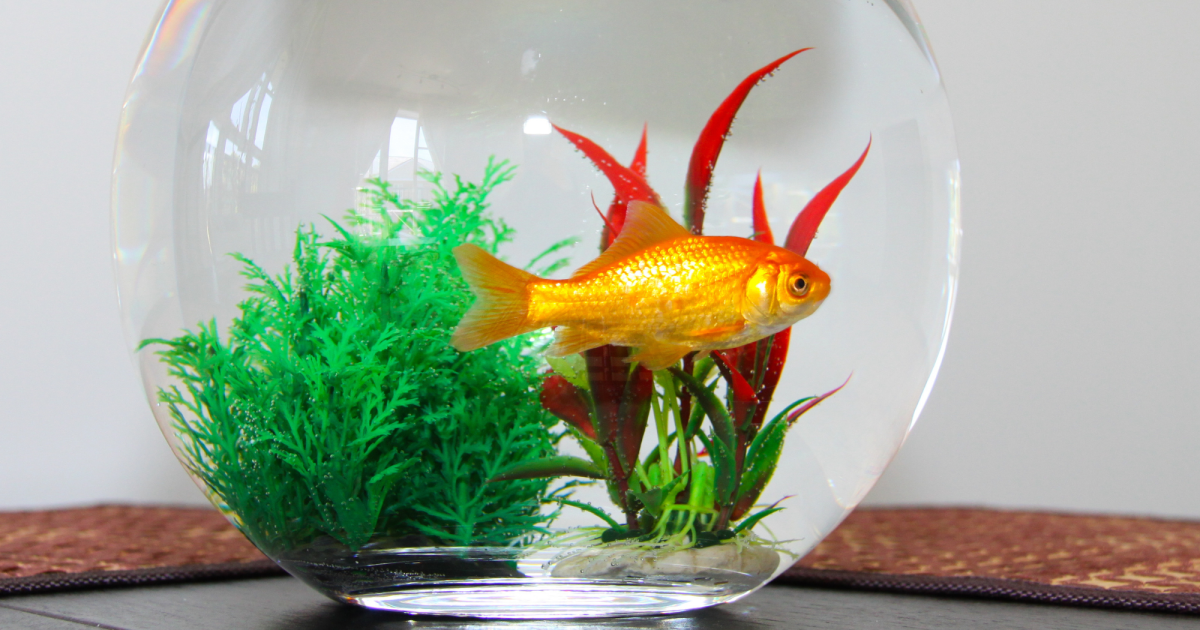
Have you ever wondered if your fish can live happily in tap water? If you’re setting up a new aquarium or just curious about your pet’s health, this question is more important than you might think.
The water you use can make all the difference between a thriving fish and one that struggles. You’ll discover what’s really in tap water and whether it’s safe for your fish. Keep reading to find out how you can create the best environment for your finned friends and avoid common mistakes that many fish owners make.
Your fish’s health depends on the water you choose—let’s make sure it’s the right one.
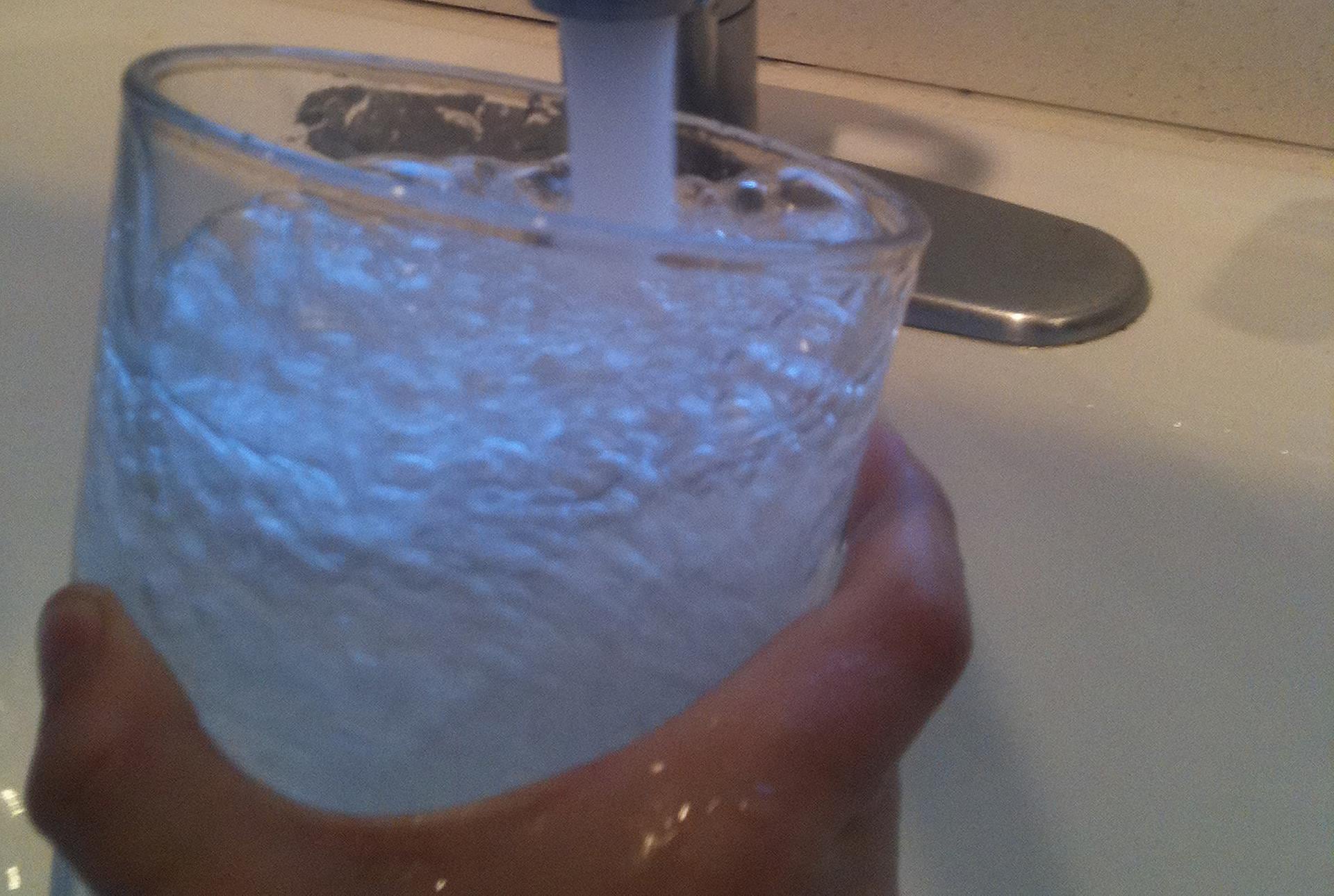
Credit: www.opb.org
Tap Water Composition
Understanding the composition of tap water is crucial if you want to keep fish healthy in your aquarium. Tap water contains various chemicals and minerals that can affect fish survival. Knowing what’s in your tap water helps you take the right steps to make it safe for your aquatic pets.
Common Chemicals In Tap Water
Your tap water often contains chemicals added to ensure safety for human use, but these can harm fish. Chlorine and chloramine are frequently used to kill harmful bacteria. Besides these, trace amounts of heavy metals like copper and lead may also be present, depending on your water source.
Have you ever wondered why your fish act stressed after a water change? It could be due to these chemicals. Testing your tap water or using a water conditioner can help eliminate these harmful substances.
Chlorine And Chloramine Effects
Chlorine is highly toxic to fish, even in small amounts. It can damage their gills and skin, leading to severe stress or death. Chloramine, a combination of chlorine and ammonia, is even more stubborn since it doesn’t evaporate easily.
Simply letting your water sit for 24 hours won’t remove chloramine. You need a water conditioner designed to neutralize both chlorine and chloramine. Do you know what type of disinfectant your tap water uses? This knowledge can save your fish’s life.
Ph Levels And Hardness
pH measures how acidic or alkaline your water is, and fish thrive best within specific pH ranges. Most tap water has a pH between 6.5 and 8.5, but sudden shifts can shock your fish. Water hardness, or mineral content, also affects fish health and behavior.
Some fish prefer soft water with low mineral content, while others need harder water. Regularly testing these parameters helps you adjust the water to suit your fish’s needs. Have you checked your tap water’s pH and hardness recently?
Fish Sensitivity To Water Quality
Fish are very sensitive to the quality of water they live in. Their survival depends on many factors in the water. Tap water often contains chemicals and minerals that may harm certain fish species. Understanding how fish react to water quality helps keep them healthy and alive.
Species-specific Requirements
Different fish species need different water conditions. Some fish thrive in soft, acidic water. Others prefer hard, alkaline water. Tap water varies in pH and mineral content. This can cause stress or illness in sensitive fish. Knowing each species’ needs is key to choosing the right water.
Impact Of Contaminants
Tap water may contain chlorine, chloramine, and heavy metals. These substances can be toxic to fish. Even small amounts can damage gills and skin. Chemicals disrupt fish breathing and immune systems. Removing contaminants before adding fish is essential for safety.
Oxygen Levels And Temperature
Oxygen in water is vital for fish survival. Tap water may lack enough oxygen right after filling. Fish need well-oxygenated water to breathe easily. Temperature also affects oxygen levels and fish health. Warm water holds less oxygen and stresses fish. Maintaining proper oxygen and temperature supports healthy fish life.
Risks Of Using Untreated Tap Water
Using untreated tap water for fish tanks carries several risks. Tap water contains substances harmful to fish health. These chemicals and impurities can cause immediate or long-term damage. Understanding these risks helps protect your aquatic pets.
Toxicity From Chemicals
Tap water often has chlorine and chloramine. Both are toxic to fish, damaging their gills and skin. Heavy metals like copper and lead may also be present. These metals accumulate in fish tissues and cause poisoning. Chemicals from pipes or treatment plants can harm fish health quickly.
Stress And Disease Risks
Untreated water stresses fish by disrupting their natural environment. Stress weakens their immune systems. Fish become vulnerable to infections and parasites. Poor water quality encourages harmful bacteria growth. Stress leads to erratic behavior and reduced appetite.
Long-term Health Effects
Continuous exposure to untreated tap water causes chronic problems. Fish may develop deformities or organ damage. Reproductive issues and shorter lifespans are common. Long-term chemical exposure reduces fish vitality and growth. Healthy water conditions are essential for fish survival.

Credit: www.reddit.com
Preparing Tap Water For Fish
Preparing tap water for fish is essential to create a safe and healthy environment. Untreated tap water often contains chemicals and minerals that can harm your aquatic pets. Taking the time to treat and adjust your water can make a significant difference in your fish’s health and longevity.
Dechlorination Methods
Chlorine and chloramine are commonly added to tap water to kill bacteria. Unfortunately, these chemicals are toxic to fish. You need to remove them before adding water to your tank.
One simple way is to let the water sit for 24-48 hours. This allows chlorine to evaporate naturally. However, chloramine does not evaporate and requires special treatment.
Using a water conditioner specifically designed to neutralize chlorine and chloramine is the most reliable method. These products instantly make tap water safe by breaking down harmful chemicals.
Water Conditioning Products
Water conditioners come in various forms such as liquids and tablets. They not only remove chlorine and chloramine but also detoxify heavy metals like copper and lead. These metals can leach from pipes and harm your fish.
Many conditioners also add beneficial substances, like slime coat enhancers, which help protect your fish from stress and infections. Choosing a product that fits your specific water issues is key.
I once used a basic dechlorinator only to find my fish stressed and lethargic. Switching to a conditioner with heavy metal detoxifiers improved their behavior dramatically. This shows how important it is to know what’s in your tap water and pick the right product.
Testing And Adjusting Parameters
Tap water varies widely in pH, hardness, and temperature. Testing these parameters before adding water to your aquarium is crucial. You can use simple test kits available at pet stores or online.
If the pH is too high or low for your fish species, you may need to adjust it. For example, adding driftwood can naturally lower pH, while crushed coral can raise it. Hardness can also be adjusted with commercial products or natural materials.
Temperature matters, too. Sudden changes can shock your fish. Always match the new water’s temperature to the tank water before adding it. Do you check your tap water regularly? Making this a habit could save your fish from avoidable stress.
Alternatives To Tap Water
Tap water is often the go-to choice for filling your fish tank, but it isn’t always the best option for your aquatic pets. Many fish species are sensitive to chemicals like chlorine and chloramine found in tap water, which can harm their health. Exploring alternatives can help you create a safer and more natural environment for your fish to thrive.
Using Filtered Water
Filtered water is an easy upgrade from plain tap water. Using a reliable water filter removes harmful chemicals, heavy metals, and impurities that could stress your fish.
Filters like activated carbon or reverse osmosis systems are popular choices. These systems can improve water quality dramatically, making it safer for delicate fish.
Have you checked the quality of your tap water lately? Sometimes even municipal water can contain unexpected contaminants.
Rainwater And Distilled Water
Rainwater is a natural alternative, but it requires caution. It’s free from chlorine and heavy metals but can carry pollutants from the air or surfaces it touches.
Distilled water is another option, known for its purity. However, it lacks minerals essential for fish health, so you’ll need to add aquarium salts or supplements to balance it.
Choosing between these depends on your local environment and your ability to treat the water properly.
Benefits Of Natural Water Sources
Natural water sources like springs or well water often provide a balanced mix of minerals and trace elements. This can closely mimic the fish’s natural habitat, promoting better health and color vibrancy.
However, natural sources should always be tested for contaminants and pH levels before use. Getting the right water chemistry is crucial to avoid stress or illness in your fish.
Have you ever tried using natural water sources for your aquarium? You might find it offers benefits that tap water simply can’t match.

Credit: clearlyfiltered.com
Tips For Maintaining Healthy Aquarium Water
Maintaining healthy aquarium water is key to keeping fish alive and happy. Clean, stable water supports fish health and prevents diseases. It also helps plants and beneficial bacteria thrive. Use simple, regular habits to ensure the water stays safe for your fish.
Regular Water Changes
Change part of the water often to remove waste and toxins. Aim for 10-20% water change weekly. Use a siphon to clean the gravel and remove debris. Replace with fresh, dechlorinated water at the same temperature. This keeps water fresh and fish comfortable.
Monitoring Water Quality
Test water regularly for pH, ammonia, nitrites, and nitrates. Use easy test kits from pet stores. Keep pH stable, usually between 6.5 and 7.5 for most fish. Ammonia and nitrites should be zero. Nitrates must stay low, below 20 ppm. Watch fish for signs of stress or illness.
Proper Filtration Systems
Use a filter suitable for your tank size. Filters remove waste, uneaten food, and harmful chemicals. Choose between mechanical, biological, or chemical filtration types. Clean or replace filter media as recommended. A good filter keeps water clear and healthy for fish.
Frequently Asked Questions
Can Fish Live Safely In Untreated Tap Water?
Fish cannot survive long in untreated tap water due to chlorine and harmful chemicals. Tap water must be treated to remove toxins and balance pH for fish health.
How To Make Tap Water Safe For Fish?
Use water conditioners to neutralize chlorine and chloramine. Test and adjust pH, temperature, and hardness to match your fish’s natural habitat before introducing them.
Why Is Tap Water Harmful To Aquarium Fish?
Tap water often contains chlorine, chloramine, and heavy metals. These substances damage fish gills, stress their immune system, and can lead to illness or death.
Can All Fish Species Survive In Tap Water?
No, survival depends on species tolerance. Some hardy fish tolerate tap water better, but most require treated water to thrive and avoid health problems.
Conclusion
Fish can survive in tap water, but with care. Always treat the water first. Chlorine and chloramine can harm fish. Use a dechlorinator to make water safe. Test pH levels regularly. Keep water temperature stable. Proper filtration is crucial for a healthy environment.
Know your fish’s specific needs. Some species are more sensitive. Research is key to success. Provide a suitable habitat for your aquatic friends. Healthy water means happy fish. Follow these steps for thriving fish in your tap water. Enjoy the beauty of a vibrant aquarium at home!


