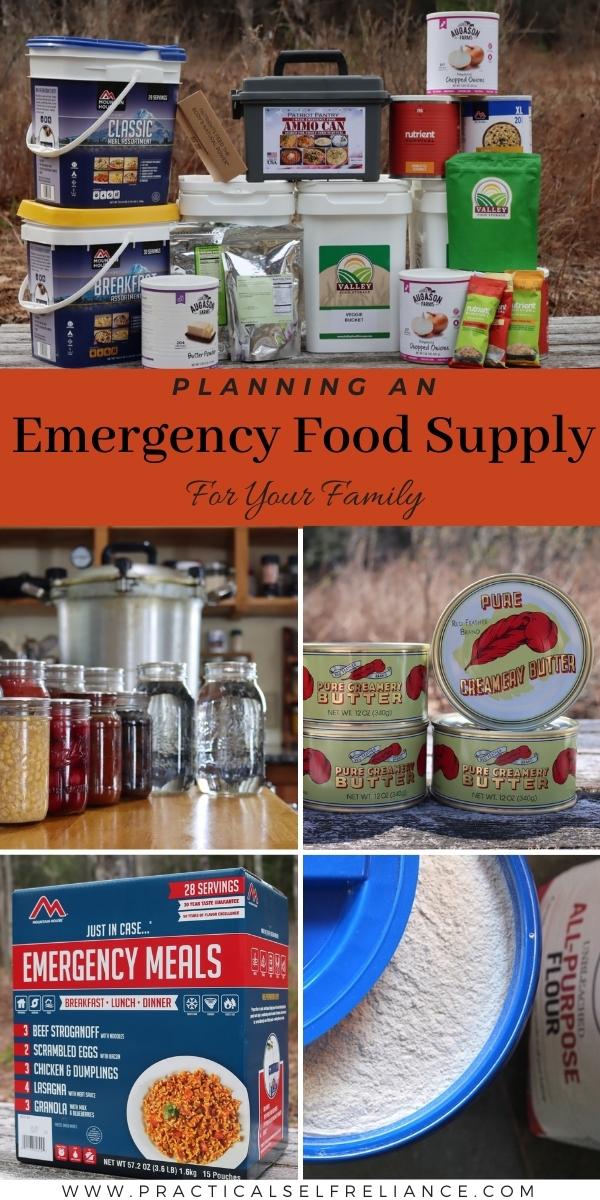
When an emergency strikes, having the right food can make all the difference for you and your loved ones. But what kind of food should you buy to stay safe, nourished, and calm when access to fresh groceries is limited?
Choosing the wrong items could leave you hungry or scrambling for supplies when time is critical. This guide will help you pick the best foods that are easy to store, last long, and provide the energy you need. Keep reading to discover simple, smart choices that can keep you prepared and confident no matter what happens.
Long Shelf Life Foods
Choosing foods with a long shelf life is key for any emergency supply. These foods last for months or even years without losing nutrition or taste. They provide steady energy and essential nutrients during tough times. Storing long-lasting foods reduces waste and saves money. Focus on foods that resist spoilage and need little preparation.
Canned Goods
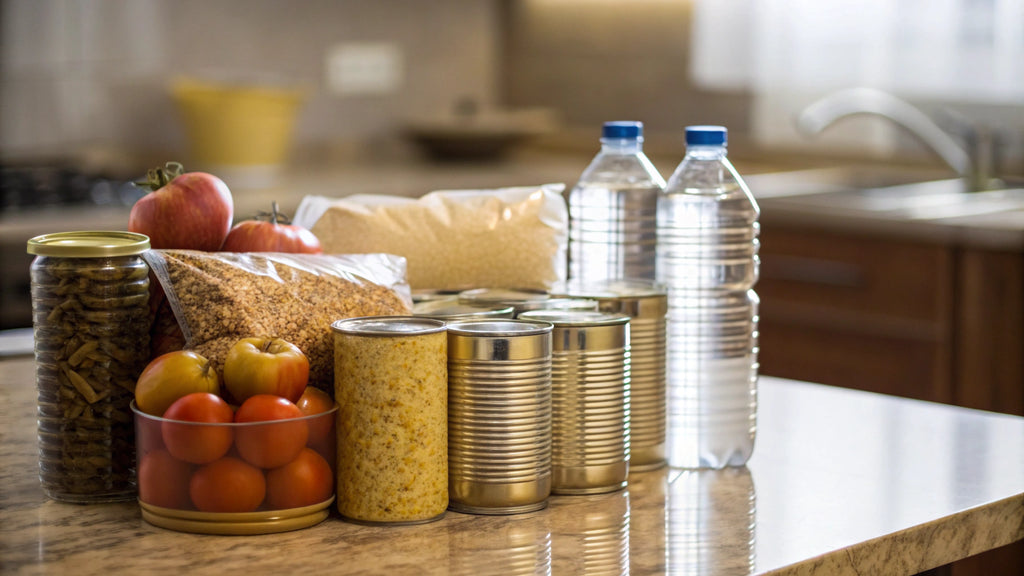
Canned foods are a smart choice for emergency kits. They stay fresh for years sealed tight. Popular canned items include:
- Vegetables like corn and green beans
- Fruits such as peaches and pineapple
- Meats like tuna, chicken, and beef
- Soups and stews
Cans protect food from air and moisture. Always check the expiration dates. Store cans in a cool, dry place.
Dry Grains And Legumes
Grains and legumes are staples that last long when kept dry. Examples include:
- Rice
- Oats
- Beans
- Lentils
These foods supply carbohydrates, fiber, and protein. Keep them in airtight containers to avoid pests. They need water and heat to cook. Dry grains and legumes are budget-friendly and versatile.
Dehydrated And Freeze-dried Meals
Dehydrated and freeze-dried foods lose almost all moisture. This extends shelf life to several years. They include:
- Fruits and vegetables
- Full meals like pasta and rice dishes
- Soups and snacks
These meals are lightweight and easy to store. Just add water to rehydrate. They keep nutrients well and taste good. Ideal for quick, no-fuss emergency meals.

Credit: www.jackery.com
High-energy Options
High-energy foods keep your body fueled during emergencies. These foods provide calories and nutrients to maintain strength and focus. Choose items that store well and are easy to eat without cooking. Focus on options rich in healthy fats, protein, and carbohydrates.
Nuts And Seeds
Nuts and seeds offer a powerful energy boost. They contain healthy fats, protein, and fiber. These nutrients help keep hunger at bay and provide steady energy. Examples include almonds, walnuts, sunflower seeds, and pumpkin seeds.
Store them in airtight containers to prevent spoilage. They make a perfect snack for quick energy anytime.
Energy Bars And Trail Mix
Energy bars combine carbs, fats, and proteins in one convenient package. They last long and are easy to carry. Choose bars with natural ingredients and low added sugar.
Trail mix blends nuts, seeds, dried fruits, and sometimes chocolate. This mix delivers energy, vitamins, and minerals. It also provides a variety of flavors and textures to keep snacks interesting.
Nut Butters
Nut butters like peanut, almond, or cashew butter are calorie-dense and nutritious. They provide healthy fats and protein to sustain energy levels. Spread them on crackers or eat with fruit slices.
Choose natural versions without added sugars or hydrogenated oils. Store in a cool, dry place to extend shelf life.
Nutrient-dense Choices
Choosing nutrient-dense foods for your emergency supplies is essential to keep your energy levels steady and your body functioning well. These foods pack a lot of vitamins, minerals, and calories into small, easy-to-store packages. Think about the last time you felt sluggish—could better food choices during tough times make a real difference?
Dried Fruits
Dried fruits are a smart choice for emergencies. They last a long time without refrigeration and provide natural sugars for quick energy. Plus, they are rich in fiber, vitamins like A and C, and antioxidants.
Keep a variety such as apricots, raisins, and cranberries on hand. They’re lightweight and easy to snack on, making them perfect if you need a fast nutrient boost. Have you ever noticed how a handful of dried fruit can revive your energy during a long day?
Powdered Milk And Eggs
Powdered milk and eggs offer essential proteins and calcium without the need for refrigeration. They are easy to store and can be rehydrated when needed to prepare meals or drinks.
Including these in your emergency kit gives you flexibility to cook nutritious meals or add protein to snacks. Imagine having the option to make scrambled eggs or creamy sauces even when fresh ingredients aren’t available.
Vitamin Supplements
Even with the best food, you might miss out on some vital nutrients. Vitamin supplements help fill those gaps, especially for vitamins D, B12, and C, which are crucial for immune support and energy.
Keep a well-rounded multivitamin and consider specific ones based on your dietary needs. Do you have a plan to maintain your nutrient balance if fresh fruits and vegetables run out?
Easy-to-prepare Foods
Easy-to-prepare foods save time and effort during emergencies. They require little or no cooking. This makes them ideal for situations with limited resources or power outages.
Choosing foods that are simple to prepare helps maintain energy and morale. It also reduces stress when conditions are tough.
Instant Noodles And Soups
Instant noodles and soups are quick and convenient. They only need hot water to be ready. These foods come in small, lightweight packages. They have a long shelf life, making them perfect for emergency kits.
- Easy to carry and store
- Variety of flavors to choose from
- Heat quickly, providing warmth and comfort
Ready-to-eat Meals
Ready-to-eat meals require no cooking. They come in cans, pouches, or vacuum-sealed packs. These meals include rice, beans, meat, and vegetables. They provide balanced nutrition and save time.
- No heating necessary, just open and eat
- Compact packaging for easy storage
- Offers a range of options, including vegetarian
Mres (meals Ready To Eat)
MREs are military-style meals designed for emergencies. They contain a main dish, snacks, and utensils. MREs have a long shelf life and are nutrient-dense. They are perfect for survival kits and outdoor adventures.
- Includes a heating pack for warm meals
- Contains balanced portions of protein, carbs, and fats
- Durable packaging resists damage and moisture
Water And Hydration Essentials
Water is the most important item in any emergency kit. Staying hydrated keeps your body working well. Without enough water, health problems can start quickly. It is important to have a good supply of clean drinking water and ways to keep it safe. Also, replacing salts and minerals lost through sweat is key during emergencies.
Bottled Water
Bottled water is an easy and safe choice. Store enough water for each person in your group. Experts suggest one gallon per person each day. Keep bottles in a cool, dark place. Check expiration dates and replace old bottles regularly. Use BPA-free bottles to avoid harmful chemicals.
Water Purification Methods
Water from natural sources may contain germs and dirt. Purification methods make water safe to drink. Boiling water for at least one minute kills most germs. Water purification tablets are lightweight and simple to use. Portable water filters remove bacteria and parasites. Carry more than one method to be prepared for all situations.
Electrolyte Solutions
Electrolytes help your body keep a healthy balance of fluids. They replace salts lost when sweating or being sick. Sports drinks contain electrolytes but often have sugar. Electrolyte powder mixes are a good alternative. Keep packets or bottles in your emergency kit. Drinking these solutions helps maintain energy and prevents dehydration.
Special Dietary Needs
Special dietary needs require careful planning in emergency food supplies. People with allergies, dietary restrictions, or preferences need safe and suitable options. Preparing for these needs ensures everyone stays nourished and healthy. Stocking the right foods can reduce stress during emergencies.
Gluten-free Options
Gluten-free foods are essential for those with celiac disease or gluten sensitivity. Choose items like rice, corn, and quinoa. Pack gluten-free oats, canned vegetables, and gluten-free pasta. Check labels to avoid hidden gluten in processed foods. Keep gluten-free snacks like nuts and seeds on hand for quick energy.
Vegetarian And Vegan Picks
Vegetarian and vegan diets focus on plant-based foods. Include dried beans, lentils, and chickpeas for protein. Stock canned vegetables and fruits for vitamins and minerals. Keep nuts, seeds, and nut butters for healthy fats. Plant-based protein powders can help boost nutrition in emergencies.
Allergy-friendly Foods
Allergy-friendly foods avoid common triggers like nuts, dairy, and eggs. Read labels carefully to avoid cross-contamination. Pack safe options like rice cakes, applesauce, and canned meats if allowed. Consider hypoallergenic formulas for infants and children with allergies. Always have an emergency plan for severe allergic reactions.
Storage And Rotation Tips
Storing emergency food properly is just as important as choosing the right items. Without a good system, you risk wasting your supplies or facing spoiled food when you need it most. Let’s look at how smart storage and rotation keep your emergency food fresh and ready.
Proper Food Storage
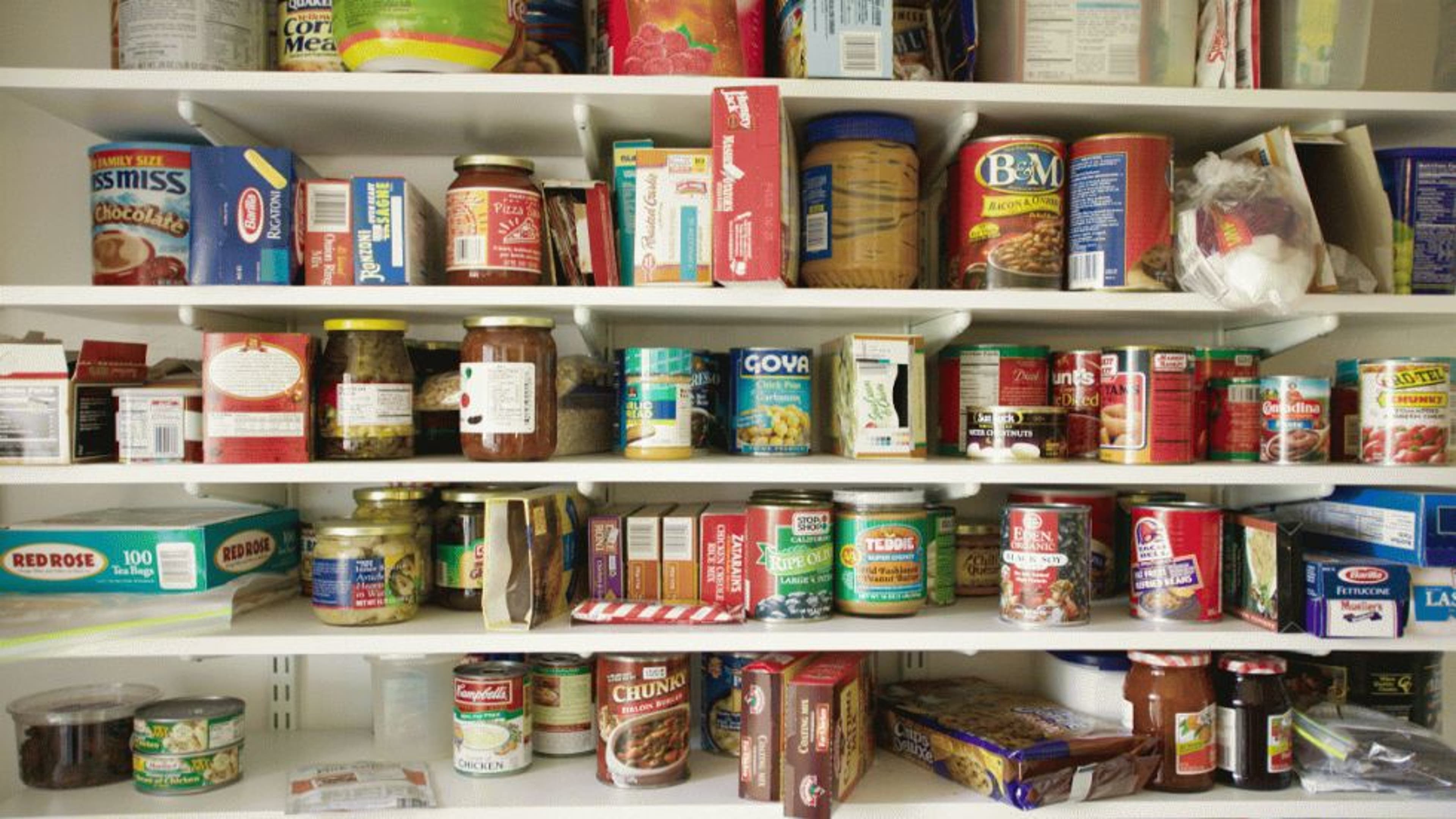
Keep your emergency food in a cool, dry place away from direct sunlight. Heat and moisture speed up spoilage, so a pantry or basement shelf works well. Use airtight containers or sealed bags to protect food from pests and air exposure.
Label each container with the purchase or packaging date. This simple step helps you track how long your food has been stored. Avoid stacking heavy items on top of fragile cans or jars to prevent damage.
Regular Inventory Checks
Schedule time every few months to review your emergency food supply. Check for any signs of damage, swelling cans, or leaks. This habit helps you catch problems early before food becomes unsafe to eat.
Keep a written or digital list of your items and their expiration dates. This makes it easier to plan meals and know what to replace. Ask yourself: Are you rotating items so older food gets used first?
Replacing Expired Items
Expired food isn’t just less tasty—it can be unsafe. Swap out items that have passed their expiration dates promptly. Buy replacements during your regular grocery runs to spread out the cost.
Use the “first in, first out” approach: eat older food before newer stock. This keeps your emergency pantry fresh without waste. Have you set reminders on your phone or calendar to check your supplies regularly?
Credit: www.battlbox.com
Credit: weather.com
Frequently Asked Questions
What Are The Best Non-perishable Emergency Foods?
The best non-perishable emergency foods include canned beans, rice, pasta, dried fruits, nuts, and powdered milk. These foods have a long shelf life and provide essential nutrients during emergencies.
How Much Food Should I Store For Emergencies?
Store at least a two-week supply of food for each person. Consider dietary needs and include a variety of nutrients for balanced meals.
Which Foods Provide The Most Energy In Emergencies?
High-calorie foods like peanut butter, nuts, granola bars, and dried fruits provide quick and sustained energy during emergencies.
Can I Store Fresh Produce For Emergencies?
Fresh produce has a limited shelf life. Focus on canned or freeze-dried fruits and vegetables for long-term emergency storage.
Conclusion
Stocking up on emergency food ensures safety and peace of mind. Choose foods that last long. Canned goods, dried fruits, and nuts are great options. Don’t forget water, it’s crucial. Keep a balanced variety for nutrition. Check expiration dates regularly.
Rotate your stock to avoid waste. Plan meals to stretch resources. Simple preparations work best during crises. Stay informed about your specific needs. Creating a food supply doesn’t have to be hard. Prepare wisely, stay ready. Your preparedness today could save stress tomorrow.


