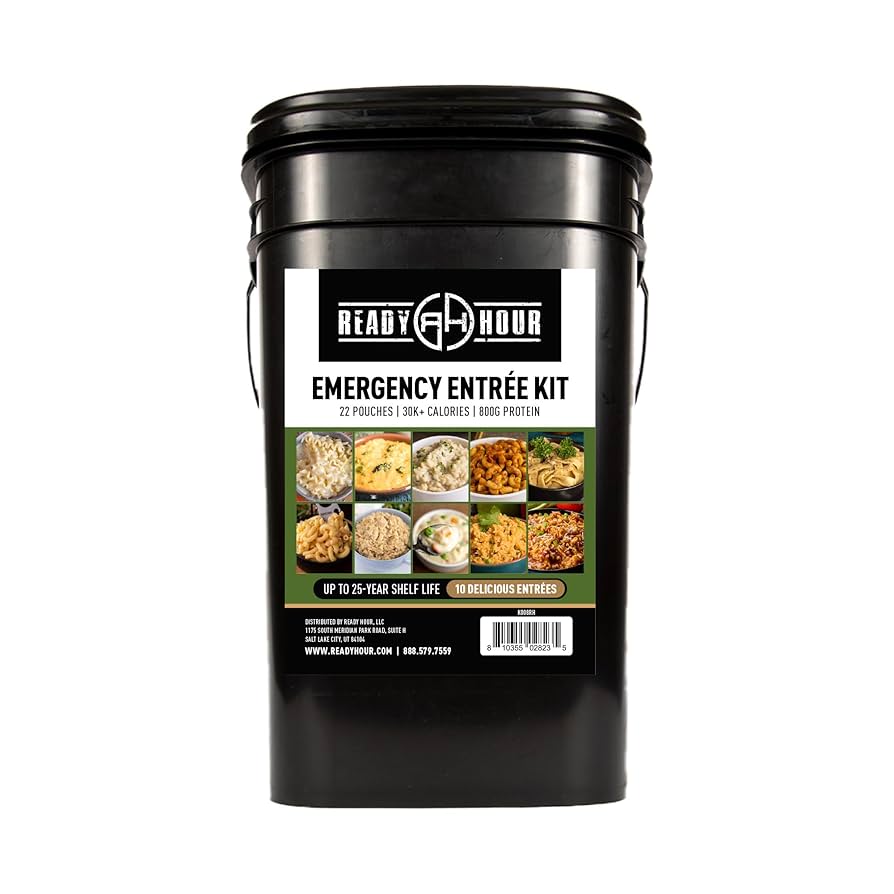
When disaster strikes, having the right emergency food can make all the difference for you and your loved ones. But with so many options out there, how do you know what to buy?
You want food that lasts long, tastes good, and keeps you energized when it matters most. This guide will help you choose the best emergency food to keep your pantry ready for any situation. Keep reading—you’ll discover simple tips that make preparing for emergencies easier and less stressful than you ever thought.

Credit: readywise.com
Choosing Long-lasting Foods
Choosing long-lasting foods is key for any emergency food supply. Foods that stay fresh for a long time save money and reduce waste. They also ensure you have enough nutrition during uncertain times.
Focus on foods that resist spoilage and keep their flavor and nutrients. Understanding the shelf life, types of preserved foods, and proper storage helps build a reliable emergency pantry.
Shelf Life Considerations
Shelf life means how long food stays safe to eat. It varies widely depending on the food type and storage conditions. Some foods last a few months; others can last years.
Check the expiration dates and best-by labels on packages. Pick foods with the longest shelf life that fit your dietary needs. Remember, dry and low-moisture foods last longer than fresh or moist foods.
- Grains and pasta: 1-2 years
- Canned goods: 2-5 years
- Dried beans and legumes: 1-3 years
- Freeze-dried meals: up to 25 years
Types Of Preserved Foods
Preserved foods keep well because they lack moisture or have added preservatives. Common types include:
- Canned foods:Vegetables, fruits, meats sealed to prevent spoilage.
- Dried foods:Dehydrated fruits, vegetables, and meats with water removed.
- Freeze-dried foods:Frozen then dried quickly to preserve nutrients and texture.
- Vacuum-sealed foods:Air removed to slow oxidation and bacteria growth.
Choose a variety to keep meals interesting and balanced. Some foods need water or cooking; others can be eaten directly.
Packaging And Storage Tips
Packaging plays a big role in food longevity. Look for airtight, moisture-proof, and light-resistant packaging. Mylar bags with oxygen absorbers are excellent for long-term storage.
Store food in cool, dark, and dry places. Avoid heat and sunlight which speed up spoilage. Use clear containers to check food condition without opening.
- Label packages with purchase and expiration dates.
- Rotate supplies by using older items first.
- Keep foods off the floor to prevent moisture damage.
- Use shelves or pallets for better air circulation.
High-calorie And Nutrient-dense Options
Choosing high-calorie and nutrient-dense foods is vital for emergency food supplies. These foods provide enough energy and essential nutrients to keep you strong. They help maintain health during times when fresh food is limited.
Focus on foods that offer calories and important vitamins and minerals. Pack items that last long and are easy to prepare. This ensures you have reliable nutrition in any situation.
Energy-rich Staples
- Rice and pasta offer long-lasting energy and store well.
- Oats provide fiber and steady calories for energy.
- Dried fruits like raisins and apricots give quick sugar and nutrients.
- Nuts and seeds supply healthy fats and calories.
- Peanut butter is calorie-dense and easy to store.
Protein Sources
- Canned beans and lentils are excellent plant-based protein.
- Canned tuna, salmon, and chicken provide high-quality animal protein.
- Powdered eggs or milk powders add protein and calcium.
- Freeze-dried meats last long and retain nutrition.
- Protein bars can be a quick and convenient option.
Vitamins And Minerals
- Freeze-dried vegetables keep vitamins intact for long periods.
- Multivitamin supplements help cover nutritional gaps.
- Salt is essential for electrolyte balance and flavor.
- Fortified cereals provide extra iron and B vitamins.
- Canned fruits help supply vitamin C during emergencies.
Ready-to-eat Vs. Requires Preparation
Choosing between ready-to-eat and foods that need preparation is key for emergency planning. Ready-to-eat options save time and require no cooking. Foods needing preparation often last longer and offer variety. Both types have pros and cons. Consider your situation and resources before deciding.
Dehydrated And Freeze-dried Meals
Dehydrated and freeze-dried meals need water to rehydrate. They are lightweight and last for years. Perfect for long-term storage and space-saving. Preparation requires clean water and sometimes heat. Meals include pasta, rice dishes, and soups. Easy to carry for camping or emergencies.
Canned Goods
Canned goods are ready-to-eat and need no cooking. They include vegetables, beans, meats, and fruits. Long shelf life and good nutrition. Can be eaten cold or heated. Heavy and bulky compared to dried foods. Great for quick meals and storage.
Mres And Meal Bars
MREs (Meals Ready to Eat) are complete meals in a package. No cooking needed, just open and eat. Designed for military use, high in calories and nutrition. Meal bars are compact, portable, and last long. Ideal for quick energy and emergencies. Both are convenient and mess-free options.

Credit: www.amazon.com
Water And Hydration Essentials
Water is the most important item in any emergency food supply. Staying hydrated keeps your body working well. Without clean water, food and medicine lose their value. Prepare for emergencies by focusing on water storage, purification, and electrolyte balance. These essentials ensure survival and comfort during tough times.
Water Storage Solutions
Store water in sturdy, food-grade containers. Use containers that do not leak or break easily. Large water barrels and smaller jugs both have benefits. Barrels hold more water but are harder to move. Jugs are easy to carry and refill. Keep water in a cool, dark place to avoid bacteria growth.
- 5-gallon water barrels with spigots
- 1-gallon water jugs or bottles
- Collapsible water containers for space saving
- Water storage bags for emergencies
Water Purification Methods
Purify water to remove harmful germs and chemicals. Boiling water for at least one minute kills most bacteria. Water purification tablets are lightweight and easy to use. Portable water filters remove dirt and parasites. UV light purifiers destroy microorganisms without chemicals.
- Boiling water
- Water purification tablets
- Portable water filters
- UV light purifiers
Electrolyte Replacements
Electrolytes keep your body’s fluids balanced. They help muscles work and prevent cramps. Store powdered electrolyte mixes or ready-to-drink solutions. Choose options low in sugar and easy to dissolve. Salt tablets can also help replace lost sodium.
- Powdered electrolyte drink mixes
- Ready-made electrolyte drinks
- Salt tablets for sodium replacement
- Oral rehydration salts (ORS)
Special Dietary Needs
Special dietary needs require extra attention when choosing emergency food supplies. Your health depends on getting the right nutrients, even in unexpected situations. Missing critical dietary requirements can cause discomfort or worse, so planning ahead is essential.
Allergies And Intolerances
Food allergies and intolerances must be prioritized in your emergency food stock. Common allergens like nuts, dairy, gluten, and shellfish can trigger severe reactions. Always read ingredient labels carefully and choose hypoallergenic options.
Consider stocking up on allergy-friendly alternatives such as rice-based snacks, seed butters, or gluten-free grains. Have emergency medications on hand, and avoid cross-contamination by storing allergen-free foods separately. Ask yourself: have you tested these foods before storing them long-term?
Vegetarian And Vegan Options
If you follow a vegetarian or vegan diet, your emergency food should reflect that. Protein sources like beans, lentils, quinoa, and nuts provide lasting energy and nutrition. Freeze-dried vegetables and fruits also keep well and add variety.
Look for ready-made vegan meals or meal kits designed for long shelf life. Keep in mind that some products may contain hidden animal ingredients, so double-check labels. Have you identified your favorite plant-based meals that won’t spoil quickly?
Baby And Elderly Nutrition
Babies and elderly family members have unique nutritional needs that standard emergency food may not meet. Babies require formula or baby food designed for sensitive digestion and growth. For the elderly, softer foods rich in vitamins and minerals are vital.
Stock pureed fruits, cereals, and easy-to-swallow proteins like canned fish or soft legumes. Don’t forget hydration options suitable for these groups, such as electrolyte solutions or nutrient-rich drinks. Are you confident your emergency supplies support every family member’s health?
Additional Survival Supplies
Emergency food is vital, but survival needs more than just food. You need tools and supplies to prepare meals and stay safe. These supplies support your food and help you manage during power outages or outdoor situations. Choose items that are reliable and easy to use.
Cooking And Heating Tools
Cooking food requires proper tools. A portable stove or small camping burner works well. Fuel canisters or wood for fire should be part of your kit. A lightweight pot or pan helps cook meals evenly. Heat packs or a small grill can also be useful. Avoid large, heavy equipment that is hard to carry.
Utensils And Containers
Eating and storing food needs the right utensils. Pack reusable or disposable forks, spoons, and knives. Bowls and plates made of durable plastic or metal are best. Sealable containers keep food fresh and prevent spills. Collapsible water bottles save space. Don’t forget a can opener for canned goods.
Emergency Lighting And Power
Light is essential when power is out. Flashlights and headlamps provide hands-free lighting. Extra batteries must be stored safely. Solar-powered lanterns offer long-lasting light without fuel. Portable power banks keep phones and small devices charged. Candles can help but use with caution to avoid fire risks.
Stock Rotation And Maintenance
Stock rotation and maintenance are essential to keep your emergency food supply fresh and reliable. Without regular checks, you risk consuming expired or spoiled food when you need it most. Keeping your stock organized and updated ensures that your emergency preparedness is effective and stress-free.
Checking Expiration Dates
Make it a habit to check the expiration dates on your emergency food regularly. Set a reminder every few months to review your stock, so nothing slips past its prime. If you find items nearing their expiration, plan to use or replace them promptly.
Think about the last time you discovered a can of beans expired two years ago. Would you want to rely on that in an emergency? Keeping an eye on dates helps you avoid this situation and keeps your supply trustworthy.
Proper Storage Conditions
Food lasts longer when stored correctly. Keep your emergency food in a cool, dry, and dark place to prevent spoilage. Avoid areas with fluctuating temperatures or high humidity, such as garages or basements without climate control.
Use airtight containers to protect your food from pests and moisture. Labeling storage boxes with contents and dates can save you time and confusion later. Your emergency food should be as ready to eat as the day you bought it.
Replacing Used Items
Every time you use part of your emergency food supply, replace it immediately. This keeps your stock complete and ready for any unexpected situation. Think of it as a cycle: use, replace, and check.
Consider integrating emergency foods into your regular meals. This way, you naturally rotate stock while avoiding waste. Wouldn’t it be reassuring to know your supplies are always fresh because you’re using and replenishing them regularly?
Credit: readywise.com
Frequently Asked Questions
What Is The Best Emergency Food To Buy?
The best emergency food should be non-perishable, nutritious, and easy to store. Opt for canned goods, dried fruits, nuts, and freeze-dried meals. These options provide essential nutrients and have long shelf lives. Always check expiration dates and rotate stock regularly to ensure freshness.
How Long Do Emergency Food Supplies Last?
Emergency food supplies typically last between 5 to 25 years, depending on the product. Canned goods usually last 2 to 5 years, while freeze-dried meals can last up to 25 years. Proper storage in a cool, dry place can extend shelf life.
Always check expiration dates for safety.
What Should I Avoid In Emergency Food?
Avoid foods that require refrigeration or have short shelf lives. Fresh produce, dairy, and meats spoil quickly without power. Also, steer clear of high-sodium or high-sugar items, as they can lead to dehydration. Opt for balanced, nutrient-rich options to maintain health during emergencies.
Are Canned Foods Good For Emergencies?
Yes, canned foods are excellent for emergencies due to their long shelf life and nutrient content. They are easy to store and require no cooking. Choose a variety of canned vegetables, fruits, and proteins. Ensure you have a manual can opener accessible for convenience.
Conclusion
Choosing the right emergency food keeps you ready for any situation. Focus on items that last long and provide good nutrition. Include a mix of canned goods, dry foods, and easy-to-prepare meals. Don’t forget water and special dietary needs. Store food in a cool, dry place for safety.
Regularly check and replace expired items. Being prepared helps you stay calm and healthy during emergencies. Start building your emergency food supply today for peace of mind.


