Imagine facing an emergency without enough food to keep you going. What would you eat?
Having the right kind of food ready can make a huge difference when things get tough. You want food that lasts, gives you energy, and keeps you strong. You’ll discover exactly what kind of food you should have in an emergency.
By the end, you’ll feel confident knowing your food supplies can support you no matter what happens. Keep reading to protect yourself and your loved ones with smart food choices.
Non-perishable Staples
Non-perishable staples form the backbone of any emergency food supply. These foods last long without refrigeration or special storage. They provide essential nutrients and energy during tough times. Choosing the right non-perishables ensures you stay nourished and healthy.
Stock foods that have long shelf lives and easy preparation. Focus on items that offer protein, carbohydrates, and fats. Variety keeps meals balanced and prevents boredom. Pack foods that suit your taste and dietary needs.
Canned Goods
Canned foods are convenient and durable. They keep well for years without spoiling. Common options include:
- Canned vegetables – peas, corn, green beans
- Canned fruits – peaches, pineapple, fruit cocktail
- Canned meats – tuna, chicken, salmon
- Canned soups and stews
Look for low-sodium and BPA-free cans. Rotate cans regularly to use older items first.
Dry Grains And Legumes
Grains and legumes provide long-lasting energy and protein. They store well in airtight containers. Examples include:
- Rice – white, brown, jasmine
- Pasta – various shapes and sizes
- Beans – black beans, lentils, chickpeas
- Quinoa and oats
These foods cook easily and fill you up. Keep some spices to improve flavor.
Powdered And Shelf-stable Dairy
Dairy products add calcium and protein to your diet. Powdered and shelf-stable versions last longer than fresh dairy. Options include:
- Powdered milk
- Powdered cheese
- Shelf-stable milk cartons
- Powdered eggs
These products help with baking and cooking. Store them in cool, dry places away from sunlight.
High-energy Snacks
High-energy snacks are essential in any emergency food supply. They provide quick calories and sustain your energy levels when you might not have access to hot meals or full kitchens. Choosing the right snacks can make a real difference in how well you cope during unexpected situations.
Nuts And Seeds
Nuts and seeds pack a powerful energy punch in a small package. Almonds, walnuts, sunflower seeds, and pumpkin seeds are rich in healthy fats, protein, and fiber, helping you stay full longer.
They don’t spoil easily and are easy to store. Have you ever noticed how a handful of almonds can keep you going during a long day? That’s the kind of energy you want in an emergency.
Energy Bars And Trail Mix
Energy bars are designed for convenience and high calories. Look for bars with natural ingredients and a good balance of carbs, protein, and fats.
Trail mix combines nuts, dried fruits, and sometimes chocolate or granola. It offers variety and a mix of nutrients. Packing some trail mix in your emergency kit means you have a tasty, ready-to-eat option that keeps your energy steady.
Dried Fruits
Dried fruits like apricots, raisins, and dates are sweet, nutrient-dense snacks. They provide quick energy from natural sugars and essential vitamins.
Because they are lightweight and last a long time, dried fruits are perfect for emergency kits. Can you imagine having a sweet, chewy snack that also boosts your vitamin intake when fresh fruit isn’t available?
Hydration Essentials
Staying hydrated during an emergency is crucial. Your body needs water to function properly, especially when stress and physical activity increase. Without enough fluids, dehydration can set in quickly, making it harder to think clearly and stay healthy.
Bottled Water
Bottled water is the easiest and safest way to ensure you have clean drinking water. Keep at least one gallon per person per day stored for emergencies. Rotate your supply every six months to maintain freshness.
Think about your storage space—cool, dark places help water last longer. If you’ve ever experienced a power outage, you know how quickly taps can run dry. Having bottled water ready eliminates that worry.
Electrolyte Powders
Water alone isn’t always enough. When you sweat or get sick, your body loses essential minerals like sodium and potassium. Electrolyte powders help replace these quickly and keep you energized.
They are lightweight and easy to store, making them perfect for emergency kits. Just add them to your water supply to maintain your body’s balance. Have you ever felt weak or dizzy during a hot day? Electrolytes can prevent that.
Water Purification Methods
If you run out of bottled water, knowing how to purify natural sources is vital. Boiling water for at least one minute kills most harmful germs. Portable water filters can remove bacteria and protozoa effectively.
Chemical tablets or drops are another option, especially when heat isn’t available. Practice using these methods before an emergency strikes to build your confidence. What sources of water are near you that could serve as backups?

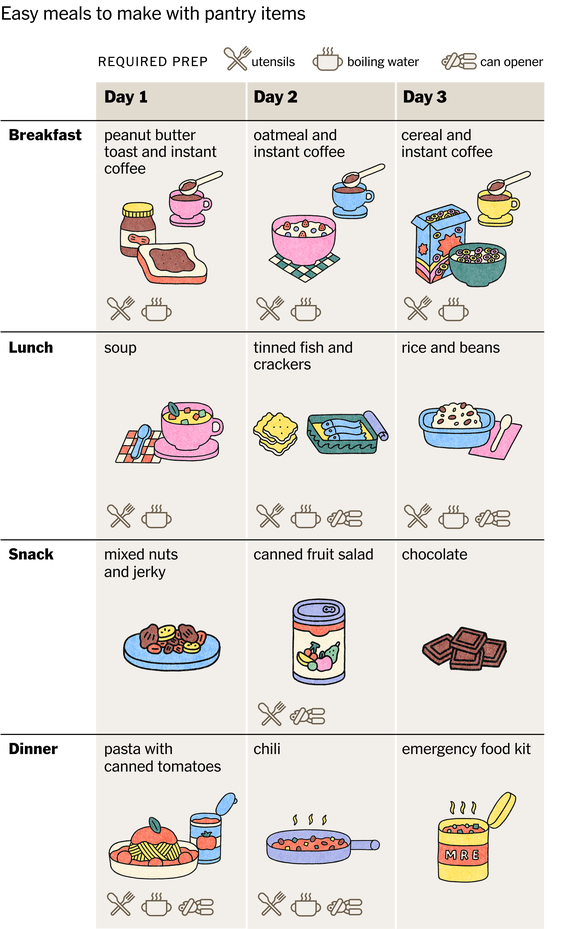
Credit: www.nytimes.com
Nutritional Balance
Maintaining a nutritional balance during an emergency is crucial for keeping your energy levels steady and your immune system strong. Without the right mix of nutrients, you may feel weak, tired, or more prone to illness. Planning your emergency food supply with a focus on balanced nutrition ensures you stay healthy and alert when you need it most.
Protein Sources
Protein is essential for muscle repair and immune function. You want to include easy-to-store, long-lasting options like canned tuna, beans, and nut butters. These foods provide the protein your body needs without taking up much space or requiring refrigeration.
Have you considered how much protein you actually need each day during an emergency? Aim for about 50 grams daily, but adjust based on your activity level. Protein bars and powdered protein can also be good backups for quick energy.
Vitamins And Supplements
Vitamins keep your body running smoothly, especially when fresh fruits and vegetables are scarce. Stock up on multivitamins or individual supplements like vitamin C and D to fill potential gaps in your diet. These small additions can help prevent fatigue and boost your body’s defenses.
Think about which vitamins you might lack if your food choices are limited. Could a simple supplement make a big difference in how you feel? Don’t forget to check expiration dates on these items regularly.
Healthy Fats
Healthy fats provide long-lasting energy and support brain function. Include items like olive oil, nuts, seeds, and canned salmon with skin for omega-3 fatty acids. These fats are calorie-dense and will keep you feeling full longer.
Have you ever noticed how your mood and concentration drop when you skip fats? They’re not just extra calories—they’re vital for your well-being. Pack small containers of oils or nut butters for easy access during stressful times.
Preparation And Storage Tips
Having the right food during an emergency is only part of the equation. You must also know how to prepare and store your supplies properly to keep them safe and ready to use. Without good preparation and storage, even the best emergency foods can spoil or become unusable when you need them most.
Proper Food Rotation
Food rotation is essential to prevent waste and ensure freshness. Always use the “first in, first out” rule—consume older items before newer ones. Label your supplies with purchase or expiration dates to keep track easily.
Check your food stock every few months. Replace anything close to expiring to maintain a reliable emergency stash. This small habit can save you from unpleasant surprises when disaster strikes.
Safe Storage Practices
Store your emergency food in a cool, dry, and dark place. Avoid areas with high humidity or temperature fluctuations, like basements prone to dampness or garages. These conditions speed up spoilage and can attract pests.
Use airtight containers to protect food from moisture, air, and bugs. Glass jars, heavy-duty plastic bins, or metal cans with tight seals work well. Keep your storage area clean and check for signs of damage regularly.
Portable Cooking Solutions
Having food is one thing, but cooking it safely during an emergency is another challenge. Consider portable cooking tools like camping stoves, small propane burners, or even solar ovens. These options don’t rely on electricity and can be lifesavers.
Remember to keep enough fuel for your cooking devices and practice using them beforehand. Can you quickly prepare a hot meal if the power goes out? Testing your equipment now will help you avoid frustration later.
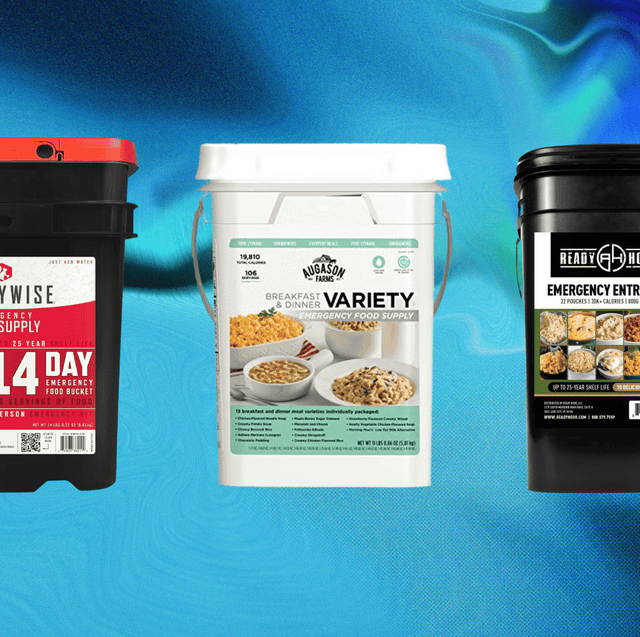
Credit: www.goodhousekeeping.com
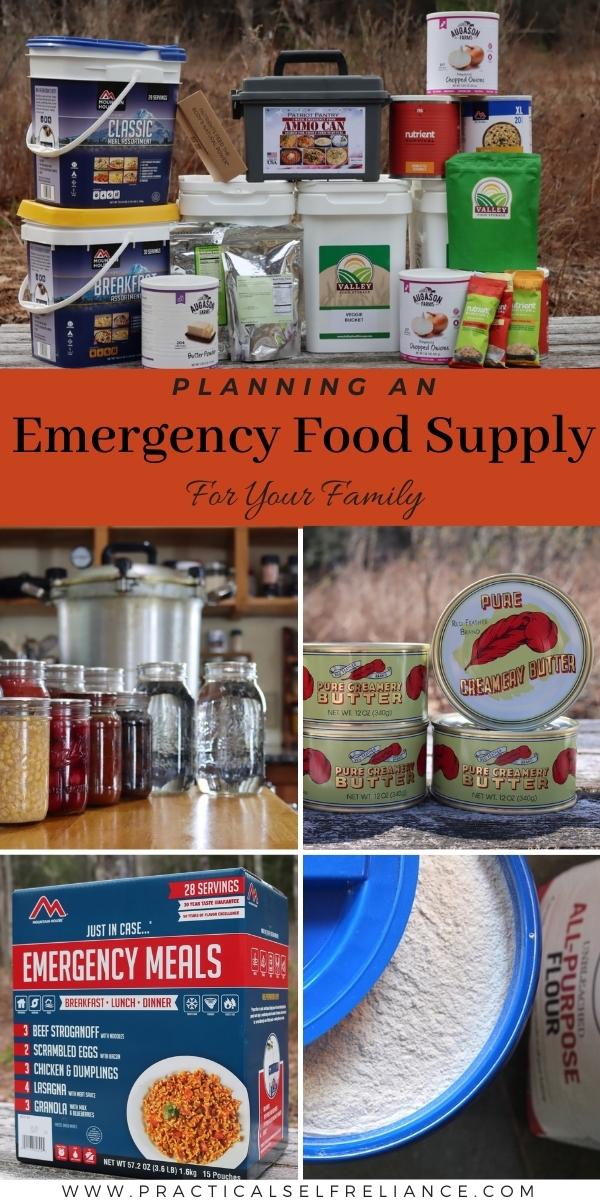
Credit: practicalselfreliance.com
Frequently Asked Questions
What Foods Are Best For Emergency Storage?
Non-perishable foods like canned goods, dried fruits, and nuts are ideal for emergencies. They have long shelf lives and are nutrient-rich. Foods like rice, pasta, and legumes are also great as they are versatile and filling. Remember to include a manual can opener for canned items.
How Long Can Canned Food Last In Storage?
Canned foods typically last two to five years when stored properly in a cool, dry place. High-acid foods like tomatoes have a shorter shelf life. Always check expiration dates and rotate your stock. Proper storage ensures safety and maintains nutritional value during emergencies.
Should I Include Comfort Foods In My Emergency Kit?
Including comfort foods can boost morale during stressful times. Consider adding chocolate, tea, or instant coffee. These items can provide a sense of normalcy and improve mental well-being. However, prioritize essential nutrients and balance your kit with both comfort and staple foods.
How Much Water Should I Store Per Person?
Store at least one gallon of water per person per day. This amount covers drinking and basic sanitation needs. For a two-week emergency, store 14 gallons per person. Ensure containers are food-grade, and replace stored water every six months for safety.
Conclusion
Choosing the right food for emergencies helps you stay safe and healthy. Keep foods that last long and give good energy. Think about items you like and can eat easily. Water is just as important as food. Prepare a small, easy-to-carry emergency food kit.
Check your supplies often and replace expired items. Being ready with the right food brings peace of mind. Stay calm, stay fed, and stay prepared.


