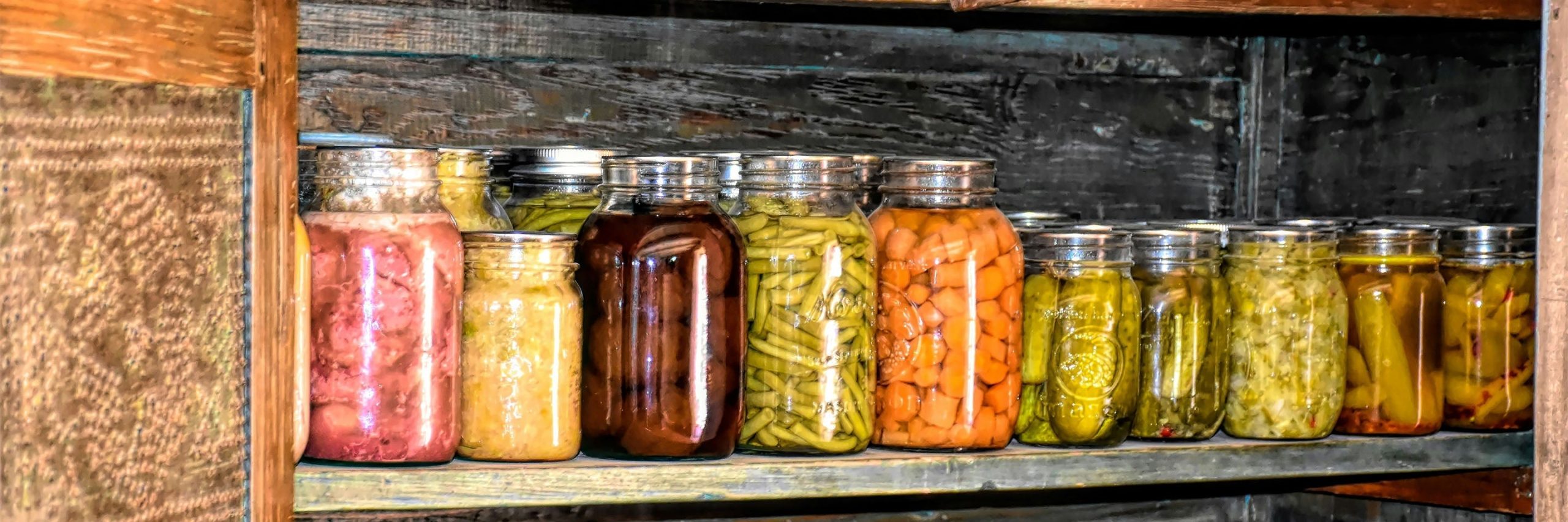
When an emergency strikes, having the right food stored can make all the difference for you and your loved ones. But what should you keep on hand to stay safe, healthy, and comfortable?
Choosing the right foods isn’t just about filling a pantry—it’s about preparing for uncertainty with smart, reliable options. You’ll discover exactly what foods to store that will keep you nourished and ready, no matter what happens. Keep reading to make sure your emergency food supply is truly prepared for anything.
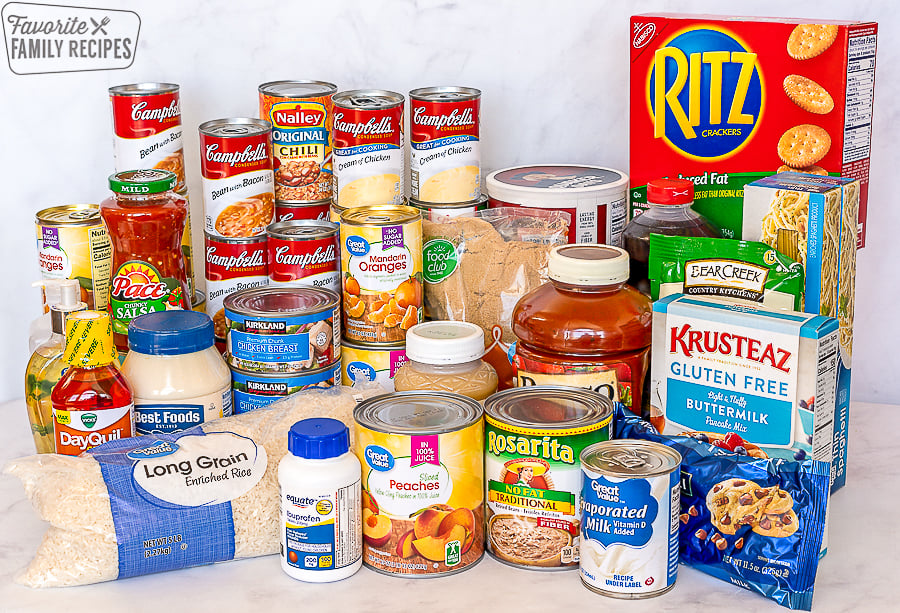
Credit: www.favfamilyrecipes.com
Choosing Long-lasting Staples
Choosing long-lasting staples is key to building a reliable emergency food supply. These staples store well for months or years. They provide essential nutrients and energy during uncertain times. Focus on foods that resist spoilage and require minimal preparation. Select items that fit your storage space and cooking options.
Grains And Cereals
Grains and cereals are excellent long-term foods. They offer carbohydrates for energy and fiber for digestion. Options like rice, oats, and wheat have long shelf lives if stored properly. Keep them in airtight containers to avoid moisture and pests. Whole grains provide more nutrients, but refined grains last longer. Instant oats and ready-to-eat cereals also add convenience to your emergency pantry.
Legumes And Beans
Legumes and beans are rich in protein and fiber. They store well and can last for years when dry. Common choices include lentils, black beans, chickpeas, and kidney beans. These foods expand when cooked, making meals more filling. Store them in sealed containers away from heat and light. Soaking beans before cooking reduces cooking time and improves digestion.
Dehydrated And Freeze-dried Foods
Dehydrated and freeze-dried foods retain most nutrients and flavors. They weigh less and take up less space, ideal for emergency kits. You can find fruits, vegetables, meats, and full meals in these forms. Keep packages sealed until use to maintain freshness. These foods only need water or heat to prepare, making them quick and easy. Check expiration dates regularly to rotate your supply.

Credit: dragonquillca.medium.com
High-energy Foods
High-energy foods are vital for emergency food storage. They provide essential calories to keep your body active. These foods offer lasting energy and help maintain strength during stressful situations. Choose foods rich in fats, proteins, and carbohydrates for balanced energy.
Nuts And Seeds
Nuts and seeds are excellent sources of healthy fats and proteins. They store well and do not spoil quickly. Almonds, walnuts, sunflower seeds, and pumpkin seeds deliver sustained energy. They also contain vitamins and minerals important for health.
Nut Butters
Nut butters like peanut and almond butter are easy to store and use. They contain high calories and healthy fats. Nut butters are versatile and can be eaten alone or added to other foods. Choose natural versions without added sugar or salt.
Energy Bars And Snacks
Energy bars and snacks offer quick, convenient energy. They often combine nuts, seeds, and dried fruits. Look for bars with natural ingredients and minimal additives. These snacks can be eaten on the go or during emergencies for an instant energy boost.
Preserved Proteins
Preserved proteins are essential when you’re preparing for emergencies. They provide the necessary nutrients and energy your body needs to stay strong and alert. These proteins last a long time without refrigeration, making them perfect for your emergency food stash.
Canned Meats And Fish
Canned meats like chicken, turkey, and beef offer a reliable protein source that stays fresh for years. Canned fish such as tuna, salmon, and sardines are packed with omega-3 fats, which support brain health during stressful situations.
Keep a variety of cans in your storage to avoid meal monotony. Always check the expiration dates and rotate them regularly. Have you ever tried making a quick salad with canned tuna and beans? It’s a simple, nutritious meal when fresh food isn’t available.
Jerky And Dried Meats
Jerky and dried meats are lightweight and easy to store, making them ideal for emergencies. They retain protein and flavor while requiring no refrigeration.
Choose varieties with low sodium and no added sugars for better health benefits. Think about this: jerky can be eaten straight from the package or added to soups for extra protein. Have you considered how long a small pack of jerky can keep hunger at bay during a power outage?
Powdered Eggs And Dairy
Powdered eggs provide a versatile protein option that can replace fresh eggs in many recipes. They last for years and only need water to rehydrate.
Powdered milk or cheese powders add calcium and protein to your diet without the need for refrigeration. You can mix powdered milk into drinks or use it in baking. Do you have a favorite recipe that could be adapted using powdered eggs or milk? Experimenting now can save you stress later.
Fruits And Vegetables To Store
Choosing the right fruits and vegetables to store for emergencies can make a big difference in your nutrition and meal variety. Fresh produce spoils quickly, so focusing on long-lasting options ensures you have access to essential vitamins and minerals when you need them most. Let’s look at some practical ways to keep fruits and vegetables ready and safe for your emergency supply.
Canned And Jarred Options
Canned fruits and vegetables offer convenience and a long shelf life. You can store tomatoes, corn, green beans, peaches, and pineapple easily. Look for low-sodium and no-sugar-added versions to keep your diet healthier.
One tip: always check the seals before buying and rotate your stock regularly to avoid expired cans. Have you ever tried canned pumpkin? It’s great for cooking and packed with nutrients.
Dehydrated Fruits And Veggies
Dehydrated produce is lightweight and lasts for years when stored properly. Apples, bananas, carrots, and kale can all be dried at home or purchased pre-packaged. These are perfect for snacking or adding to soups and stews.
Try mixing dried berries in your oatmeal for a quick energy boost. Do you have a favorite dehydrated snack that keeps you going during busy days? This could be a great addition to your emergency food stash.
Frozen Choices
Freezing keeps fruits and vegetables fresh longer, preserving most of their nutrients. Berries, peas, spinach, and mixed vegetable blends freeze well and can be portioned out as needed. Just make sure your freezer is reliable and has power backup if possible.
Remember, frozen produce is best used within a few months, so plan your meals accordingly. What frozen fruits and veggies do you find easiest to use in your daily cooking?
Essential Cooking Ingredients
Essential cooking ingredients form the backbone of any emergency food supply. They help you prepare meals that are not only edible but also enjoyable and nutritious. Without these basics, even the best food storage can feel limited and uninspiring.
Oils And Fats
Oils and fats are crucial for cooking and adding flavor. Choose shelf-stable options like olive oil, coconut oil, and vegetable oil. These oils have long shelf lives and can be used for frying, baking, and sautéing.
Remember, fats also provide essential calories and help your body absorb vitamins. Store them in dark, cool places to extend freshness. Have you checked the expiration dates on your oils lately?
Salt And Spices
Salt isn’t just for flavor; it’s vital for your body’s electrolyte balance. Keep iodized salt on hand for its added health benefits. Alongside salt, a variety of spices can transform basic meals into something comforting.
Think about your favorite dishes—what spices make them special? Stock up on essentials like black pepper, garlic powder, paprika, and dried herbs. They require little space but make a big difference in taste.
Baking Essentials
Baking ingredients allow you to make bread, pancakes, and other staples that can boost morale during tough times. Flour, baking powder, baking soda, and yeast should be part of your storage.
Keep these items in airtight containers to prevent spoilage. If you enjoy baking, consider how these basics can help you maintain normalcy when fresh food is scarce. What simple baked good would you want to make first?
Water And Hydration Supplies
Water is the most important item for any emergency supply. Staying hydrated keeps the body working well. Without clean water, health risks rise quickly. Storing enough water and having ways to purify it ensures safety. Planning for water needs helps during power outages or natural disasters.
Water Storage Methods
Store water in clean, food-grade containers. Use plastic jugs, glass bottles, or water barrels. Keep containers tightly sealed to avoid contamination. Store water in a cool, dark place. Rotate stored water every six months for freshness.
- Use small bottles for easy handling.
- Large barrels save space for long-term storage.
- Label containers with the storage date.
- Consider collapsible water bags for saving space.
Water Purification Options
Purifying water removes harmful germs and particles. Boiling water kills most bacteria and viruses. Use water purification tablets for quick disinfection. Portable water filters remove dirt and microbes. UV light purifiers can also cleanse water effectively.
- Boil water for at least one minute to purify.
- Follow instructions on purification tablets carefully.
- Choose filters with small pore sizes for better cleaning.
- Keep backup purification tools in your emergency kit.
Specialty Diet Considerations
Specialty diets need extra attention when storing emergency food supplies. These diets have unique requirements that standard foods may not meet. Preparing for emergencies means including foods that support your health and lifestyle. Consider preferences and restrictions carefully to avoid problems during stressful times.
Gluten-free Staples
Gluten-free diets exclude wheat, barley, and rye. Store gluten-free grains like rice, quinoa, and cornmeal. Gluten-free flours such as almond, coconut, and chickpea are good options. Keep gluten-free pasta and crackers for easy meals. Check labels to ensure no gluten contamination.
Vegetarian And Vegan Options
Plant-based diets avoid meat and animal products. Stock canned beans, lentils, and chickpeas for protein. Dried fruits and nuts provide energy and nutrients. Store plant-based milk like almond or soy for cooking. Include whole grains like oats and barley for fiber and vitamins.
Allergy-friendly Foods
Food allergies require careful selection to avoid triggers. Common allergens include peanuts, dairy, and eggs. Choose allergen-free snacks and canned goods. Store seeds like sunflower or pumpkin as safe protein sources. Always read labels to prevent accidental exposure.
Storage Tips And Rotation
Storing emergency food properly is key for long-term use. Good storage keeps food safe and fresh. It also helps avoid waste and saves money. Rotation ensures older food is used first. This practice keeps your supply ready and reliable.
Proper Packaging
Choose airtight containers to protect food from air and moisture. Use heavy-duty plastic bags or vacuum-sealed packs for dry goods. Glass jars with tight lids work well for grains and beans. Avoid thin plastic bags that can tear easily. Keep food away from direct sunlight and heat.
Labeling And Organization
Label every package with the food name and date stored. Use a marker or printed labels for clarity. Organize food by type and use-by dates on shelves. Store similar items together to find them quickly. Keep a list of stored items outside the storage area.
Shelf Life And Rotation
Know the shelf life of each food item. Rotate food by placing new items behind older ones. Use the oldest food first to prevent spoilage. Check stored food regularly for signs of damage or expiration. Replace used or expired food promptly to maintain a full supply.
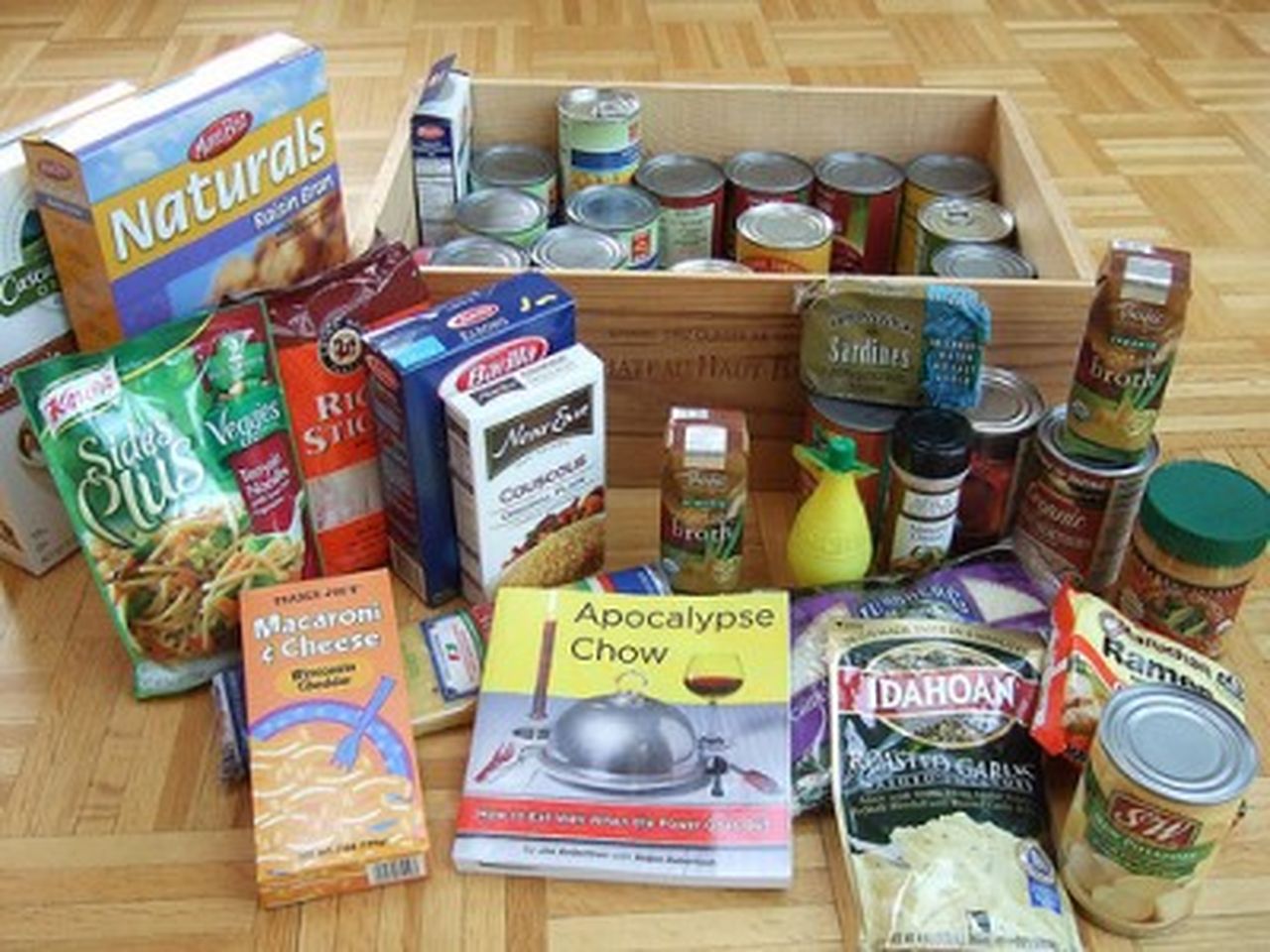
Credit: www.smithsonianmag.com
Frequently Asked Questions
What Are The Best Foods For Long-term Storage?
The best foods for long-term storage include rice, beans, pasta, and canned vegetables. These foods have a long shelf life and are versatile. Store them in a cool, dry place to maximize their longevity. Vacuum-sealed packaging can further extend their shelf life and maintain freshness.
How To Store Emergency Food Properly?
Store emergency food in airtight containers to prevent spoilage. Keep them in a cool, dry, and dark place to ensure longevity. Label containers with purchase dates for easy rotation. Regularly check for signs of spoilage or pests, and replace any damaged items promptly to maintain a reliable emergency supply.
Is Canned Food Good For Emergencies?
Yes, canned food is excellent for emergencies due to its long shelf life. It is ready-to-eat and requires no refrigeration. Canned items like fruits, vegetables, and meats provide essential nutrients. Always check expiration dates and store them in a cool, dry place for optimal preservation.
What Are Essential Non-perishable Foods?
Essential non-perishable foods include rice, pasta, canned beans, and dried fruits. These items have a long shelf life and provide necessary nutrients. They require minimal preparation and are versatile in meals. Store them properly to maintain their quality and ensure a reliable food supply during emergencies.
Conclusion
Storing the right foods helps you stay safe in emergencies. Choose items that last long and need little water. Think about foods rich in energy and easy to prepare. Keep a variety to meet different needs and tastes. Rotate your stock to avoid spoilage and waste.
Being ready with proper food brings peace of mind. Small steps now can protect you later. Start your food storage today for a safer tomorrow.


