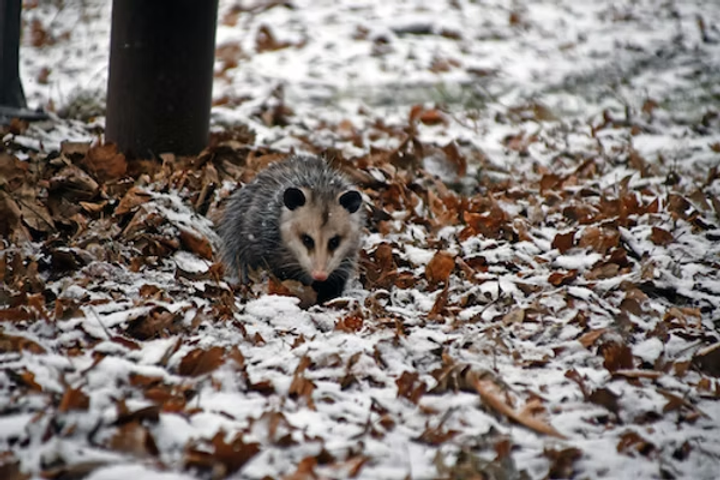
Have you ever wondered if possums can survive cold weather? If you’ve seen these curious creatures in your backyard during chilly days, you might be surprised by how they manage to stay alive.
Understanding how possums handle the cold can help you protect them or simply satisfy your curiosity. Keep reading to discover the secrets behind their survival and what it means for your local wildlife this winter.
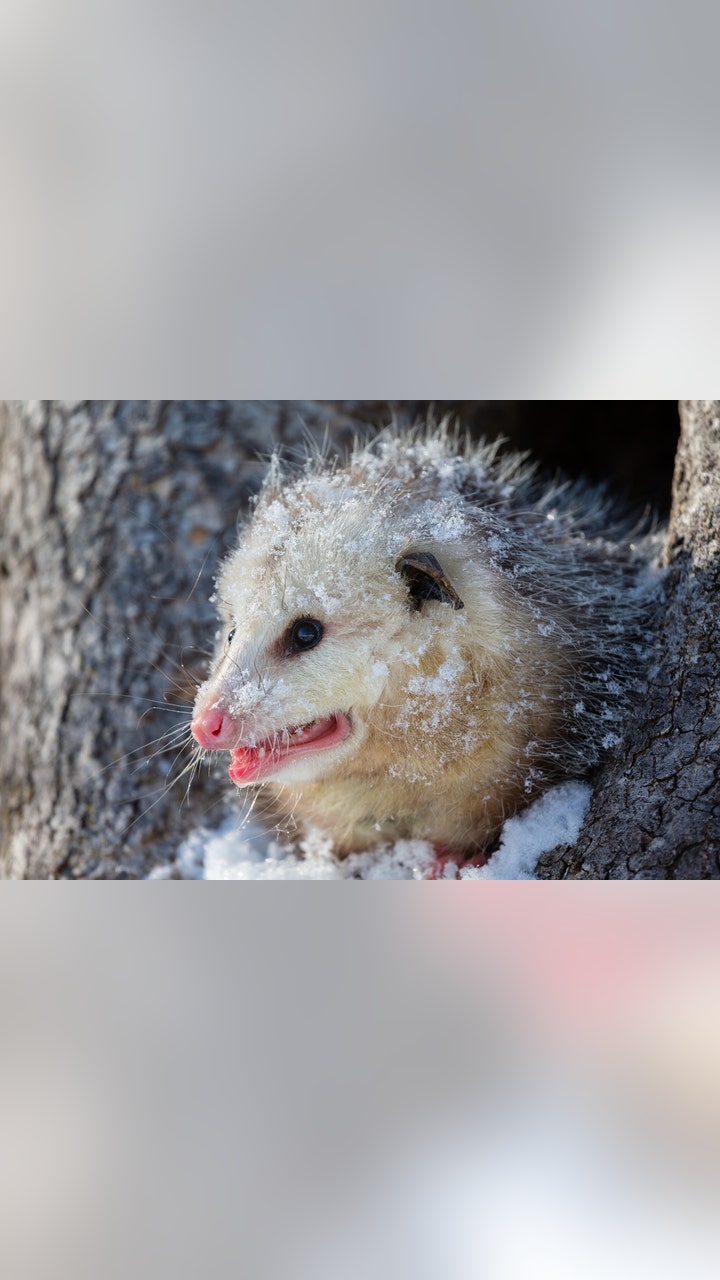
Credit: www.foxnews.com
Possum Adaptations To Cold
Possums show several adaptations that help them survive cold weather. Their bodies and habits change to handle the drop in temperature. These adaptations reduce heat loss and keep them safe during winter months.
Physical Traits That Help
- Thick fur covers their body, trapping warmth close to the skin.
- They have a bushy tail that wraps around their body for extra heat.
- Small ears and a compact body shape reduce heat loss.
- Possums have a layer of fat under their skin that acts as insulation.
Behavioral Changes In Winter
- Possums seek shelter in tree hollows, burrows, or dense vegetation.
- They become less active to save energy and stay warm.
- Possums huddle together to share body heat during cold nights.
- They increase food intake in fall to build fat reserves for winter.
Habitat Choices In Cold Seasons
Possums face tough challenges during cold weather. Their habitat choices become crucial for survival. Understanding where and how they seek shelter can help you appreciate their resilience.
Shelter Preferences
Possums look for secure, insulated spots to stay warm. They often choose tree hollows, dense shrubs, or piles of leaves. These locations offer protection from wind and rain.
Sometimes, possums use abandoned burrows or even human structures like sheds. You might spot them nesting in thick ivy or under roof eaves. Have you ever noticed a possum curled up in your garden’s quiet corner?
Microclimate Benefits
Microclimates provide possums with small, warmer zones within their habitat. These areas can be several degrees warmer than the surrounding environment. For example, south-facing slopes or spots near water bodies often retain heat longer.
Possums take advantage of these microclimates to reduce energy spent on staying warm. This strategy is vital when food is scarce and temperatures drop. Are there warm, sheltered areas near your home where possums might hide during winter?
Diet Adjustments During Winter
Possums face challenges finding food in cold months. Their diet changes to survive lower temperatures and scarce resources. These diet adjustments help them stay healthy and active during winter.
Food Availability
Winter reduces the types of food possums can find. Leaves, fruits, and insects become rare. Possums eat more bark, buds, and small animals. They search for food in hidden spots and under tree bark. Sometimes, they eat bird eggs or small reptiles. Their diet shifts to what is easy to find and digest.
Energy Conservation Strategies
Possums eat less but choose high-energy foods. They focus on items with more fat and protein. This helps them keep warm and maintain strength. They also reduce movement to save energy. Staying in nests during cold spells helps preserve calories. These strategies help possums survive until food is more plentiful again.

Credit: www.willyswilderness.org
Hibernation And Torpor In Possums
Possums face cold weather with unique survival tactics. Unlike some animals, possums do not fully hibernate. Instead, they use a lighter state called torpor. This helps them save energy during chilly times.
Differences Between Hibernation And Torpor
Hibernation is a long, deep sleep lasting weeks or months. Animals slow their heartbeat and breathing a lot during hibernation. They do not eat or move much in this state.
Torpor is shorter and less deep. It can last hours or a day. Animals lower their body temperature and metabolism but stay alert. They can wake up quickly if needed.
- Hibernation:Long, deep, lasts weeks or months
- Torpor:Short, light, lasts hours or a day
- Hibernation:Body functions slow drastically
- Torpor:Body functions slow moderately
- Hibernation:Hard to wake up
- Torpor:Easy to wake up
How Possums Use Torpor
Possums enter torpor to survive cold nights and food shortages. They lower their body temperature to save energy. Their heart rate and breathing slow down.
This state lasts for a few hours or overnight. During the day, possums become active again. Torpor helps them avoid using too much energy in cold weather.
Possums often find sheltered places like tree hollows or nests. These spots protect them from wind and rain. Torpor allows possums to stay safe and warm until conditions improve.
Risks And Challenges In Cold Weather
Possums face several risks and challenges during cold weather that can significantly affect their survival. Understanding these threats helps you appreciate the delicate balance these creatures maintain as temperatures drop. Let’s look at the key dangers they encounter and how it impacts their daily life.
Threats From Cold Exposure
Possums are not built to handle extreme cold for long periods. Their thin fur and small body size make it hard to retain heat. Prolonged exposure to freezing temperatures can lead to hypothermia, which weakens their immune system and slows down their movements.
Have you noticed possums curling up tightly during chilly nights? This behavior is their natural way to conserve body heat. However, if they cannot find adequate shelter, they remain vulnerable to frostbite and even death.
Impact Of Food Scarcity
Cold weather often reduces the availability of food sources for possums. Many insects, fruits, and plants become scarce or completely disappear during winter months. Without enough nutrition, possums struggle to build the fat reserves necessary to stay warm.
Think about the last cold snap you experienced—did you find yourself eating less or feeling sluggish? That’s similar to what possums go through. If their food supply runs low, they may venture into urban areas in search of scraps, increasing their risk of accidents or encounters with predators.
- Limited food lowers energy levels needed to generate body heat.
- Starvation increases the chance of illness and reduces survival rates.
- Competition for scarce resources can lead to aggressive encounters.
Understanding these challenges can help you create a safer environment for possums around your home. Have you considered providing shelter or leaving out food during harsh weather to support local wildlife?
Human Impact On Possum Survival
Humans have a significant impact on possum survival, especially during cold weather. Our choices in building, landscaping, and conservation shape how well possums can find shelter and food. Understanding this impact helps you see how your actions can either help or harm these creatures.
Urban Environments And Warmth
Possums often live close to people in cities and towns. Buildings, sheds, and even your attic can provide warmth during chilly nights. If you’ve ever noticed possums around your porch or garden, you’re witnessing how they use human spaces to stay warm.
However, urban areas can be risky. Cars, pets, and habitat loss threaten possum safety. You can make a difference by:
- Installing possum-friendly nesting boxes in your yard
- Keeping pets indoors at night
- Driving carefully in areas where possums are common
Have you thought about how your outdoor lighting or garden design might affect nocturnal animals like possums?
Conservation Efforts
People are working hard to protect possums through conservation programs. These efforts focus on preserving natural habitats and creating safe spaces where possums can thrive in colder seasons. Some communities organize tree planting and habitat restoration projects to support local wildlife.
You can support conservation by:
- Volunteering for local wildlife groups
- Advocating for green spaces in your neighborhood
- Learning more about possum-friendly practices
Think about how your involvement can change the future for possums. What small step will you take today to protect their survival during the cold?

Credit: www.willyswilderness.org
Frequently Asked Questions
Can Possums Tolerate Freezing Temperatures?
Possums can tolerate cold weather, but not extreme cold. They seek shelter in burrows or dens to stay warm. Their fur provides some insulation, but they are susceptible to frostbite. In freezing temperatures, possums may struggle to find food and may suffer from hypothermia if exposed for long periods.
How Do Possums Stay Warm In Winter?
Possums stay warm by nesting in sheltered areas like burrows or tree cavities. They rely on their thick fur for insulation against the cold. Possums also reduce activity to conserve energy during harsh winter months. They may seek out human structures for warmth and protection from the elements.
Do Possums Hibernate In Cold Weather?
Possums do not hibernate, but they do become less active in cold weather. They seek shelter to conserve energy and stay warm. Possums venture out less frequently and may rely on stored food. This reduced activity helps them survive the winter months without the need for true hibernation.
What Do Possums Eat During Winter?
During winter, possums eat whatever is available, including fruits, small animals, and insects. They may scavenge for food near human habitats. Possums are opportunistic feeders, so they adapt their diet based on availability. Their flexible diet helps them survive when food sources are scarce in colder months.
Conclusion
Possums can handle cold weather better than many think. They grow thicker fur and find warm places to rest. These animals slow their body functions to save energy. Still, extreme cold can be tough for them. They rely on shelter and food to survive winter.
Understanding possums helps us protect their habitats. Nature’s ways keep them safe through cold days. Watching how they adapt shows their strong survival skills. Possums are resilient creatures, facing cold weather with smart habits.


