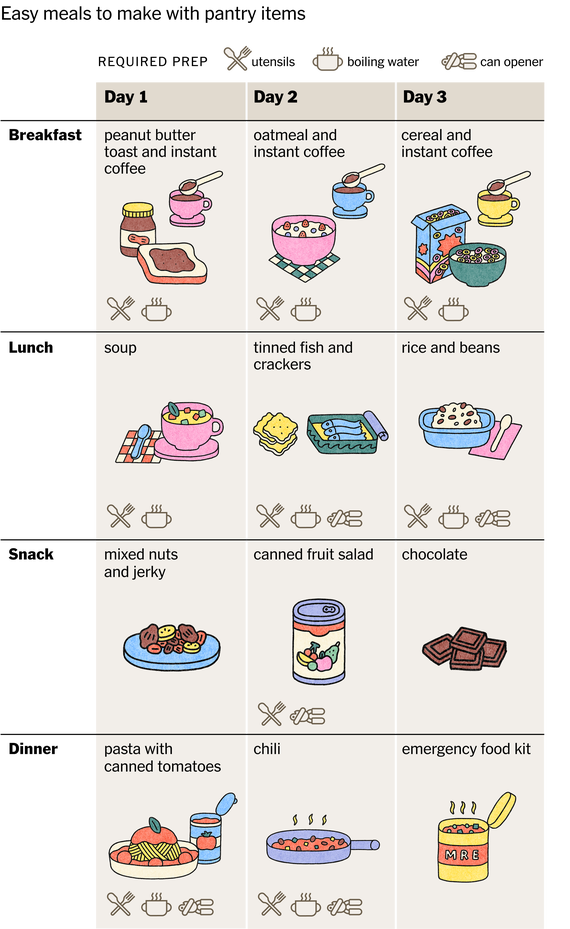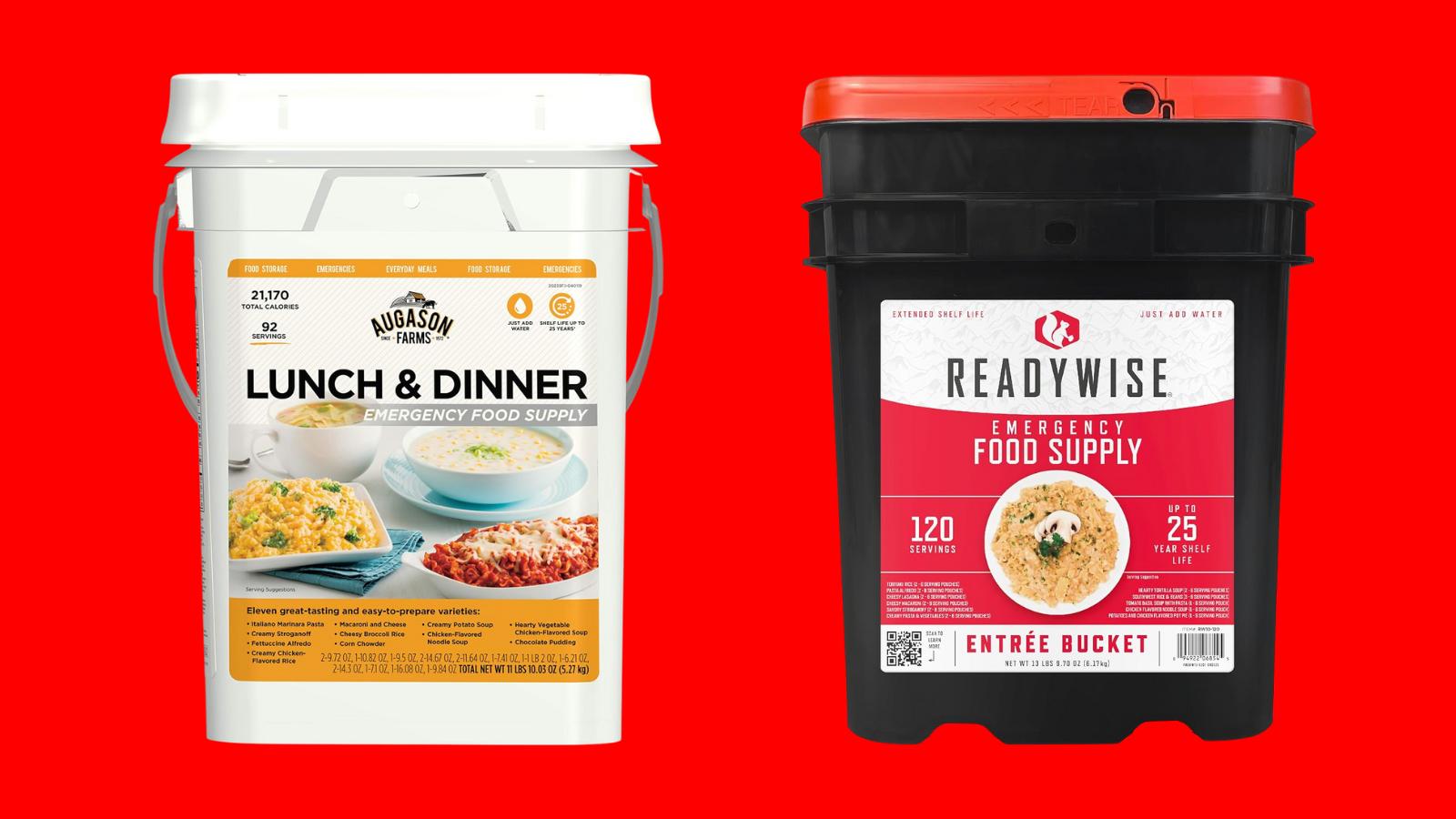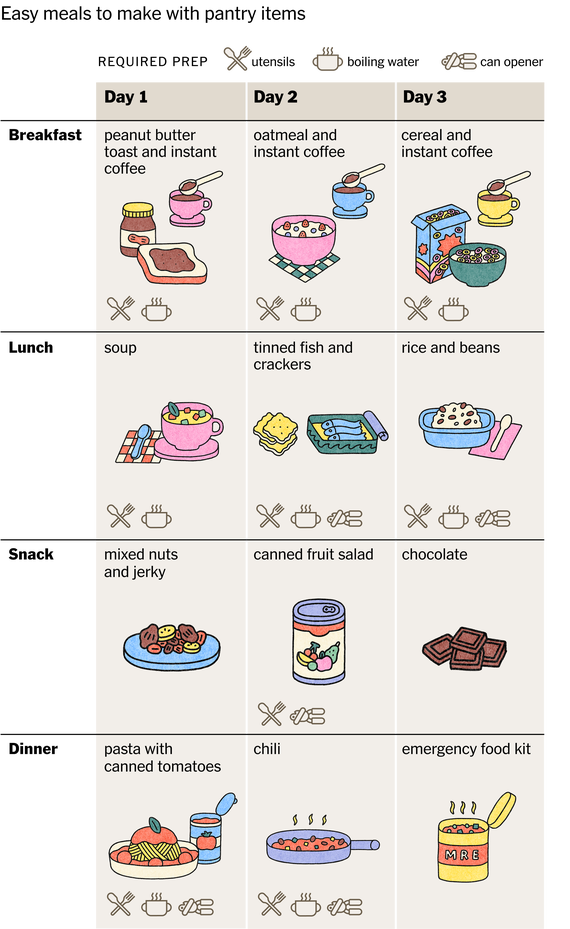
Have you ever wondered what food you should store for emergencies? When unexpected situations arise, having the right supplies can make all the difference.
You want food that lasts long, tastes good, and keeps you energized. But with so many options, where do you even begin? You’ll discover simple, smart choices that fit your needs and help you stay prepared. Keep reading to learn how to build your emergency food stash with confidence and ease.

Credit: www.forbes.com
Long-lasting Staples
Long-lasting staples form the backbone of any emergency food supply. These foods stay edible for months or years without spoiling. They provide essential nutrients and energy during uncertain times. Choose staples that are easy to store and prepare. Focus on variety to ensure a balanced diet.
Grains And Cereals
Grains and cereals store well and offer vital carbohydrates. They keep hunger at bay and fuel the body. Stock up on oats, wheat, barley, and cornmeal. Whole grains add fiber and nutrients. Store them in airtight containers away from moisture and pests.
Legumes And Beans
Legumes and beans are rich in protein and fiber. They last for years if kept dry and sealed. Options like lentils, chickpeas, black beans, and kidney beans are excellent choices. Soaking and cooking them is simple. They help maintain muscle and energy during emergencies.
Dried Pasta And Rice
Dried pasta and rice are versatile and store for a long time. White rice lasts longer than brown rice due to less oil content. Pasta comes in many shapes and cooks quickly. These staples provide calories and can be combined with other foods. Keep them sealed and away from heat.
Protein Sources
Protein is essential for your body to repair tissues, build muscle, and stay energized during emergencies. Choosing the right protein sources for your emergency food supply means picking items that last long, are easy to store, and provide good nutrition. Let’s look at some practical protein options that fit these needs.
Canned Meats And Fish
Canned meats like chicken, beef, and turkey are convenient and have a long shelf life. They require no refrigeration and can be eaten straight from the can or added to meals. Fish options such as tuna, salmon, and sardines offer healthy omega-3 fats along with protein.
These canned products come in different flavors and varieties, so you can avoid getting tired of the same taste. Always check the expiration dates and store them in a cool, dry place. Have you ever tried a canned salmon salad? It’s surprisingly tasty and perfect for quick meals.
Nuts And Seeds
Nuts and seeds are excellent plant-based protein sources that also provide healthy fats and fiber. Almonds, walnuts, pumpkin seeds, and sunflower seeds are popular choices that store well for months. They make great snacks and can be added to oatmeal or salads to boost nutrition.
Buying them in bulk and keeping them in airtight containers helps prevent rancidity. You might want to consider roasted or salted versions to keep things interesting. Have you noticed how a handful of nuts can keep hunger away longer than chips?
Powdered And Shelf-stable Eggs
Powdered eggs offer the protein benefits of fresh eggs without the need for refrigeration. They are lightweight and can be stored for years when kept dry. Shelf-stable liquid eggs are another option, typically found in aseptic packaging and ready to use in cooking or baking.
These egg products work well for making scrambled eggs, omelets, or adding to baked goods during emergencies. Keep a few packets on hand and test them in your kitchen before storing. How would you feel about having eggs ready anytime without worrying about spoilage?
Fruits And Vegetables
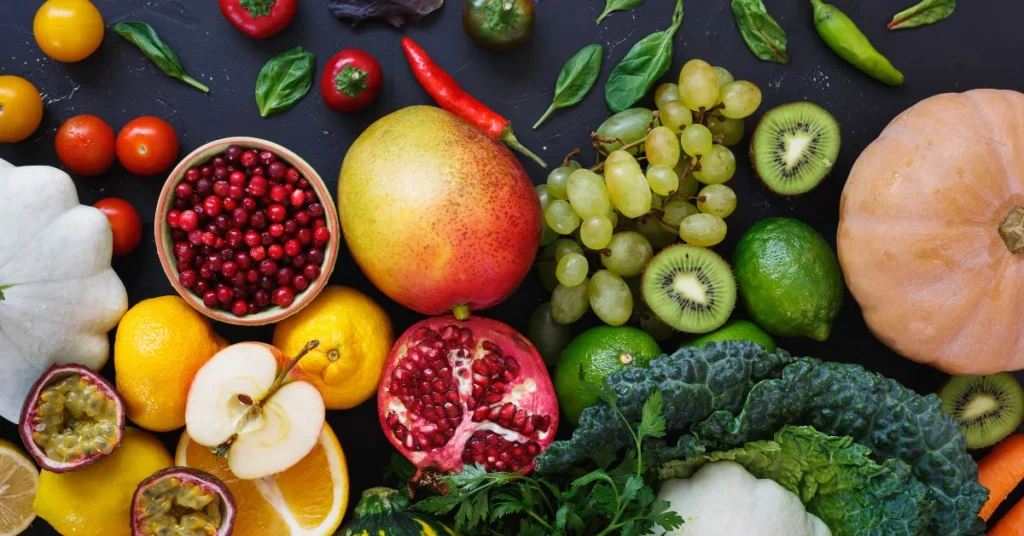
Fresh fruits and vegetables provide essential vitamins and minerals during emergencies. Choose long-lasting options like apples, carrots, and potatoes for better storage. Canned or dried vegetables also keep well and add nutrition.
Fruits and vegetables are vital for a balanced emergency food supply. They provide essential vitamins and minerals. Keeping them in your emergency pantry ensures nutrition during crises. There are various methods to store these foods long-term. Each method offers unique benefits and flavors.Canned And Jarred Options
Canned and jarred fruits and vegetables are reliable. They have a long shelf life and retain many nutrients. Look for options without added sugars or salts. Popular choices include canned peaches, pears, and mixed vegetables. Store them in a cool, dry place. Rotate your stock regularly to ensure freshness.Dehydrated And Freeze-dried Choices
Dehydrated and freeze-dried fruits and veggies are lightweight. They are perfect for limited storage space. They maintain nutritional value and flavor. Common dehydrated options include apples, bananas, and carrots. Just add water to rehydrate them. Freeze-dried strawberries and peas are also popular. Check for airtight packaging to prevent moisture entry.Shelf-stable Sauces And Pastes
Shelf-stable sauces and pastes add variety to meals. Tomato paste, salsa, and apple sauce are great examples. They enhance flavors and provide nutrients. Choose products with minimal preservatives. Store them in a dark, cool cupboard. Once opened, consume quickly or refrigerate.Dairy Alternatives
Dairy alternatives are essential for emergency food storage. Traditional dairy products spoil quickly and need refrigeration. Alternatives last longer and offer similar nutrition. These options work well for cooking, drinking, and baking. They add variety and meet different dietary needs.
Powdered Milk
Powdered milk is a popular emergency staple. It keeps for months without refrigeration. Just mix with water to use like fresh milk. Powdered milk provides calcium and protein. It is lightweight and easy to store. Choose whole or non-fat versions based on preference.
Shelf-stable Plant Milks
Shelf-stable plant milks come in sealed cartons. They last months unopened and need no fridge. Common types include almond, soy, oat, and coconut milk. These milks suit those who avoid animal products. They contain vitamins and minerals. Use them for drinking or cooking.
Cheese Alternatives
Cheese alternatives store longer than fresh cheese. Look for vegan or shelf-stable cheese blocks. Some are made from nuts, soy, or coconut oil. They melt and slice well. Cheese alternatives add flavor and protein to meals. Keep sealed to maintain freshness.
Cooking Essentials
Cooking essentials form the backbone of any emergency food supply. These basics help you prepare meals that are both tasty and nutritious. Storing the right cooking ingredients ensures you can create a variety of dishes even in tough times. Keep items that last long and add flavor, texture, and energy to your meals.
Oils And Fats
Oils and fats provide essential calories and help cook food evenly. Choose oils with long shelf lives like vegetable oil, olive oil, or coconut oil. Store fats such as shortening or shelf-stable butter substitutes. These fats add richness and improve food texture. Keep containers sealed and stored in a cool, dark place.
Salt And Seasonings
Salt is a must-have for flavor and preservation. It enhances the taste of all meals and helps keep food safe. Alongside salt, store basic seasonings like pepper, garlic powder, onion powder, and dried herbs. These simple spices make bland food more enjoyable. Small containers or packets save space and stay fresh longer.
Sweeteners And Baking Supplies
Sweeteners add energy and variety to your emergency food. Keep sugar, honey, and maple syrup on hand. These can be used in drinks, baking, or cooking. For baking, store flour, baking powder, baking soda, and yeast. These ingredients help you make bread, cakes, and other baked goods. Pack them in airtight containers to prevent spoilage.

Credit: trueprepper.com
Hydration Supplies
Storing proper hydration supplies is vital for any emergency kit. Water keeps the body functioning and prevents dehydration. Prepare more than just plain water to stay hydrated and healthy. Include options that replenish minerals and offer variety. Hydration supplies should be easy to store and use.
Water Storage And Purification
Store clean water in strong, food-safe containers. Each person needs about one gallon daily. Keep extra for cooking and hygiene. Rotate water every six months to maintain freshness. Use water purification tablets or filters to treat uncertain water sources. Boiling water for at least one minute kills harmful germs. Water purification ensures safe drinking water during emergencies.
Electrolyte Powders
Electrolyte powders help replace essential minerals lost through sweat. They support muscle function and prevent cramps. These powders dissolve quickly in water and are easy to carry. Choose powders with balanced sodium, potassium, and magnesium. Store them in airtight containers to keep dry. Electrolyte powders provide quick hydration and energy restoration.
Beverage Mixes
Beverage mixes add flavor and nutrients to plain water. Options like powdered juice or tea can improve water intake. Choose mixes with low sugar and natural ingredients. Store them in sealed packets or containers for long shelf life. Having beverage mixes encourages regular hydration during stressful times. Variety in drinks helps maintain morale and comfort.
Special Dietary Needs
Special dietary needs require careful planning for emergency food storage. People with allergies, intolerances, or specific diets must have safe, nutritious options. Stocking suitable foods helps maintain health and comfort during emergencies. Focus on foods that meet dietary restrictions without sacrificing taste or nutrition.
Gluten-free Options
Gluten-free foods are essential for those with celiac disease or gluten sensitivity. Choose naturally gluten-free grains like rice, quinoa, and cornmeal. Include canned beans, lentils, and vegetables that are free from gluten additives. Gluten-free pasta and crackers are good shelf-stable choices. Always check labels for hidden gluten ingredients.
Allergy-friendly Picks
Allergy-friendly foods avoid common allergens such as nuts, dairy, and soy. Opt for canned fruits, vegetables, and meats without allergen traces. Rice, oats, and certain seeds can provide safe nutrition. Look for allergy-free snack bars or protein powders. Store items in sealed containers to prevent cross-contamination.
Vegan And Vegetarian Choices
Vegan and vegetarian diets rely on plant-based foods rich in protein and vitamins. Stock up on dried beans, lentils, and chickpeas. Include canned vegetables, fruits, and plant-based milk alternatives. Nuts, seeds, and whole grains add calories and nutrients. Ready-to-eat meals like veggie soups and stews offer convenience and variety.
Packaging And Storage Tips
Storing food properly extends its shelf life and keeps it safe to eat. Packaging and storage methods protect food from moisture, pests, and air. They also make your emergency food supply easy to access and organize. Smart storage helps you save space and reduce waste.
Proper Containers
Use airtight containers to keep food fresh longer. Glass jars, plastic bins, and metal cans work well. Vacuum-sealed bags protect food from air and moisture. Choose containers that block light to prevent spoilage. Label each container clearly with contents and date stored.
Rotation And Expiry Management
Always store new food behind older stock. Use the oldest food first to avoid waste. Check expiration dates regularly to keep your supply safe. Keep a list of all stored items and their expiry dates. Replace expired items promptly with fresh supplies.
Space-saving Techniques
Stack containers neatly to use vertical space efficiently. Use uniform-sized containers to maximize shelf space. Group similar foods together for quick access. Consider vacuum-sealing to reduce package size. Use clear containers to easily see what’s inside.

Credit: www.msn.com
Frequently Asked Questions
What Are The Best Long-lasting Emergency Foods?
Best long-lasting emergency foods include canned beans, rice, pasta, and dried fruits. These items store well and provide essential nutrients. They have a long shelf life, making them ideal for emergencies.
How Much Food Should I Store For Emergencies?
Store at least a two-week supply of food per person. This includes non-perishable items and water. Adjust amounts based on family size and dietary needs.
Which Foods Provide The Most Energy During Emergencies?
High-calorie foods like nuts, peanut butter, and granola bars provide quick energy. They are nutrient-dense and easy to store.
Can I Store Fresh Foods For Emergencies?
Fresh foods have a limited shelf life. It’s best to store canned or dried alternatives for emergencies. Rotate supplies regularly to ensure freshness.
Conclusion
Storing the right food keeps you ready for any emergency. Choose items that last long and provide good nutrition. Think about foods you and your family enjoy. Include canned goods, dry grains, and easy snacks. Don’t forget water—it is very important.
Rotate your supplies regularly to keep them fresh. Being prepared brings peace of mind. Start small and build your stock over time. Safety and comfort come from smart food choices. Stay ready, stay safe.