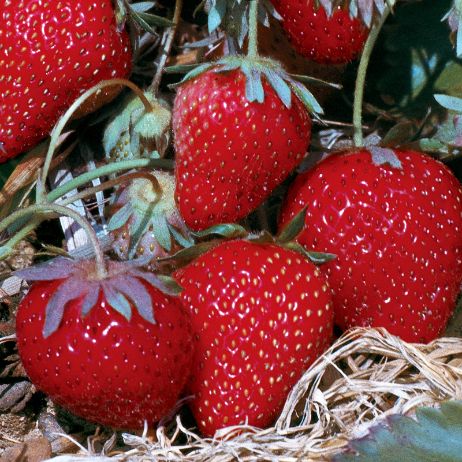
Have you ever wondered if your strawberry plants can make it through the chilly months? If you’re growing strawberries or planning to start, knowing how cold weather affects them is key.
Imagine harvesting sweet, juicy strawberries even after a frost. Sounds great, right? You’ll discover simple tips and surprising facts about strawberries and cold weather. Keep reading to make sure your plants survive—and thrive—when the temperature drops.
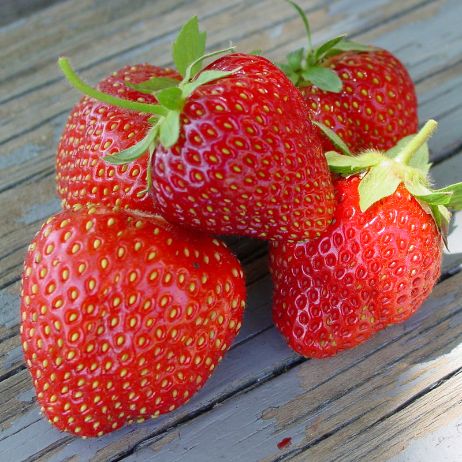
Credit: www.starkbros.com
Strawberry Cold Tolerance
Strawberries are surprisingly resilient plants, but their ability to survive cold weather varies widely. Understanding their cold tolerance can help you protect your crop and enjoy fresh berries even after chilly nights. Have you ever wondered just how much cold your strawberry plants can handle without damage?
Temperature Limits
Strawberries generally tolerate temperatures down to about 20°F (-6°C) when they are dormant. However, once they start growing or flowering, their tolerance drops significantly, and even light frosts can cause damage.
During active growth, temperatures below 28°F (-2°C) can harm leaves and flowers. It’s essential to monitor weather forecasts closely in early spring when plants are most vulnerable.
Impact Of Frost
Frost can kill strawberry blossoms, directly reducing your harvest. The ice crystals that form on plant tissues cause cell damage, leading to blackened or wilted leaves and fruit.
One time, I noticed my early spring strawberries looked healthy until a surprise frost hit overnight. The next day, the flowers were shriveled, and the yield dropped dramatically. Protecting your plants with covers or mulch during frost warnings can make a big difference.
Varieties That Withstand Cold
Some strawberry varieties are bred for better cold tolerance, making them ideal for colder climates. For example, ‘Earliglow’ and ‘Jewel’ are known to survive colder temperatures better than others.
- Earliglow:Thrives in cool weather and produces flavorful berries early in the season.
- Jewel:Tolerates frost well and offers a longer harvest period.
- Honeoye:Another hardy variety that can handle colder zones.
Choosing the right variety can be your best defense against unpredictable cold snaps. Which variety fits your local weather and garden conditions best?
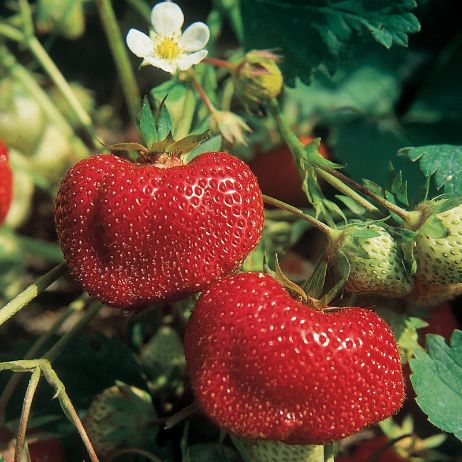
Credit: www.starkbros.com
Preparing Strawberries For Winter
Preparing strawberries for winter helps protect plants from frost and cold damage. Proper care boosts their chances of surviving harsh weather. Taking time to prepare ensures healthy growth in spring. Follow these key steps to get your strawberry patch ready for winter.
Soil Preparation
Clear old leaves and debris from around strawberry plants. This reduces disease and pests hiding in the soil. Loosen the soil gently to improve air and water flow. Avoid deep digging to protect roots. Add compost or aged manure to enrich the soil. Healthy soil strengthens plants against cold stress.
Mulching Techniques
Apply a thick layer of mulch over the soil and plants. Straw, pine needles, or shredded leaves work well. Mulch acts as an insulator, keeping soil temperature steady. It also prevents frost from reaching the roots. Spread mulch about 2 to 4 inches deep. Remove excess mulch in early spring to avoid rot.
Pruning For Cold Seasons
Trim old leaves and runners before winter arrives. This reduces disease risk and focuses energy on root survival. Cut leaves close to the crown but leave the crown intact. Avoid heavy pruning that stresses the plant. Proper pruning helps strawberries conserve energy through winter.
Protecting Plants During Frost
Protecting your strawberry plants during frost is essential to keep them healthy and productive. Frost can damage leaves, flowers, and even the roots, reducing your harvest significantly. You need simple yet effective methods to shield your plants from freezing temperatures.
Using Row Covers
Row covers are lightweight fabrics that you can drape over your strawberry plants. They trap heat from the soil and protect plants from frost without blocking sunlight completely. You can secure the edges with soil or stakes to prevent cold air from sneaking in.
I once used row covers during an unexpected late frost, and my strawberries survived without a scratch. Have you tried this? Even a single night of frost can cause damage if you don’t act fast.
Cold Frames And Cloches
Cold frames and cloches act like mini-greenhouses for your strawberries. Cold frames are low boxes with transparent lids that capture sunlight and warmth. Cloches are smaller, bell-shaped covers placed directly over individual plants.
These structures increase the temperature around your plants and protect them from wind and frost. If you want to extend your growing season, investing in cold frames or cloches can make a big difference.
Watering Strategies
Watering your strawberry plants before a frost can actually help protect them. Moist soil holds heat better than dry soil, which can raise the temperature around the roots. Aim to water deeply in the afternoon so the moisture can warm up before the cold night.
Be careful not to overwater, though, as soggy soil can lead to other problems. How often do you adjust your watering routine based on the weather? This simple step can be a game-changer during cold snaps.
Indoor Care Options
Bringing strawberries indoors helps them survive cold weather. Indoor care keeps plants healthy until spring. It also allows you to enjoy fresh berries year-round. Proper indoor conditions are key to strawberry growth. Focus on transplanting, light, temperature, and humidity. Each factor supports strong plants and fruit production.
Transplanting To Containers
Choose pots with good drainage holes. Use rich, well-draining potting soil for best results. Gently remove strawberry plants from the ground. Avoid damaging roots during transplanting. Plant them at the same soil depth as outdoors. Water the soil lightly after planting. Place containers where you can easily care for them.
Temperature And Light Needs
Strawberries prefer temperatures between 60°F and 75°F indoors. Avoid placing plants near cold drafts or heaters. Give them at least 6 hours of bright light daily. South-facing windows work well for natural light. Use grow lights if sunlight is limited. Proper light encourages flowering and fruiting indoors.
Humidity Control
Strawberries like moderate humidity levels around 40% to 60%. Dry indoor air can stress the plants. Use a humidifier or place water trays nearby. Grouping plants together also raises humidity naturally. Avoid overly wet soil to prevent mold growth. Good air circulation helps keep plants healthy indoors.
Signs Of Cold Damage
Cold weather can harm strawberry plants in many ways. Knowing the signs of cold damage helps gardeners protect their plants early. Damage often shows up on leaves and roots first. Acting quickly can save your strawberries and help them grow again.
Leaf Discoloration
Leaves may turn pale or brown after cold exposure. Look for spots that look dry or crispy. Edges of the leaves might curl or wilt. These changes happen because cold stops water flow inside the plant. Damaged leaves lose their green color and may fall off.
Root Health
Cold can freeze the soil and harm roots. Check roots for softness or dark color. Healthy roots are firm and white or light tan. Damaged roots cannot take up water well. This causes the whole plant to look weak or droopy.
Recovery Steps
- Remove damaged leaves carefully to reduce stress.
- Water plants moderately but avoid waterlogging.
- Cover plants with mulch to keep soil warm.
- Place plants in a sheltered spot away from wind.
- Wait for new growth before fertilizing.
Credit: www.starkbros.com
Seasonal Timing For Planting
Timing plays a key role in growing healthy strawberry plants. Choosing the right season to plant helps strawberries survive cold weather and grow strong. Proper seasonal timing avoids damage from frost and supports spring growth. Understanding the best months and frost risks guides successful planting.
Best Planting Months
Plant strawberries in early spring or late summer. Early spring planting lets plants establish before hot weather. Late summer planting allows roots to grow before winter. Avoid extreme cold or heat during these months. This timing supports strong root systems and healthy plants.
Avoiding Late Frosts
Late frosts can harm young strawberry plants. Wait until after the last frost date in your area. Frost can kill flowers and reduce fruit yield. Use local frost calendars to plan planting. Cover plants with cloth or mulch if frost is expected.
Planning For Spring Growth
Strawberries grow best with cool, moist conditions in spring. Plant early to take advantage of spring rains. This helps plants develop leaves and runners. Healthy spring growth leads to better fruit production. Monitor soil moisture to keep plants hydrated but not waterlogged.
Frequently Asked Questions
Can Strawberries Tolerate Frost?
Strawberries can tolerate light frost but require protection from severe frost. Covering them with straw or using row covers helps. This prevents damage and maintains optimal growth conditions. Ensuring proper insulation is crucial during cold snaps.
What Temperature Is Too Cold For Strawberries?
Strawberries struggle below 28°F (-2°C). At these temperatures, they risk damage or death. Providing protection like mulch or covers helps. Ensuring they aren’t exposed to prolonged freezing temperatures is key for survival.
How Do I Protect Strawberries In Winter?
To protect strawberries, mulch them with straw before winter. This insulation guards against frost and temperature fluctuations. Removing the mulch in spring promotes growth. Using floating row covers can also offer additional protection.
When Should I Cover Strawberry Plants?
Cover strawberry plants when temperatures drop below 32°F (0°C). Timely covering prevents frost damage and ensures plant health. Use straw or floating row covers for best results. Monitoring weather forecasts helps in planning protection.
Conclusion
Strawberries can survive cold weather with some care. Protect plants from frost with mulch or covers. Choose hardy varieties that tolerate low temperatures well. Watch for signs of damage after cold nights. Healthy plants recover faster and produce better fruit.
Growing strawberries in cold climates is possible. Small efforts help plants stay strong through winter. Enjoy fresh strawberries even after chilly weather. Keep these tips in mind for success. Your garden will thank you with sweet berries.