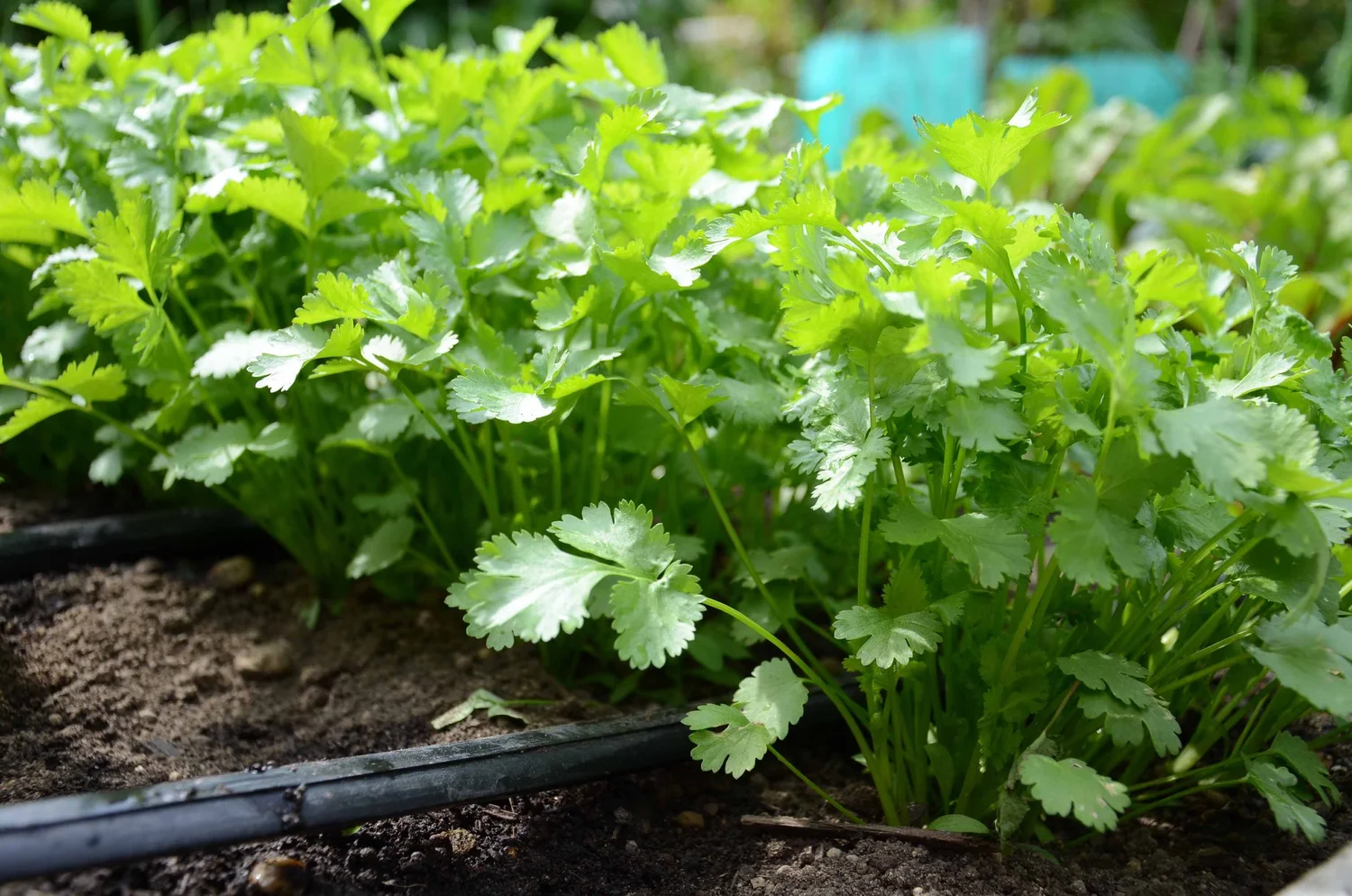
Are you wondering if your cilantro can brave the chill when cold weather hits? If you love growing fresh herbs but worry about frost and freezing temperatures, you’re not alone.
Cilantro is a popular herb in many kitchens, but its ability to survive cold weather isn’t always clear. You’ll discover exactly how cilantro reacts to the cold, simple tips to protect your plants, and what you can do to keep your garden thriving even when temperatures drop.
Keep reading to make sure your cilantro stays healthy and flavorful all season long.
Cilantro’s Cold Tolerance
Cilantro is a favorite herb for many gardeners, but its ability to handle cold weather often raises questions. Understanding cilantro’s cold tolerance can help you decide when and how to plant it in cooler climates. Knowing the limits of its resilience allows you to protect your crop and enjoy fresh cilantro even as temperatures drop.
Temperature Range For Growth
Cilantro thrives best in temperatures between 50°F and 85°F (10°C to 29°C). It prefers cooler weather but can struggle if temperatures drop below 40°F (4°C) for extended periods. If you live in an area where nights dip close to freezing, cilantro will slow down or stop growing altogether.
Interestingly, cilantro grows faster when the weather is cooler, but it doesn’t tolerate extreme cold well. You might notice your cilantro bolting quickly in warm weather, but cold snaps can be just as challenging. Protecting it during unexpected cold spells can extend its growing season.
Effects Of Frost On Cilantro
Frost can cause damage to cilantro leaves and stems, turning them black and mushy within hours. A light frost might only cause minor damage, but a hard freeze can kill the plant entirely. If you expect frost, covering your plants with a cloth or moving potted cilantro indoors can make a big difference.
From my own garden experience, cilantro survived a late spring frost when I covered it with a sheet overnight. The next morning, the leaves looked a little droopy but bounced back quickly. This shows that quick action before frost hits can save your cilantro from damage.
Have you tried using simple frost protection methods in your garden? Sometimes a small effort can protect your herbs and keep your kitchen stocked with fresh flavors longer than you expect.

Credit: www.aol.com
Preparing Cilantro For Winter
Preparing cilantro for winter requires a thoughtful approach to help this delicate herb withstand colder temperatures. You need to focus on selecting the right varieties and using soil and mulching techniques that provide insulation and support. Taking these steps can make a significant difference in whether your cilantro thrives or fades away as the cold sets in.
Selecting Hardy Varieties
Not all cilantro plants are built the same for cold weather. Some varieties handle frost and chilly nights better than others. Look for types labeled as “cold-tolerant” or “hardy” at your local nursery or seed catalog.
For example, ‘Santo’ cilantro is known for its resilience in cooler climates. Choosing these varieties gives you a better chance of keeping your herb alive through winter. Have you noticed how some plants just seem tougher? That’s the variety difference at work.
Soil And Mulching Techniques
Your soil plays a big role in protecting cilantro during winter. Well-drained soil prevents water from freezing around the roots, which can cause damage. Add organic matter like compost to improve soil texture and warmth.
Mulching acts like a blanket for your plants. Use straw, shredded leaves, or bark chips to cover the soil around your cilantro. This keeps the ground temperature steady and stops it from freezing too quickly.
- Apply a 2 to 3-inch layer of mulch after the first frost.
- Avoid piling mulch against the plant stems to prevent rot.
- Check mulch regularly and replace it if it gets too wet or thin.
Have you tried mulching your herbs before? You might be surprised at how much it helps them survive harsh conditions.
Protecting Cilantro In Cold Weather
Cilantro is a versatile herb, but cold weather can quickly put its survival to the test. Protecting your cilantro from frost and freezing temperatures helps maintain its vibrant flavor and healthy growth. With a few simple techniques, you can extend the life of your cilantro even when the thermometer dips.
Using Row Covers And Cloches
Row covers and cloches create a warm microclimate around your cilantro plants. These coverings trap heat and shield the leaves from frost damage. You can find lightweight fabric row covers at garden centers or repurpose old sheets or thin blankets for the same effect.
Plastic cloches or even clear plastic bottles with the bottoms cut off can act as mini greenhouses. Make sure to remove covers during the day if the sun is strong to prevent overheating. Have you tried this simple trick in your garden yet? It can make a noticeable difference in how long your cilantro thrives outdoors.
Indoor Growing Options
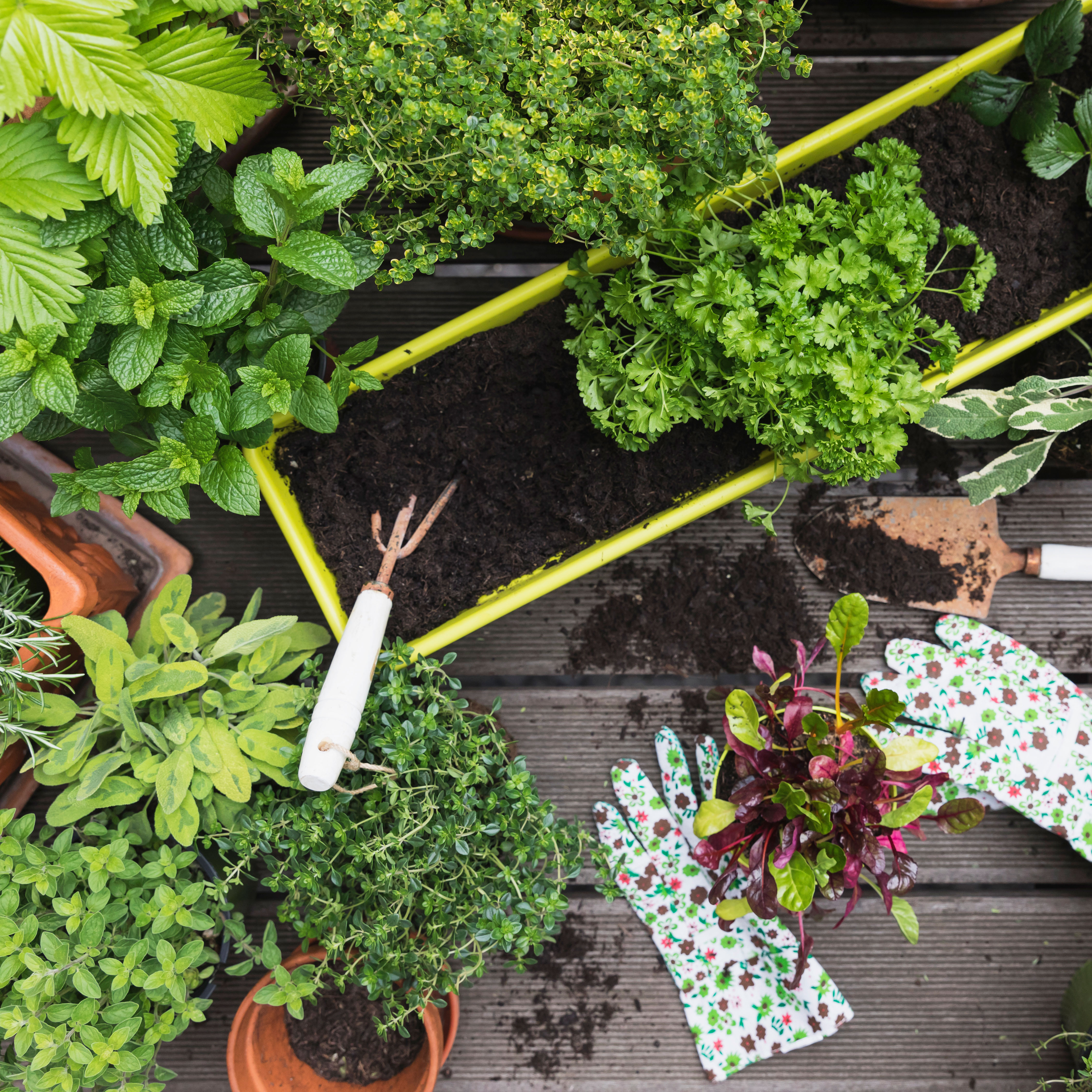
If your area experiences harsh winters, moving cilantro indoors might be the best bet. Place your pots near a south-facing window where the plants receive at least 4-5 hours of sunlight daily. Supplemental grow lights can also help if natural light is limited.
Keep the indoor temperature between 60-70°F (15-21°C) to mimic cilantro’s preferred environment. Don’t forget to water moderately—overwatering indoors can lead to root rot. Growing cilantro inside gives you fresh leaves year-round and protects your plants from unpredictable outdoor weather.
Credit: www.gardeningknowhow.com
Signs Of Cold Damage
Cold weather can be tough on cilantro. Knowing how to spot signs of cold damage early can save your plants. Recognizing these signs helps you act fast before the damage gets worse.
Leaf Discoloration And Wilting
One of the first signs of cold damage is leaf discoloration. Your cilantro leaves may turn yellow, brown, or even develop black spots. These changes happen because cold temperatures disrupt the plant’s normal functions.
Wilting often follows discoloration. Even if the soil is moist, the leaves might look limp and droopy. This happens because cold slows down water absorption, making the plant struggle to stay hydrated.
Have you noticed your cilantro leaves losing their bright green color or becoming limp after a cold night? These are clear warnings that your plant is stressed and needs attention.
Recovery Tips After Frost
Once you see cold damage, don’t give up on your cilantro just yet. Move your plants to a sheltered spot or indoors if possible. This protects them from further cold exposure.
Water your cilantro lightly but regularly. Avoid overwatering, as cold soil holds moisture longer, increasing the risk of root rot. Adding a layer of mulch can help keep the soil temperature steady.
Prune away any badly damaged leaves. This encourages new growth and reduces the chance of disease. Keep an eye on your cilantro over the next few days—sometimes it bounces back surprisingly well with a little care.
Extending Cilantro’s Growing Season
Extending cilantro’s growing season can be a game-changer if you love fresh herbs year-round. While cilantro struggles in freezing temperatures, there are smart ways to keep it thriving longer. With some planning and care, you can enjoy fresh leaves even as the cold sets in.
Succession Planting Strategies
Succession planting means sowing cilantro seeds every few weeks. This keeps a steady supply of young, tender leaves ready to harvest. Instead of one big crop that bolts quickly, you get a continuous harvest.
Try planting new seeds every 2-3 weeks in early spring and late summer. This way, your garden always has fresh cilantro before the cold hits. You’ll avoid the frustration of losing your entire crop at once.
Have you tried starting seeds indoors before transplanting? This gives cilantro a head start and protects it from early frosts. Using small pots on a sunny windowsill can make a big difference in extending growth.
Companion Planting Benefits
Planting cilantro alongside certain vegetables can boost its survival through colder spells. For instance, pairing cilantro with tomatoes or peppers can create a microclimate that shields it from harsh winds.
Companion plants can also improve soil health, reducing stress on cilantro during temperature swings. Basil and onions are great neighbors, helping repel pests that might weaken cilantro plants.
Ever noticed how some plants seem to protect each other naturally? Using companion planting, you can mimic this in your garden. It’s a simple way to help cilantro stay healthy without extra effort.

Credit: savvygardening.com
Frequently Asked Questions
Can Cilantro Tolerate Frost Or Freezing Temperatures?
Cilantro is sensitive to frost and freezing. It usually wilts or dies below 28°F (-2°C). Protecting it with covers helps extend survival.
What Is The Ideal Temperature For Growing Cilantro?
Cilantro grows best in cool weather between 50°F and 85°F (10°C-29°C). Temperatures above 85°F cause it to bolt quickly.
How Can I Protect Cilantro During Cold Weather?
Use row covers or cloches to shield cilantro from frost. Mulching around plants also helps retain soil warmth and moisture.
Does Cilantro Grow Well Indoors In Winter?
Yes, cilantro can grow indoors with sufficient light and cool temperatures. A sunny windowsill or grow light works well.
Conclusion
Cilantro can brave cold weather with proper care. Protect it with mulch. Consider growing it indoors during harsh winters. This herb thrives best in mild temperatures. Too much cold can harm it. Keep an eye on weather forecasts. Move potted plants inside if needed.
A bit of effort ensures a fresh supply of cilantro year-round. Enjoy its rich flavor in your dishes. Gardening offers rewards and satisfaction. So, nurture your cilantro well. It will enhance your culinary experiences.