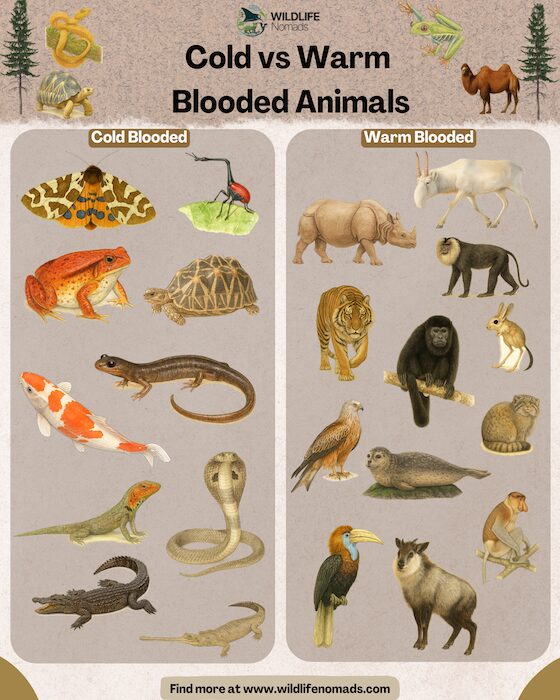
Have you ever wondered how cold-blooded animals like lizards and snakes manage to stay alive and active when the sun blazes down and temperatures soar? Unlike warm-blooded creatures, they don’t generate their own body heat.
So, how do they beat the heat without overheating? Understanding their clever survival tricks can change the way you see the animal world—and might even surprise you. Keep reading to discover the fascinating ways these creatures handle hot weather and what you can learn from their natural strategies.
Cold-blooded Animals And Temperature
Cold-blooded animals face a unique challenge when the temperature rises. Unlike warm-blooded creatures, they can’t internally regulate their body heat. Their survival depends on adapting to the environment around them, making their relationship with temperature fascinating.
Ectothermic Nature Explained
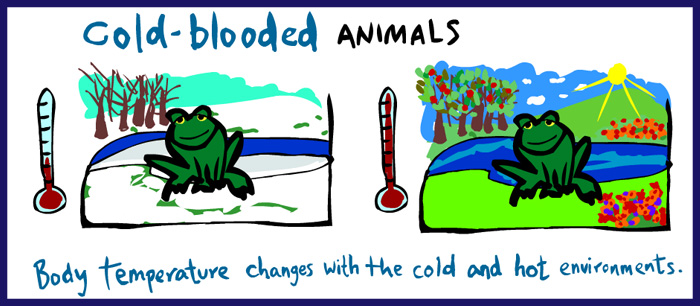
Cold-blooded animals, or ectotherms, rely on external sources to manage their body temperature. They absorb heat from the sun or seek shade to cool down. This means their activity levels fluctuate with the temperature—becoming more active when it’s warm and slowing down when it’s cool.
Think about a lizard basking on a rock in the morning sun. It’s not just soaking up warmth for comfort; it’s jumpstarting its metabolism. This behavior is crucial because their body functions depend heavily on external heat.
Impact Of Heat On Metabolism
Heat plays a direct role in their metabolism, which controls how fast their bodies use energy. When temperatures rise, their metabolism speeds up, increasing energy needs and movement. However, if it gets too hot, they risk overheating and must find ways to cool down.
Have you noticed how snakes often hide under rocks during the hottest parts of the day? They’re avoiding overheating, which can be just as dangerous as the cold. Their survival depends on balancing this metabolic push and pull, showing just how sensitive they are to their surroundings.
Credit: www.sheppardsoftware.com
Behavioral Adaptations To Heat
Cold-blooded animals rely heavily on their behavior to cope with scorching temperatures. Unlike warm-blooded creatures, they cannot internally regulate their body heat. Instead, they use smart moves to stay cool and survive under the sun’s intense glare.
Seeking Shade And Burrowing
Have you noticed how lizards often disappear under rocks or bushes during the hottest part of the day? This isn’t by chance. Seeking shade helps these animals avoid direct sunlight, drastically lowering their body temperature.
Many cold-blooded species also dig burrows or use existing ones to escape the heat. Underground temperatures stay cooler and more stable, providing a natural refuge. This simple action can mean the difference between life and death on a blazing afternoon.
Adjusting Activity Patterns
Changing when they are active is another clever tactic. Many reptiles and amphibians become nocturnal or crepuscular to avoid midday heat. You might see them basking in the morning or evening instead of the sweltering afternoon.
This shift in activity not only protects them from overheating but also conserves water. If you ever watch a desert lizard, you’ll spot it moving slowly or resting during peak heat, then becoming more energetic at cooler times. Could adjusting your own schedule help you beat the heat more efficiently?
Physiological Mechanisms
Cold-blooded animals, or ectotherms, face unique challenges during hot weather. Unlike warm-blooded creatures, they rely heavily on external conditions to regulate their body temperature. Their survival depends on a range of physiological mechanisms designed to keep their internal environment stable even under intense heat.
Thermoregulation Strategies
Ectotherms adjust their body temperature through behavior and internal processes. Many reptiles, for example, bask in the sun to warm up but retreat to shade or burrows to cool down. This simple yet effective strategy helps them avoid overheating.
Some species change their skin color to reflect or absorb heat. Darker colors absorb more heat, while lighter colors reflect it. This color change acts like a natural thermostat.
Have you noticed how some lizards flatten their bodies against warm surfaces? This increases surface area to absorb more heat quickly or to release it faster when temperatures drop.
Water Conservation Methods
Hot weather increases the risk of dehydration. Cold-blooded animals have evolved efficient ways to conserve water. For instance, many desert-dwelling reptiles excrete uric acid instead of urine to minimize water loss.
Some amphibians reduce water loss by sealing their skin with a waxy coating. This barrier prevents evaporation, which is vital since their skin is usually permeable.
Ever seen a turtle tuck its limbs and head inside its shell during extreme heat? This behavior reduces exposed surface area and slows water loss.
- Reducing activity during the hottest parts of the day to limit water loss through breathing and skin
- Storing water in specialized tissues or bladder for gradual use
- Using microhabitats like shaded crevices or moist burrows to stay hydrated
Could you apply any of these strategies in your own life when dealing with heat and dehydration?

Credit: www.wildlifenomads.com
Role Of Habitat And Microclimates
Cold-blooded animals depend heavily on their surroundings to manage body temperature, especially in hot weather. The role of habitat and microclimates is crucial because these creatures cannot internally regulate their heat like warm-blooded animals. Instead, they find ways to use their environment to stay cool and survive extreme temperatures.
Choosing Cooler Environments
Many cold-blooded animals actively select habitats that offer natural shade or cooler conditions. You might notice lizards clustering under trees or rocks during the hottest part of the day. These shaded spots reduce their exposure to direct sunlight and help maintain a lower body temperature.
Besides shade, proximity to water sources often plays a big role. Areas near streams or ponds tend to have cooler air and moist ground, which can help animals avoid overheating. If you’ve ever watched frogs near a pond, you’ll see they take advantage of these cooler, damp spots to regulate their temperature.
Utilizing Microhabitats
Microhabitats are small, specialized environments within a larger habitat that provide unique conditions. Cold-blooded animals use these to escape extreme heat. For example, burrows, crevices, and leaf litter offer cooler, more stable temperatures than open areas.
By retreating into these microhabitats, animals can avoid heat spikes during midday. Snakes often hide under rocks or inside abandoned rodent holes. This behavior isn’t just about hiding from predators—it’s a strategic move to control body temperature.
Think about your own home on a hot day. You probably seek out air-conditioned rooms or shaded patios. Similarly, cold-blooded animals rely on the microclimates within their habitats to find comfort and survive. How might you observe these natural temperature zones in your own backyard or local park?
Examples Of Heat Survival Tactics
Cold-blooded animals, or ectotherms, rely heavily on their environment to regulate body temperature. To survive scorching heat, they have developed clever survival tactics that help them manage heat without sweating or shivering like warm-blooded creatures. Let’s look at some specific ways reptiles and amphibians handle extreme temperatures.
Reptiles’ Skin And Color Changes
Reptiles have tough, scaly skin that acts as a barrier against water loss and extreme heat. This skin helps them retain moisture and prevent dehydration during hot days.
Many reptiles can also change their skin color to control heat absorption. Darker colors absorb more heat, which is useful during cooler mornings. As the sun rises, they shift to lighter colors to reflect sunlight and stay cooler.
Have you noticed how lizards bask in the sun early but seek shade as it gets hotter? This color change combined with behavior helps them balance their body temperature efficiently.
Amphibians’ Moisture Retention
Amphibians have soft, permeable skin that makes moisture retention a challenge in hot weather. They often stay near water or in damp places to avoid drying out.
Some amphibians produce a mucus coating on their skin that reduces water loss. This slime acts like a natural sunscreen and moisturizer, helping them survive dry spells.
You might wonder how frogs manage to stay cool and moist in a sun-baked pond. Their ability to absorb water through their skin and retreat into shady spots is key to their heat survival.

Credit: www.wildlifenomads.com
Challenges And Limits In Extreme Heat
Cold-blooded animals face serious challenges during extreme heat. Their body temperature depends on the environment. This makes surviving very hot days difficult. They must manage risks to avoid damage or death. Their natural limits also affect how well they can cope with heat stress.
Heat Stress Risks
Cold-blooded animals can overheat quickly in hot weather. Heat stress causes dehydration and organ failure. It slows down their movement and reaction time. They become vulnerable to predators and less able to find food. Prolonged heat can cause permanent damage or death.
Many cold-blooded animals rely on water or shade to cool down. Without these, their survival chances drop sharply. Extreme heat can disrupt their normal activities like hunting and mating. This impacts their growth and reproduction over time.
Adaptation Limits And Evolution
Animals adapt through behavior and physical changes over time. Some develop lighter colors to reflect sunlight. Others become nocturnal to avoid daytime heat. However, these adaptations have limits.
Evolution takes many generations. Rapid climate changes can outpace animals’ ability to adapt. Some species may face shrinking habitats or competition for cooler places. Without enough time or options, survival becomes harder.
Not all cold-blooded animals can evolve to handle extreme heat. Their physiology sets boundaries on how much heat they can endure. Understanding these limits helps explain why some species decline in warming environments.
Frequently Asked Questions
How Do Cold-blooded Animals Regulate Body Temperature?
Cold-blooded animals, like reptiles, use behavioral adaptations to manage temperature. They bask in sunlight to absorb warmth and retreat to shade or burrows to cool down. This helps them maintain a stable body temperature despite external conditions.
Why Do Cold-blooded Animals Thrive In Hot Climates?
Cold-blooded animals flourish in hot climates due to their reliance on external heat sources. High temperatures enable efficient metabolism and activity levels. This allows them to conserve energy and survive longer without food, as they do not need to generate heat internally.
What Challenges Do Cold-blooded Animals Face In Heat?
Extreme heat poses dehydration risks for cold-blooded animals. They may face overheating if unable to find shade. These conditions can stress their physiological systems. To combat this, they seek cooler environments or adapt their behavior to manage body temperature effectively.
Can Cold-blooded Animals Survive In Deserts?
Yes, many cold-blooded animals are well-adapted to desert environments. They have evolved to endure high temperatures and scarce water. By being active during cooler hours and burrowing underground, they avoid extreme heat, ensuring their survival in harsh desert conditions.
Conclusion
Cold-blooded animals use smart ways to handle heat. They move to shade or stay still to save energy. Their bodies change with the temperature around them. Some burrow underground to stay cool. These tricks help them live in hot places.
Nature made them strong and smart. Understanding these animals shows how life adapts. Their survival teaches us about balance in nature. Watching them can inspire respect for all creatures. Heat is tough, but they survive well. Their ways are simple but very effective.