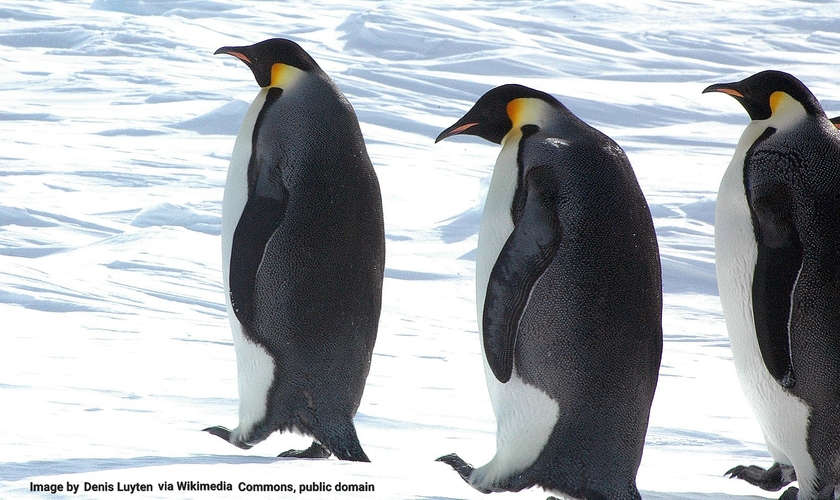
Have you ever wondered if penguins could survive in warm weather? These charming birds are often linked to icy landscapes and freezing temperatures.
But what would happen if they were placed somewhere hot and sunny? Understanding how penguins handle heat isn’t just interesting—it might change how you see these creatures forever. Keep reading, and you’ll discover surprising facts about penguins and their ability to adapt to warmer climates.
This might just challenge everything you thought you knew about them.
Penguin Species And Habitats
Penguins are often linked with icy landscapes, but their species actually thrive across a variety of climates and habitats. Understanding where different penguin species live helps you see how well they manage in warm weather. Their habitats range from freezing Antarctic coasts to temperate islands with surprisingly mild climates.
Cold Climate Penguins
Most people picture penguins in cold places because many species live in Antarctica. Emperor penguins and Adélie penguins are prime examples. These birds have thick layers of feathers and fat to keep warm in sub-zero temperatures.
They rely on ice and cold seas for hunting and breeding. Their bodies are built to survive harsh winters and freezing water. Have you ever wondered how they stay active without freezing?
Warm Climate Penguins
Not all penguins live in freezing cold. Species like the Galápagos penguin and African penguin live in much warmer areas. The Galápagos penguin lives near the equator, where temperatures can be quite high.
These penguins have adapted to warmer climates by finding cool places to rest during the hottest parts of the day. They often seek shade or swim in cooler waters. This shows that penguins are more adaptable than most people think.
Adaptation To Different Environments
Penguins have developed unique traits to survive in their specific habitats. Cold climate penguins have dense feathers and a thick layer of blubber. Warm climate penguins have thinner feathers and behaviors that help avoid overheating.
Some species pant or stretch their flippers to release heat. They also adjust their breeding times to avoid the hottest seasons. What if penguins didn’t adapt like this—would they survive in your local climate?
Credit: www.cabq.gov
Physical Traits Affecting Temperature Tolerance
Penguins have special physical traits that help them handle different temperatures. These traits decide how well they manage heat in warm weather. Understanding these traits shows why some penguins can live in warmer places.
Insulating Feathers
Penguins have dense feathers that trap air close to their skin. This air acts as a barrier to keep warmth in cold weather.
In warm weather, these feathers help stop too much heat from entering their bodies. Penguins also preen their feathers to keep them waterproof and clean.
Body Fat And Heat Regulation
Penguins have a thick layer of fat under their skin called blubber. It keeps them warm in cold oceans.
In warm climates, this fat layer can cause overheating. Some penguins have thinner fat layers to avoid this problem.
Behavioral Adjustments
Penguins change their behavior to handle heat better. They seek shade or cool water to lower their body temperature.
They also pant or hold their wings away from their body to release extra heat. These actions help them survive warmer days.
Challenges Penguins Face In Warm Weather
Penguins are often linked with icy landscapes, but some species live in warmer climates. Despite this, warm weather creates real challenges for these birds. Understanding these struggles helps us see how delicate their survival is and what you can do to help.
Heat Stress And Dehydration
Penguins have thick feathers designed to keep them warm, but these same feathers can trap heat when temperatures rise. This can lead to heat stress, making it hard for them to stay cool. Without easy access to fresh water, dehydration becomes a serious risk, affecting their energy and health.
Have you ever felt uncomfortable just from standing in the sun too long? Penguins face this every day in warming environments, and it impacts their ability to hunt and move efficiently.
Breeding And Nesting Issues
Warm weather can disrupt penguins’ breeding cycles. Many rely on cool conditions to incubate eggs safely and protect chicks from overheating. When temperatures soar, nests can become too hot, leading to lower hatch rates and weaker offspring.
Imagine trying to care for a baby in a heatwave with no air conditioning—that’s what penguin parents endure. This stress not only affects current chicks but can reduce population numbers over time.
Predation And Habitat Loss
As temperatures rise, penguin habitats can shrink or change. This often pushes penguins into new areas where predators are more common. Increased heat can also reduce ice platforms and vegetation that provide shelter.
Think about how your neighborhood changes when construction moves in—penguins face similar disruptions that make them more vulnerable. Protecting their habitats means more than just preserving land; it means safeguarding their future.

Credit: uk.news.yahoo.com
Survival Strategies In Hotter Climates
Penguins are often linked to icy habitats, but some species have adapted to survive in much warmer climates. Their survival in these hotter environments depends on a variety of clever strategies. Understanding these can help you appreciate just how resilient and flexible penguins really are.
Seeking Shade And Water
Penguins in warm areas actively look for shade during the hottest parts of the day. Trees, rocks, or man-made structures become their refuge from direct sunlight. Access to water is also essential—not just for drinking but for cooling down by splashing or swimming.
Have you ever noticed how penguins splash water on themselves? This simple act helps lower their body temperature quickly. It’s a practical way to survive when the sun is relentless.
Timing Of Activities
Warm-weather penguins adjust their daily schedule to avoid overheating. They tend to be most active during cooler hours, such as early morning or late afternoon. Resting during midday heat reduces stress on their bodies.
Imagine shifting your own routine to avoid the hottest hours outside. Penguins do this instinctively. This shows how timing can be a powerful survival tool.
Migration Patterns
Some penguin species migrate short distances to cooler spots when temperatures rise too much. They don’t travel thousands of miles like some birds, but moving to shaded or breezier coastal areas can make a big difference. This behavior helps them avoid extreme heat without long journeys.
Consider how you might move to a cooler room or a shaded park on a hot day. Penguins use similar logic but adapted to their environment. Their migration is a smart way to stay comfortable and safe.
Human Impact And Conservation Efforts
Human activities have a strong impact on penguin habitats. Pollution, habitat loss, and climate change threaten their survival. Conservation efforts focus on protecting these birds, especially those living in warmer climates. Scientists and organizations work hard to monitor and support penguin populations. Their goal is to reduce harm and help penguins adapt to changing conditions.
Climate Change Effects
Rising temperatures affect penguin food and nesting areas. Warmer oceans reduce fish availability, which penguins need to eat. Ice melting destroys breeding grounds for some species. Changes in weather patterns cause more storms, making survival harder. These effects create stress and lower penguin numbers.
Protecting Warm Climate Colonies
Warm climate penguin groups need special care. Protected areas help keep their habitats safe from human damage. Laws limit fishing to ensure enough food remains for penguins. Pollution control stops harmful chemicals from reaching the ocean. Communities near colonies work to reduce disturbances and protect nests.
Research And Monitoring
Scientists track penguin health and population changes. They use satellites, drones, and cameras to gather data. Research helps understand how penguins adapt to warmer climates. Monitoring alerts conservationists to new threats quickly. This information guides better protection plans for penguins worldwide.
Unexpected Penguin Adaptations
Poor penguins! Most people picture them waddling on icy icebergs, but some species live where the sun shines brightly and temperatures soar. You might wonder how these birds cope with heat that feels more like summer than winter. The truth is, penguins have surprising adaptations that help them survive—and even thrive—in warm weather.
Unique Behaviors In Warm Areas
Penguins in warmer climates often change their daily routines to avoid overheating. Many become more active during cooler parts of the day, such as early morning or late afternoon.
You might notice them stretching out their flippers or holding their wings away from their bodies. These actions help increase airflow and cool their skin.
- Seeking shade under rocks or bushes
- Swimming frequently to lower body temperature
- Huddling less closely than their cold-weather cousins
Have you ever seen a penguin pant like a dog? This behavior helps them release excess heat when the sun is relentless.
Physiological Adjustments
Penguins have physical traits that act like built-in air conditioners. Their feathers are denser near the base but sparse on the surface in warm-weather species. This design helps trap cool air close to their skin.
Blood flow changes too. Warm-climate penguins can reduce circulation to extremities like their feet and flippers, minimizing heat absorption.
Interestingly, some species sweat through their feet, a rare trait in birds, to release heat directly.
Case Studies From Different Regions
The Galápagos penguin is a standout example. Living near the equator, it endures temperatures that would challenge most penguins.
To stay cool, these penguins spend hours in the water and often rest in shaded caves during peak heat. Their small size and thinner feather layers help them lose heat faster.
Another example is the African penguin, which uses a network of blood vessels in its face called “thermal windows” to radiate heat away.
These real-life stories show how penguins adapt without needing cold weather. What do you think this means for their future as global temperatures rise?

Credit: www.youtube.com
Frequently Asked Questions
Can Penguins Adapt To Warm Climates?
Penguins are primarily adapted to cold environments. However, some species like the Galápagos penguin can survive in warmer climates. They rely on cold ocean currents and shade for cooling. These adaptations allow them to thrive in regions that are not freezing.
Do Penguins Overheat In Warm Weather?
Penguins can overheat in warm weather if not careful. They use behaviors like panting and finding shade to cool down. Penguins also take dips in water to regulate their body temperature. These strategies help them manage heat effectively.
How Do Penguins Stay Cool In Warm Areas?
Penguins have several strategies to stay cool. They seek shade and swim in cold water to lower their body temperature. Additionally, they use their wings and feet to release excess heat. These methods are crucial for survival in warmer environments.
Are All Penguin Species Affected By Warm Weather?
Not all penguin species are equally affected by warm weather. Species like the Emperor penguin thrive in icy habitats. Others, like the African and Galápagos penguins, are better adapted to warmer climates. Each species has evolved to suit its specific environment.
Conclusion
Penguins can survive in warm weather, but it is not easy for them. They need cool places to rest and plenty of water to stay healthy. Some penguin species live in warmer climates and have adapted well. Still, most prefer cold environments to keep their bodies safe.
Protecting their homes helps penguins live longer and stay strong. Understanding their needs teaches us how to help them. Penguins are amazing creatures, showing us how life can adapt to change.