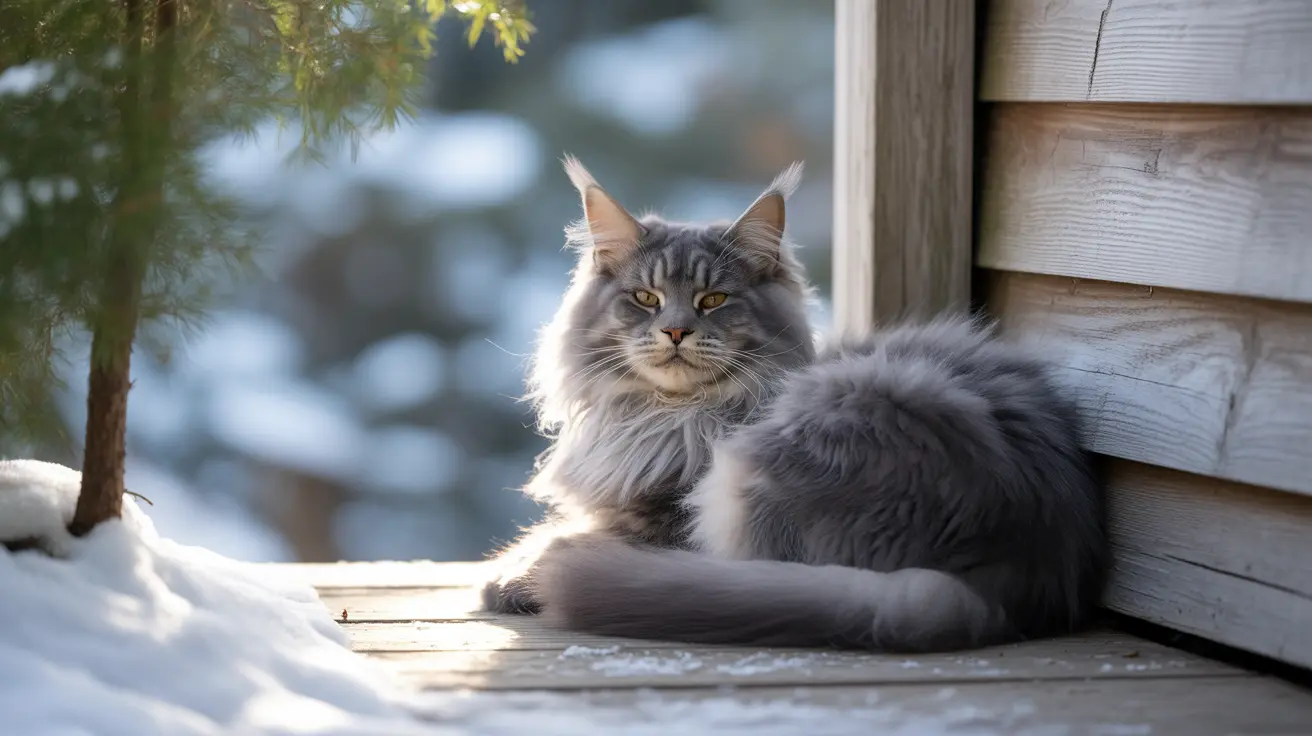
Have you ever wondered how well cats handle freezing temperatures? If you’ve seen a furry friend curled up outside on a chilly day, you might be curious about how they survive the cold.
Understanding your cat’s natural abilities and limits in cold weather can help you keep them safe and comfortable. Keep reading to discover surprising facts about cats and cold weather survival that every pet owner needs to know.

Credit: bestfriends.org
Cat Adaptations To Cold
Cats have natural ways to handle cold weather. Their bodies and habits help them stay warm. These adaptations keep them safe and comfortable during chilly days.
Fur And Insulation
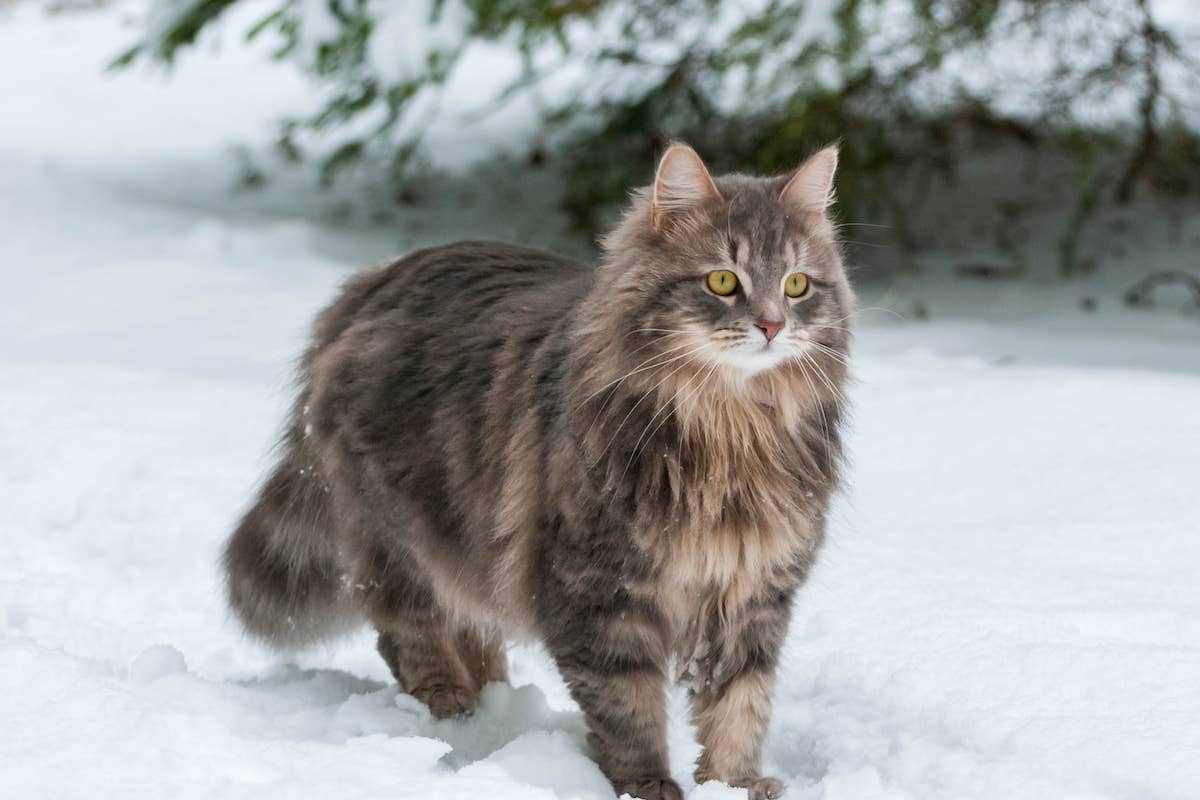
Cats grow thicker fur in cold seasons. The fur traps warm air close to their skin. Some cats have a soft undercoat for extra insulation. This layer keeps the cold out and heat in. Fur also protects their skin from frostbite and wind.
Body Fat And Metabolism
Cats build a thin layer of fat under their skin. This fat works as a natural blanket. It stores energy and helps keep their body heat. Their metabolism speeds up to produce more heat. This process uses stored fat to keep them warm.
Behavioral Changes
Cats change their habits to stay warm. They curl up tightly to reduce heat loss. Cats seek sunny spots or sheltered places. They may sleep more to conserve energy. Cats also fluff their fur to trap more air. These small actions help them survive cold weather.
Credit: pethelpful.com
Risks Cats Face In Cold Weather
Cats face many dangers in cold weather. Their bodies try to stay warm, but harsh cold can cause serious harm. Outdoor cats especially struggle to find safety and comfort. Understanding the risks helps protect these animals during winter.
Hypothermia And Frostbite
Cold temperatures can cause hypothermia in cats. Their body temperature drops too low. This slows their heart and breathing. Frostbite happens when skin freezes. Ears, paws, and tail tips are most at risk. Both conditions need quick care to avoid lasting damage.
Food And Water Scarcity
Winter makes food hard to find. Snow covers natural prey and plants. Cats must work harder to hunt or scavenge. Water sources often freeze, limiting drinking options. Lack of food and water weakens cats, making cold effects worse.
Predators And Shelter
Finding shelter is a big challenge. Cats look for dry, warm places to stay safe. Without shelter, they face wind and rain exposure. Predators also become more dangerous in winter. Weaker cats are easier targets. Safe shelter is vital to survive cold months.
Wild Vs. Domestic Cats
Wild cats and domestic cats face cold weather differently. Wild cats rely on natural skills and instincts to survive harsh winters. Domestic cats depend more on human care and protection. Understanding these differences helps us see how each adapts to cold temperatures.
Survival Skills In The Wild
Wild cats have thick fur that changes with the seasons. They grow a dense undercoat to keep warm. These cats find shelter in caves, dense bushes, or hollow trees. They hunt to maintain energy and body heat. Their sharp senses help avoid dangers and find food. Wild cats also reduce activity to save energy during cold spells.
Domestic Cats And Cold Exposure
Domestic cats have thinner fur and less fat than wild cats. They rely on homes and humans for warmth and food. Some domestic cats go outside, facing cold without much protection. Their small size and less dense fur make them vulnerable. Many domestic cats shiver or seek warm spots during cold days. Owners should provide cozy bedding and keep cats indoors when cold.
Indoor Vs. Outdoor Challenges
- Indoor cats stay warm but may get less exercise.
- Outdoor cats face wind, snow, and freezing temperatures.
- Outdoor cats risk frostbite and hypothermia without shelter.
- Indoor cats depend on humans for food and warmth.
- Outdoor cats use natural shelters but face predators and food scarcity.
- Both types need proper care to stay healthy in winter.
Expert Tips For Protecting Cats
Protecting your cat from cold weather requires more than just letting them inside. Cats have different needs when temperatures drop, and understanding these can make a real difference in their safety and comfort. Here are some expert tips to help you keep your feline friend warm and healthy during chilly days.
Safe Outdoor Access
Allowing your cat outside during cold weather can be risky without precautions. If your cat loves to explore, create a controlled outdoor space that limits exposure to harsh elements.
- Use a catio or enclosed porch to give fresh air without full exposure.
- Limit outdoor time to short periods during the warmest parts of the day.
- Watch for signs of distress like shivering or lifting paws off cold ground.
Have you noticed your cat avoiding the outdoors when it gets cold? This natural instinct is a sign to adjust their access accordingly.
Proper Nutrition And Hydration
Cold weather increases your cat’s energy needs, so their diet should support extra calories for warmth. Offer high-quality food rich in protein and fat to help maintain body heat.
Hydration is equally important, but cats often drink less in winter. Make sure fresh water is always available and consider using a pet water fountain to encourage drinking.
- Try warming their food slightly to entice eating.
- Monitor weight and adjust portions if you notice changes in activity.
Warm Shelter Options
Your cat needs a cozy refuge from cold winds and dampness. Providing insulated bedding in a quiet, draft-free spot can make a huge difference.
- A heated pet bed or self-warming mat offers extra comfort.
- Boxes lined with blankets placed in sunny areas can serve as simple shelters.
- Outdoor cats benefit from insulated shelters raised off the ground to avoid moisture.
Think about your cat’s favorite resting spots—can you add warmth and protection there? Small changes can transform their experience during cold months.
Signs Of Cold Stress In Cats
Noticing the signs of cold stress in cats can make a huge difference in keeping your feline friend safe during chilly days. Cats often hide their discomfort, so recognizing subtle clues is essential. Pay close attention to changes in their body and behavior to act before the cold causes serious harm.
Physical Symptoms
Look for shivering or trembling, which is one of the most obvious signs your cat is too cold. Their ears, paws, and tail might appear pale or bluish, indicating poor blood circulation. You may also notice stiff muscles or slow movements as the cold affects their joints and energy levels.
In severe cases, cats might have frostbite, which shows up as blackened or swollen skin on extremities. Another red flag is lethargy — if your cat suddenly seems weak or unwilling to move, the cold may be overwhelming their system.
Behavioral Indicators
Your cat might try to find warmer spots, curling tightly in corners or under blankets more than usual. Watch if they avoid going outside or hide away in unusual places to escape the cold. A drop in appetite is another behavioral sign; cold stress can sap their energy, making them less interested in food.
Sometimes, cats become more vocal or restless, signaling discomfort. If your usually calm cat starts pacing or meowing persistently, it could be their way of telling you they’re too cold.
When To Seek Veterinary Care
If your cat shows signs like persistent shivering, extreme lethargy, difficulty breathing, or visible frostbite, it’s time to call your vet immediately. Prolonged exposure to cold can lead to hypothermia, which is life-threatening without prompt treatment.
Don’t wait if your cat refuses to eat or drink for more than a day or if their behavior changes drastically. Early veterinary intervention can prevent complications and help your cat recover faster.

Credit: www.haltonhillstoday.ca
Frequently Asked Questions
How Do Cats Stay Warm In Cold Weather?
Cats stay warm in cold weather by utilizing their thick fur coats, which provide insulation. They seek warm spots like sunlit windows or heated areas. Cats also curl up tightly to conserve body heat. Providing a warm shelter and extra bedding can help them stay comfortable during colder months.
Can Cats Tolerate Freezing Temperatures?
Cats can tolerate some cold, but freezing temperatures are dangerous. Prolonged exposure to freezing temperatures can lead to hypothermia. It’s crucial to provide shelter and warmth. Keeping cats indoors during extreme cold or providing heated outdoor shelters can protect them from freezing conditions.
What Are Signs A Cat Is Too Cold?
Signs a cat is too cold include shivering, lethargy, and seeking warmth. They may curl up tightly and avoid moving. Cold ears and paws are also indicators. If you notice these signs, ensure they have a warm environment and consider providing additional bedding or a heated area.
Do Cats Need Special Care In Winter?
Yes, cats need special care in winter. Ensure they have warm shelter and fresh water. Regularly check their paws for ice and salt. Providing extra food can help them maintain energy. Indoor playtime can keep them active. Consider using pet-safe heating pads for added warmth.
Conclusion
Cats handle cold weather better than many expect. Their thick fur helps keep them warm. But extreme cold can still be dangerous. They seek shelter to stay safe and cozy. Owners should provide warm places for outdoor cats. Watching for signs of frostbite or hypothermia is important.
Cats adapt well but need care in winter. A warm home and good food help them stay healthy. Cold weather is tough, but cats have natural ways to survive. Caring for them ensures they stay comfortable all season.