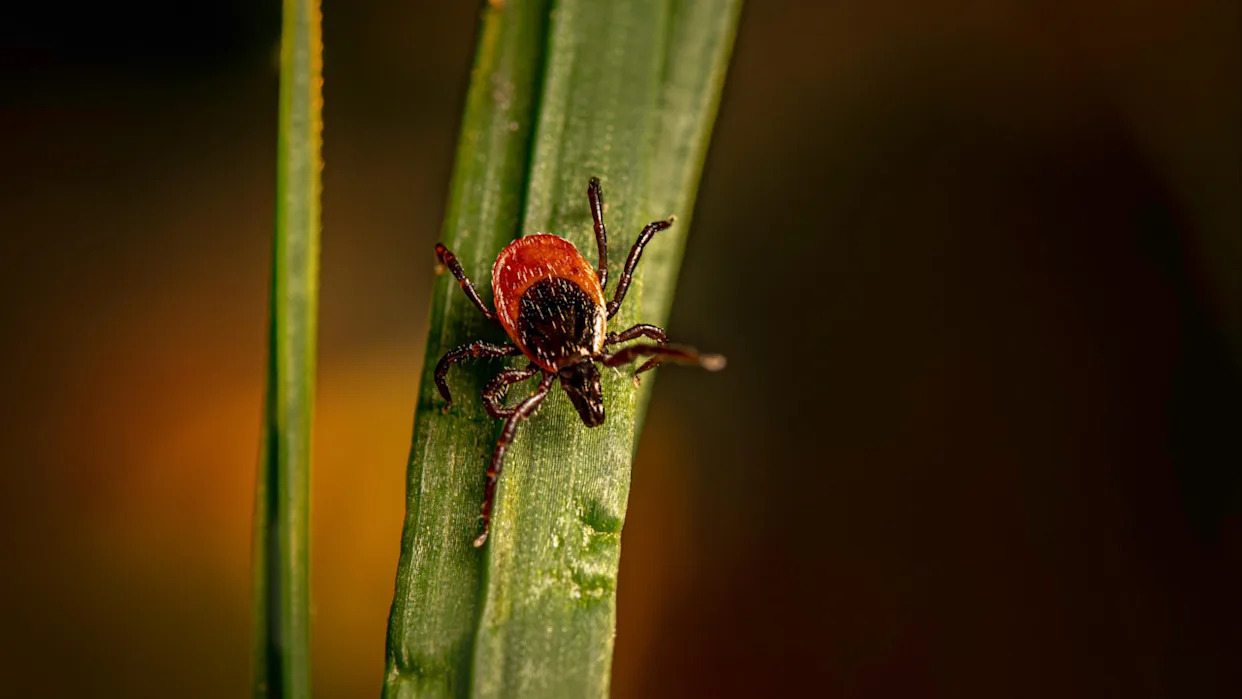
Have you ever wondered if ticks can survive scorching 100-degree weather? You might think extreme heat would wipe them out, but the truth could surprise you.
Understanding how ticks react to high temperatures is crucial for protecting yourself and your loved ones. You’ll discover how these tiny pests manage to survive—and what that means for your safety during hot summer days. Keep reading to learn the facts that can help you stay one step ahead.

Credit: ca.news.yahoo.com
Tick Biology And Heat Tolerance
Ticks are small arachnids that rely on their environment to survive. Their biology influences how they handle extreme heat. Understanding their heat tolerance helps explain if they can live in 100-degree weather. Ticks have unique ways to manage body temperature and respond to heat stress.
How Ticks Regulate Body Temperature
Ticks do not produce their own heat. They depend on the temperature around them. They avoid direct sunlight to prevent overheating. Ticks often hide in shaded, moist areas. This behavior helps keep their body temperature low.
Ticks also reduce activity during the hottest hours. They become more active in cooler parts of the day. This natural rhythm helps them survive heat stress. Their small size also aids in quick temperature adjustment.
Effects Of Heat On Tick Survival
High temperatures can harm ticks in several ways. Prolonged exposure to heat causes dehydration. Dry conditions make it hard for ticks to stay alive. Many ticks die if temperatures stay above 95 degrees for long.
Some species tolerate short bursts of heat better than others. But 100-degree weather is usually dangerous for ticks. They seek cooler, humid microhabitats to escape heat. Without these refuges, their survival rates drop significantly.
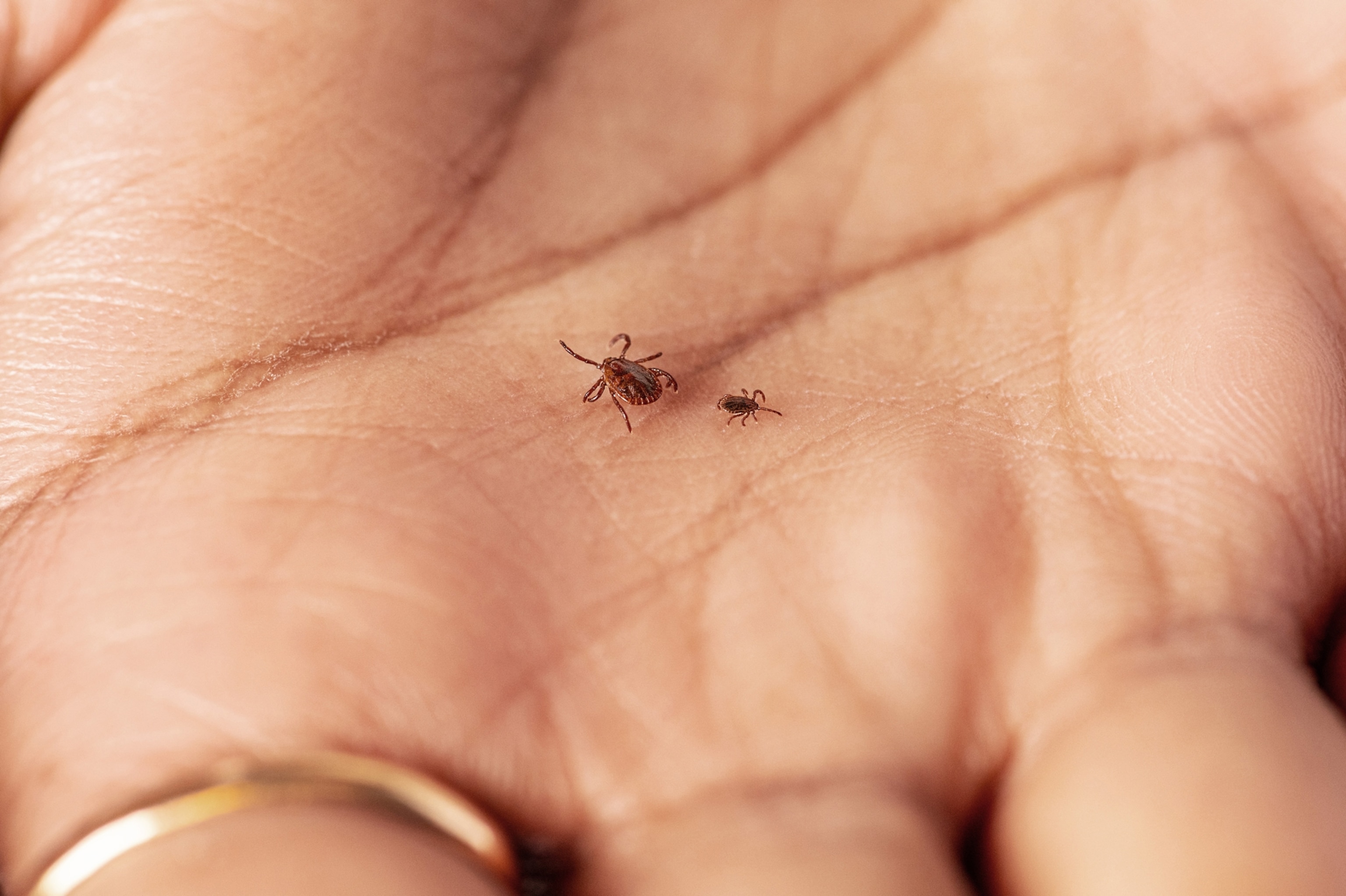
Credit: www.nationalgeographic.com
Ticks In Extreme Heat Conditions
Ticks face serious challenges during extreme heat. Temperatures reaching 100 degrees Fahrenheit or more can threaten their survival. Yet, some tick species endure harsh conditions better than expected. Understanding how ticks cope with intense heat helps explain their persistence in warm climates.
Behavioral Adaptations To Hot Weather
Ticks change their behavior to avoid deadly heat. They become less active during the hottest parts of the day. Instead, they wait for cooler times, such as early morning or evening. This reduces water loss and prevents overheating.
Some ticks climb lower on plants or drop to the ground. This behavior helps them escape direct sunlight and find moisture. By seeking shade, they protect themselves from drying out.
Microhabitats That Protect Ticks
Ticks find refuge in small, cool places called microhabitats. These areas offer shelter from extreme heat. Common microhabitats include:
- Leaf litter on the forest floor
- Shaded grass and bushes
- Cracks in bark or soil
- Humid areas near water sources
These spots provide moisture and cooler temperatures. They create a safer environment for ticks during hot weather. Microhabitats help ticks survive until conditions improve.
Scientific Studies On Ticks And High Temperatures
Scientific studies on ticks and high temperatures reveal how these pests respond to extreme heat. Researchers explore tick survival and behavior under hot conditions. Their findings help us understand tick risks during heatwaves. These studies use both lab tests and field observations.
Laboratory Experiments On Heat Exposure
Scientists expose ticks to controlled high temperatures in labs. They observe how ticks survive at 100 degrees Fahrenheit and above. Some ticks can endure short bursts of heat but die with prolonged exposure. Experiments show ticks reduce activity to avoid overheating. Humidity levels also affect their survival during heat stress.
Field Observations During Heatwaves
Researchers study ticks in natural settings during heatwaves. They track tick populations and activity in hot weather. Many ticks seek shade or burrow into soil to escape the heat. Some species become less active, reducing biting risks temporarily. Field data confirm ticks can survive 100-degree days if they find shelter.
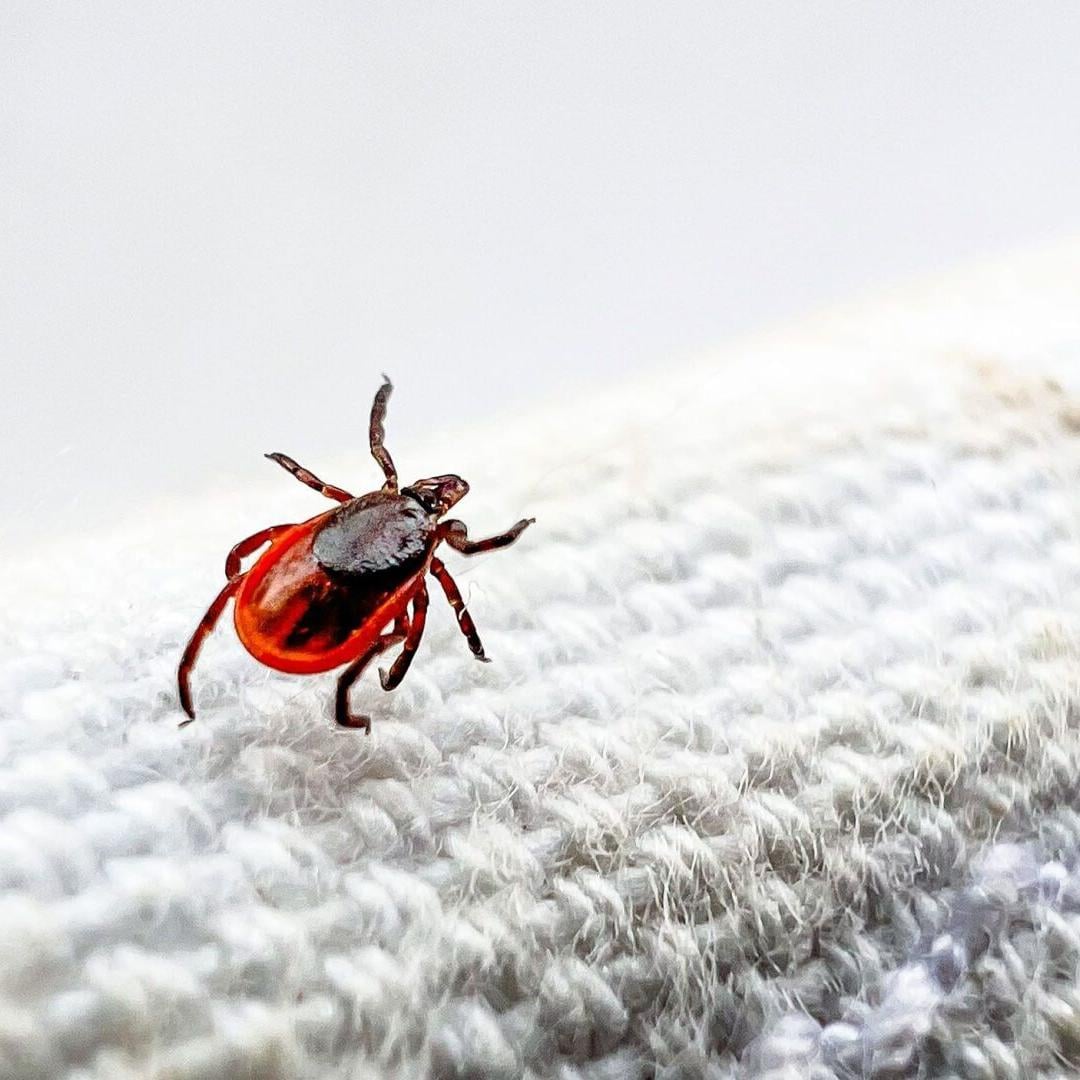
Credit: www.news8000.com
Impact Of 100 Degree Weather On Tick Activity
Ticks are sensitive to temperature changes. Extreme heat, especially 100-degree weather, can affect their behavior and survival. Understanding these effects helps in managing tick risks during hot periods.
Changes In Feeding Patterns
Ticks tend to reduce their activity in extreme heat. They avoid feeding during the hottest parts of the day. Instead, they seek shaded, cooler areas to stay safe.
Feeding usually happens in early morning or late evening. This helps ticks conserve moisture and avoid drying out. High temperatures can make ticks less aggressive in searching for hosts.
Survival Rates During Heat Spikes
Ticks face challenges surviving in 100-degree heat. They lose water quickly and risk dehydration. Survival rates drop if they cannot find humid environments.
Some tick species adapt by burrowing into soil or leaf litter. These places offer cooler, moister conditions. Despite this, prolonged heat waves can reduce tick populations significantly.
Preventing Tick Exposure In Hot Climates
Ticks may seem less active in extreme heat, but that doesn’t mean you can let your guard down. In hot climates, preventing tick exposure requires a mix of smart outdoor habits and effective control measures. Your safety depends on understanding how ticks behave when temperatures soar and what you can do to keep them away.
Effective Tick Control Methods
Keeping ticks under control around your home is key. Regularly mow your lawn and clear away leaf litter where ticks love to hide. Creating a dry, sunny environment makes it harder for ticks to survive since they prefer shady, moist areas.
Using tick-targeted treatments on your yard can reduce their numbers dramatically. Products containing permethrin or natural alternatives like cedar oil work well. Be sure to follow instructions carefully to avoid harming beneficial insects.
Did you know placing a barrier of wood chips or gravel between wooded areas and your lawn can limit tick migration? It’s a simple trick that many overlook but can create an effective tick-free zone.
Personal Protection Strategies
Your clothing choices can be a powerful shield against ticks. Wear light-colored, long-sleeved shirts and pants to spot ticks quickly before they latch on. Tuck pants into socks to block their path.
Applying tick repellents with DEET or picaridin on your skin and clothes adds a strong layer of defense. Don’t forget to check yourself thoroughly after spending time outdoors, especially in hidden spots like behind knees or around the waist.
Have you ever paused to think about how your daily habits might invite ticks closer? Avoid brushing against tall grass or dense bushes. Staying on clear paths reduces your chances of contact with ticks lurking in the undergrowth.
Future Trends: Climate Change And Tick Populations
Climate change is altering the environment in many ways. Ticks, small but dangerous pests, respond quickly to these changes. Warmer temperatures affect where ticks live and how long they survive. This impacts their population and the risks they pose.
Understanding these trends helps us prepare for possible health challenges. Shifts in tick behavior and habitats could increase human exposure to tick-borne diseases. Awareness and adaptation are key to managing these future risks.
Rising Temperatures And Tick Distribution
Ticks can survive in hotter climates than before. Rising temperatures allow ticks to move into new areas. Regions once too cold for ticks are becoming suitable habitats.
Hot weather also extends the tick activity season. They can seek hosts for longer periods each year. This growth in population size and range means more encounters with humans and animals.
- Warmer winters reduce tick mortality rates.
- Expanded habitats increase tick diversity.
- Ticks may adapt to withstand extreme heat.
Potential Risks For Human Health
More ticks in more places raise the chance of diseases spreading. Lyme disease and other infections may become more common. People living in affected areas face greater health threats.
Prevention becomes harder as ticks grow in number and range. Public health systems must improve education and tick control measures. Early detection and treatment of tick-borne illnesses are vital.
- Increased tick bites can lead to more infections.
- New tick species may bring unknown diseases.
- Outdoor workers and travelers face higher risks.
Frequently Asked Questions
Can Ticks Endure Extreme Heat Like 100 Degrees?
Ticks can survive in 100-degree weather but may become less active. They seek shelter in cooler, shaded areas to avoid dehydration. While high temperatures can stress ticks, they are resilient creatures and adapt to various conditions. However, prolonged exposure to extreme heat may reduce their survival rates.
How Does Hot Weather Affect Tick Activity?
Hot weather can decrease tick activity as they prefer cool, humid environments. During extreme heat, ticks might seek refuge in shaded areas or become less active to conserve moisture. Although they can survive high temperatures, their quest for hosts may decrease until conditions become more favorable.
Do Ticks Need Humidity To Survive?
Yes, ticks require humidity to maintain their hydration levels. They thrive in environments with high moisture and tend to be less active in dry conditions. Ticks are more likely to dehydrate and die without adequate humidity, making it crucial for their survival and activity.
Where Do Ticks Hide In Hot Weather?
In hot weather, ticks seek cooler, shaded environments to avoid dehydration. They hide under leaf litter, in tall grass, or in wooded areas. These locations provide the moisture and protection they need to survive extreme temperatures. Staying in shaded spots helps them maintain their hydration levels.
Conclusion
Ticks can survive hot weather, but only for a short time. They hide in cool, shaded places to stay safe. Extreme heat can dry them out and cause death. Still, ticks remain active in warm months and pose risks. Protect yourself by checking for ticks after outdoor activities.
Use repellents and wear proper clothing to avoid bites. Stay aware of tick behavior to stay safe during summer.