Have you ever wondered how birds manage to survive when the temperature drops far below freezing? While you’re bundling up in layers to stay warm, these tiny creatures face harsh cold without blankets or heaters.
Yet, they thrive and keep going through icy winds and snow. Understanding their secrets can amaze you and even inspire how you handle tough situations. Keep reading to discover the surprising ways birds stay warm and survive extreme cold weather—you won’t believe how clever they really are!
Bird Adaptations To Cold
Birds have unique ways to survive cold weather. Their bodies are built to keep heat and stay active. These adaptations help them live through harsh winters and chilly nights.
Feather Insulation
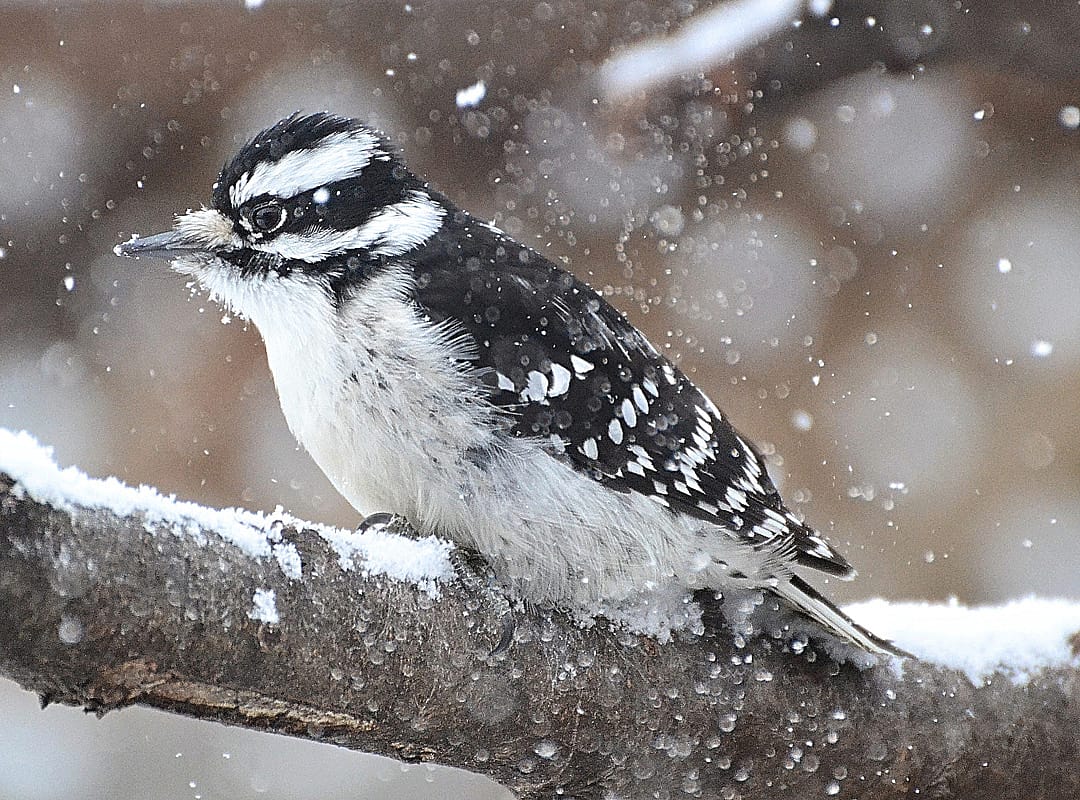
Birds have layers of feathers that trap warm air close to their skin. The outer feathers block wind and water. Down feathers underneath provide soft, thick insulation. Birds fluff their feathers to increase trapped air and stay warmer.
Body Fat Reserves
Birds eat extra food to build fat before cold seasons. Fat acts as stored energy and insulation. It keeps their bodies warm when food is scarce. This reserve helps birds survive long, cold nights without eating.
Reduced Heat Loss
Birds reduce heat loss through their legs and feet. They have a special blood flow system that keeps their core warm. Blood vessels in their legs work together to minimize heat loss. Birds also tuck their legs into their feathers to stay warm.
Behavioral Strategies
Birds use clever behavioral strategies to survive freezing temperatures. These actions help them conserve energy and stay warm when the cold bites hard. Understanding these behaviors can help you appreciate how adaptable and resourceful birds really are.
Seeking Shelter
Birds look for places that block the wind and trap heat. You might spot them hiding in dense bushes, tree cavities, or even under eaves and roofs. These spots protect them from harsh weather and reduce the energy needed to keep warm.
Next time you see a bird tucked away in a sheltered spot, think about how smart that choice is. It’s like finding your own cozy corner on a cold day.
Huddling Together
Birds often gather in groups to share body heat. Small songbirds, for example, can cluster tightly on a branch or inside a roost. This simple act lowers the amount of energy each bird must use to stay warm.
Have you ever noticed birds crowded together in winter? That’s teamwork at its best—using the power of numbers to survive.
Altering Activity Patterns
When temperatures drop, birds change when and how they move. They may reduce activity during the coldest parts of the day to save energy. Instead, they focus on feeding during warmer hours to build fat reserves.
Think about how you adjust your routine on chilly days. Birds do the same, pacing their actions to match the weather and stay alive.
Metabolic Adjustments
Birds face harsh cold by tweaking their metabolism to keep warm and survive. These metabolic adjustments are crucial because they help birds generate and conserve heat without relying on shelter alone. Understanding these changes can give you insights into how nature designs survival strategies that are both efficient and fascinating.
Increasing Metabolic Rate
Birds raise their metabolic rate to produce more body heat. This increase means their bodies burn energy faster, creating warmth essential for their survival. You might notice how your body shivers or feels warmer during cold days—birds do something similar but on a more controlled level.
Some species can double their metabolic rate overnight when temperatures drop sharply. This quick response ensures they stay active and alert despite freezing conditions. Have you ever wondered how such tiny creatures manage to keep their energy up without eating constantly?
Shivering Thermogenesis
Shivering is a key way birds generate heat by rapidly contracting muscles. This involuntary movement produces warmth without needing extra food immediately. It’s similar to when you shiver to warm up, but birds do it efficiently to avoid exhausting themselves.
Interestingly, some birds use shivering thermogenesis primarily in their flight muscles. This helps them maintain core body temperature even when perched on icy branches. Next time you see a bird fluffing its feathers, remember it might be shivering underneath to stay warm.
Energy Conservation
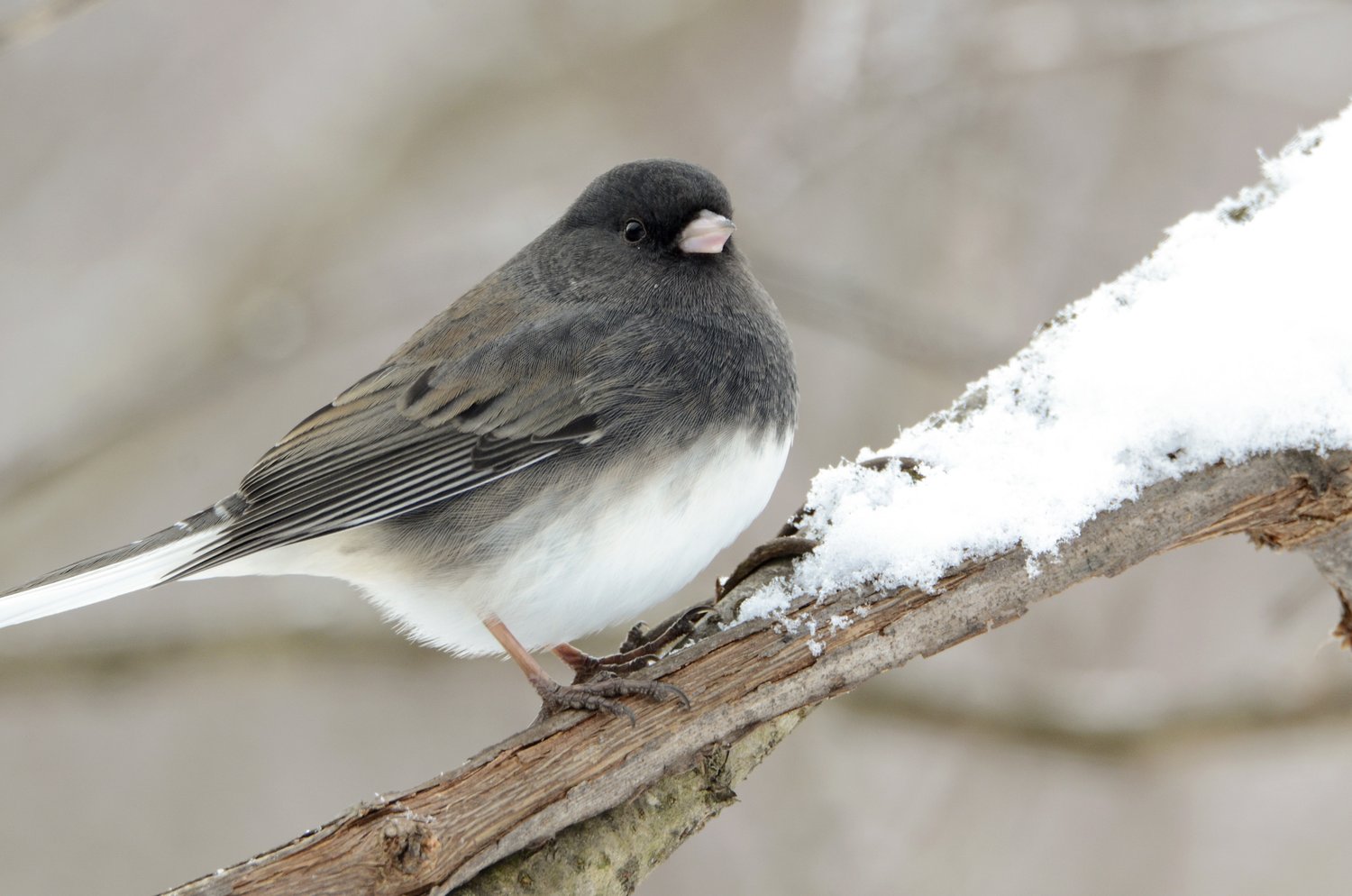
Conserving energy is as important as producing heat. Birds reduce non-essential activities like long flights or loud calls to save fuel. They also fluff up their feathers, creating insulating air pockets to trap heat and reduce heat loss.
Some species enter a state called torpor, lowering their metabolic rate temporarily to survive cold nights. This energy-saving mode is a smart trick that helps them avoid starvation and maintain warmth. Could adopting energy-saving habits in your daily life help you cope better with cold?
Credit: swibirds.org
Food And Water Management
Birds need to manage food and water carefully to survive cold weather. Their bodies require constant energy to keep warm. Finding food becomes harder as snow covers the ground. Water sources may freeze, making hydration tough. Birds use smart strategies to meet these needs.
Foraging Techniques
Birds change how they search for food during winter. They look for seeds, berries, and insects hidden under snow or bark. Some birds hop on the ground to uncover food. Others visit feeders or places where humans leave food.
Many birds forage in groups. This way, they find food faster and stay safe from predators. They also remember spots that have food from past visits.
Storing Food
Some birds save food for later use. They hide seeds or nuts in safe places like tree crevices or under leaves. This behavior is called caching. Birds rely on memory to find their hidden food during harsh weather.
Storing food helps birds survive when fresh food is scarce. It acts as a backup supply to keep their energy up.
Hydration In Freezing Conditions
Water is essential, but frozen water is a big challenge. Birds get moisture from their food, especially from fruits and insects. They also use sun-warmed spots to find liquid water.
Some birds eat snow or ice to stay hydrated. They do this carefully to avoid lowering their body temperature. Finding open water in streams or ponds is vital for their survival.
Migratory Responses
Birds face harsh challenges when cold weather strikes. One of their smartest survival tactics is migration. This natural response helps many species avoid the brutal cold by moving to warmer places.
Partial Migration
Not all birds migrate fully. Some practice partial migration, where only a portion of the population moves. This choice depends on food availability, weather, and individual health.
Imagine a flock where some birds stay put while others head south. This strategy spreads risk and can increase the species’ overall chances of survival. Have you noticed birds in your area that don’t leave during winter? They might be part of this partial migration group.
Timing And Routes
Birds don’t migrate randomly. Their timing is precise, often triggered by changes in daylight and temperature. They use ancient routes learned over generations.
These routes balance the shortest path with safe stopovers for rest and food. Some birds travel thousands of miles, while others only move a few hundred. Would you expect a tiny bird to fly nonstop over oceans? Many actually do, using stored fat as fuel.
Benefits Of Migration
Migration offers clear benefits. It allows birds to access better food sources and more suitable climates. This improves their survival and breeding success.
Moving away from freezing temperatures also reduces the energy birds spend on keeping warm. When you think about it, migration is a smart investment in their future. What choices would you make if you had to survive extreme cold?
Credit: centerofthewest.org
Species Examples
Birds have fascinating ways of surviving extreme cold weather, and looking at specific species gives you a clear picture of their unique adaptations. Different environments demand different survival tactics, so the strategies of Arctic birds, mountain species, and urban adaptors vary widely. Understanding these examples can inspire you to observe how nature thrives even in the harshest conditions.
Arctic Birds
Arctic birds like the Snowy Owl and the Ptarmigan endure some of the coldest climates on Earth. Their feathers provide exceptional insulation, often with a dense layer of down beneath tough outer feathers. These birds also reduce heat loss by tucking their bills and feet under their feathers when resting.
Have you noticed how some Arctic birds change color with the seasons? The Ptarmigan’s white winter plumage blends perfectly with snow, offering camouflage and extra warmth. This kind of seasonal adaptation shows how survival isn’t just about resisting cold but also about staying hidden from predators.
Mountain Species
Mountain birds such as the Alpine Chough and the Rosy-Finch live at high altitudes where temperatures drop drastically. They have developed strong muscles to keep warm and powerful lungs to handle thinner air. These birds often fluff their feathers to trap more air and create a warm layer close to their skin.
One surprising fact is that some mountain species can slow their metabolism to conserve energy during freezing nights. It’s a clever way to survive when food is scarce, and you might find this interesting if you’ve ever struggled to stay warm in cold weather yourself. It shows how slowing down can sometimes be the best form of survival.
Urban Adaptors
Birds like pigeons and crows adapt to cold cities by using human structures to their advantage. They nest in sheltered spots such as building ledges and under bridges, where temperatures are slightly warmer. These urban birds also change their feeding habits, relying on food scraps and bird feeders.
Have you ever seen birds huddling together on a cold day? Urban adaptors often roost in groups to share body heat, a simple but effective trick you can learn from. Watching these birds can teach you how community and resourcefulness help overcome cold challenges.
Credit: boropulse.com
Frequently Asked Questions
How Do Birds Stay Warm In Winter?
Birds stay warm in winter by fluffing their feathers to trap heat. They also huddle together to share warmth. Some species increase their fat reserves to provide insulation and energy. Additionally, birds may roost in sheltered areas to avoid harsh winds and conserve body heat during extreme cold.
What Do Birds Eat During Cold Weather?
During cold weather, birds eat high-energy foods like seeds, nuts, and suet. These foods provide essential fats and calories. Some birds forage for berries and insects hidden in tree bark. They may also rely on bird feeders for easy access to food, especially during harsh winter conditions.
Do All Birds Migrate In Winter?
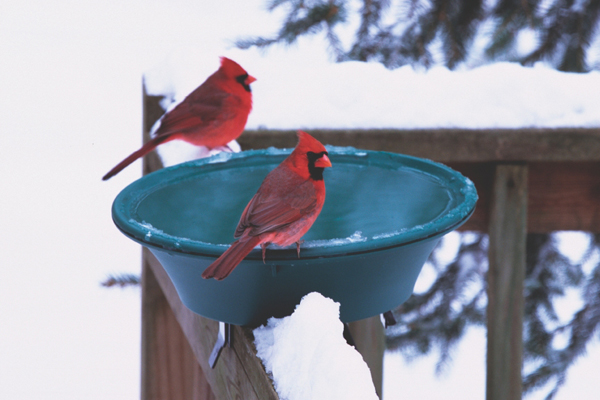
Not all birds migrate in winter. Some species, like chickadees and cardinals, adapt to cold weather and stay put. These birds have specialized behaviors and physical adaptations that enable them to survive. They often rely on local food sources and employ strategies to maintain body heat during winter.
How Do Birds Find Shelter In Winter?
Birds find shelter in winter by seeking out natural cavities in trees or dense vegetation. Some species use birdhouses or man-made structures. These sheltered spots protect them from wind and snow. By roosting in groups, birds can also share body warmth, enhancing their survival chances in extreme cold.
Conclusion
Birds use many ways to survive cold weather. They fluff their feathers to trap heat. Some huddle together to share warmth. They eat more to fuel their bodies. Their bodies work hard to keep warm. These smart habits help birds live through winter.
Watching birds in cold can teach us a lot. Nature’s small survivors show great strength and skill. They remind us how life adapts and continues. Staying warm is key for their survival.