When disaster strikes, having the right food in your emergency kit can make all the difference. You want options that keep you energized, last a long time, and are easy to store.
But with so many choices out there, how do you know what type of food is truly best for your emergency kit? You’ll discover simple, practical tips to choose foods that meet your needs, taste good, and help you stay strong when it matters most.
Keep reading to make sure your emergency kit is ready to support you no matter what.

Credit: trueprepper.com
Choosing Long-lasting Foods
Choosing long-lasting foods is vital for any emergency kit. These foods must stay safe and edible for months or even years. They help ensure you have reliable nourishment during unexpected situations. Pick foods that keep well without refrigeration. Focus on items that resist spoilage and maintain quality over time.
Shelf Life And Storage
Shelf life means how long food stays good to eat. Choose foods with a shelf life of at least one year. Canned goods, dried beans, and rice often last several years. Store food in a cool, dry place away from sunlight. Use airtight containers to protect against moisture and pests. Rotate food regularly by using older items first.
Nutritional Value Over Time
Food can lose nutrients the longer it is stored. Pick foods that keep their nutrients well. Dehydrated fruits, nuts, and whole grains hold vitamins and minerals for a long time. Avoid foods with high fat content, which can go rancid. Include protein sources like canned tuna or powdered eggs. This balance helps maintain energy and health during emergencies.
High-energy Food Options
Choosing the right high-energy foods for your emergency kit is crucial. These foods keep your energy levels stable and help you stay alert during stressful situations. You want options that are easy to store, last long, and provide a quick energy boost when you need it most.
Calorie-dense Snacks
Calorie-dense snacks are excellent for emergencies because they provide a lot of energy in a small package. Think about nuts, seeds, and trail mix—these are packed with healthy fats and calories. They don’t spoil easily and can be eaten on the go without preparation.
Energy bars designed for hiking or survival situations are also a smart choice. They often contain a balance of carbs, fats, and sugars to keep your energy up for hours. Have you ever tried a peanut butter or chocolate-based energy bar? They can be surprisingly satisfying and energizing.
Protein-rich Choices
Protein helps maintain muscle strength and keeps you feeling full longer. Jerky, canned tuna, or chicken are practical protein sources that store well. These options don’t require refrigeration and can be eaten straight from the package.
Including protein powder in your kit is another smart move. It’s lightweight and can be mixed with water for a quick protein boost. Have you considered how protein can help your recovery during an emergency? It’s not just about energy—it’s about keeping your body ready for action.
Easy-to-prepare Meals
Easy-to-prepare meals are essential for any emergency kit. They save time and reduce stress during difficult moments. These meals require little effort but still provide necessary nutrition. Having a variety of simple food options helps maintain energy and morale.
Focus on foods that need no cooking or minimal preparation. Choose items with long shelf lives and good taste. This ensures the food stays edible and enjoyable over time. Preparing for emergencies means prioritizing convenience and reliability.
Ready-to-eat Foods
Ready-to-eat foods are perfect for emergencies. They can be eaten straight from the package. No heat, water, or special tools are needed.
- Canned meats like tuna, chicken, or salmon
- Nut butters such as peanut or almond butter
- Packaged snacks like granola bars and trail mix
- Dried fruits and nuts for quick energy
- Pre-packaged ready meals such as MREs (Meals Ready to Eat)
These foods store well and offer balanced nutrition. They are great for quick meals or snacks.
Minimal Cooking Required
Foods needing minimal cooking save fuel and time. A small stove or even hot water can prepare these meals.
- Instant noodles or pasta cups
- Dehydrated soups and meals
- Instant oatmeal or porridge packets
- Rice or grain pouches that cook quickly
- Freeze-dried fruits and vegetables
These options are lightweight and easy to store. They provide warmth and comfort during emergencies. Simple cooking steps keep your meal preparation quick and easy.
Hydration And Water Sources
Hydration is a top priority in any emergency kit because water is essential for survival. Without enough fluids, your body won’t function properly, especially under stressful conditions. Planning your water sources carefully can make a huge difference when access to fresh water is limited.
Water Storage Tips
Choose containers that are durable and BPA-free to keep your water safe. Store at least one gallon of water per person per day, aiming for a minimum three-day supply.
Keep water containers in a cool, dark place to prevent bacterial growth. Rotate your stored water every six months to ensure freshness. Using food-grade plastic containers or glass bottles with tight lids can help avoid leaks and contamination.
Consider packing water purification tablets or portable filters as backups. These tools can be lifesavers if your stored water runs out or gets contaminated.
Hydrating Foods
Some foods naturally contain a lot of water and can help keep you hydrated during emergencies. Items like cucumbers, oranges, watermelon, and celery provide hydration along with essential nutrients.
Dehydrated fruits and vegetables are lightweight and last longer, but you’ll need water to rehydrate them. If you include these in your kit, make sure you have enough water to prepare them properly.
Ready-to-eat canned fruits and vegetables also offer hydration and energy. Look for options packed in juice or light syrup rather than heavy syrup to reduce sugar intake while maintaining fluid balance.
Special Dietary Considerations
Special dietary needs can make a huge difference when you pack your emergency kit. You want to be sure that the food you choose keeps you safe and nourished without causing harm or discomfort. Paying attention to allergies, intolerances, or personal diet choices helps you stay prepared and healthy during tough times.
Allergies And Sensitivities
Food allergies or sensitivities require careful attention. If you are allergic to nuts, dairy, gluten, or shellfish, avoid packing any items that might trigger a reaction. Even small traces can cause serious problems.
Look for foods labeled “allergen-free” or choose naturally safe options like rice cakes, dried fruits, or canned vegetables. You might want to add an epinephrine injector or any medication prescribed by your doctor to your kit. Have you checked the labels of your emergency snacks lately? It’s easy to overlook hidden allergens.
Vegetarian And Vegan Options
Vegetarian and vegan diets need protein-rich and nutrient-dense foods in your emergency kit. Beans, lentils, nuts, and seeds are excellent choices that last long and provide energy.
Freeze-dried vegetables and plant-based protein bars also work well. Avoid relying on just canned soups or pasta that might contain animal products. Think about your daily meals—would you feel satisfied and energized with what you packed? If not, add more variety to keep your body strong.

Credit: backpackerspantry.com
Packing And Organizing Your Kit
Packing and organizing your emergency food kit can make all the difference when you need quick access. A well-arranged kit saves time and reduces stress during urgent moments. Think about how you can store food so it stays fresh, is easy to find, and fits your space perfectly.
Food Storage Containers
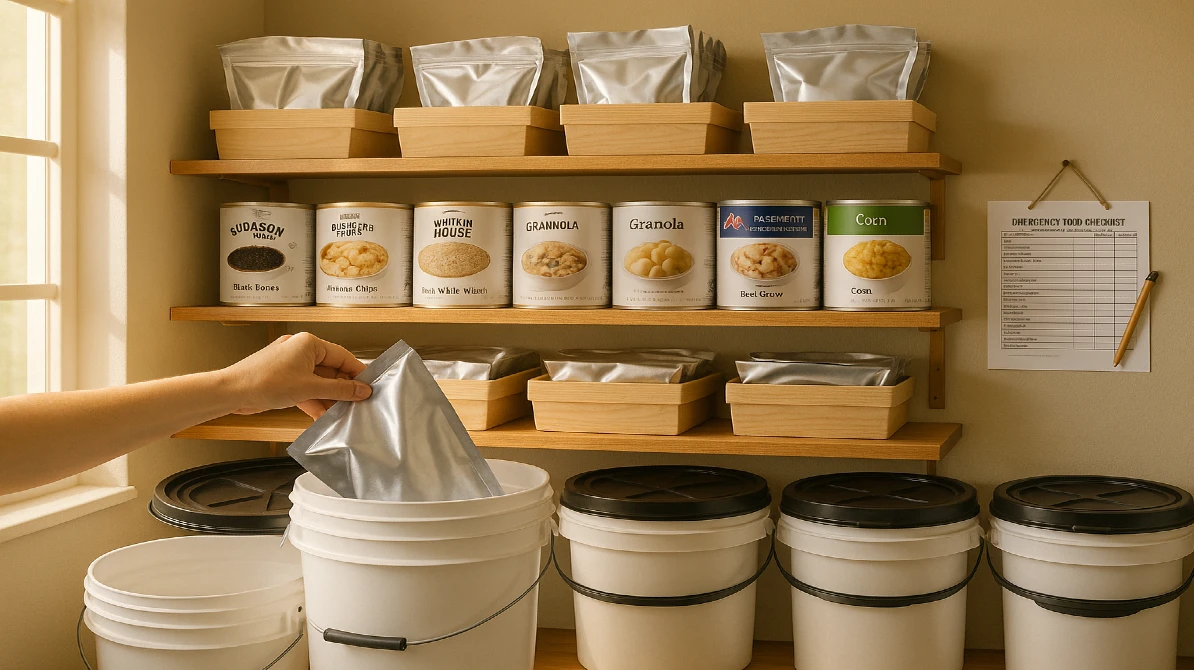
Choosing the right containers keeps your food safe and extends its shelf life. Use airtight containers to prevent moisture and pests from ruining your supplies. Clear plastic or glass jars work well because you can see what’s inside without opening them.
Consider stackable containers to maximize space and keep your kit tidy. Label each container with the food type and expiration date. This simple step helps you find what you need quickly and ensures you don’t overlook expired items.
Rotation And Replacement
Regularly check your emergency food to keep it fresh and usable. Set reminders every few months to review your stock and replace items nearing their expiration. This habit prevents surprises when you really need your kit to work.
Use a “first in, first out” system by placing new food at the back and older food at the front. This way, you use older items first and avoid waste. Have you thought about how often you update your kit? Staying on top of rotation makes your emergency food reliable when every second counts.
Emergency Food Brands To Trust
Choosing the right emergency food brands ensures safety and nutrition during tough times. Trusted brands use quality ingredients and reliable preservation methods. Their products offer balanced meals and long shelf lives. These brands help keep your emergency kit ready without hassle. Below are popular types of emergency food and the brands you can rely on.
Popular Ready Meal Kits
Ready meal kits provide convenience and nutrition in one package. These kits come with full meals that only need heating or water. They save time and reduce stress during emergencies.
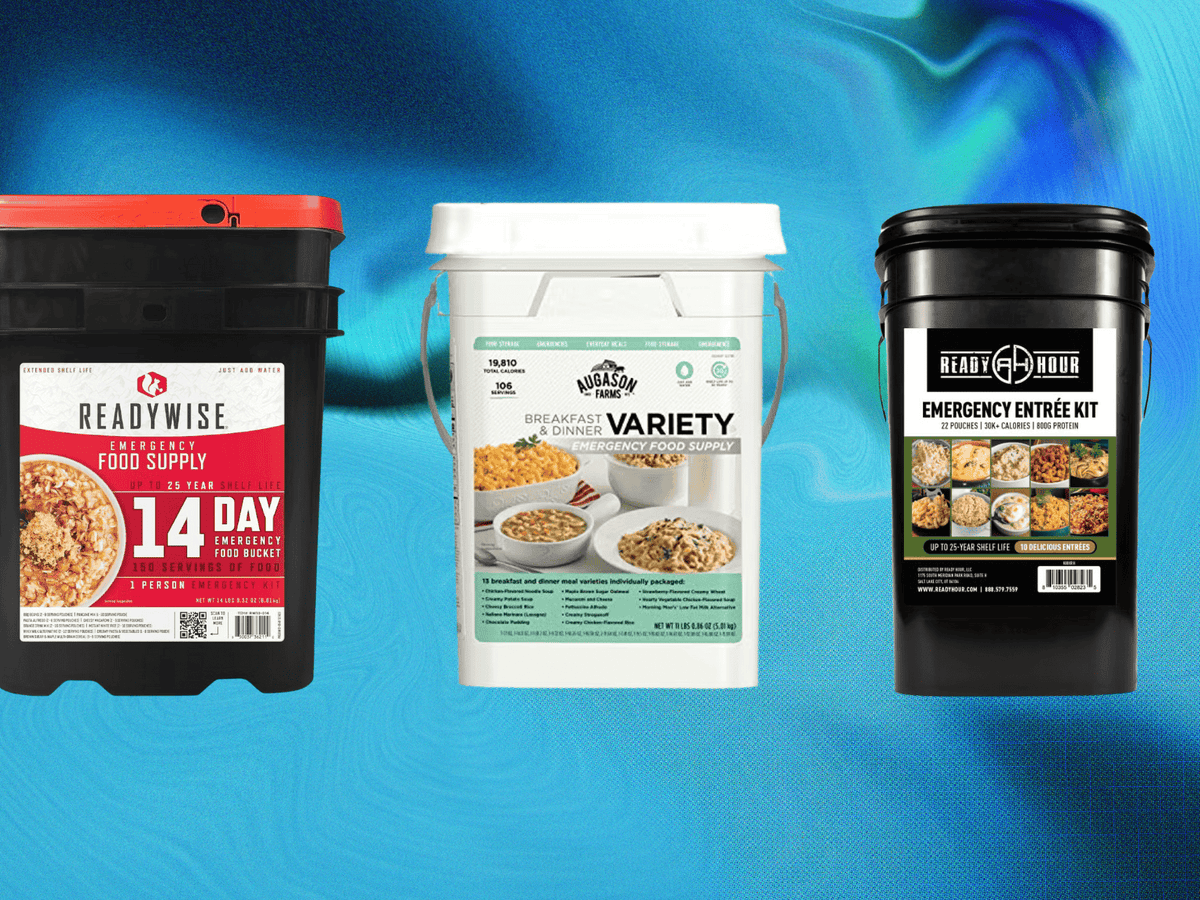
- Mountain House – Known for tasty and easy-to-prepare meals.
- Wise Company – Offers a variety of meal options with long shelf life.
- Augason Farms – Includes full meal kits with balanced nutrition.
These brands focus on taste and simple preparation. Their meals maintain good texture and flavor after storage. Perfect for quick, nutritious food in emergencies.
Dehydrated And Freeze-dried Products
Dehydrated and freeze-dried foods last longer and weigh less. They keep nutrients intact while making storage easier. These brands specialize in drying techniques that preserve flavor and quality.
- Emergency Essentials – Offers a wide range of freeze-dried fruits and vegetables.
- Mountain House – Also strong in freeze-dried entrees and snacks.
- Thrive Life – Known for premium freeze-dried ingredients for cooking.
These products need water to rehydrate before eating. They fit well in compact emergency kits. Ideal for those who want variety and nutrition without bulk.

Credit: www.forbes.com
Frequently Asked Questions
What Foods Should Be In An Emergency Kit?
Include non-perishable, high-calorie foods like canned beans, nuts, and dried fruits. These items offer long shelf life and essential nutrients. Choose foods that require minimal preparation and no refrigeration. Rotate your supplies regularly to ensure freshness.
How Long Can Emergency Food Last?
Emergency foods like canned goods can last up to five years. Freeze-dried foods and MREs (Meals Ready-to-Eat) can last even longer, often up to 25 years. Always check expiration dates and store them in a cool, dry place.
Are Canned Foods Good For Emergencies?
Yes, canned foods are ideal for emergencies. They are non-perishable and nutrient-dense. Canned fruits, vegetables, and proteins like tuna or chicken provide essential nutrients. Ensure you have a manual can opener in your kit.
What Are The Best Protein Sources For Emergency Kits?
Canned meats, nut butters, and protein bars are excellent protein sources for emergency kits. They are shelf-stable and provide essential amino acids. Include a variety for balanced nutrition and rotate them to maintain freshness.
Conclusion
Choosing the right food for your emergency kit matters a lot. Pick items that last long and need no cooking. Think about foods high in energy and easy to eat. Don’t forget water and some comfort snacks too. Keep checking your supplies and replace what expires.
Being ready helps you stay safe and calm during tough times. Simple, smart choices make all the difference. Prepare well, and you will feel more secure every day.