Have you ever wondered how long oysters can live once they’re out of water? If you’re someone who loves fresh seafood or enjoys collecting oysters, this question might have crossed your mind.
Knowing how long oysters survive out of their natural habitat is not just interesting—it can help you enjoy them safely and keep them fresh longer. You’ll discover the surprising facts about oyster survival and learn practical tips to make the most of every oyster you handle.
Keep reading, because what you’re about to learn could change the way you enjoy these ocean treasures.

Credit: www.aol.com
Oyster Biology Basics
Understanding oyster biology helps explain how long they can live outside water. Oysters are unique creatures with special features that allow them to survive in wet environments. Their body structure and need for water play key roles in their survival time out of water.
Oyster Anatomy
An oyster has a hard shell protecting its soft body inside. The shell has two parts called valves that open and close. Inside, the oyster has gills that help it breathe and filter food from the water. It also has muscles to keep the shell closed tightly. The oyster’s body is simple but very effective for life in water.
Water Dependence
Oysters rely on water to breathe and get food. Their gills extract oxygen from water, not air. Without water, oysters cannot breathe properly. They can close their shells to keep moisture inside for some time. This helps them survive out of water for hours. But too long without water causes them to dry out and die.
Factors Affecting Oyster Survival
Oysters are remarkable creatures, but their survival out of water depends on several key factors. Understanding these can help you keep oysters fresh longer, whether you’re harvesting them or storing them at home. Let’s look closely at what influences how long oysters can live without being submerged.
Temperature Impact
Temperature plays a crucial role in oyster survival. Cooler temperatures slow down their metabolism, helping them survive longer out of water. If oysters are left in warm conditions, they use up their energy quickly and die sooner.
Think about a time you left shellfish out on a warm day—did they spoil faster? Keeping oysters chilled between 35°F and 45°F (1.6°C to 7.2°C) can extend their life significantly.
Humidity Levels
Oysters need moisture to stay alive when out of water. High humidity keeps their shells moist, preventing dehydration. If the air is dry, the oysters can dry out quickly, which shortens their survival time.
You can maintain humidity by covering oysters with damp cloths or storing them in a cool, moist environment. Have you ever noticed how oysters stored in a damp towel last longer than those left uncovered?
Oxygen Availability
Even out of water, oysters need oxygen to breathe. They can survive by slowly opening their shells to absorb oxygen from the air. However, limited airflow or sealed containers can reduce oxygen supply and stress the oysters.
Ensure oysters are stored in breathable containers or loosely covered to allow air circulation. Have you tried storing oysters in airtight packaging? It often leads to quicker spoilage due to lack of oxygen.
Survival Timeframes Out Of Water
Oysters are known for their ability to survive outside water for some time. Their survival depends on many factors. Understanding these timeframes helps in handling and storing oysters safely. It also guides those who harvest or sell oysters.
Typical Survival Duration
Most oysters can live out of water for about 24 to 48 hours. During this time, they keep their shells tightly closed. This helps them retain moisture and avoid drying out. Beyond two days, their chance of survival drops sharply. Some oysters may survive slightly longer under perfect conditions.
Variations By Species
Different oyster species show different survival times. Eastern oysters usually last around 24 hours out of water. Pacific oysters can survive closer to 48 hours. Some smaller or hardier species may endure even longer. Species with thicker shells often hold moisture better and live longer.
Environmental Influences
Temperature plays a big role in oyster survival. Cooler temperatures slow down their metabolism and help them last longer. Warm, dry conditions cause oysters to lose moisture quickly. Humidity also matters; higher humidity helps oysters stay moist. Proper storage, like keeping oysters in a cool, moist place, extends their life outside water.
Credit: cfishct.com
Signs Of Oyster Life And Death
Knowing how to tell if an oyster is still alive or dead is crucial, especially if you plan to eat it. Oysters can survive out of water for a while, but they show clear signs that help you decide if they’re safe or spoiled. Paying attention to these signs can protect your health and enhance your culinary experience.
Shell Response
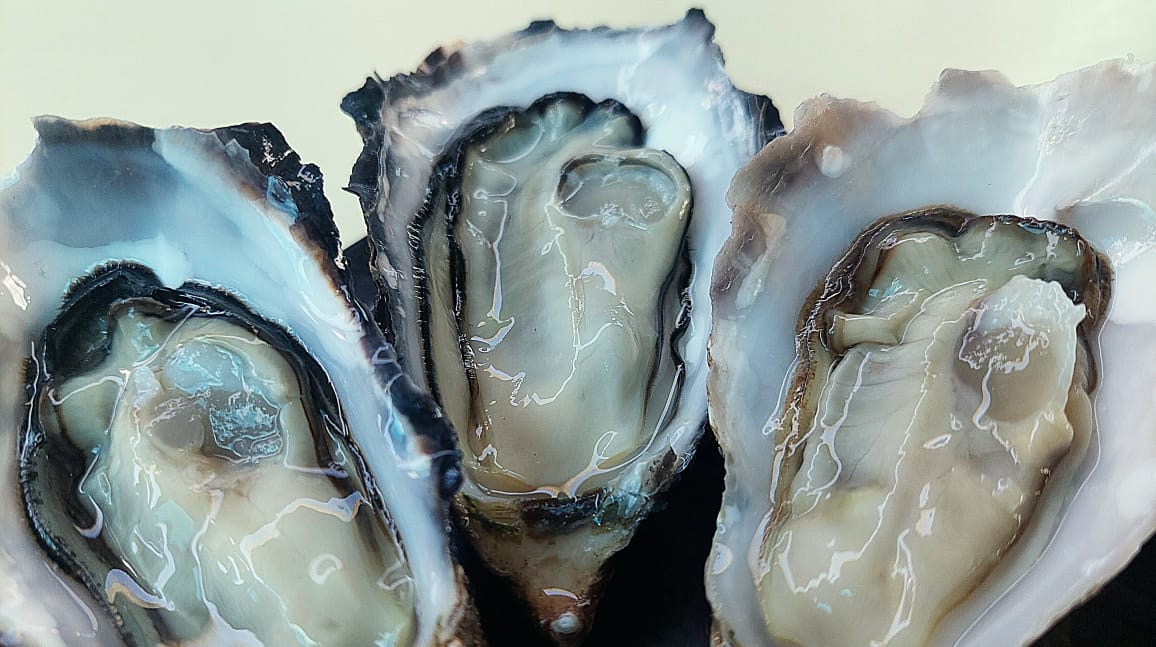
One of the simplest ways to check if an oyster is alive is to gently tap its shell. A live oyster will usually respond by closing its shell tighter. If the shell remains open and doesn’t react, the oyster is likely dead.
Try this yourself: next time you have fresh oysters, tap them lightly and notice how the live ones snap shut quickly. This reflex keeps them safe in nature and indicates freshness. It’s a quick test you can do before cooking or eating.
Smell And Appearance
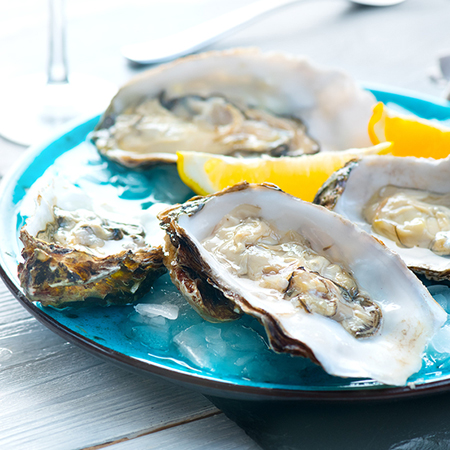
Fresh oysters should smell like the ocean—clean and slightly briny. If you notice any strong, unpleasant odors like sulfur or ammonia, it’s a clear sign the oyster is no longer good. Bad smells mean bacteria have started to grow.
Look at the oyster’s flesh as well. Healthy oysters appear moist and plump, with a shiny surface. If the flesh looks dry, shriveled, or discolored, it’s best to discard the oyster immediately. Have you ever been surprised by a foul smell from what looked like fresh shellfish? Trusting your senses is always safer.
Handling And Storage Tips
Oysters are delicate and need careful handling to stay fresh and safe to eat. Proper care helps maintain their natural taste and texture. Understanding how to handle and store oysters can keep them alive longer outside water. This section offers tips to keep oysters fresh, store them correctly, and transport them safely.
Keeping Oysters Fresh
Keep oysters cool and moist to help them survive. Store them in a breathable container like a mesh bag or basket. Avoid sealing oysters in airtight bags or containers. This stops air circulation and can kill the oysters.
Cover oysters with a damp cloth or paper towel. Do not soak them in fresh water. Freshwater can kill oysters by removing their natural salt. Keep the cloth damp to maintain moisture without drowning them.
Proper Storage Methods
Store oysters in the refrigerator at a temperature between 35°F and 40°F (1.5°C – 4.5°C). Place them in the coldest part, usually near the back. Do not store oysters on ice directly. Melting ice creates fresh water, which harms oysters.
Use a shallow container with holes or a mesh bottom. This allows drainage and air circulation. Check oysters daily and discard any with open shells that do not close when tapped.
Transporting Oysters Safely
Transport oysters in a cooler with ice packs. Keep them cool but avoid direct contact with ice. Use a breathable bag or container inside the cooler. Avoid jostling oysters to prevent shell damage.
Transport oysters quickly to reduce stress. The shorter the trip, the better their survival chances. Once home, transfer them to proper storage immediately.
Implications For Consumers And Harvesters
Understanding how long oysters can survive out of water is crucial not just for harvesters but also for consumers. It affects the freshness, taste, and safety of the oysters you enjoy. Both groups need to be aware of best practices to ensure oysters remain safe and sustainable.
Food Safety Considerations
Oysters can survive out of water for several hours if kept cool and moist, but this doesn’t mean they are always safe to eat. Bacteria can multiply quickly if oysters are left at warm temperatures, increasing the risk of foodborne illness.
Always store oysters on ice or in a cool environment below 40°F (4°C) to keep them alive longer. If you’re buying oysters from a market, check for tightly closed shells—open shells may mean the oyster is dead and unsafe to eat.
Have you ever tasted oysters that seemed off? It might be because they were stored improperly after harvesting. Your safety depends on how carefully oysters are handled from harvest to plate.
Sustainable Harvesting Practices
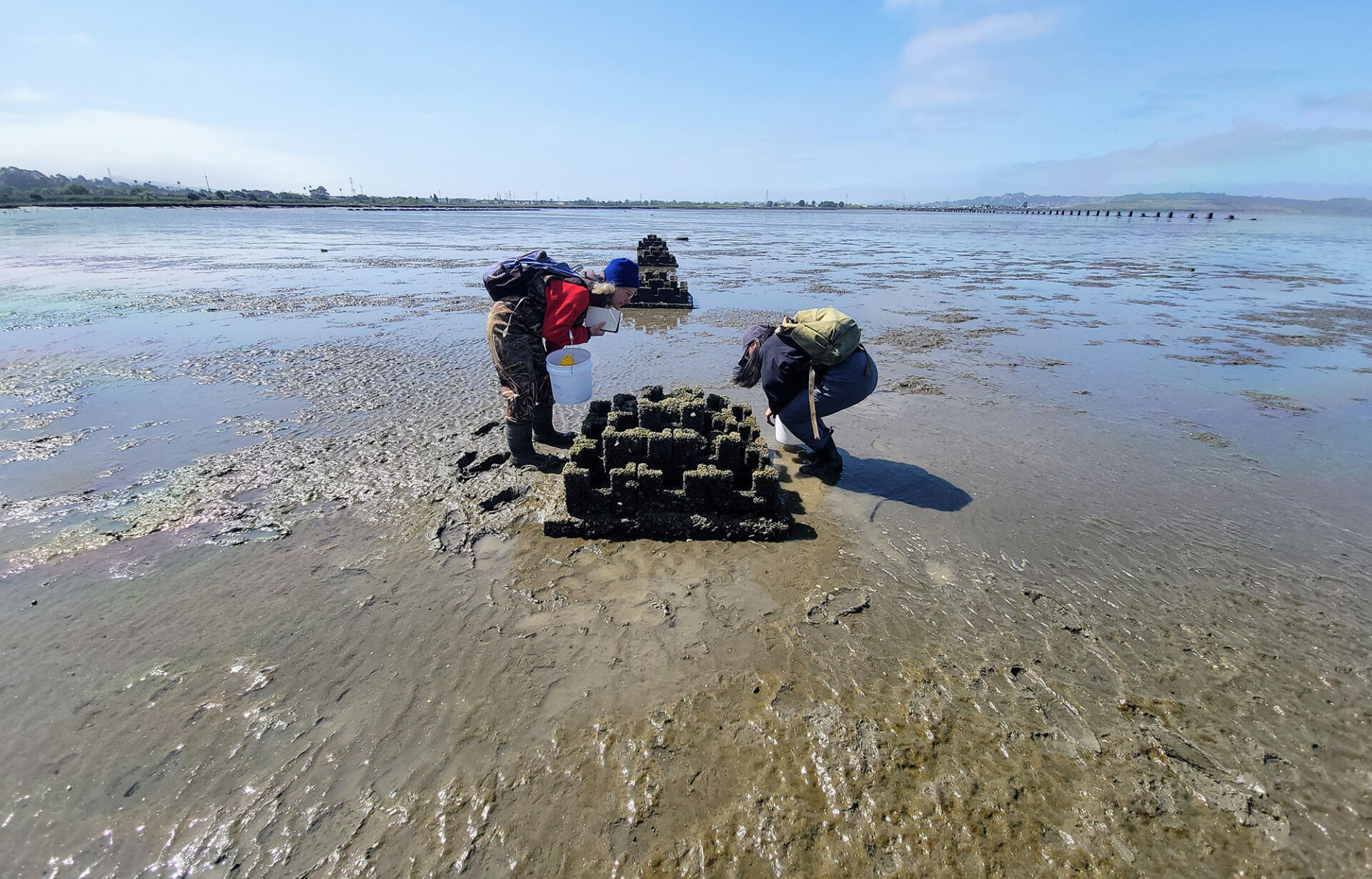
Harvesters must balance how long oysters survive out of water with the health of oyster beds. Removing oysters too quickly or handling them roughly can stress the population and harm the ecosystem.
To support sustainability, harvesters should:
- Harvest only mature oysters to allow younger ones to grow
- Use methods that minimize damage to oyster beds
- Keep oysters cool and moist during transport to reduce mortality
- Follow local regulations and seasonal guidelines
By respecting these practices, you help ensure oyster populations remain healthy for future harvests. Would you consider where your oysters come from and how they were handled next time you enjoy them?
Credit: baynature.org
Frequently Asked Questions
How Long Can Oysters Survive Out Of Water?
Oysters can survive out of water for up to two weeks if kept cool and moist. However, their survival time reduces significantly in warm or dry conditions. It’s crucial to store them properly to maintain their freshness and quality.
What Factors Affect Oyster Survival Out Of Water?
Temperature, humidity, and handling practices greatly impact oyster survival out of water. Cooler temperatures and higher humidity levels help oysters retain moisture, enhancing their lifespan. Proper storage and minimal handling are essential to maintaining their vitality and flavor.
How Can You Store Oysters Without Water?
Store oysters in a cool, moist environment to extend their shelf life. Place them in a bowl covered with a damp cloth in the refrigerator. Avoid airtight containers to ensure they breathe. Proper storage ensures their freshness and taste.
Can Oysters Dry Out Without Water?
Yes, oysters can dry out quickly if not stored properly. Exposure to air and heat accelerates moisture loss, reducing their lifespan. Keeping them in a cool, damp environment helps maintain their moisture and ensures they remain fresh longer.
Conclusion
Oysters can survive out of water for several hours if kept cool and moist. They need air but not too much heat to stay alive. Avoid leaving them in direct sunlight or dry places. Knowing how long oysters last helps keep them fresh and safe to eat.
Always store oysters properly after harvesting or buying. This keeps their taste and texture just right. Remember, fresh oysters mean better flavor and less risk. Taking simple steps helps you enjoy oysters at their best.