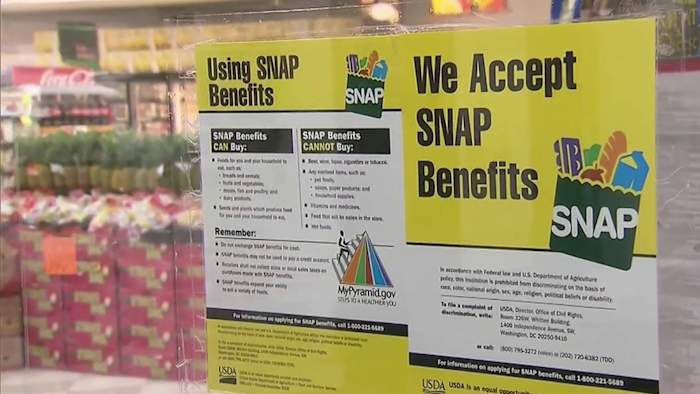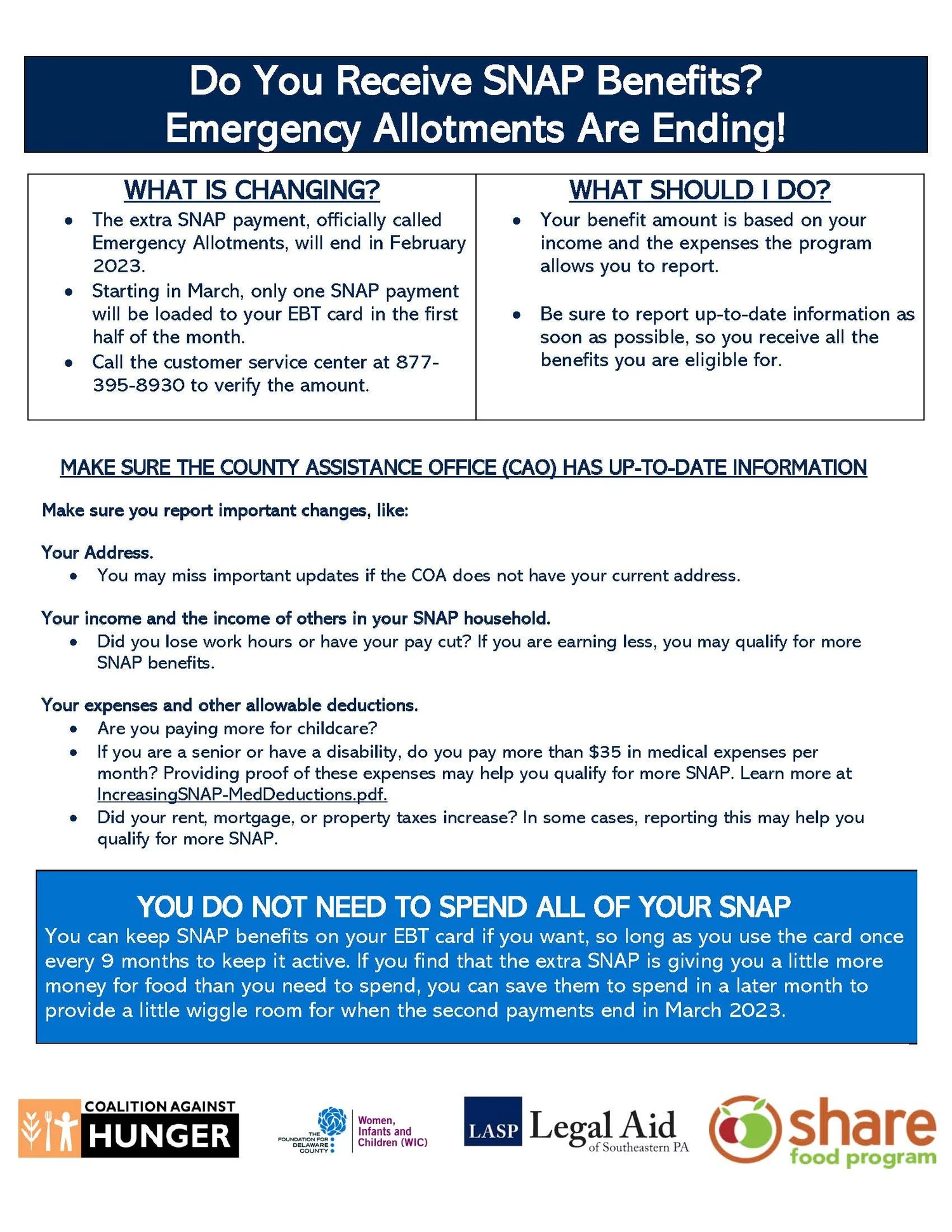
Are you waiting to get your emergency food stamps but unsure when they will arrive? You’re not alone.
Knowing exactly when these benefits come out can ease a lot of stress and help you plan your meals better. You’ll find clear answers about the timing of emergency food stamps, so you won’t be left guessing. Keep reading to learn what to expect and how to stay prepared for your next payment.
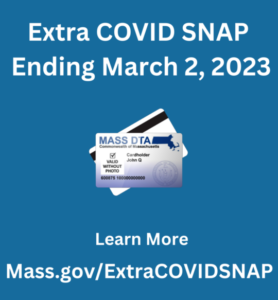
Credit: springwell.com
Emergency Food Stamps Basics
Understanding emergency food stamps helps people get quick support during tough times. These benefits provide extra food aid when regular assistance is not enough. Knowing the basics can help you prepare and respond faster to food needs in emergencies.
What Are Emergency Food Stamps
Emergency food stamps are extra benefits given to people who face sudden food shortages. They come as a temporary boost to help families buy groceries quickly. These benefits are part of the Supplemental Nutrition Assistance Program (SNAP). The goal is to prevent hunger in times of crisis.
Emergency food stamps differ from regular SNAP benefits. They are issued only during declared emergencies or disasters. This includes natural disasters, pandemics, or other situations causing financial hardship. The amount and timing depend on the state and the specific emergency.
Who Qualifies For Emergency Benefits
Not everyone can get emergency food stamps. States set rules based on income, family size, and current SNAP status. People already receiving SNAP benefits often qualify for the emergency boost.
- Households that lost income due to an emergency
- Families affected by natural disasters like floods or hurricanes
- Individuals with very low income and no other food support
Each state decides who meets the criteria. Applying quickly after an emergency increases chances of receiving help. Local SNAP offices provide guidance on eligibility and application steps.
Key Dates For Emergency Food Stamps
Knowing the key dates for emergency food stamps helps you plan better. These dates include announcements, distribution, and renewal periods. Staying informed ensures you get help on time and avoid missing important deadlines.
Announcement Timelines
Authorities usually announce emergency food stamps before distribution starts. The announcement can come through websites, local news, or government offices. Pay attention to these updates as they explain eligibility and timing.
Distribution Schedules
Distribution schedules vary by state and program. Some programs release food stamps monthly, while others do so in batches. Knowing your local schedule helps you prepare documents and visit the distribution center promptly.
Renewal And Expiry Dates
Emergency food stamps have renewal and expiry dates. Renewal is required to continue receiving benefits. Missing the expiry date can stop your assistance, so mark these dates clearly on your calendar.
Application Process And Timing
The application process for emergency food stamps is designed to be straightforward. Understanding the timing helps you plan better. Knowing how to apply quickly can speed up your access to aid. Expect some waiting due to processing times, but being prepared eases the wait.
How To Apply Quickly
Gather all required documents before starting your application. These usually include ID, proof of income, and residence. Use online portals when available to save time. Many states offer phone applications as an alternative. Submit a complete application to avoid delays. Check for local assistance centers to help with the process.
Processing Times To Expect
Processing times vary by state and caseload. Emergency food stamps often have faster approval than regular benefits. Expect initial decisions within a few days to two weeks. Some cases may take longer if more information is needed. Stay in touch with your caseworker for updates. Acting promptly on requests speeds up your approval.

Credit: www.youtube.com
State-by-state Release Variations
Emergency food stamps are released on different dates across the United States. Each state has its own schedule for distributing these benefits. This variation can affect when recipients receive their aid. Understanding these differences helps people plan better and avoid confusion.
States manage their programs based on local needs and available resources. Some states act quickly to provide support, while others take more time to organize distribution. The timing depends on many factors, including budget approvals and administrative processes.
States With Early Release Dates
Several states release emergency food stamps early to help families in urgent need. These states often start distribution soon after federal approval. Early release means recipients get help faster during crises.
- California
- New York
- Texas
- Florida
- Illinois
These states prioritize quick access to benefits. They set up systems to speed up processing and notifications. Early releases reduce wait times and ease financial stress for many families.
States With Delayed Distribution
Some states experience delays in releasing emergency food stamps. These delays result from administrative hurdles or funding issues. Recipients in these states might wait longer for assistance.
- Alaska
- Hawaii
- Montana
- Wyoming
- North Dakota
Delays can cause uncertainty and make planning difficult. States with delayed distribution work to improve systems. They aim to provide support as soon as possible despite challenges.
Tracking Your Emergency Food Stamps
Tracking your emergency food stamps helps you know when the funds arrive. It reduces stress and keeps you informed about your benefits. There are easy ways to check your balance and payment status. Use online services or contact local offices for updates.
Online Portals And Tools
Many states offer online portals for food stamp tracking. You can log in with your account details to see your balance. These websites often show recent transactions and payment dates.
- Visit your state’s official food assistance website.
- Create or access your account using your ID and password.
- Check your current balance and recent deposits.
- View the schedule for upcoming emergency food stamp payments.
Some states also provide mobile apps for easier access. These apps send alerts when new benefits are added. They help you manage your food stamps quickly and securely.
Contacting Local Agencies
You can call your local food assistance office for help tracking your benefits. Staff can confirm your payment dates and answer your questions. They also provide guidance if you notice any issues.
- Find the phone number of your local food assistance agency online.
- Prepare your case or ID number before calling.
- Ask about your emergency food stamp status and upcoming releases.
- Request help if you do not see your expected benefits.
Visiting the agency in person is another option. Staff can give printed statements or updates on your account. This can be useful if you prefer face-to-face communication.
Factors Affecting Release Dates
Emergency food stamps help many families during tough times. The release dates for these benefits are not fixed. Several factors decide when the funds become available. Understanding these factors can help set the right expectations.
Government Funding Cycles
Emergency food stamp release depends on government budgets. Funding cycles vary by state and federal schedules. When funds are approved, the distribution process starts. Delays in budget approval can push release dates back. Each funding cycle has its own timeline. This timeline affects how quickly benefits reach people.
Administrative Delays
Paperwork and processing also affect release timing. Staff shortages or system updates can slow things down. Verification of eligibility takes time and careful checks. Some applications need extra review or documentation. These steps ensure the right help goes to the right people. Administrative challenges can cause unexpected delays.
Maximizing Your Emergency Benefits
Emergency food stamps can provide vital support during tough times, but stretching their value can make a big difference in your daily life. Maximizing your emergency benefits means making smart choices that extend your resources and help you maintain stability. Let’s look at how you can combine these benefits with other assistance programs and manage your budget effectively to get the most out of every dollar.
Combining With Other Assistance
Have you checked if you qualify for other support programs alongside emergency food stamps? Many states offer additional resources like utility assistance, housing aid, or free meal programs that can ease your financial burden.
Using multiple assistance programs together means you can cover more of your basic needs without stretching your food stamps too thin. For example, if you receive help with your electricity bill, you can redirect your food benefits toward fresher or more nutritious groceries.
Don’t hesitate to contact local community centers or social service offices to ask about programs that work well with emergency food stamps. Sometimes, small, lesser-known supports can add up to big relief.
Budgeting Tips For Recipients
How you plan your food shopping can change how far your benefits go. Start by making a list before you shop to avoid impulse buys that quickly drain your funds.
Focus on buying staple items like rice, beans, frozen vegetables, and canned goods that last longer and offer good nutrition. Bulk purchases of these items often save money in the long run.
Track your spending weekly to see where your benefits are going. You might find areas where you can cut back and reallocate funds to essentials you might have overlooked.
Consider cooking meals in batches and freezing leftovers. This saves time and money while reducing food waste—a smart move when every dollar counts.

Credit: www.economist.com
Frequently Asked Questions
What Are Emergency Food Stamps?
Emergency food stamps provide immediate assistance to those in urgent need. They help families access food quickly during crises. These benefits are typically issued promptly to eligible individuals. The goal is to ensure food security in emergencies. Eligibility and issuance vary by state and situation.
How Quickly Are Emergency Food Stamps Issued?
Emergency food stamps are usually issued within a few days. The exact timeframe can vary by state and circumstance. Applicants should contact their local SNAP office for specific details. Quick processing ensures families receive necessary assistance promptly. This rapid response helps alleviate immediate food insecurity.
Who Qualifies For Emergency Food Stamps?
Emergency food stamps target those experiencing sudden financial hardship. Typical qualifiers include job loss, natural disasters, or unexpected expenses. Eligibility criteria vary by state and situation. Generally, applicants must demonstrate urgent need. Contacting the local SNAP office will provide specific guidance on qualifying.
Are Emergency Food Stamps Different From Regular Snap?
Yes, emergency food stamps are expedited for urgent needs. They serve as a rapid response during crises. While both provide food assistance, emergency stamps are issued faster. They help address immediate food shortages. Regular SNAP benefits follow a standard application process and timeline.
Conclusion
Emergency food stamps usually arrive within a few weeks after applying. States may have different schedules and rules. Check your local office or website for updates. Keep your documents ready to avoid delays. Stay patient and follow up if you do not hear back.
These benefits help many families during tough times. Understanding the timing can reduce stress and confusion. Stay informed and prepared to get support when needed. Your community resources are there to assist you.