
Are you worried that cold weather might make the coronavirus stick around longer? You’re not alone.
Many people wonder if chilly temperatures help the virus survive and spread more easily. Understanding how the coronavirus behaves in cold weather can help you protect yourself and your loved ones better. Keep reading to discover the facts about the virus and cold weather—and what you really need to know to stay safe this season.
Virus Survival In Cold
Understanding how viruses survive in cold weather is important. Cold temperatures can affect the behavior and lifespan of viruses. This knowledge helps us take better steps to protect ourselves during winter months.
Temperature Effects On Viruses
Viruses react differently to temperature changes. Low temperatures tend to preserve viruses. Cold slows down the breakdown of viral particles. This means viruses can stay active longer in cold environments.
Higher temperatures often reduce virus survival. Heat damages the virus’s structure. It also speeds up the decay process. This makes viruses less infectious over time.
Cold Weather And Virus Longevity
Cold weather extends how long viruses last outside the body. Surfaces stay cooler, which helps viruses survive. Dry and cold conditions protect viruses from damage.
Studies show that some viruses last days longer in cold air. This increases the chances of virus transmission in winter. Indoor heating may reduce humidity, affecting virus survival too.
People spend more time indoors during cold weather. This can increase virus spread despite the cold’s effect on survival. Understanding these factors can guide safety measures during outbreaks.
Corona Virus Characteristics
The characteristics of the coronavirus play a crucial role in understanding how it behaves in different environments, including cold weather. Knowing its structure and how stable it remains outside the human body can help you take better precautions. Let’s break down what makes this virus unique and how the environment affects its survival.
Structure And Stability
The coronavirus is a spherical virus with spike proteins sticking out from its surface. These spikes help the virus attach to and enter your cells. The outer layer of the virus is made of a lipid membrane, which is quite sensitive to heat and detergents.
This structure affects the virus’s stability. In colder temperatures, the lipid membrane becomes more rigid, which can actually help the virus survive longer on surfaces. But this doesn’t mean cold weather makes the virus stronger inside your body—it mainly affects how long it remains infectious outside.
Environmental Sensitivity
The coronavirus’s survival depends heavily on environmental factors like temperature, humidity, and UV exposure. Lower temperatures and low humidity levels tend to preserve the virus longer, making it easier for it to spread through surfaces or the air.
On the other hand, sunlight and higher temperatures quickly break down the virus’s lipid membrane, reducing its infectiousness. This is why outdoor transmission risk is generally lower on sunny days. Have you noticed how viruses seem to spread more indoors during winter? The environment inside your home or office plays a key role.
Research Findings On Cold Weather
Scientists have studied how cold weather affects the coronavirus. Their research helps us understand if the virus stays alive longer in low temperatures. This knowledge guides safety measures during colder months.
Laboratory Studies
In labs, researchers test the virus on surfaces at different temperatures. They found the virus survives longer in cooler conditions. At cold temperatures, the virus can stay active for days. Warmer temperatures tend to reduce the virus’s lifespan quickly. These studies show the virus’s ability to remain infectious depends on the environment.
Real-world Data
Data from places with cold climates reveals varied virus spread patterns. Some cold regions saw high infection rates, while others did not. Human behavior, like staying indoors, also affects virus transmission. Seasonal changes influence how people interact, impacting virus spread. Real-world data highlights that cold alone does not control the virus’s survival.

Credit: www.npr.org
Cold Weather Myths
Many people believe that cold weather can kill the coronavirus or stop its spread. This idea has been floating around since the early days of the pandemic. But how much truth is there in these cold weather myths? Let’s break down some common misconceptions and separate fact from fiction.
Common Misconceptions
One popular myth is that the coronavirus cannot survive in cold temperatures. You might have heard someone say, “It’s freezing outside, so you don’t need to worry about catching it.” Unfortunately, this is not true. The virus can survive and spread in cold weather just as it does in warm weather.
Another misconception is that cold weather will boost your immune system enough to fight off the virus easily. While staying healthy is always important, cold weather alone won’t protect you from infection. You still need to follow safety measures like wearing masks and washing hands.
Some people also think that being outside in the cold for a long time will kill the virus on surfaces or in the air. However, the virus can remain infectious on surfaces for hours or even days, regardless of the temperature. So, don’t let the chilly weather give you a false sense of security.
Fact Vs Fiction
Here’s what science tells us: the coronavirus mainly spreads through respiratory droplets when infected people cough, sneeze, or talk. Temperature has less impact on this process than many assume.
Research shows that the virus can survive in a wide range of temperatures, from cold winter conditions to hot summer days. This means you can catch COVID-19 anytime, anywhere, if you come into close contact with someone carrying the virus.
Think about your own experience. Have you noticed cases rising during cold months? It’s not because the virus likes the cold, but because people spend more time indoors, close together, where the virus spreads more easily.
- Cold weather does not kill the virus.
- Indoor crowding in winter increases risk, not the temperature itself.
- Following health guidelines remains essential no matter the season.
So, next time you hear someone say “the cold will protect us,” ask yourself: Are we really safe just because it’s chilly outside? Staying informed helps you protect yourself and those around you.
Impact On Virus Transmission
The impact of cold weather on virus transmission is complex and important. Cold temperatures affect how the virus spreads between people. Understanding these effects helps reduce infection risks and improve safety measures.
Indoor Vs Outdoor Spread
Viruses spread differently indoors and outdoors. Indoors, the virus can stay in the air longer. Poor ventilation traps virus particles, increasing infection chances. People stay closer inside during cold weather. This close contact raises the risk of spreading the virus.
Outdoors, the virus spreads less easily. Wind and open space dilute virus particles quickly. Cold air outdoors does not protect people from infection. Staying outside reduces transmission compared to crowded indoor spaces.
Role Of Humidity And Airflow
Humidity affects virus survival and spread. Low humidity in cold weather dries out the nose and throat. This makes it easier for the virus to infect people. Dry air also helps the virus float longer in the air.
Good airflow removes virus particles from indoor spaces. Air circulation lowers virus concentration in the air. Using fans or opening windows reduces infection risk. Poor airflow allows the virus to build up inside.

Credit: www.santacruzcountyaz.gov
Preventive Measures In Winter
Winter brings unique challenges for staying healthy, especially with concerns about the coronavirus. The virus’s ability to survive in cold weather means you must be extra careful during this season. Taking the right preventive measures can protect you and your loved ones from getting sick.
Hygiene Practices
Cold weather often means spending more time indoors, which can increase the spread of viruses. Washing your hands frequently with soap and water is the simplest and most effective way to stop germs. Carry a hand sanitizer with at least 60% alcohol for times when washing isn’t possible.
Don’t forget to clean and disinfect commonly touched surfaces like door handles, phones, and keyboards daily. Cover your mouth and nose with a tissue or your elbow when you cough or sneeze. These small habits can significantly reduce your risk of catching or spreading the virus.
Vaccination Importance
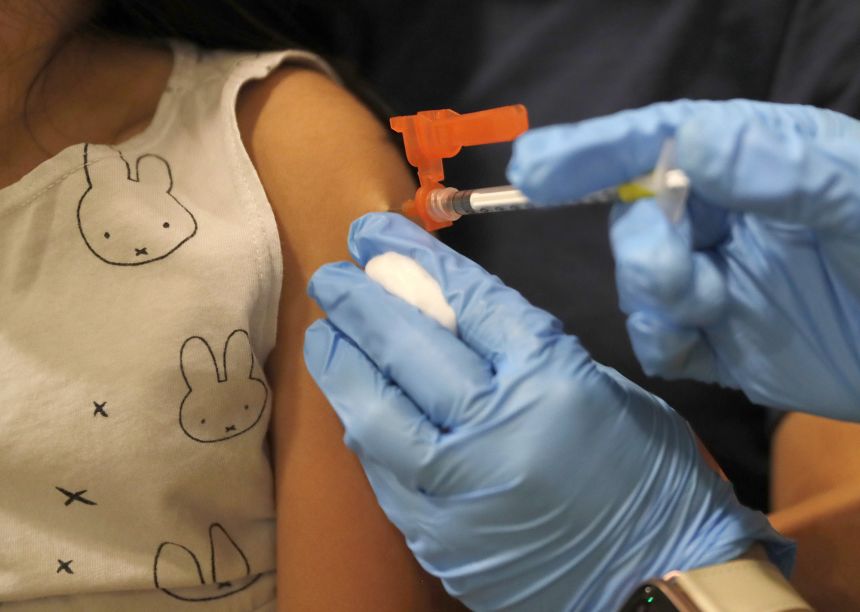
Getting vaccinated is one of the best defenses against severe illness from the coronavirus, especially in winter months when respiratory infections rise. Vaccines help your body build protection even before you come into contact with the virus.
Have you noticed how flu shots are recommended every year? COVID-19 vaccines and boosters follow a similar pattern because the virus can change. Staying up to date with your vaccinations gives you a stronger shield when cold weather increases virus survival and transmission.
Credit: www.cnn.com
Frequently Asked Questions
Can Coronavirus Survive In Cold Weather?
Yes, the coronavirus can survive in cold weather. Cold temperatures may help it persist longer on surfaces. However, cold weather doesn’t increase its transmission. Indoor gatherings during cold seasons can facilitate its spread more than the temperature itself.
Does Cold Weather Affect Covid-19 Spread?
Cold weather alone doesn’t impact COVID-19 spread. People stay indoors more, increasing close contact. This increases transmission risk. Maintaining social distance and wearing masks indoors is essential.
How Does Cold Weather Influence Virus Lifespan?
Cold weather can extend the virus’s lifespan on surfaces. Low temperatures preserve the virus, making it viable longer. Proper sanitation remains crucial to prevent surface transmission, regardless of the weather.
Is Covid-19 More Severe In Winter?
COVID-19 severity isn’t directly linked to cold weather. Winter conditions encourage indoor activities, increasing exposure risk. Following public health guidelines during winter helps mitigate this risk.
Conclusion
Cold weather does not stop the coronavirus from spreading. The virus can live on surfaces for hours or days. Staying warm does not mean you are safe. Wearing masks and washing hands remain very important. Keep distance from others to reduce risk.
Vaccines help protect against serious illness. Stay informed with trusted health advice. Taking simple steps can keep you and others healthy. The virus spreads anytime, any season. Staying careful always matters.


