Are you wondering if your goldfish can live safely in tap water? You’re not alone.
Many fish owners ask this question because they want the best for their tiny swimmers. But the answer isn’t as simple as yes or no. The water you use can make a big difference in your goldfish’s health and happiness.
Keep reading to discover what’s really in your tap water and how it affects your goldfish’s chances of thriving. You’ll learn easy tips to create a safe home for your fish without stress or confusion.

Credit: www.reddit.com
Goldfish And Tap Water
Goldfish are popular pets, but many owners wonder if these vibrant creatures can survive in tap water. Understanding the relationship between goldfish and the water they live in is key to keeping them healthy. Your tap water might seem clean, but its contents can significantly affect your goldfish’s well-being.
Chemical Composition Of Tap Water
Tap water contains a mix of minerals and chemicals that vary depending on your location. Common elements include calcium, magnesium, and trace amounts of metals like iron and copper. These minerals can be beneficial in small amounts, helping maintain water hardness and pH balance.
However, some components might not be suitable for goldfish. For example, high levels of heavy metals can stress or poison them. Knowing your local water report can help you understand what’s in your tap water and how it might affect your goldfish.
Common Contaminants Affecting Fish
Besides minerals, tap water often contains contaminants that can harm goldfish. These include:
- Heavy metals such as lead and zinc
- Pesticides and herbicides from agricultural runoff
- Fluoride added for dental health in humans
Even small amounts of these contaminants can impact your goldfish’s immune system and make them more vulnerable to diseases. Do you know what’s lurking in your tap water beyond the clear liquid?
Chlorine And Chloramine Impact
Chlorine is added to tap water to kill harmful bacteria, but it’s toxic to goldfish. It damages their gills and skin, leading to respiratory problems. Many water treatment facilities now use chloramine, a combination of chlorine and ammonia, which is even more dangerous for fish.
Using a water conditioner specifically designed to neutralize chlorine and chloramine is essential. Simply letting the water sit won’t remove chloramine, so don’t assume your tap water is safe just because it looks clear. Have you checked whether your local water contains chloramine before adding it to your fish tank?
Water Preparation Techniques
Preparing tap water correctly is essential to keep your goldfish healthy and thriving. Raw tap water often contains chemicals and temperature fluctuations that can stress or harm your fish. Understanding how to treat and adjust your water can make a big difference in your goldfish’s environment.
Using Water Conditioners
Water conditioners are designed to neutralize harmful chemicals in tap water, such as chlorine and chloramine. Adding a conditioner before introducing water to your tank makes the environment safer for your goldfish.
Choose a conditioner that specifically mentions removing chloramine, as it’s more stable and common in many municipal water supplies. I once skipped this step and noticed my goldfish became lethargic—after adding a conditioner, their activity improved within hours.
Dechlorination Methods
Besides chemical conditioners, there are natural ways to remove chlorine from tap water. Letting water sit uncovered for 24 to 48 hours allows chlorine to evaporate, but this doesn’t work for chloramine.
- Use activated carbon filters to absorb chloramine and other impurities.
- Boiling water for 20 minutes can also remove chlorine but is not practical for large volumes.
Have you tested your water for chloramine? It’s easy to overlook, but knowing your water’s chemistry can save your fish from hidden dangers.
Optimal Water Temperature
Goldfish prefer stable water temperatures between 65°F and 75°F (18°C – 24°C). Sudden temperature changes can weaken their immune system and lead to disease.
Use an aquarium thermometer to monitor temperature consistently. If your tap water is too cold or too warm, adjust it by mixing with water at the right temperature before adding it to the tank.
Think about how you feel when jumping into cold water—your goldfish react similarly to sudden shifts. Keeping the temperature steady helps them feel secure and healthy.
Tank Setup And Maintenance
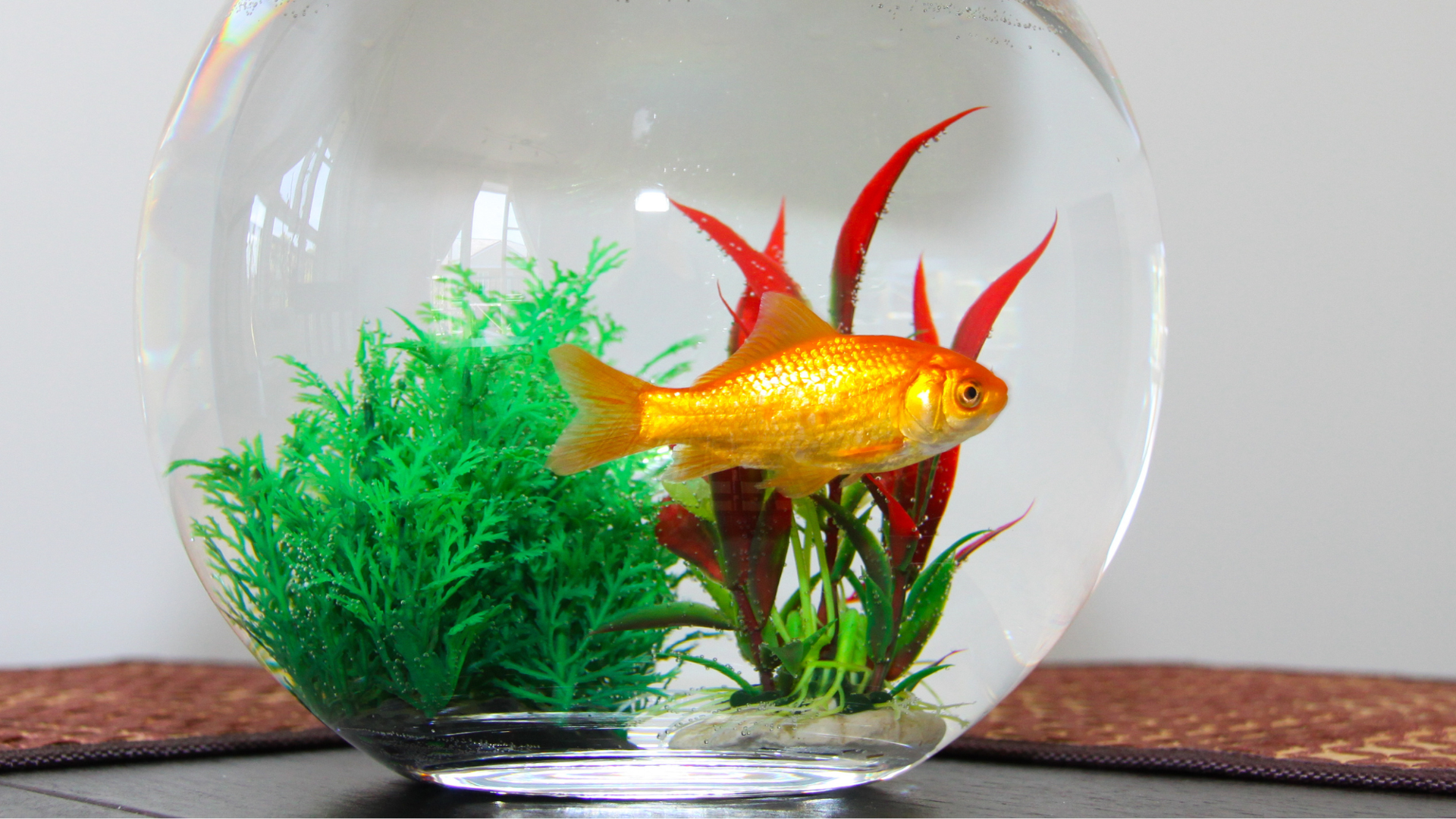
Setting up the right tank and keeping it well-maintained is vital for goldfish health. Goldfish are sensitive to water quality and space. Proper tank setup helps them thrive in tap water. Regular care keeps their environment clean and safe.
Choosing The Right Tank Size
Goldfish need plenty of space to grow and swim. A small bowl is not enough. A tank of at least 20 gallons is good for one goldfish. Add 10 gallons for each extra fish. Bigger tanks keep water stable and reduce toxins. Space also helps goldfish stay active and healthy.
Filtration Systems For Tap Water
Tap water may contain chlorine and other chemicals harmful to fish. A good filter removes waste and keeps water clean. Use filters designed for goldfish tanks. Choose filters that provide mechanical, biological, and chemical filtration. This keeps the water safe and clear. Filters also help remove ammonia and nitrites produced by fish waste.
Regular Water Testing
Testing water regularly is important to spot problems early. Use simple test kits to check:
- Chlorine levels
- Ammonia levels
- Nitrites and nitrates
- pH balance
Keep these values in safe ranges for goldfish. Testing helps you know when to change water or adjust filtration. Consistent monitoring keeps your fish happy and healthy.
Credit: pethelpful.com
Feeding And Health Tips
Feeding and caring for your goldfish properly can make a huge difference in their ability to thrive, especially when living in tap water. Understanding what to feed them and how to spot early signs of health issues can save you a lot of heartache. Your goldfish depend on you not just for food, but also for a healthy environment that supports their wellbeing.
Balanced Diet For Goldfish
Goldfish need a mix of nutrients to stay healthy and active. A diet that combines high-quality flakes or pellets with occasional treats like peas, spinach, or bloodworms works well. Avoid overfeeding; giving your fish just enough food they can eat within 2-3 minutes prevents water pollution, which is especially important in tap water tanks.
Have you noticed your goldfish eagerly swimming when you feed them? That’s a good sign they’re enjoying a balanced diet. But if they start refusing food, it might be time to rethink what you’re offering.
Signs Of Water-related Stress
Tap water often contains chlorine or chloramine, which can stress your fish if not treated properly. Watch for signs like gasping at the surface, clamped fins, or lethargy. These behaviors often mean your goldfish are struggling with poor water quality.
Testing your water regularly helps catch problems early. You can use water conditioners to neutralize harmful chemicals, but observing your fish’s behavior gives you the most direct clue about their comfort level.
Preventing Common Diseases
Diseases like fin rot and ich are common in goldfish living in untreated tap water. Keeping the tank clean and changing water regularly reduce the risk significantly. You can also quarantine new fish before adding them to your main tank to prevent the spread of infections.
Have you ever dealt with a sick goldfish? Early intervention is key. If you spot white spots, frayed fins, or unusual swimming patterns, act quickly to treat the problem before it worsens.
Alternative Water Options
Choosing the right water for goldfish is vital for their health. Tap water often contains chlorine and other chemicals. These substances can harm goldfish over time. Exploring alternative water options can help create a safer environment.
Using Bottled Or Spring Water
Bottled or spring water can be safer than untreated tap water. It often lacks harmful chemicals like chlorine. Check the label for mineral content and pH levels. Avoid water with high salt or additives. Regularly test water to ensure it suits goldfish needs.
Rainwater And Its Risks
Rainwater is free from tap water chemicals. Yet, it can carry pollution from the air or roof surfaces. Collect rainwater carefully to avoid contamination. Test for acidity and bacteria before use. Use rainwater only after proper treatment or mixing.
Mixing Tap Water With Other Sources
Mixing tap water with bottled or rainwater can reduce harmful chemicals. This practice helps balance pH and mineral levels. Always treat tap water with a dechlorinator before mixing. Monitor water quality frequently to keep goldfish safe.

Credit: inkbird.com
Frequently Asked Questions
Can Goldfish Thrive In Tap Water?
Goldfish can survive in tap water, but it’s not ideal. Tap water contains chlorine and chloramine, harmful to goldfish. Use a water conditioner to neutralize these chemicals. Regular water testing and maintenance ensure a healthy environment. Always acclimate goldfish slowly to any new water conditions.
How Can I Make Tap Water Safe?
To make tap water safe, use a water conditioner. This neutralizes chlorine and chloramine. Ensure the water temperature matches the tank. Test water regularly for pH and hardness. This ensures a stable environment. Maintain good filtration and regular water changes to keep goldfish healthy.
Is Bottled Water Better Than Tap Water?
Bottled water isn’t necessarily better for goldfish. It lacks essential minerals and may have different pH levels. Tap water, when conditioned, provides necessary minerals. Always test bottled water before use. Condition and acclimate any new water to prevent stress. Stability is key for goldfish health.
How Often Should I Change Goldfish Water?
Change 10-15% of goldfish water weekly. This maintains water quality and reduces toxins. Regular water changes prevent ammonia buildup. Always condition new water before adding it to the tank. Consistency in maintenance supports goldfish health. Monitor water parameters to adjust the frequency of changes as needed.
Conclusion
Goldfish need clean water to live healthy and happy. Tap water often has chemicals that can harm them. Treating tap water before adding goldfish helps keep them safe. Regular water changes and testing improve their tank conditions. Small efforts make a big difference for your fish.
Keep learning about goldfish care to help them thrive. Healthy fish bring joy and calm to any home. Taking care is simple with the right steps. Water quality is key to goldfish survival and growth.