Have you ever wondered how animals manage to survive when the cold bites deep and temperatures drop well below freezing? Imagine facing freezing winds, icy landscapes, and scarce food—yet some creatures not only survive but thrive.
Understanding their secrets can change how you see nature’s resilience and might even inspire you to tackle your own challenges. Keep reading to discover the amazing ways animals beat the cold and stay alive when you might expect them to struggle.
Credit: kalkaskaconservation.org
Cold Weather Challenges
Animals face many challenges in cold weather. Survival depends on how well they handle these harsh conditions. Cold weather brings extreme temperatures, fewer food options, and scarce shelter. Each challenge tests animals’ strength and adaptability.
Temperature Extremes
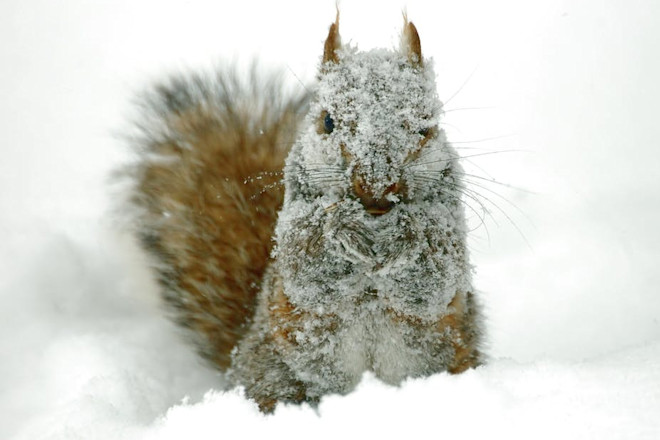
Cold weather means freezing temperatures that can drop far below zero. Animals risk losing body heat quickly. Staying warm is vital to avoid hypothermia and frostbite. Many animals grow thicker fur or feathers to trap heat. Others slow their metabolism to save energy. Some use fat layers as natural insulation against the cold.
Limited Food Sources
Food becomes scarce during winter months. Plants die or go dormant, reducing herbivores’ food supply. Predators find hunting harder as prey animals hide or migrate. Many animals store food before winter arrives. Others switch to eating bark, seeds, or whatever is available. Survival requires careful use of limited energy and food.
Shelter Scarcity
Finding shelter is tough in cold climates. Snow and ice cover many hiding spots. Animals seek burrows, caves, or dense vegetation for protection. Some build nests or dens insulated with leaves or fur. Shelter keeps them safe from wind and predators. It also helps maintain body temperature during freezing nights.
Physical Adaptations
Animals living in cold climates have special physical features that help them survive harsh weather. These adaptations keep their bodies warm and safe from the cold. Each feature plays a key role in maintaining their body heat and energy levels. Understanding these physical traits shows how animals thrive in freezing conditions.
Thick Fur And Feathers
Many animals grow thick fur or dense feathers to trap heat. This layer acts like insulation, blocking cold air from reaching the skin. Some animals have fur that changes color with the seasons for camouflage. Birds fluff their feathers to create air pockets that keep them warm. This natural coat is essential for warmth and protection.
Fat And Blubber Layers
Fat and blubber store energy and keep animals warm. Marine mammals like seals and whales have thick blubber under their skin. This fat layer prevents heat loss in icy water. Land animals also build fat reserves before winter. These layers act like a warm blanket around the body.
Body Shape And Size
Body shape and size affect how animals keep heat. Smaller ears and shorter limbs reduce heat loss. Many cold-weather animals have rounder bodies to keep warmth inside. Compact shapes limit the surface area exposed to cold air. These changes in body form help conserve heat efficiently.
Behavioral Strategies
Animals use various behaviors to survive extreme cold weather. These strategies help them save energy and stay warm. They change their daily habits and social patterns to face harsh winter conditions.
Migration Patterns
Many animals move to warmer places during cold months. Birds are famous for flying long distances to find better climates. Some mammals travel to lower altitudes where food is easier to find. Migration helps them avoid freezing temperatures and food shortages.
Hibernation And Torpor
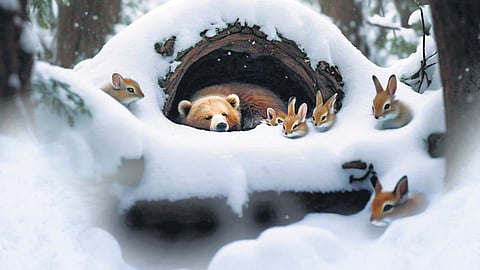
Some animals enter deep sleep called hibernation. Their body slows down, using less energy. Heart rate and breathing drop to conserve warmth. Torpor is a shorter, lighter form of hibernation. It allows animals to survive cold nights without full sleep. Both help animals avoid harsh weather and lack of food.
Group Living And Huddling
Animals often gather in groups to share body heat. Huddling keeps them warmer than being alone. Penguins and bats huddle tightly during cold weather. Group living also helps protect from predators and harsh winds. This behavior increases survival chances in freezing temperatures.
Credit: www.discovermagazine.com
Physiological Mechanisms
Animals use special body functions to survive cold weather. These changes help them keep warm and stay alive. Their bodies adjust in many ways that protect them from freezing temperatures.
These physiological mechanisms work inside the body. They control heat, blood flow, and chemical reactions. These changes happen without the animal thinking about it. The body works automatically to fight the cold.
Metabolic Rate Adjustments
Animals change how fast their body burns energy. In cold weather, many increase their metabolic rate. This creates more heat to keep the body warm. Some animals slow down their metabolism to save energy. This helps them survive longer without food.
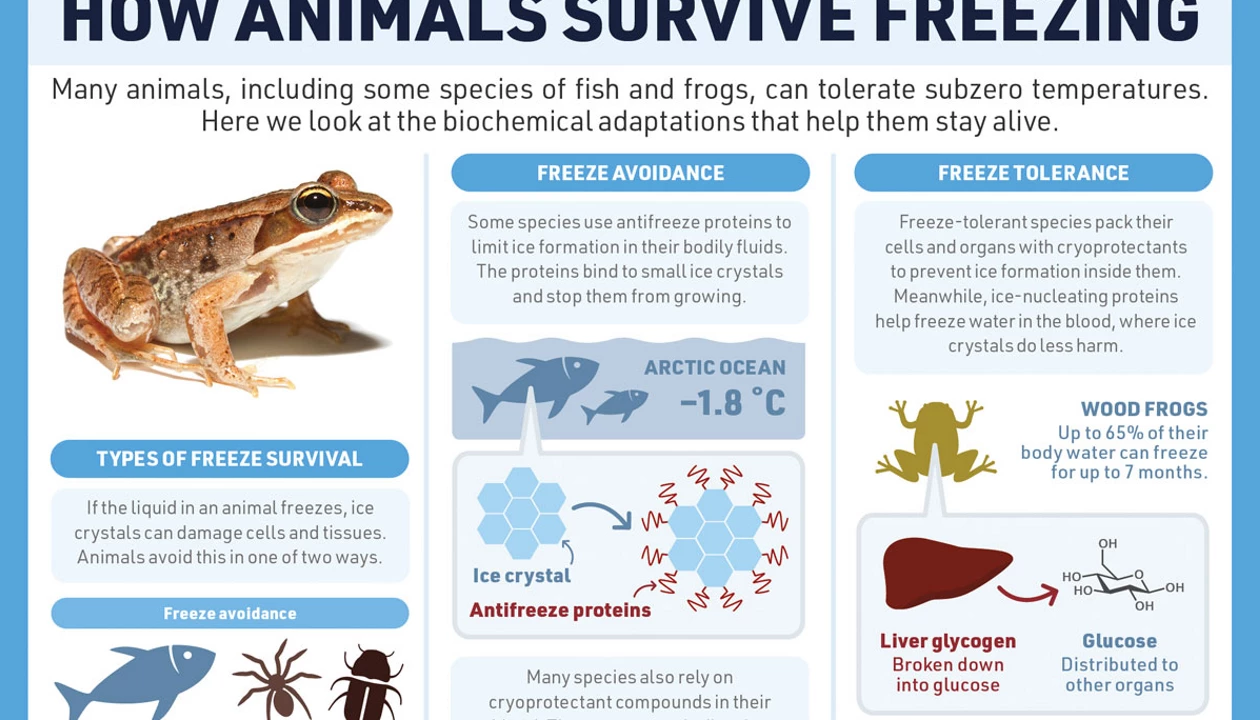
Antifreeze Proteins
Certain animals produce antifreeze proteins in their blood. These proteins stop ice crystals from forming. Ice crystals can damage cells and tissues. The antifreeze proteins protect the animal’s body from freezing. This is common in fish and insects living in icy waters.
Circulatory System Adaptations
The blood flow changes to protect vital organs. Blood vessels near the skin can narrow to reduce heat loss. This process is called vasoconstriction. Blood is directed more to the core to keep the heart and brain warm. Some animals have special blood vessel arrangements to keep their limbs warm.
Unique Species Examples
Some animals live in the coldest places on Earth. They survive extreme cold by using special features. These unique species have adapted to harsh winter conditions. Their habits and bodies help them stay warm and find food.
Polar Bears
Polar bears have thick fur and a fat layer under their skin. This fat keeps them warm in icy water and freezing air. Their fur is water-repellent and traps heat close to the body. Large paws help them walk on snow and ice without sinking.
Arctic Foxes
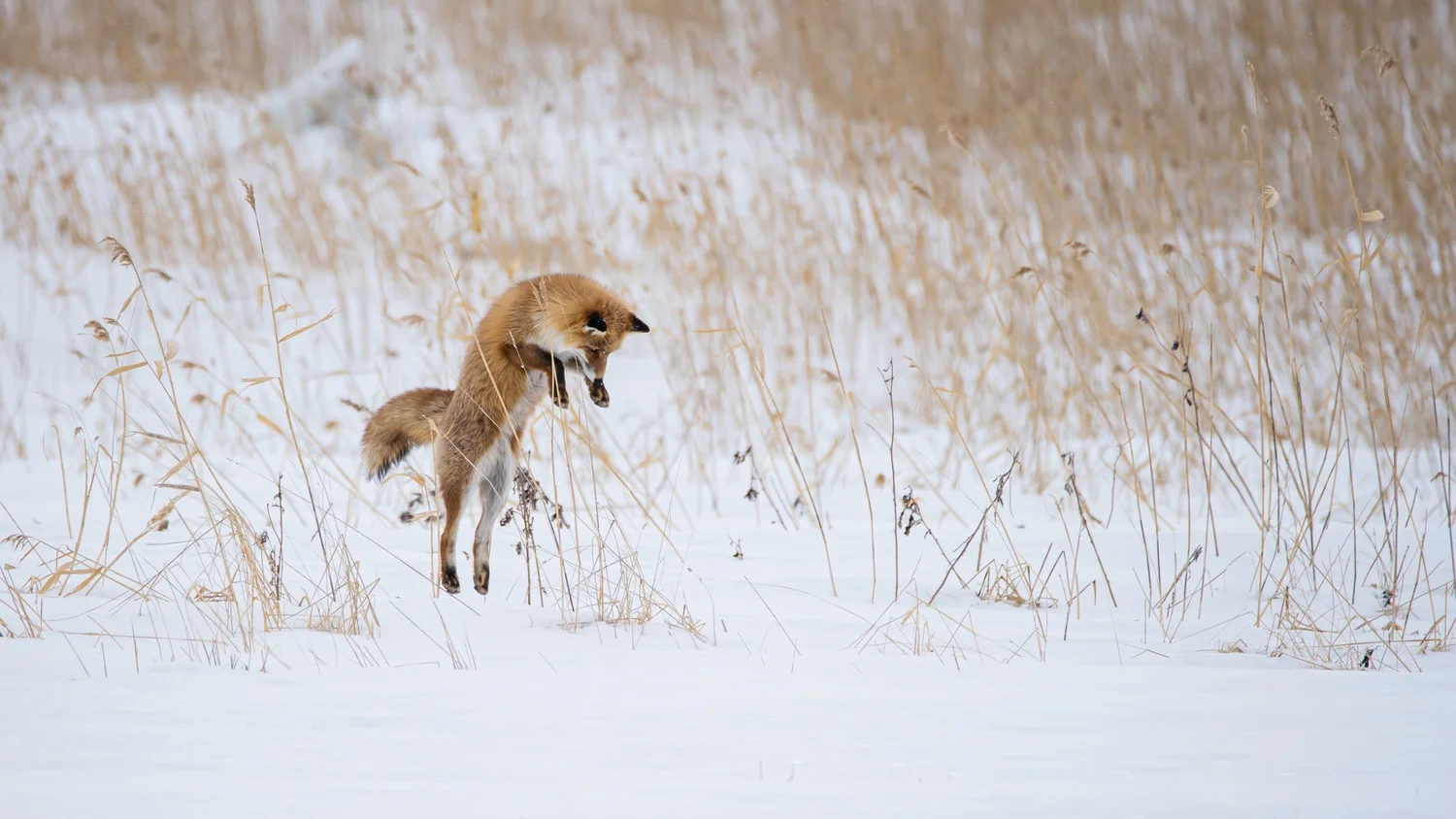
Arctic foxes grow a thick, white coat in winter to blend with snow. Their fur changes color in summer to brown or gray. Small ears reduce heat loss. They curl their tails around their bodies to keep warm at night.
Emperor Penguins
Emperor penguins huddle together to share body heat during storms. They have dense feathers and a thick layer of fat. These birds can survive temperatures below -70°F. They also tuck their feet under their bodies to keep warm.
Impact Of Climate Change
Climate change is shifting the balance of life in cold environments, challenging how animals survive extreme cold weather. As temperatures rise, the habitats these animals rely on are transforming rapidly. This impacts not only where animals can live but also how well they can adapt to colder conditions.
Habitat Shifts
Animals that thrive in cold climates are facing shrinking habitats as ice melts and seasons shift. Polar bears, for example, depend on sea ice to hunt seals. With less ice available, they must travel farther or find new hunting grounds, putting their survival at risk.
Have you noticed changes in your local wildlife? Many species are moving to higher altitudes or further north to find cooler environments. These habitat shifts disrupt entire ecosystems, creating new challenges for both animals and humans.
Adaptation Limits
While some animals can adjust their behavior or physiology, there’s a limit to how much change they can handle. Arctic foxes grow thicker fur during winter, but rising temperatures reduce the need for this adaptation, affecting their survival skills.
When conditions change too fast or too much, animals struggle to keep up. This raises an important question: can species evolve quickly enough to survive in a warming world? Your awareness and support can help protect these vulnerable creatures.
Conservation Efforts
Protecting cold-weather animals requires targeted conservation actions. Efforts include creating protected areas, restoring habitats, and reducing human-caused climate impacts. Organizations also track animal populations to understand how they cope with changing environments.
You can contribute by supporting wildlife conservation groups and advocating for policies that address climate change. Every action counts in helping animals endure extreme cold despite a warming planet.
Credit: www.newindianexpress.com
Frequently Asked Questions
How Do Animals Adapt To Cold Environments?
Animals adapt through various strategies, like growing thicker fur or feathers. Some hibernate to conserve energy, while others migrate to warmer areas. Certain species also develop antifreeze proteins in their blood to prevent freezing. These adaptations enable them to survive harsh, cold conditions effectively.
What Is Hibernation In Animals?
Hibernation is a survival strategy used by animals to conserve energy during extreme cold. During hibernation, an animal’s metabolism slows down significantly. This allows it to survive on stored body fat. Hibernating animals typically lower their body temperature, heart rate, and breathing rate to minimize energy expenditure.
Why Do Some Animals Migrate During Winter?
Animals migrate to access better resources and favorable climates during winter. Migration helps them find food, water, and breeding grounds. It also allows them to escape extreme cold temperatures. By relocating to warmer areas, they increase their chances of survival and reproduction.
How Do Animals Use Camouflage In Winter?
Animals use camouflage to blend with snowy environments, protecting them from predators. This adaptation involves changing fur or feather color to white. It provides concealment and increases survival chances. Camouflage also aids in hunting, as prey animals are less likely to detect predators.
Conclusion
Animals survive cold weather through smart and natural ways. They grow thick fur to stay warm. Some store fat to use as energy. Others find shelter to avoid the wind. Many slow down their bodies to save energy. These methods help them live in harsh cold.
Nature’s designs are simple but very effective. Survival depends on adapting to cold conditions. Life finds a way, even in the coldest places. Understanding these strategies shows us how strong animals are.