Have you ever wondered if viruses can survive when the weather gets hot? You might think that warm temperatures keep you safe from infections, but is that really true?
Understanding how heat affects viruses can change the way you protect yourself and your loved ones. Keep reading to discover surprising facts that could help you stay healthier, no matter the season.
Virus Survival Basics
Viruses are tiny agents that cause infections. Understanding how they survive is key to preventing illness. Their survival depends on many conditions. Heat, moisture, and surface types matter a lot. Knowing these basics helps us reduce virus spread effectively.
How Viruses Spread
Viruses spread through air, surfaces, and close contact. Sneezing and coughing release droplets full of viruses. Touching surfaces with viruses can transfer them to hands. Hands then carry viruses to the face, entering the body. Crowded places increase the chance of virus transmission.
Factors Affecting Virus Lifespan
Temperature plays a big role in virus survival. High heat often reduces virus lifespan. Viruses survive longer on smooth, non-porous surfaces like metal or plastic. Moisture helps viruses stay active longer. Ultraviolet (UV) light from the sun can destroy viruses quickly. Each virus type reacts differently to these factors.

Credit: www.politico.com
Impact Of Heat On Viruses
Heat plays a significant role in how viruses behave outside the human body. Many viruses struggle to survive or stay infectious in high temperatures. Understanding this impact helps explain why some infections spread less in hot weather. Viruses are tiny and simple, but heat can damage their structure or genetic material.
Temperature Thresholds
Viruses have specific temperature limits for survival. Most viruses begin to weaken above 30°C (86°F). At temperatures above 50°C (122°F), many viruses lose their ability to infect.
Heat can cause viruses to break down faster on surfaces. This reduces the time they remain dangerous. Some viruses tolerate heat better, but extreme heat usually harms all types.
Heat Vs Virus Structure
Viruses have protective outer layers. These layers include proteins and lipids. Heat can damage these layers, making viruses inactive.
Enveloped viruses, like flu and coronavirus, are more sensitive to heat. Non-enveloped viruses, like norovirus, resist heat better but still weaken eventually.
Heat changes the shape of viral proteins. This stops the virus from attaching to human cells. The virus cannot reproduce or cause infection without this ability.
Research On Virus Persistence In Hot Weather
Understanding how viruses behave in hot weather can change the way you protect yourself and your family. Research shows that temperature plays a role in virus survival, but the story is not as simple as “heat kills all viruses.” Let’s look closer at scientific findings to see what really happens to viruses when the heat rises.
Laboratory Studies
Lab tests give us controlled environments to watch viruses closely. Researchers expose viruses to different temperatures and humidity levels to see how long they remain active.
Most studies find that many viruses, including the flu and coronaviruses, lose strength faster at higher temperatures. For example, some coronaviruses can survive for days at 4°C but only a few hours at 40°C.
However, heat alone doesn’t always stop viruses. If the humidity is low, some viruses can still survive longer than expected. This means heat works best when combined with other factors like moisture and sunlight.
Real-world Observations
While lab results are clear, real-life situations add more complexity. You might notice that people still get sick in hot countries and summer months.
One reason is that viruses spread indoors where air conditioning keeps the temperature cool. Crowded places also help viruses move from person to person regardless of outside heat.
Additionally, sunlight, which is stronger in summer, can deactivate viruses on surfaces quickly. But this effect depends on exposure time and surface type.
So, should you rely on hot weather to keep you safe from viruses? Probably not. It’s smarter to combine good hygiene, ventilation, and vaccination with an understanding of how weather impacts virus survival.
Common Misconceptions About Heat And Viruses
Many people believe that hot weather automatically kills viruses, but this idea doesn’t hold up under scrutiny. Heat alone isn’t a magic shield against viral infections. Understanding the truth behind these misconceptions helps you stay better protected, regardless of the temperature outside.
Heat As A Virus Killer Myth
It’s a common thought that high temperatures destroy viruses instantly. While extreme heat can inactivate some viruses, everyday summer heat usually isn’t enough. For example, just because it’s sunny and hot doesn’t mean viruses like the common cold or flu vanish from surfaces or the air.
Viruses have evolved to survive in a wide range of conditions. Some even thrive in warm environments. So, relying solely on heat to protect yourself can give a false sense of security. Think about how often you’ve caught a cold during a hot summer day or heard of flu outbreaks in warm climates.
Seasonal Virus Patterns
Viruses often seem seasonal, but temperature isn’t the only factor. Changes in human behavior, like spending more time indoors during winter, play a big role. Dry air in colder months also helps viruses spread more easily.
Some viruses peak in winter, but others don’t follow this pattern at all. Dengue fever, for example, spreads more during hot, rainy seasons. This shows that weather impacts viruses differently depending on their type and transmission methods.
Have you noticed how your risk changes with the season but not just because of temperature? Understanding this helps you take smarter precautions year-round, like maintaining good hygiene and avoiding crowded places during outbreaks.
Virus Types And Heat Sensitivity
Viruses differ in how heat affects their survival. Some viruses lose strength quickly in warm conditions. Others handle heat better and stay active longer. Understanding these differences helps explain why some infections spread more in certain seasons. Heat sensitivity depends on the virus type and its structure.
Respiratory Viruses
Respiratory viruses spread through the air and droplets. Common examples include the flu and coronaviruses. These viruses tend to weaken in hot weather. High temperatures and sunlight can damage their outer layer. This reduces their ability to infect people. Warm, humid conditions also lower their survival time on surfaces.
Gastrointestinal Viruses
Gastrointestinal viruses cause stomach and intestinal problems. Norovirus and rotavirus are well-known types. These viruses can resist heat better than respiratory viruses. They survive longer in warm environments, especially in contaminated food or water. Heat may reduce their numbers but does not fully stop them. Proper hygiene and cooking remain important to prevent infections.
Preventive Measures Regardless Of Weather
Viruses can survive in many weather conditions, including hot weather. Taking preventive measures is important every day. Weather does not stop the spread of viruses. Protect yourself and others by following key safety steps constantly. Stay cautious and keep good habits to reduce risk effectively.
Hygiene Practices
Clean hands often with soap and water for at least 20 seconds. Use hand sanitizer if soap is not available. Avoid touching your face, especially eyes, nose, and mouth. Cover your mouth and nose with a tissue or elbow when coughing or sneezing. Dispose of tissues properly and wash hands immediately. Clean and disinfect frequently touched surfaces daily to kill germs.
Vaccination Importance
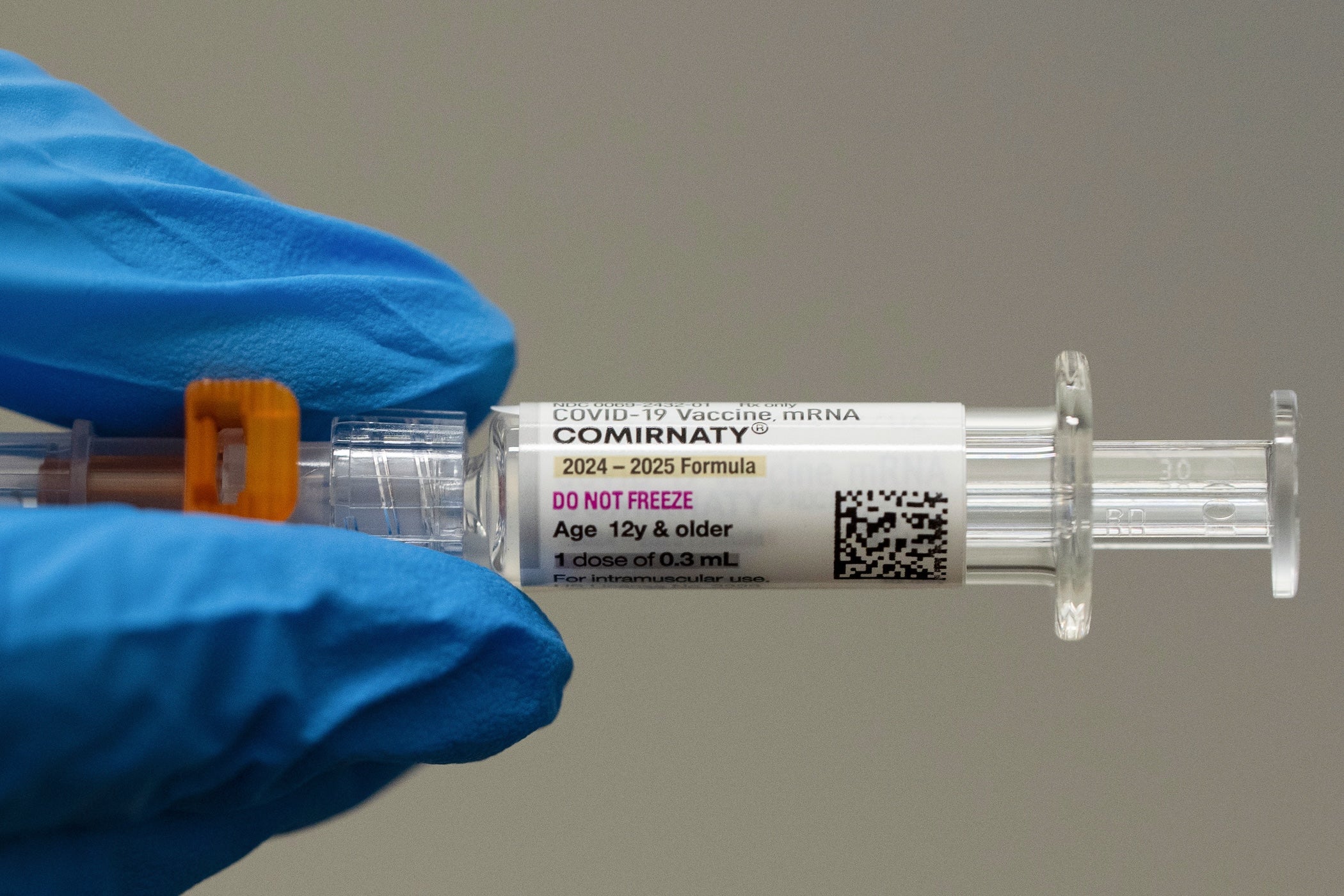
Vaccines help your body build protection against viruses. They reduce the chance of severe illness. Getting vaccinated protects you and those around you. Stay updated with recommended vaccines and booster shots. Vaccines work well regardless of the weather or season. Encourage family and friends to get vaccinated too.
Future Outlook On Virus Survival And Climate
The future of virus survival is closely tied to changes in our climate. Viruses react differently to heat, humidity, and seasonal shifts. Understanding these patterns helps us prepare for health risks ahead. Scientists study how warming temperatures affect virus behavior worldwide.
Climate Change Effects
Rising global temperatures change virus survival rates. Hotter climates may reduce some viruses’ lifespan outside hosts. Yet, warmer weather can also expand habitats for disease carriers like mosquitoes. This shift can lead to more frequent outbreaks in new areas.
Extreme weather events disrupt ecosystems and human health. Floods and droughts influence virus spread by affecting water quality and sanitation. Changing seasons may alter virus activity patterns, making some infections harder to predict.
Emerging Virus Threats
Climate change can trigger new virus threats. Warmer temperatures allow viruses to jump to new species. Urbanization combined with climate shifts increases human exposure to wildlife viruses.
Monitoring emerging viruses is essential to control outbreaks early. Early detection helps prevent global spread. Research focuses on understanding how climate impacts virus evolution and transmission.

Credit: health.clevelandclinic.org

Credit: www.army.mil
Frequently Asked Questions
Can Viruses Survive In Hot Weather?
Yes, some viruses can survive in hot weather. While high temperatures may reduce virus stability, certain viruses adapt to warmer climates. It’s essential to continue practicing good hygiene and preventive measures, regardless of the temperature, to minimize the risk of viral infections.
Does Heat Kill Viruses Instantly?
Heat doesn’t always kill viruses instantly. However, high temperatures can reduce their effectiveness and lifespan. It’s important to note that not all viruses react the same way. Regular cleaning and disinfecting, along with other preventive measures, are crucial for virus control.
Why Do Viruses Spread Less In Summer?
Viruses may spread less in summer due to environmental factors. Warm weather and increased UV radiation can reduce virus viability. Additionally, people tend to spend more time outdoors, which decreases close indoor contact. However, some viruses still thrive in summer, so caution is necessary.
Are All Viruses Affected By Hot Weather?
Not all viruses are affected by hot weather. While some viruses become less stable in high temperatures, others are resilient. Factors such as virus type, humidity, and host behavior also play a role. Understanding virus-specific behavior is crucial for effective prevention and control.
Conclusion
Viruses do not disappear just because it is hot outside. Heat can reduce some viruses, but it does not kill them all. People still need to wash hands and keep clean. Wearing masks in crowded places helps too. Stay careful even on warm days.
Understanding how viruses survive helps protect your health. Stay safe by following simple steps every day.


