When disaster strikes, having the right emergency food kit can make all the difference. You want to be sure your kit keeps you nourished, energized, and ready to face any challenge.
But with so many options out there, how do you decide what to pick? This guide will help you choose the best foods to include—foods that are easy to store, simple to prepare, and packed with the nutrients your body needs.
Keep reading to discover exactly what should go in your emergency food kit, so you can be confident and prepared when it matters most.

Credit: www.mypatriotsupply.com
Key Criteria For Emergency Foods
Choosing the right foods for an emergency kit requires careful thought. Foods must last long, be nutritious, and easy to prepare. These key criteria help ensure survival and comfort in tough times. Consider each factor carefully to build a reliable emergency food supply.
Shelf Life And Durability
Foods with a long shelf life reduce the need for frequent replacements. Look for items that stay safe to eat for years without refrigeration. Durable packaging protects food from moisture, air, and pests. Examples include canned goods, dehydrated meals, and vacuum-sealed items. Strong packaging prevents spoilage and waste.
Nutritional Value
Emergency foods must provide essential nutrients to keep you healthy. Focus on balanced options with proteins, fats, and carbohydrates. Include vitamins and minerals to support the immune system. Avoid foods high in sugar or empty calories. Proper nutrition helps maintain energy and body functions during stress.
Caloric Density
Choose foods that offer many calories in small portions. High-calorie foods provide more energy without taking much space. Nuts, seeds, dried fruits, and energy bars are good choices. Caloric density is important when storage space is limited. It helps sustain energy for longer periods.
Ease Of Preparation
Emergency foods should be simple to prepare with minimal tools. Ready-to-eat meals or items needing only water are ideal. Avoid foods that require cooking with complex equipment. Quick preparation saves time and conserves fuel. Easy-to-prepare foods reduce stress during emergencies.
Top Grains And Legumes
Choosing the right grains and legumes for your emergency food kit is crucial. These staples provide long-lasting energy, essential nutrients, and versatility in meals. You want options that store well, cook easily, and keep you full during uncertain times.
Rice And Quinoa
Rice is a classic emergency staple because it stores for years and cooks quickly. White rice, in particular, has a long shelf life and pairs well with many foods. Quinoa adds extra protein and fiber, making it a great complement or alternative to rice.
Both rice and quinoa are gluten-free, which can be important if you or your family have dietary restrictions. Have you tried cooking quinoa with dried herbs or spices to boost flavor without fresh ingredients? It’s a small trick that can make your meals more enjoyable during stressful situations.
Dried Beans And Lentils
Dried beans and lentils offer a powerful protein punch and last for years when stored properly. They require soaking and longer cooking times, but their nutritional value and versatility make them worth the effort. Varieties like black beans, kidney beans, and red lentils each bring unique tastes and textures.
Consider adding a pressure cooker to your emergency kit to speed up cooking times. Have you thought about pre-soaking beans before storage to reduce cooking time? Small prep steps like this can save precious resources when access to fuel or water is limited.
Oats And Cereals
Oats are a fantastic grain for emergency kits because they cook quickly and provide slow-release energy. Rolled oats and steel-cut oats both work well, depending on your cooking options. You can use them for breakfast or even baking simple bread when combined with other ingredients.
Ready-to-eat cereals also have a place for convenience and variety. Look for whole grain options that offer fiber and vitamins. How often do you rely on oats for comfort food? Having familiar tastes on hand can boost morale when times get tough.
Canned And Preserved Proteins
Canned and preserved proteins are a must-have in any emergency food kit. They offer long shelf life, require no refrigeration, and provide essential nutrients to keep you energized during tough times. Choosing the right types can make a big difference in variety and taste when fresh food isn’t an option.
Canned Meats And Fish
Canned meats like chicken, beef, and turkey are great sources of protein that can be eaten straight from the can or added to other meals. Tuna, salmon, and sardines bring healthy omega-3 fats and are rich in flavor. Look for options packed in water or olive oil for better nutrition.
Think about how often you eat these proteins normally—would you enjoy them during an emergency? It’s worth trying different brands now to find what you actually like. Remember, comfort can boost morale when everything else feels uncertain.
Nut Butters
Nut butters such as peanut, almond, and cashew butter are excellent protein and fat sources. They don’t spoil quickly and come in easy-to-carry jars or packets. Plus, they can be eaten on their own or spread on crackers for a quick snack.
Have you ever noticed how a simple spoonful of peanut butter can satisfy hunger for hours? Including nut butters adds variety and helps prevent food fatigue during emergencies. Make sure to pick natural options with minimal added sugar and salt.
Powdered Eggs And Dairy
Powdered eggs offer the protein benefits of fresh eggs without the need for refrigeration. They can be rehydrated and used in cooking or baking. Similarly, powdered milk or cheese powders provide calcium and other nutrients that are often missing in emergency kits.
Do you cook often enough to use powdered eggs creatively? These items can boost your meal options significantly. Store them in airtight containers to extend their shelf life and keep them fresh longer.
Fruits And Vegetables For Survival
Fruits and vegetables provide essential nutrients during emergencies. They supply vitamins, minerals, and fiber to keep your body strong. Choosing the right types ensures you get the most benefits. Storage and shelf life are important factors to consider.
Dehydrated And Freeze-dried Options
Dehydrated and freeze-dried fruits and vegetables last long and stay nutritious. Freeze-dried options keep most vitamins intact and taste fresh. Dehydrated foods weigh less and are easier to store.
- Freeze-dried berries, peas, and carrots are popular choices.
- Dehydrated apples, tomatoes, and spinach are easy to pack.
- Both need airtight containers to avoid moisture.
Canned Vegetables And Fruits
Canned goods provide ready-to-eat fruits and vegetables. They have a longer shelf life than fresh produce. Choose low-sodium or no-sugar-added varieties for better health.
- Canned beans, corn, and green beans are nutritious.
- Peaches, pears, and pineapple come canned in juice.
- Watch expiration dates and store in a cool place.
Vitamin Preservation Tips
Keep vitamins strong by proper storage and handling. Avoid exposing food to heat, light, or air. Store items in dark, cool, and dry places.
- Use airtight containers or vacuum-sealed bags.
- Rotate stock regularly to use older items first.
- Rehydrate freeze-dried foods with cold water to keep nutrients.
Fats And Oils To Include
Fats and oils play a crucial role in your emergency food kit. They provide essential energy and help your body absorb vitamins. Choosing the right types can make a big difference in how well your food stores and how satisfying your meals are during tough times.
Cooking Oils With Long Shelf Life
Not all oils last the same. Some go rancid quickly, while others stay fresh for years. Look for oils like coconut oil, olive oil, and avocado oil—they have longer shelf lives and maintain good flavor over time.
Coconut oil, for example, can last up to two years unopened. Olive oil is great too, but store it in a cool, dark place to extend its life. Avoid oils like flaxseed or walnut oil since they spoil faster.
Nuts And Seeds
Nuts and seeds are excellent fat sources that also add crunch and nutrition. Almonds, walnuts, sunflower seeds, and pumpkin seeds store well if kept dry and sealed. They offer healthy fats and protein, making your emergency meals more balanced.
Storing nuts in airtight containers slows down spoilage. You might be surprised how satisfying a handful of nuts can be when fresh food is scarce. Have you considered how much energy you get from a small pack of seeds?
Butter Substitutes
Butter may not last long in an emergency kit, but there are good alternatives. Ghee and clarified butter keep longer without refrigeration. They bring rich flavor and essential fats to your meals.
Vegetable shortening or shelf-stable margarine can also work, but check the ingredients for added preservatives. Think about how adding a spoonful of ghee to your rice or beans could improve taste and calorie intake.
Credit: www.forbes.com
Hydration Essentials
Hydration is vital in any emergency. It keeps your body working well and your mind clear. Without enough water, dehydration can set in quickly. Preparing hydration essentials ensures you stay healthy and strong during tough times.
Choose items that provide clean water and help maintain your body’s balance. Pack water storage solutions, ways to purify water, and drinks that replace lost minerals and energy. These choices make a big difference in emergencies.
Water Storage And Purification
Store enough water for at least three days. Use durable containers that do not leak or break easily. Consider collapsible water bags or heavy-duty bottles for saving space.
Purify water to avoid sickness. Include water purification tablets or drops. Portable water filters work well for removing dirt and germs. Boiling water is a reliable option if you have a heat source.
Electrolyte Packets
Electrolytes keep your body fluids balanced. They help muscles and nerves work properly. Choose electrolyte packets that mix easily with water. These packets replace salts lost from sweating or illness. Keep several packets in your kit for quick use.
Beverage Mixes For Energy
Energy drinks can boost your strength in emergencies. Look for powdered mixes with caffeine or vitamins. They provide a quick energy lift and help fight fatigue. Avoid sugary or overly sweet drinks that can cause crashes later.
Comfort And Morale Boosters
Comfort and morale boosters make emergency food kits feel less like a survival task. These small treats lift spirits and provide a sense of normalcy. They help reduce stress and keep energy levels balanced during tough times. Including comforting items can make a big difference in your overall well-being.
Chocolate And Sweets
Chocolate and sweets offer quick energy and a mood lift. Dark chocolate is a great choice for longer shelf life. Candy bars, hard candies, and gummies are easy to store and share. These treats remind people of happier moments and bring comfort in difficult situations.
Instant Coffee And Tea
Instant coffee and tea give a warm, soothing feeling. They help maintain daily routines and provide caffeine for alertness. Choose small packets or single-serve sachets for convenience. A hot drink can calm nerves and boost morale during emergencies.
Spices And Seasonings
Spices and seasonings improve the taste of simple meals. Salt, pepper, garlic powder, and dried herbs add flavor and variety. These small additions make emergency food more enjoyable to eat. They help keep meals interesting and prevent food fatigue.
Packaging And Storage Tips
Proper packaging and storage keep your emergency food fresh and safe. Choosing the right methods extends shelf life. It also protects food from damage and pests. Storing food correctly saves money and reduces waste. Here are key tips to help you pack and store food effectively.
Vacuum Sealing Benefits
Vacuum sealing removes air from food packages. This slows down spoilage and oxidation. It keeps food fresh longer by stopping moisture and bacteria. Vacuum-sealed bags take less space in storage. They prevent freezer burn for frozen foods. Ideal for dry goods like rice, beans, and pasta. Also great for meats and vegetables. Vacuum sealing is simple and cost-effective. Use a vacuum sealer or airtight bags with a hand pump.
Rotating Your Stock
Rotate food supplies regularly to keep them fresh. Use the “first in, first out” rule. Place newer items behind older ones on shelves. Check expiration dates monthly. Eat or replace items that expire soon. This practice prevents food waste and spoilage. Keeps your emergency kit ready for any situation. Label packages with the purchase date for easy tracking. Rotate canned, dried, and frozen foods consistently.
Pest Prevention Techniques
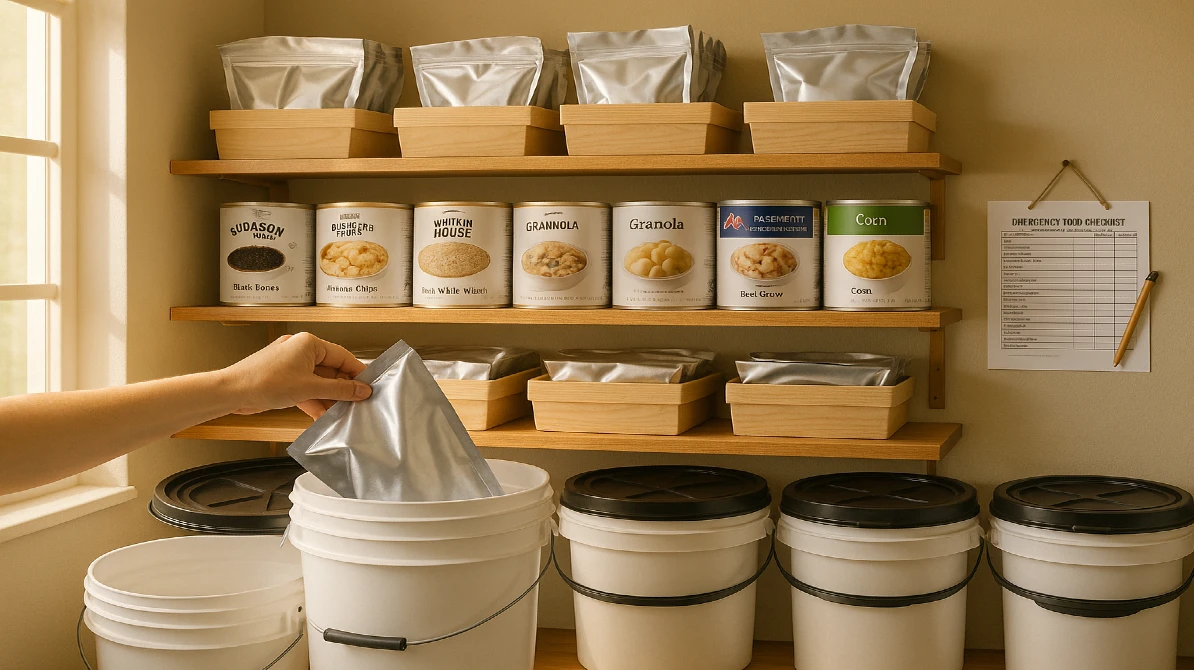
Keep pests away from your emergency food supplies. Store food in sealed containers made of metal or thick plastic. Avoid cardboard boxes, as pests can chew through them. Use airtight lids and secure seals. Clean storage areas often to remove crumbs and spills. Place food off the floor on shelves or pallets. Consider natural repellents like bay leaves or silica gel packs. Regularly inspect your stock for signs of pests. Early detection helps stop infestations quickly.

Credit: www.mypatriotsupply.com
Frequently Asked Questions
What Foods Are Best For An Emergency Kit?
Choose non-perishable foods like canned beans, rice, and pasta. Include high-energy snacks like nuts and granola bars. Consider food with a long shelf life and easy preparation. Don’t forget essentials like salt, sugar, and spices to enhance flavors. Water is crucial; aim for one gallon per person per day.
How Long Do Emergency Foods Last?
Most emergency foods last between 5 to 25 years. Check expiration dates and storage guidelines on packaging. Canned goods typically last 2 to 5 years. Freeze-dried and dehydrated foods can last longer. Regularly rotate your stock to ensure freshness. Proper storage in a cool, dry place extends shelf life.
Should I Include A Manual Can Opener?
Yes, include a manual can opener in your kit. It’s essential for accessing canned foods without electricity. Avoid relying solely on electric appliances during emergencies. A manual opener is lightweight, portable, and reliable. It ensures you can eat your stored foods easily.
Always have a backup to avoid being stranded.
How Much Water Should I Store Per Person?
Store one gallon of water per person per day. This amount covers drinking and basic hygiene needs. Plan for at least three days of water supply. Consider more for extended emergencies. Water purification tablets or filters can supplement your supply.
Properly sealed containers prevent contamination.
Conclusion
Choosing the right items for your emergency food kit saves lives. Focus on foods that last long and give good energy. Include proteins, carbs, and some fats for balance. Don’t forget water and easy-to-open packages. Think about your family’s needs and allergies.
Keep your kit updated and check it often. A smart kit helps you stay safe and calm. Prepare now to face any emergency with confidence. Small steps today make a big difference tomorrow.