Are you worried about getting emergency food stamps when you need them most? You’re not alone.
Many people wonder if everyone qualifies for this help or if there are hidden rules you should know about. Understanding who can receive emergency food stamps could make a big difference for you and your family. Keep reading to find out exactly what you need to know, so you don’t miss out on the support you deserve.

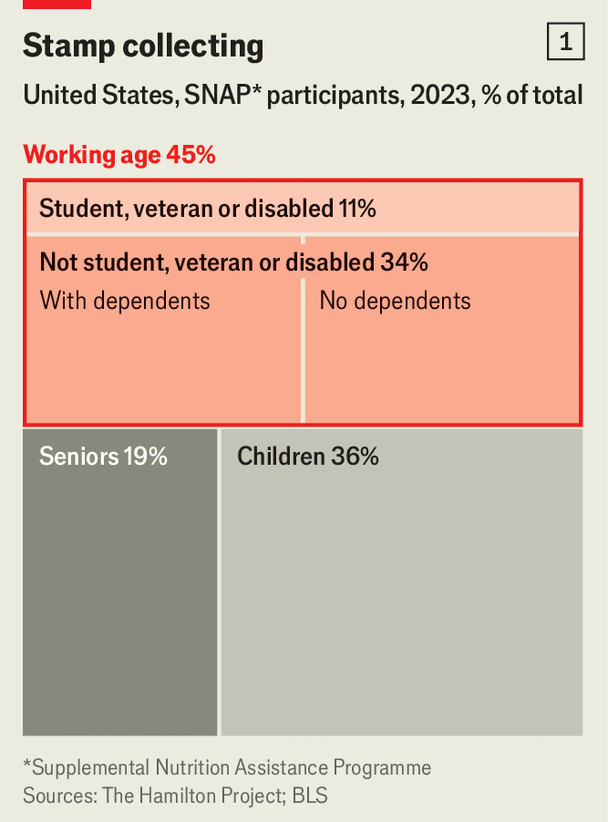
Credit: www.economist.com
Emergency Food Stamps Basics
Understanding the basics of emergency food stamps is essential if you’re wondering whether you or someone you know will receive this crucial aid. Emergency food stamps provide quick support when unexpected situations leave you struggling to put food on the table. Knowing what they are and why they exist helps you navigate the application process more confidently.
What Are Emergency Food Stamps
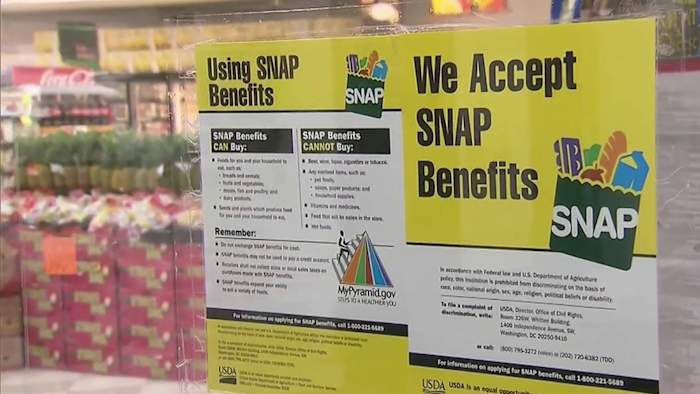
Emergency food stamps are a form of temporary assistance offered through the Supplemental Nutrition Assistance Program (SNAP). They are designed to help individuals and families facing sudden financial hardship or disasters. Unlike regular benefits, emergency food stamps are issued quickly to address immediate food needs.
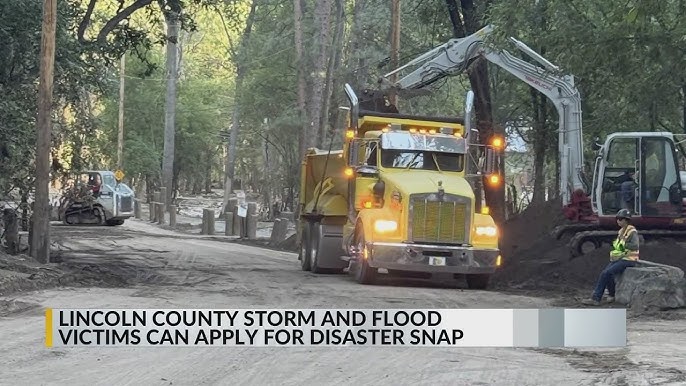
You might qualify for emergency food stamps if you lose your job abruptly or experience a natural disaster that disrupts your income. The amount you receive usually depends on your household size and current financial situation. These benefits are intended to bridge the gap until you regain stability.
Purpose Of Emergency Assistance
The main goal of emergency food stamps is to prevent hunger during unexpected crises. They ensure you don’t have to choose between paying bills and buying groceries when your budget tightens suddenly. This quick response can make a significant difference in your well-being and peace of mind.
Think about the last time you faced an emergency—how hard was it to focus on daily tasks without basic needs met? Emergency food stamps aim to remove that stress for you and your family. They also help reduce the strain on food banks and community resources by providing direct support.

Credit: www.reddit.com
Eligibility Criteria
Understanding who qualifies for emergency food stamps is crucial before applying. The eligibility criteria focus on several factors that determine if you can receive this vital support. Knowing these details helps you prepare and assess your situation clearly.
Income Requirements
Your income level is the first checkpoint for emergency food stamps. Typically, your earnings must fall below a certain threshold set by your state. This limit is often based on the federal poverty line or a percentage of your state’s median income.
Think about your monthly income after taxes. If it stretches your budget too thin for groceries, you might qualify. Some states also consider deductions, like medical expenses or childcare costs, which can lower your countable income.
Household Size Impact
The number of people in your household directly affects your eligibility. Larger households usually have higher income limits because their needs are greater. Each additional family member raises the threshold, offering more room for financial support.
Imagine a single person earning $1,500 a month versus a family of four with the same income. The family likely qualifies, while the individual might not. This system ensures food assistance matches your actual household demands.
Special Circumstances
Certain situations can influence your eligibility beyond income and household size. For example, if you recently lost your job, face a natural disaster, or have a medical emergency, you may qualify for expedited benefits. These conditions recognize urgent needs that standard rules might overlook.
Have you experienced a sudden change in your finances? Reporting these changes promptly can help you access emergency aid faster. Programs also consider factors like disability, pregnancy, and elderly household members when deciding your eligibility.
Application Process
The application process for emergency food stamps is designed to be straightforward but requires careful attention to detail. Knowing exactly what you need and when to apply can make a big difference in how quickly you receive support. Understanding the steps involved helps you avoid common pitfalls and delays.
How To Apply
You can apply for emergency food stamps online, by mail, or in person at your local assistance office. Many states offer user-friendly websites where you fill out the application form and upload necessary documents. If you prefer, visiting an office allows you to ask questions and get help on the spot.
Think about your comfort level with technology and your time constraints. Choosing the right application method can speed up the process and reduce stress. Have you checked if your state has a dedicated emergency food stamp hotline? Calling can sometimes clarify steps you find confusing online.
Required Documents
Prepare to submit proof of identity, income, residency, and household expenses. Common documents include:
- Government-issued ID (driver’s license or passport)
- Recent pay stubs or unemployment benefit letters
- Utility bills or lease agreements for proof of address
- Bank statements or proof of savings
Gather these documents before starting your application. Missing or incorrect paperwork is a frequent cause of delays. Have you double-checked your documents for expiration dates or discrepancies?
Application Deadlines
Emergency food stamp programs often have strict application deadlines linked to specific crisis periods. Missing these deadlines could mean losing out on vital assistance. Check your state’s official website or contact local offices to find exact cutoff dates.
Keep in mind that early applications tend to process faster. Waiting until the last minute increases the risk of delays, especially when offices are busy. How are you planning to manage your application timeline to avoid missing these important deadlines?
Distribution And Timing
The distribution and timing of emergency food stamps are key to ensuring help reaches those in need fast. Understanding when benefits are issued and how long they last can ease concerns. The process aims to be clear and timely, so people can plan their meals and budget better.
When Benefits Are Issued
Emergency food stamps are usually issued quickly after approval. Many states provide benefits within a few days to address urgent needs. Some use electronic cards to deliver funds, making access easier and faster. The exact timing depends on state rules and system capacity.
Applicants often receive notifications by mail or email about their benefit dates. This helps them know when to expect the support. The goal is to reduce waiting times and prevent hunger during crises.
Duration Of Emergency Benefits
Emergency food stamp benefits typically last for a short period. This period can range from one month to several months, depending on the situation. The support covers immediate needs but is not meant as a long-term solution.
States may extend benefits if the emergency continues or if more help is needed. Recipients should check with local offices for updates on their benefit duration. Planning ahead helps manage resources until regular assistance resumes.
Limitations And Exclusions
Emergency food stamps provide vital help during tough times. Yet, not everyone can get this support. There are specific rules about who qualifies. Understanding these limits helps avoid surprises during the application process.
Some people face exclusions based on income, residency, or other criteria. These rules ensure resources reach those in real need. Knowing who might not qualify saves time and effort.
Who May Not Qualify
- Individuals with income above the program’s limit.
- Non-residents or those without legal status.
- People already receiving maximum benefits from other programs.
- Households with assets exceeding allowed amounts.
- Those who fail to provide necessary documentation.
Common Reasons For Denial
- Incomplete or incorrect application forms.
- Failure to meet income or resource guidelines.
- Missing proof of identity or residency.
- Previous disqualification or fraud cases.
- Not responding to requests for additional information.

Credit: www.economist.com
State Variations
Emergency food stamps are not the same everywhere. Each state decides how to give aid during tough times. These state variations affect who gets help and how much they receive. Understanding these differences helps people know what to expect in their area.
Differences By State
States set their own rules for emergency food stamps. Some states offer extra benefits quickly. Others take more time to approve applications. Income limits and eligibility can vary widely. Some states include more people, while others are stricter.
For example, one state may give automatic benefits to all low-income families. Another state might require extra paperwork. The timing for payments also changes from state to state. These differences create uneven access across the country.
Local Program Adjustments
Local offices may change how programs run to meet community needs. They might add special rules during natural disasters or economic problems. Local adjustments can make programs more flexible or stricter. Staff might help applicants faster or offer extra support services.
Sometimes local agencies partner with food banks or charities. This helps reach more people in need. These changes depend on local budgets and priorities. As a result, emergency food stamp experiences differ even within the same state.
Additional Support Options
Emergency food stamps may not reach everyone in need. Many people face delays or eligibility issues. There are other ways to get food help fast. These options can fill the gap and ease hunger. Knowing where to turn can make a big difference.
Food Pantries And Charities
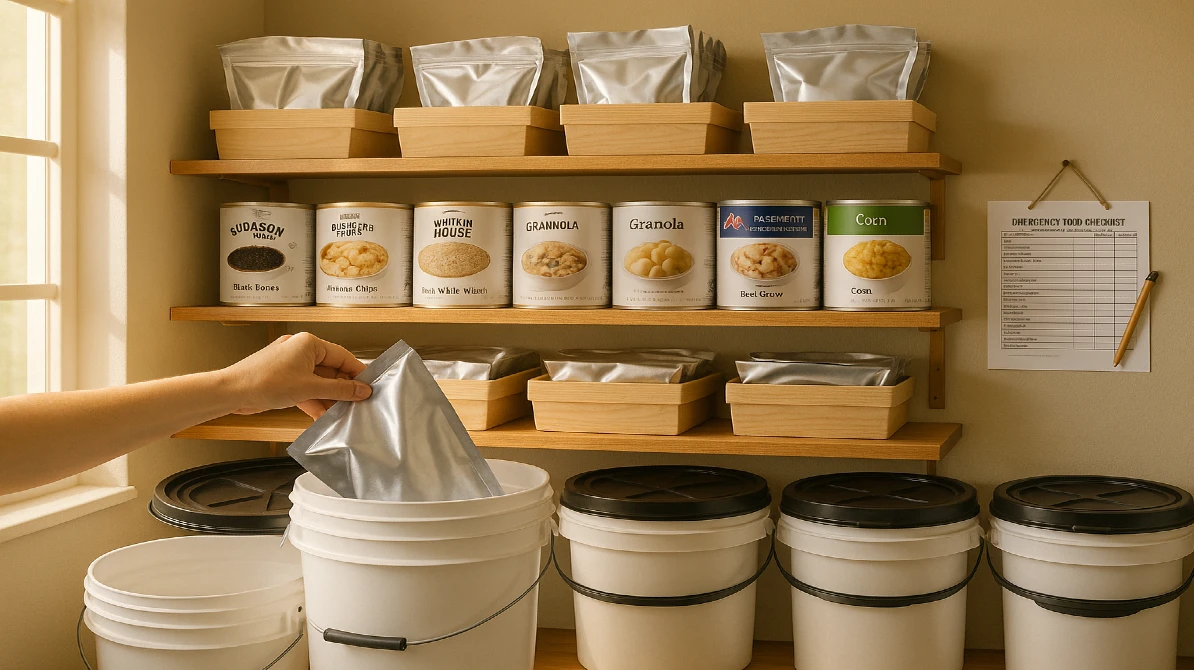
Food pantries provide free groceries to those struggling. Local charities often offer meals or food boxes. They serve people regardless of government benefits. Many pantries have simple sign-up processes. Some operate through churches, community centers, or nonprofits. Visiting a pantry can bring quick relief.
- Fresh produce and canned goods
- Baby food and special diet items
- Non-perishable staples like rice and beans
- Information about other local help
Charities may also run soup kitchens or delivery services. They focus on reaching vulnerable groups like seniors and children. These resources help fill urgent food needs.
Other Government Programs
Besides emergency food stamps, other programs offer food aid. The National School Lunch Program feeds millions of children daily. Women, Infants, and Children (WIC) provides nutrition support for mothers and kids. The Commodity Supplemental Food Program (CSFP) targets seniors with extra food.
- Temporary Assistance for Needy Families (TANF) offers cash for essentials
- Senior Farmers’ Market Nutrition Program gives fresh fruits and vegetables
- Child and Adult Care Food Program supports daycare meals
Each program has its own rules and benefits. Applying to multiple programs can help families stay fed.
Tips For Maximizing Benefits
Maximizing emergency food stamp benefits requires smart planning. Stretching your resources can help feed your family longer. Small changes in shopping and cooking habits make a big difference. Focus on managing your budget and using benefits wisely to get the most value.
Managing Your Food Budget
Track your spending carefully. Know how much you have and plan meals around that amount. Buy items in bulk when prices are low. Choose store brands instead of name brands to save money. Avoid shopping when hungry to prevent impulse buys.
Plan meals before shopping. Create a list and stick to it. Compare prices between stores or online. Use coupons and discounts whenever possible. Freeze leftovers to reduce waste and stretch your food further.
Using Benefits Wisely
Focus on buying nutritious foods that last longer. Choose whole grains, beans, and frozen vegetables. These options are affordable and healthy. Avoid buying expensive snacks or sugary drinks. Prepare meals at home instead of eating out.
Cook in batches and store meals for later. Use simple recipes with few ingredients. Share meals with family to reduce costs. Keep track of your remaining benefits to avoid running out early.
Frequently Asked Questions
Who Qualifies For Emergency Food Stamps?
Eligibility for emergency food stamps depends on specific criteria like income, resources, and household size. Each state may have different guidelines. Generally, individuals facing sudden financial hardships, such as job loss or natural disasters, may qualify. It’s essential to check with local authorities or the state’s food assistance office for precise requirements.
How To Apply For Emergency Food Stamps?
To apply for emergency food stamps, contact your local SNAP office. Applications can often be submitted online, in person, or by mail. You’ll need to provide personal information, income details, and household size. Processing times vary by state, but emergency applications are usually expedited.
How Long Do Emergency Food Stamps Last?
Emergency food stamps typically provide assistance for one month. However, this can vary depending on individual circumstances and state policies. If your situation requires continued assistance, you may need to apply for regular SNAP benefits. Always check with your local SNAP office for detailed information regarding your case.
Can Non-citizens Receive Emergency Food Stamps?
Non-citizens may qualify for emergency food stamps under certain conditions. Eligibility depends on immigration status, income, and other factors. Some categories, like refugees, asylees, and certain legal immigrants, might be eligible. It’s crucial to consult with the local SNAP office to understand specific eligibility rules for non-citizens.
Conclusion
Not everyone will receive emergency food stamps. Eligibility depends on specific rules and income. Many people may qualify, but some might not. It is important to check your local program requirements. Apply early to avoid missing deadlines. Assistance aims to help those facing hardship now.
Stay informed through official government websites or offices. Remember, support is available for many, but not all. Keep your documents ready to speed up the process. Help exists, but knowing the rules is key.