Have you ever wondered if crayfish can live outside their watery homes? If you keep these curious creatures or just find them fascinating, understanding their limits is important.
Knowing whether crayfish can survive out of water can help you care for them better or satisfy your curiosity about how they manage in different environments. Keep reading to discover the surprising facts about crayfish and their ability to survive on land—you might be more amazed than you expect.
Credit: www.bbc.com
Crayfish Basics
Crayfish are fascinating freshwater creatures. Understanding their basics helps us know how they live and survive. These small animals look like tiny lobsters. They play a key role in their ecosystems.
Crayfish Habitat
Crayfish live mostly in fresh water. They prefer rivers, lakes, and streams with clean water. Muddy or sandy bottoms suit them well. They hide under rocks and plants for safety. Crayfish need water to keep their gills wet. Wet gills allow them to breathe properly.
Physical Features
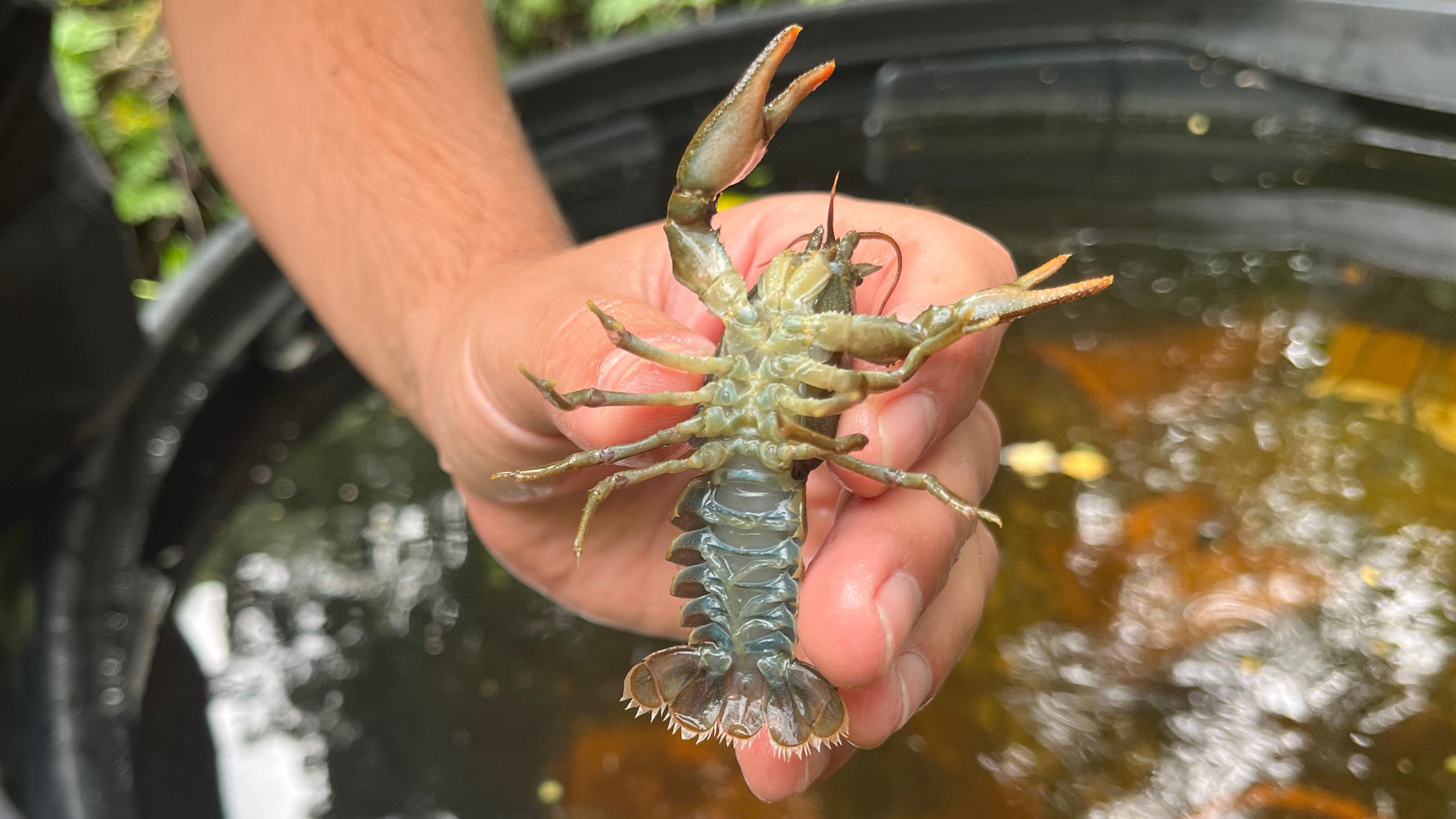
Crayfish have hard shells called exoskeletons. These shells protect their bodies from harm. They have five pairs of legs. The front legs end in pincers used for defense and food. Their bodies are divided into two parts: the cephalothorax and abdomen. Crayfish also have antennae to sense their surroundings.
Breathing Mechanisms
Understanding how crayfish breathe is key to knowing whether they can survive out of water. Their breathing mechanisms are specially adapted to extract oxygen from water, but some species have surprising abilities to cope with air exposure. Let’s take a closer look at how their gills work and how oxygen absorption happens outside their aquatic environment.
Gills Function
Crayfish breathe through gills located under their carapace, near their legs. These gills are thin, feathery structures that allow water to flow over them continuously. Oxygen dissolves in the water and passes through the gill membranes into the crayfish’s bloodstream.
Think about it like a sponge soaking up water, but instead, the gills soak up oxygen. This process requires the crayfish to stay moist, as dry gills cannot absorb oxygen effectively. Have you ever noticed how crayfish move their legs and gills to keep water flowing? This movement is essential for their breathing.
Oxygen Absorption Out Of Water
Surprisingly, some crayfish can absorb oxygen when out of water, but only for a limited time. Their gills can function if kept moist, allowing oxygen from the air to diffuse through the thin gill membranes. However, this is not as efficient as breathing underwater.
In your experience, have you seen crayfish survive briefly on damp land? This ability helps them avoid predators or find new habitats. Still, without water, their gills can dry out quickly, leading to suffocation. Keeping their environment humid or wet can extend their survival time outside water.
- Moisture is critical for gill function on land.
- Oxygen absorption is slower in air than in water.
- Survival outside water usually lasts only a few hours.
Next time you handle a crayfish, consider how delicate their breathing system is. Can you provide a damp environment that helps them breathe better? Understanding these details can improve your care for these fascinating creatures.
Survival Time On Land
Crayfish can survive out of water for a limited time. Their survival depends on several factors, including moisture and temperature. Without water, they struggle to breathe but can use their gills in a moist environment for short periods. Knowing how long they last helps understand their needs and limits on land.
Factors Influencing Survival
- Moisture:Crayfish need wet surroundings to keep their gills wet and breathe.
- Temperature:Cooler temperatures slow their metabolism, helping them survive longer.
- Species:Some crayfish types adapt better to land than others.
- Duration:Most crayfish survive only a few hours to a couple of days on land.
- Access to Shelter:Shade or damp hiding spots increase survival time.
Common Misconceptions
- Crayfish cannot live on land like land crabs or insects.
- They do not breathe air like mammals but use gills that must stay moist.
- Crayfish do not survive long out of water; days at most, not weeks.
- They do not “walk” on land to find water often; they stay close to moist areas.
- Leaving crayfish out of water for transport requires keeping them damp to avoid death.

Credit: www.reddit.com
Behavior On Land
Crayfish are known for their aquatic lifestyle, but their behavior on land reveals surprising adaptability. Observing them outside water can teach you a lot about their survival instincts and needs. Understanding how they move and seek shelter on land helps you care for them better or appreciate their natural behavior during dry spells.
Movement And Activity
On land, crayfish move cautiously. They use their legs to walk and can even make quick bursts to escape danger. However, their movement is slower compared to water, as they rely on moisture to stay agile.
You might notice they stay close to damp areas or under leaves to keep their gills moist. This behavior shows how critical moisture is for their survival outside water. Have you ever seen a crayfish quickly retreat when you approach? That quick dash is their way of avoiding dehydration and predators.
Shelter Seeking
Shelter is essential for crayfish on land. They look for cool, humid spots like under rocks, logs, or dense vegetation. These shelters help protect them from drying out and from predators.
If you’ve kept crayfish, you might have seen them burrow or hide in tank decorations. This instinct is natural and helps them survive longer outside water. Consider providing hiding places if you want your crayfish to feel secure and reduce stress during land excursions.
Risks Of Being Out Of Water
Crayfish are fascinating creatures that can survive briefly outside water, but being out of their natural aquatic environment poses serious risks. These risks can quickly turn deadly if you’re not aware of how sensitive crayfish are to conditions like moisture loss and predators. Understanding these dangers helps you appreciate why crayfish rarely stray far from water.
Dehydration
Crayfish breathe through gills, which must stay moist to function. When out of water, their gills dry out quickly, making it hard for them to breathe. This leads to rapid dehydration, which can cause death within hours if they don’t return to a wet environment.
Have you ever seen a crayfish on dry land and wondered how long it could last? Usually, only a few hours—sometimes less if the air is hot and dry. That’s why you’ll often find them hiding under damp logs or mud to stay moist.
Predation Threats
Being out of water exposes crayfish to many predators they usually avoid. Birds, mammals, and even larger insects spot them easily when they’re on open ground. Without the cover of water, crayfish become easy targets.
Imagine you were a crayfish for a moment—would you risk crawling across dry land knowing you’re vulnerable to so many eyes? This risk forces crayfish to stay close to water or hidden in moist places.
Tips For Keeping Crayfish Healthy
Keeping crayfish healthy outside water needs care and attention. Their environment must mimic natural conditions closely. Proper care helps them live longer and stay active. Understanding their needs improves their wellbeing.
Proper Habitat Setup
Crayfish need a tank with clean, fresh water. The tank should be at least 10 gallons. Provide hiding spots like rocks and plants. Keep water temperature between 65°F and 75°F. Use a filter to keep water clear. Change 25% of the water weekly. Avoid strong water currents. Crayfish like calm water to explore safely.
Handling And Care
Handle crayfish gently to avoid stress or injury. Always wet your hands before touching them. Avoid sudden movements to prevent startling. Do not hold them by their claws. Let them walk on your hand slowly. Feed crayfish a balanced diet with vegetables and protein. Remove uneaten food to prevent water pollution. Watch for signs of illness or injury. Act quickly if you see changes in behavior or appearance.

Credit: www.pets4homes.co.uk
Frequently Asked Questions
Can Crayfish Breathe Outside Of Water?
Crayfish can survive briefly out of water. They use gills to breathe in moist environments. However, prolonged exposure to dry conditions is harmful. They need water to thrive and sustain life. Always ensure they are in a suitable aquatic habitat to maintain their health.
How Long Can Crayfish Live Without Water?
Crayfish can live out of water for several hours if the environment is humid. However, their survival time decreases significantly in dry conditions. Keeping them in a wet habitat ensures their well-being and longevity. Always prioritize maintaining their aquatic environment for optimal health.
Do Crayfish Need Water To Survive?
Yes, crayfish require water to survive. Their gills extract oxygen from water, essential for their survival. While they can endure short periods out of water in humid conditions, prolonged exposure is detrimental. Ensure they always have access to a suitable aquatic environment for optimal health.
Can Crayfish Adapt To Land Environments?
Crayfish are not adapted to live permanently on land. They can venture out briefly in humid areas. However, they primarily need water for respiration and overall health. Continuous land exposure can be fatal. Always provide an appropriate aquatic habitat to ensure their well-being.
Conclusion
Crayfish can survive out of water for a short time. They need moisture to breathe through their gills. Dry air or heat can harm them quickly. Keeping them wet helps them stay alive longer. Always return crayfish to water as soon as possible.
Knowing this helps you care for them better. Their survival out of water is limited but possible. Remember, water is their natural home and best place.