When an emergency strikes, having the right foods on hand can make all the difference for you and your loved ones. But what exactly should you stock up on to stay safe, healthy, and comfortable?
Choosing the right foods isn’t just about filling your pantry—it’s about preparing smartly so you don’t face hunger or stress when it matters most. Keep reading, and you’ll discover the essential foods you need to have ready, how to store them, and why these choices will keep you strong no matter what happens.
Your peace of mind starts with what’s on your shelf.
Non-perishable Staples
Non-perishable staples form the backbone of any emergency food supply. These foods last a long time without refrigeration or special storage. They provide essential nutrients and energy when fresh food is unavailable. Stocking up on the right non-perishables ensures you stay nourished during tough times. Choose items that are versatile, easy to prepare, and have a long shelf life.
Canned Goods
Canned foods offer convenience and durability. They keep well for years and require no refrigeration. Choose a variety of canned vegetables, fruits, and meats. Beans and soups are also excellent canned options. Look for low-sodium versions to keep meals healthier. Always check expiration dates before buying. Store cans in a cool, dry place for best results.
Dried Grains And Legumes
Grains and legumes are reliable sources of carbohydrates and protein. Rice, oats, and quinoa store well for months or even years. Dried beans and lentils provide essential nutrients and fiber. These foods need water and cooking but keep hunger away effectively. Store them in airtight containers to avoid moisture and pests. Rotate your stock every 6 to 12 months for freshness.
Powdered Milk And Dairy Alternatives
Powdered milk is a valuable source of calcium and protein. It has a long shelf life and requires only water to prepare. Dairy alternatives like powdered soy or almond milk are good for those with lactose intolerance. These powders add nutrition to drinks, cereals, and baking. Keep them sealed tightly in a cool, dry spot. Use within the recommended time for best taste and quality.
High-energy Foods
High-energy foods are essential when preparing for emergencies. They provide the calories and nutrients your body needs to stay strong and alert during stressful situations. Choosing the right types can help you maintain energy without relying on refrigeration or complex cooking methods.
Nuts And Seeds
Nuts and seeds pack a powerful punch of energy in a small package. Almonds, walnuts, sunflower seeds, and pumpkin seeds are rich in healthy fats, protein, and fiber. They keep you feeling full longer and are easy to store for months without spoiling.
Have you ever reached for a handful of nuts during a busy day and felt instantly recharged? That quick boost is exactly why they’re perfect for emergencies. Just remember to buy unsalted and raw varieties to avoid excess sodium.
Energy Bars And Trail Mix
Energy bars and trail mix offer a convenient and portable source of calories. Look for bars with natural ingredients and minimal added sugars to avoid energy crashes. Trail mix lets you combine dried fruits, nuts, and seeds to customize your snack to your taste and nutritional needs.
Consider packing a mix with dried cranberries, cashews, and dark chocolate chips for a tasty yet sustaining snack. These options are great for quick energy bursts when you’re on the move or need a no-fuss meal replacement.
Nut Butters
Nut butters like peanut, almond, or cashew butter store well and provide dense energy in every spoonful. They are rich in fats and protein, helping you stay fueled for longer periods. Nut butters can be eaten alone or spread on crackers and bread.
Have you tried adding a spoonful of nut butter to your emergency food stash? It’s an easy way to boost calorie intake without extra preparation. Choose varieties without added sugars or hydrogenated oils for the healthiest option.
Long-lasting Proteins
Long-lasting proteins are essential to keep your energy up and your body strong during emergencies. These proteins stay good for months or even years without refrigeration, making them perfect for your emergency food stash. Choosing the right types can save you from hunger and provide necessary nutrients when fresh food isn’t available.
Canned Meats And Fish
Canned meats like chicken, turkey, and beef offer a convenient protein source with a shelf life of 2 to 5 years. Canned fish such as tuna, salmon, and sardines not only last long but also provide healthy omega-3 fats. These options require no cooking, which can be a lifesaver if power is out.
When picking canned options, check the sodium content. Too much salt can be harmful if you rely heavily on these foods. Rotate your stock regularly to keep everything fresh and ready.
Dehydrated And Freeze-dried Meats
Dehydrated and freeze-dried meats are lightweight and pack a powerful protein punch. They can last 10 years or more when sealed properly, making them ideal for long-term storage. Rehydrating them is simple—just add water—and you get almost the same taste and texture as fresh meat.
I once tried freeze-dried beef on a camping trip, and it surprised me how good it tasted after soaking. It’s worth investing in these for variety and nutrition. Just remember to store them in a cool, dark place to maximize shelf life.
Plant-based Protein Options
If you prefer non-meat proteins, legumes like lentils, chickpeas, and black beans are excellent. They last for years when stored in airtight containers and provide fiber and essential amino acids. Nuts and seeds are another great choice, offering healthy fats along with protein.
Powdered protein sources such as pea or soy protein powders can also be stored long-term and mixed into drinks or meals. Have you thought about how these plant proteins could diversify your emergency food supply and support your health?

Credit: medium.com
Fruits And Vegetables
Fruits and vegetables are essential in any emergency food stockpile. They provide vital nutrients and help maintain your energy and health during stressful times. Since fresh produce spoils quickly, it’s smart to focus on long-lasting alternatives that keep well without refrigeration.
Canned And Jarred Produce
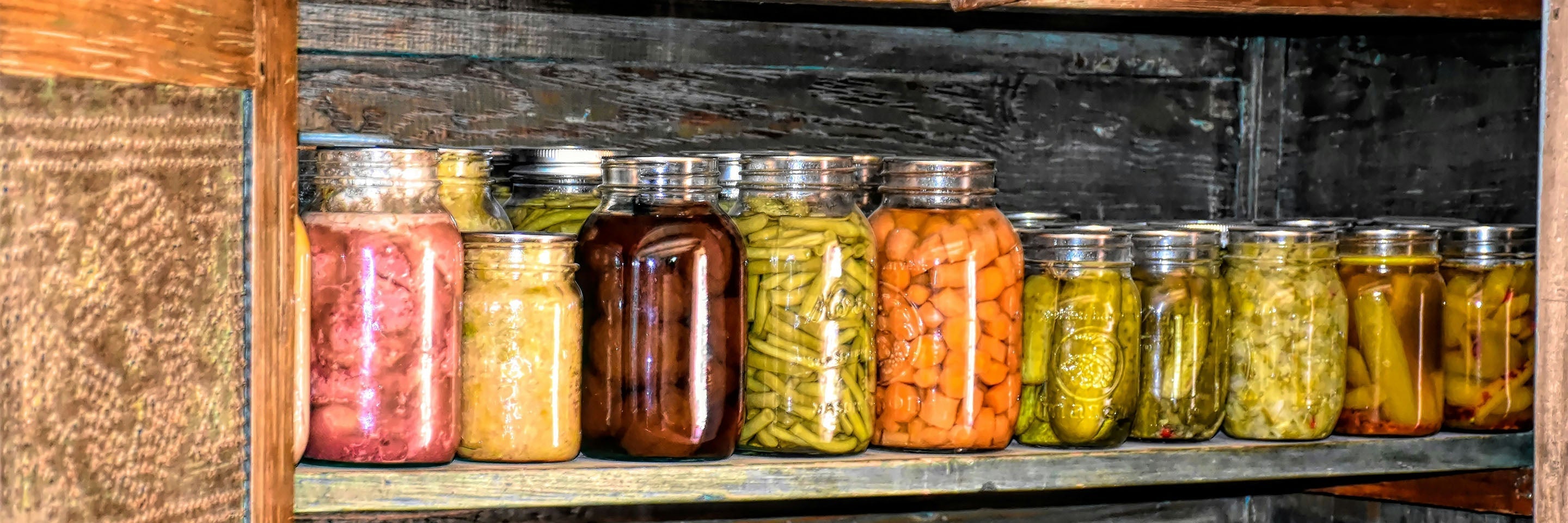
Canned fruits and vegetables are a reliable choice for emergencies. They retain most of their nutrients and can last for years if stored properly. Look for low-sodium or no-added-sugar options to keep your diet balanced.
Examples include canned green beans, corn, peaches, and pineapple. These are easy to use in meals or as quick snacks. Have you checked the expiration dates on your canned goods lately?
Freeze-dried Fruits And Veggies
Freeze-dried options are lightweight and pack a powerful nutritional punch. They keep their flavor and vitamins much better than traditional dried foods. Plus, they rehydrate quickly with just water, making them perfect for quick meal prep.
Popular choices include strawberries, peas, and carrots. Freeze-dried produce can also be added to soups or oatmeal for an easy nutrient boost. Do you have space to store these in your emergency kit?
Shelf-stable Sauces And Pastes
Shelf-stable sauces and vegetable pastes add flavor and variety to your emergency meals. Tomato paste, pumpkin puree, and salsa can transform simple dishes into satisfying meals. These items often come in cans or sealed pouches that last a long time without refrigeration.
Adding these sauces can help you avoid food fatigue and keep your meals interesting. When was the last time you experimented with new sauces in your cooking?
Hydration Essentials
Staying hydrated is critical during emergencies. Water keeps the body functioning and helps avoid dehydration. Stocking up on hydration essentials ensures access to clean liquids. It supports energy, focus, and overall health in tough times.
Bottled Water Storage
Store enough bottled water for at least three days. One gallon per person per day is a good rule. Keep bottles in a cool, dark place to prevent spoilage. Use water with a long shelf life. Rotate stock every six months for freshness.
Water Purification Methods
Clean water may not always be available. Have water purification tools ready for safety. Boiling water kills bacteria and viruses effectively. Water purification tablets are lightweight and easy to use. Portable filters remove dirt and harmful microbes. These methods provide safe drinking water anytime.
Electrolyte Drinks
Electrolytes help maintain fluid balance and muscle function. Stock electrolyte powders or ready-made drinks. They replace lost salts from sweat or illness. Choose low-sugar options for better health. Keep them in sealed containers to last longer. Electrolyte drinks improve hydration beyond plain water.

Credit: www.jackery.com
Comfort And Morale Boosters
Comfort and morale boosters are essential when stocking up for emergencies. They help keep your spirits high during stressful times. Having familiar tastes and small indulgences can make a big difference in how you handle uncertainty.
Coffee And Tea
Having a supply of coffee or tea can be a great comfort. The simple act of brewing your favorite cup can provide a sense of normalcy. Plus, caffeine can help keep you alert and focused when you need it most.
Consider storing instant coffee or tea bags for easy preparation. Herbal teas like chamomile or peppermint can also soothe nerves and aid relaxation. What small rituals help you stay calm in tough situations?
Spices And Seasonings
Spices and seasonings transform basic meals into something enjoyable. A pinch of cinnamon, garlic powder, or chili flakes can brighten up even simple dishes. This variety in flavor can keep your meals from feeling monotonous.
Stock up on versatile spices that last long and complement many foods. Think salt, pepper, paprika, and dried herbs like oregano or basil. How might a dash of your favorite spice change your mood during a long emergency?
Sweet Treats
Sweet treats are more than just snacks—they lift your mood and give quick energy. Keep items like chocolate bars, honey, or dried fruit on hand. These can provide a much-needed morale boost when meals are basic and repetitive.
Choose sweets that store well and don’t require refrigeration. Small comforts can remind you that better times are ahead. What favorite sweet reminds you of good memories and can brighten your day?
Storage And Rotation Tips
Storing emergency food properly is just as important as choosing the right items. Without good storage and rotation, even the best supplies can spoil or become unusable. Managing your stock effectively helps you avoid waste and ensures you always have fresh, safe food ready when you need it.
Proper Food Storage Techniques
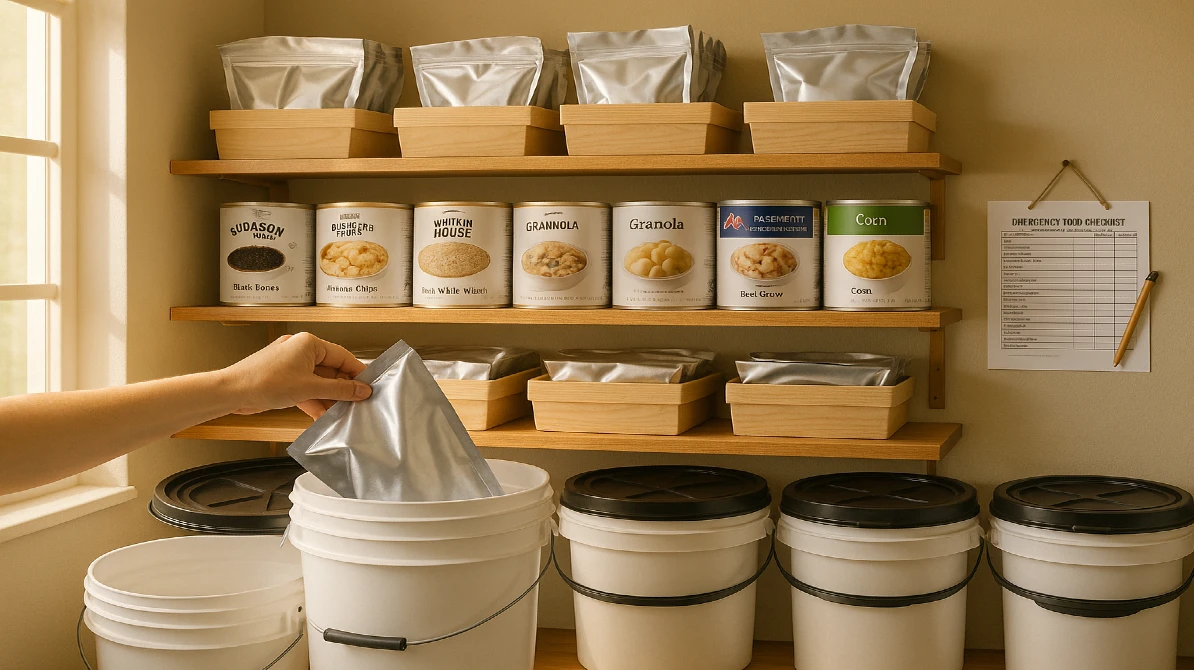
Keep your emergency food in a cool, dry, and dark place to extend its shelf life. Heat, moisture, and light can degrade food quality quickly. Use airtight containers or vacuum-sealed bags to protect against pests and air exposure.
Think about the space you have available. Stack items neatly and avoid overcrowding, which can cause damage and make it hard to find what you need fast. A clean, organized storage area makes a big difference.
Labeling And Dating Supplies
Label every item clearly with the purchase or packaging date. Use a permanent marker or printed labels for easy reading. This simple step helps you track the age of your food without guessing.
Include notes on any special storage instructions or expiration dates. If you’ve repackaged bulk foods, write down the original date and contents. This prevents confusion and ensures safety.
First-in, First-out System
Arrange your supplies so the oldest items are in front and the newest are in the back. This setup encourages you to use older food first, reducing waste. It also helps you spot when you need to replace or rotate stock.
Do you regularly check your emergency food stash? If not, try setting reminders to inspect your supplies every few months. This habit keeps your emergency plan reliable and your food fresh.
Credit: mountainhouse.com
Frequently Asked Questions
What Are Essential Foods For Emergencies?
Stock up on non-perishable items like canned goods, dried beans, and pasta. Include nut butters, rice, and oats for versatility. Don’t forget high-protein snacks like jerky and nuts. These foods have a long shelf life and provide essential nutrients in emergencies.
How Long Can Canned Foods Last?
Canned foods can last for years if stored properly. Check expiration dates regularly. Most canned goods can last up to five years. Keep them in a cool, dry place to maintain their quality. This ensures you have reliable food options during emergencies.
Are Dehydrated Foods Good For Emergencies?
Yes, dehydrated foods are excellent for emergencies. They are lightweight, compact, and have a long shelf life. You just need water to rehydrate them. Popular options include dried fruits, vegetables, and instant soups. These foods are nutritious and easy to prepare.
Should I Include Comfort Foods In My Emergency Stash?
Including comfort foods in your emergency stash is a good idea. They provide emotional relief during stressful situations. Consider chocolate, tea, or instant coffee. These items can boost morale and offer a sense of normalcy. However, balance them with nutritious staples for overall well-being.
Conclusion
Having the right foods stored can ease stress during emergencies. Choose items that last long and need little water. Focus on simple, nutritious options like canned goods and dry grains. Don’t forget to include some comfort foods too. Regularly check your stock and replace expired items.
Being prepared means you can stay safe and healthy. Small steps today make a big difference tomorrow. Stay ready, stay calm.