When an emergency strikes, having the right food on hand can make all the difference. You might wonder, “What food should I buy to keep my family safe and nourished?” Choosing the right items isn’t just about filling a pantry—it’s about ensuring your survival and comfort when regular supplies run out.
You’ll discover simple, practical food options that last long, provide energy, and meet your basic needs. Keep reading to learn how to prepare smartly and confidently for any situation.
Credit: practicalselfreliance.com
Non-perishable Staples
Stocking up on non-perishable staples is essential for any emergency food supply. These items last a long time without refrigeration, making them reliable when fresh food isn’t available. Choosing the right staples can help you maintain energy and nutrition during unexpected situations.
Canned Vegetables And Fruits
Canned vegetables and fruits offer a quick and easy way to get important vitamins and minerals. They last for years and can be eaten straight from the can or added to meals. Look for low-sodium or no-sugar-added options to keep your diet balanced.
Have you ever opened a can of corn or peaches during a power outage and realized how comforting fresh flavors can be? These cans can also boost your meals, turning simple rice or pasta into a filling dish.
Dried Beans And Lentils
Dried beans and lentils are nutritional powerhouses packed with protein and fiber. They take longer to cook but store for years in airtight containers. Buying a variety such as black beans, chickpeas, and red lentils can keep your meals interesting and healthy.
Cooking a big pot of lentil stew can be a lifesaver when fresh meat isn’t available. Have you tried soaking your beans overnight to speed up cooking? This simple step can save you valuable time during an emergency.
Rice And Grains
Rice and other grains like quinoa, barley, and oats are versatile and filling staples. White rice and oats have a longer shelf life, making them ideal for emergency kits. Grains serve as a base for many meals and provide essential carbohydrates for energy.
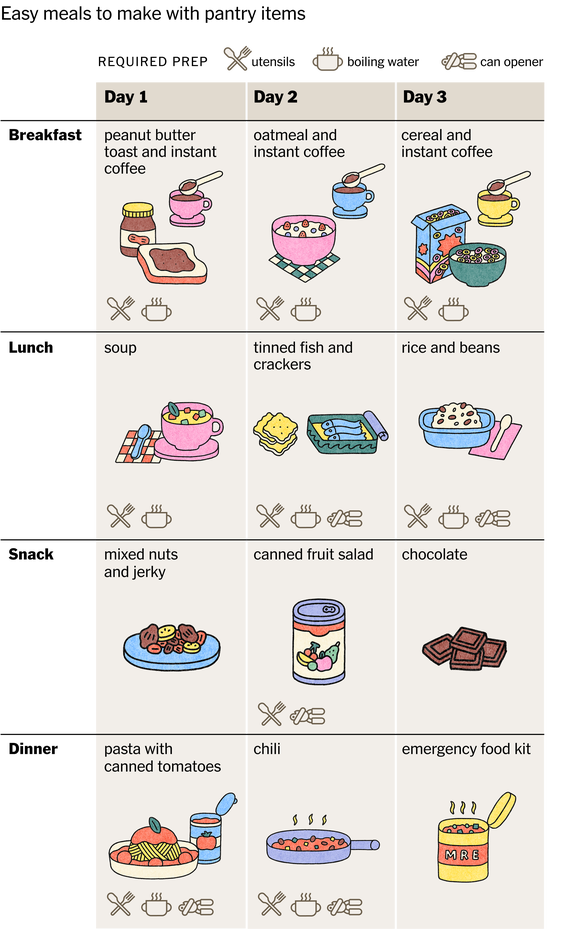
Think about how a simple bowl of rice can stretch your supplies when combined with canned veggies or beans. Have you considered mixing different grains to add variety and nutrients to your emergency meals?

Credit: www.forbes.com
High-energy Foods
High-energy foods are essential in emergencies. They provide the body with fuel to keep going. These foods are dense in calories and nutrients. They help maintain strength and focus during tough times. Choosing the right high-energy foods ensures lasting energy without quick crashes.
Nuts And Seeds
Nuts and seeds are excellent sources of healthy fats and protein. They are easy to store and have a long shelf life. Almonds, walnuts, sunflower seeds, and pumpkin seeds are great choices. These snacks offer sustained energy and keep hunger at bay. A small handful can boost your energy quickly.
Peanut Butter And Nut Butters
Peanut butter and other nut butters pack high calories in small servings. They contain fats and protein that keep you full longer. These spreads are versatile and easy to eat without cooking. Choose natural versions with no added sugar or salt. Store jars or single-serve packs for convenience.
Energy Bars And Trail Mix
Energy bars and trail mix combine nuts, seeds, dried fruit, and grains. They provide a mix of carbohydrates, fats, and protein. These snacks are compact, portable, and require no preparation. Look for bars with simple ingredients and low sugar. Trail mix offers variety and quick energy on the move.
Protein Sources
Protein is essential for energy, muscle repair, and overall health during emergencies. It helps keep the body strong and supports the immune system. Choosing the right protein sources ensures you get enough nutrients even when fresh food is unavailable.
Canned Meats And Fish
Canned meats and fish last long and do not require refrigeration. Options like canned chicken, tuna, salmon, and sardines provide high-quality protein. These items are easy to store and ready to eat. They also contain healthy fats and essential vitamins.
Powdered Eggs And Milk
Powdered eggs and milk are lightweight and have a long shelf life. They can be rehydrated with water for cooking or baking. These products offer a good amount of protein and calcium. Ideal for emergency kits where space is limited.
Jerky And Dehydrated Meats
Jerky and dehydrated meats are portable and do not need refrigeration. They keep well for months and provide concentrated protein. Beef, turkey, and chicken jerky are popular choices. These snacks are perfect for quick energy and easy meals.
Ready-to-eat Meals
Ready-to-eat meals offer convenience and nutrition during emergencies. They do not need cooking or refrigeration. These meals help maintain energy and morale in tough times. Stocking a variety of ready-to-eat foods ensures balanced nutrition. Choose items with long shelf life and easy preparation.
Mres And Freeze-dried Foods
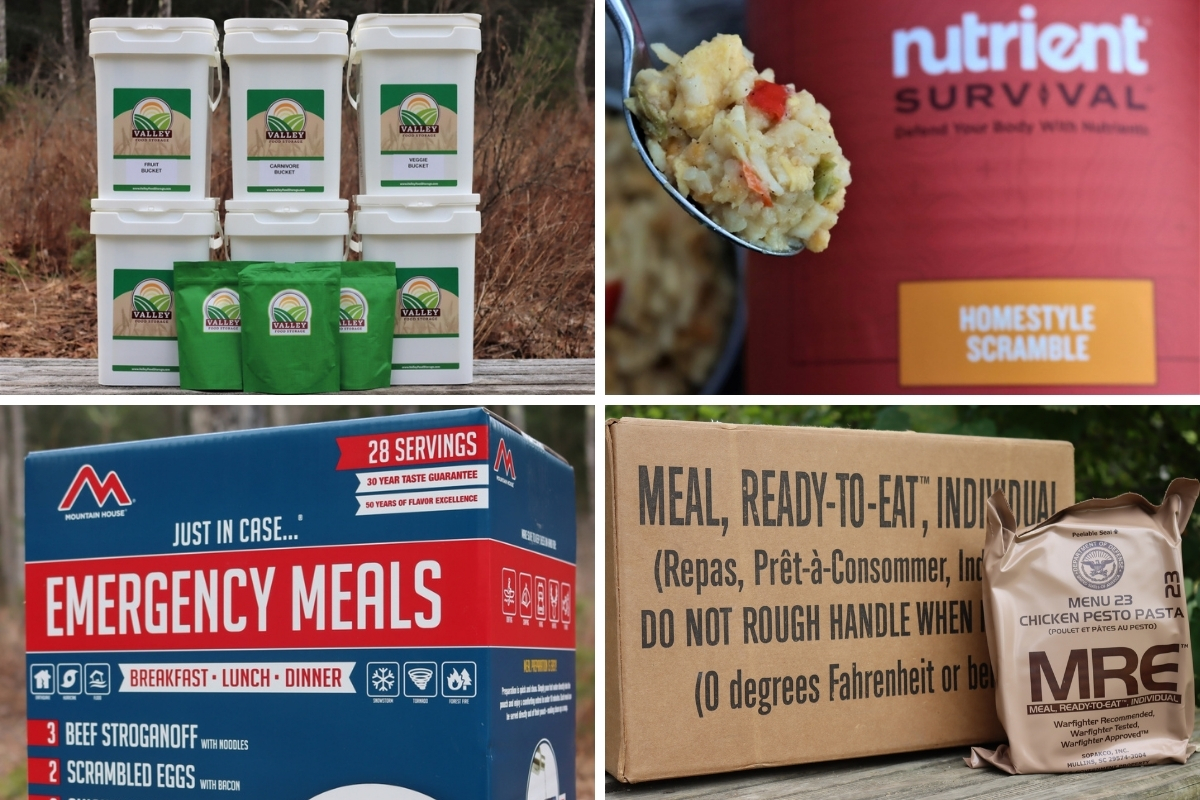
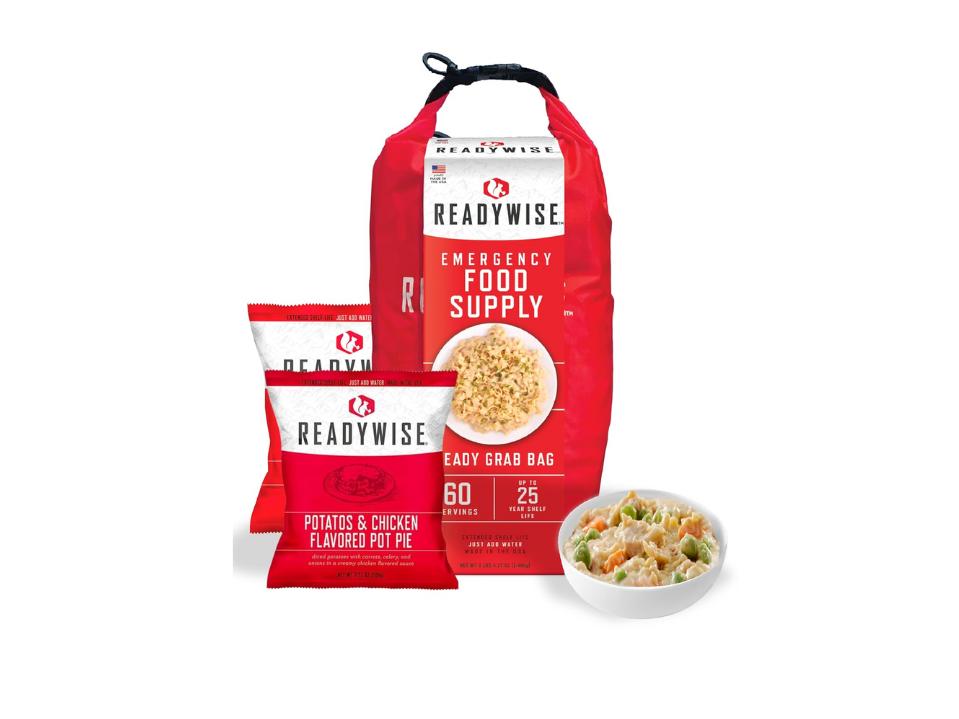
Meals Ready-to-Eat (MREs) are complete meals in sealed packages. They include main dishes, snacks, and utensils. MREs last for years without refrigeration. Freeze-dried foods remove moisture to keep nutrients intact. They only need water to rehydrate. Both options are lightweight and easy to store.
Instant Soups And Noodles
Instant soups and noodles cook quickly with hot water. They provide warmth and comfort during cold days. These foods come in various flavors to suit different tastes. Many brands add vegetables and proteins for extra nutrition. Keep a supply of different kinds to avoid meal fatigue.
Shelf-stable Pasta And Sauces
Shelf-stable pasta and sauces offer a hearty meal option. Pasta can last months without refrigeration. Jarred or canned sauces maintain flavor and nutrients. Combine pasta and sauce for a simple, filling dish. Choose sauces with vegetables or protein for better nutrition.
Essential Cooking Supplies
Essential cooking supplies form the backbone of your emergency food plan. They help prepare meals safely and efficiently. These supplies keep food tasty and nutritious during tough times.
Choosing the right cooking essentials ensures you can cook without electricity or gas. Portable and durable items prove very useful. Focus on supplies that last long and are easy to store.
Water And Water Purification
Water is vital for cooking and drinking. Store enough clean water for several days. Include water purification tools to make unsafe water drinkable.
- Bottled water or large water containers
- Water purification tablets or drops
- Portable water filters
- Boiling equipment for sterilizing water
Cooking Oils And Spices
Oils add calories and flavor to emergency meals. Choose oils with a long shelf life. Spices make bland food enjoyable and easier to eat.
- Vegetable oil, olive oil, or coconut oil
- Salt, pepper, garlic powder
- Dried herbs like oregano and basil
- Chili flakes or smoked paprika
Fuel And Portable Stoves
Cooking requires a reliable heat source. Portable stoves work well without electricity. Store enough fuel to last several days.
- Butane or propane canisters
- Compact camping stoves
- Fuel tablets or solid fuel blocks
- Matches and lighters stored in waterproof containers
Special Dietary Needs
Special dietary needs require careful planning for emergency food supplies. People with allergies, intolerances, or specific diets must have safe and nutritious options ready. Stocking the right foods ensures everyone stays healthy and comfortable during emergencies.
Gluten-free Options
Gluten intolerance and celiac disease affect many people. Choose foods that clearly state “gluten-free” on the label. Good options include:
- Rice and rice cakes
- Gluten-free pasta
- Canned beans and lentils
- Gluten-free cereals and oats
- Nut butters and seeds
Check labels carefully to avoid hidden gluten. Store enough to last several days or weeks.
Vegan And Vegetarian Choices
Plant-based diets need protein-rich and nutrient-dense foods. Stock vegan and vegetarian items that last long and require minimal cooking. Examples include:
- Canned vegetables and fruits
- Dried beans, lentils, and chickpeas
- Nut and seed butters
- Quinoa and whole grains
- Plant-based milk alternatives in shelf-stable packs
These foods provide energy and essential nutrients without animal products.
Allergy-friendly Foods
Allergies to nuts, dairy, eggs, or soy need special attention. Avoid cross-contamination by keeping allergy-safe foods separate. Safe choices include:
- Fresh or canned fruits and vegetables
- Rice, corn, and potatoes
- Seeds like chia and flaxseed
- Allergen-free snack bars
- Hydrolyzed or allergen-free protein powders
Always read ingredient lists and choose trusted brands.
Storage And Shelf Life
Knowing what food to buy in an emergency is only half the battle. How you store it and how long it lasts can make or break your preparedness. Proper storage keeps food safe, tasty, and ready when you need it most.
Proper Food Storage Techniques
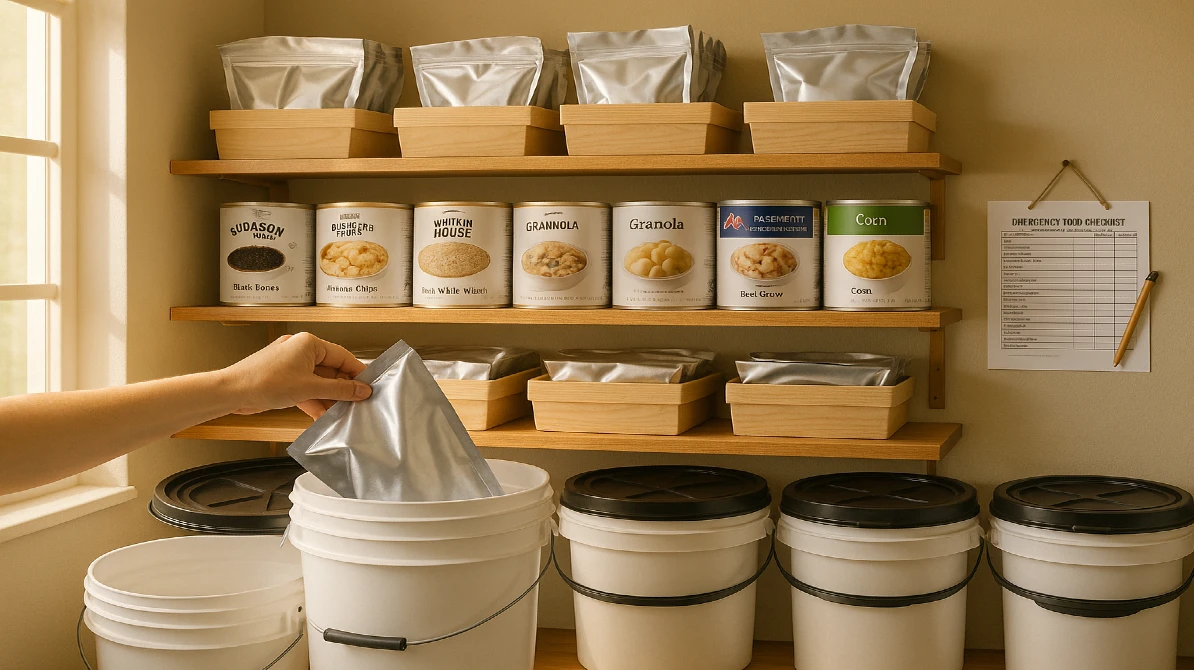
Keep your emergency food in a cool, dry, and dark place. Heat and moisture speed up spoilage and invite pests. A pantry or basement shelf often works well.
Use airtight containers to protect food from air and humidity. Plastic bins with tight lids or glass jars with seals work great. Avoid storing food directly on concrete floors to prevent moisture absorption.
Think about space and organization. Store heavier items on lower shelves and lighter ones above. This prevents accidents and helps you find what you need quickly during an emergency.
Rotating Supplies
Emergency food isn’t a “set it and forget it” deal. You need to eat and replace items regularly to keep your stock fresh. Mark purchase or expiration dates on your containers with a permanent marker.
Plan to use the oldest food first. This rotation system avoids waste and ensures your supplies remain safe to eat. It’s a simple habit that makes a huge difference when disaster strikes.
Ask yourself: How often do you check your emergency stash? Make it a habit to review your supplies every few months. This way, you’ll spot expired or damaged items before they become a problem.
Packaging And Preservation
Choose packaging that extends shelf life. Vacuum-sealed bags remove air and slow down spoilage. Mylar bags with oxygen absorbers are popular for long-term storage of grains and beans.
Consider canned and freeze-dried foods for convenience and durability. These options often last years without refrigeration. Just ensure cans have no dents or rust, which can lead to contamination.
Don’t forget about sealing opened packages tightly. Use clips or transfer food to airtight containers immediately after opening. This small step preserves freshness and keeps pests out.
Credit: www.forbes.com
Frequently Asked Questions
What Are The Best Non-perishable Foods For Emergencies?
Non-perishable foods like canned beans, rice, pasta, and canned vegetables are excellent for emergencies. They have long shelf lives and require minimal preparation. Consider adding dried fruits, nuts, and ready-to-eat meals for variety. Ensure you have a manual can opener for canned goods.
How Much Food Should I Stockpile For Emergencies?
Aim to stockpile at least a two-week supply of food per person. Calculate based on daily caloric needs and include a variety of foods. Consider dietary restrictions and preferences. Rotate stock to ensure freshness, and regularly check expiration dates.
Should I Include Protein-rich Foods In My Emergency Kit?
Yes, protein-rich foods are crucial for maintaining energy and muscle health. Canned meats, beans, nuts, and nut butters are excellent choices. These foods provide essential nutrients and can be stored easily. Ensure you have a balanced mix of proteins, carbohydrates, and fats in your emergency kit.
Are Freeze-dried Foods Suitable For Emergencies?
Freeze-dried foods are excellent for emergencies. They are lightweight, have a long shelf life, and retain nutrients. You only need water to rehydrate them. They are ideal for those with limited storage space. Ensure you have a variety of meals and snacks to maintain a balanced diet.
Conclusion
Choosing the right emergency food saves time and stress. Pick items that last long and need little cooking. Include canned goods, dried fruits, nuts, and grains. Don’t forget water and easy snacks. Store food in a cool, dry place. Check expiration dates often and replace old food.
Keep your emergency food list simple and balanced. This helps you stay ready for any situation. Preparing ahead brings peace of mind and safety. Stay safe, stay prepared.