When disaster strikes, having the right emergency food can make all the difference for you and your loved ones. But with so many options out there, how do you know which emergency food is the best to order?
You want something that’s easy to store, lasts a long time, and keeps you well-nourished when it matters most. You’ll discover the top choices that fit your needs perfectly. Keep reading to find out how to make the smartest decision for your emergency food supply.

Credit: www.goodhousekeeping.com
Criteria For Choosing Emergency Food
Choosing the right emergency food requires careful thought. It must last long, provide good nutrition, and be easy to store. Taste and variety matter to keep meals enjoyable. Packaging affects how you carry and store the food. The cost and amount you get must match your needs and budget.
Shelf Life And Storage
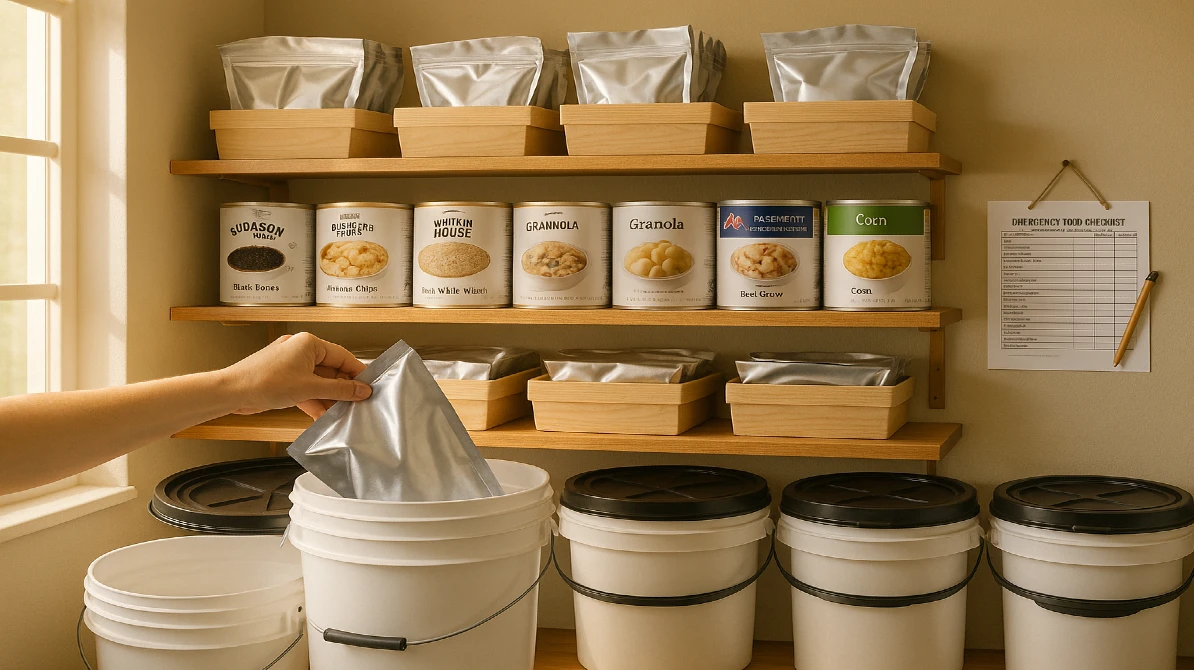
Long shelf life is crucial for emergency food. It should stay safe and edible for years. Proper storage helps keep food fresh and prevents spoilage. Look for food that resists heat, moisture, and pests. Compact packaging saves space and makes storage easier.
Nutritional Value
Emergency food must supply enough calories and nutrients. Balanced meals with protein, carbs, and fats support energy and health. Vitamins and minerals help your body fight stress. Avoid foods high in sugar or empty calories. Check for allergens and dietary needs.
Taste And Variety
Taste affects how likely you are to eat the food. A variety of flavors prevents boredom during long emergencies. Different meal options keep your diet interesting. Choose foods with familiar and simple tastes. Ready-to-eat meals save time and effort.
Packaging And Portability
Packaging should protect food from damage and spoilage. Lightweight and compact packages are easy to carry. Resealable bags or containers help keep food fresh. Consider waterproof or vacuum-sealed options. Clear labeling helps identify food quickly.
Cost And Quantity
Emergency food should fit your budget without sacrificing quality. Calculate how much food you need per person and duration. Bulk buying can reduce cost but requires more storage. Balance cost with nutritional value and shelf life. Look for affordable options with good reviews.
Top Emergency Food Brands
Choosing the right emergency food brand ensures safety and nutrition during tough times. Trusted brands offer reliable products with long shelf lives. Quality, taste, and variety matter most. Here are top brands known for dependable emergency food supplies.
Mountain House
Mountain House offers freeze-dried meals with great taste. Their products are easy to prepare by adding water. Shelf life often exceeds 20 years. Options include breakfast, lunch, and dinner meals. Ideal for camping and emergency kits.
Augason Farms
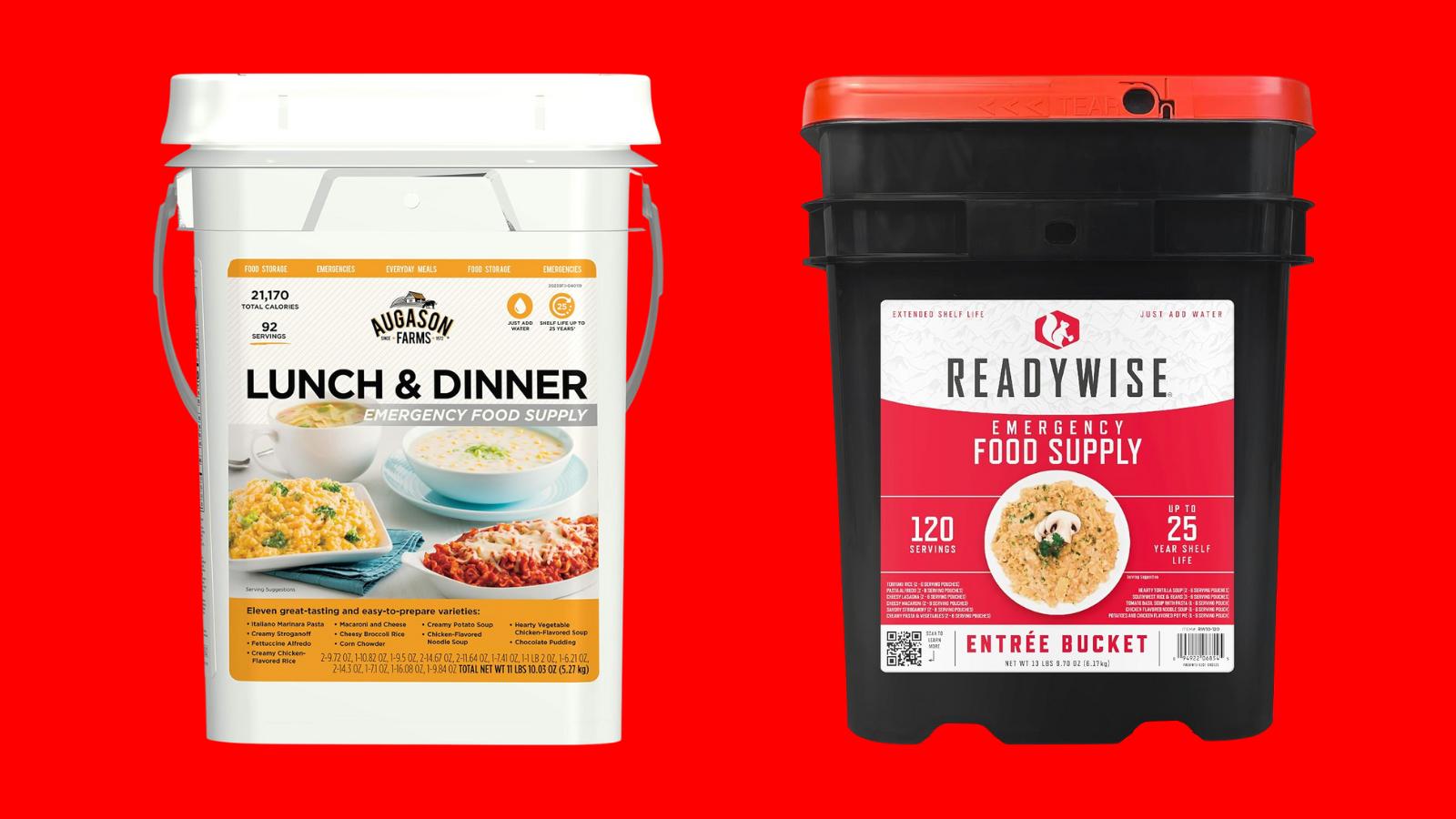
Augason Farms provides a wide range of emergency food buckets. Their meals include grains, fruits, and complete entrees. Most products last up to 25 years. Packaging is user-friendly and designed for long storage. Good for families and individuals alike.
Wise Company
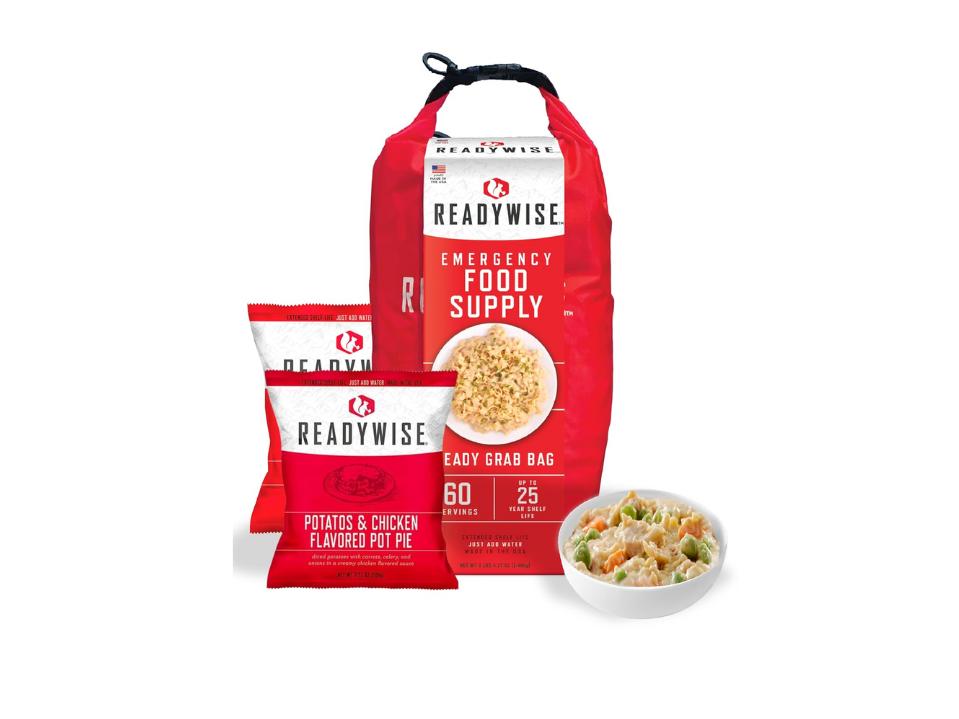
Wise Company focuses on balanced nutrition and long-term storage. Their meals are freeze-dried and easy to cook. Shelf life reaches 25 years in sealed containers. They offer kits for small and large groups. Perfect for preparedness and survival situations.
Legacy Food Storage
Legacy Food Storage emphasizes organic and non-GMO ingredients. Their emergency food kits contain a variety of meals and snacks. Shelf life ranges from 20 to 25 years. Products are tested for quality and safety. Suitable for health-conscious consumers.
Emergency Essentials
Emergency Essentials delivers bulk emergency food with diverse options. Their line includes freeze-dried fruits, vegetables, and meats. Shelf life generally lasts 20 to 30 years. Packaging is durable and easy to store. Useful for long-term emergency planning.
Types Of Emergency Food
Choosing the right emergency food can feel overwhelming because there are so many options. Understanding the types of emergency food available helps you pick what fits your needs best. Each type offers different benefits like shelf life, ease of preparation, and nutritional value.
Dehydrated Meals
Dehydrated meals have most of their water removed, making them lightweight and easy to store. You just add hot water to rehydrate, which means they’re perfect if you have access to boiling water. I once packed dehydrated meals for a camping trip and was surprised by how filling and tasty they were.
They usually come in a variety of flavors and can last for years if stored properly. Think about whether you want a meal that’s quick to prepare or something you can eat cold in emergencies.
Freeze-dried Foods
Freeze-dried foods go through a process that removes water but keeps most of the original texture and flavor. They are often lighter than dehydrated foods and have a longer shelf life, sometimes up to 25 years. I found that freeze-dried fruits make great snacks—they taste fresh and keep your energy up.
They rehydrate quickly and can be eaten as is or used in recipes. Ask yourself if you prefer convenience or variety when choosing freeze-dried options.
Mres (meals Ready To Eat)
MREs are complete meals designed for military use but popular for emergencies. They come in sealed packages with everything you need, including utensils and sometimes even heating elements. I carried an MRE during a power outage and was grateful for its ready-to-eat convenience.
MREs are calorie-dense and require no preparation, but they can be bulky and have a strong taste. Do you want food that’s ready instantly, or are you okay with some prep time?
Canned Foods
Canned foods are a classic choice for emergency storage because they’re durable and last a long time. You get a wide range of options like beans, vegetables, meats, and soups. I keep canned beans and tuna in my emergency kit—they’re easy to mix and match for quick meals.
One downside is they’re heavier and need a can opener. Consider whether you want longer shelf life or lighter, more compact options.
Energy Bars And Snacks
Energy bars and snacks are great for quick bursts of energy and easy portability. They often contain nuts, grains, and dried fruits packed with calories and nutrients. On hiking trips, I rely on energy bars because they’re mess-free and keep me going.
These are perfect if you want convenient, no-prep food to keep in your bag. Think about how much energy you’ll need and how long you want your snacks to last.
Comparing Nutritional Profiles
Choosing the best emergency food means looking beyond just shelf life and taste. You need to understand what you’re really putting into your body during those critical moments. Comparing nutritional profiles helps you find food that keeps your energy steady and supports your health when access to fresh meals is limited.
Calories And Macronutrients
Calories power your body, especially in emergencies when physical and mental demands rise. Look for emergency foods offering a balanced mix of macronutrients—carbohydrates, proteins, and fats—to maintain energy levels.
- Carbohydrates:Provide quick energy. Ideal emergency meals should have enough carbs to keep you active without causing spikes in blood sugar.
- Proteins:Help repair tissues and keep muscle mass. Foods with moderate protein content support your body during stress and recovery.
- Fats:Offer long-lasting energy. Healthy fats are crucial for brain function and hormone regulation.
Think about how your body feels after a long day. Would you prefer a high-carb bar that boosts you fast but crashes later, or a well-rounded meal that sustains you? The answer guides your best emergency food choice.
Vitamins And Minerals
Vitamins and minerals keep your immune system strong and prevent nutrient deficiencies. Check if your emergency food provides essential nutrients like vitamin C, vitamin D, calcium, and iron.
Some emergency meals include added supplements to cover these bases, while others rely on natural ingredients. You want to avoid missing out on vital nutrients that your body can’t store for long.
Have you ever felt weak or tired despite eating? Missing key vitamins might be why. Your emergency food should help you avoid that feeling during tough times.
Allergen Information
Safety is more than just expiration dates. Allergens like nuts, gluten, or dairy can cause severe reactions, especially in emergencies when medical help might be delayed.
Always read labels carefully and choose foods that fit your dietary needs. Many emergency food brands now offer allergen-free options to accommodate common sensitivities.
Imagine needing emergency food and finding out it triggers an allergic reaction. Would you risk it? Knowing allergen information upfront ensures your safety and peace of mind.
Storage Tips And Shelf Life Extension
Proper storage is key to making sure your emergency food stays fresh and lasts as long as possible. How you store your supplies can mean the difference between a reliable meal during a crisis and spoiled food that leaves you scrambling. Let’s dive into some smart storage tips and ways to extend the shelf life of your emergency food.
Ideal Storage Conditions
Keep your emergency food in a cool, dark, and dry place. High temperatures and humidity speed up spoilage and reduce nutrient quality.
A pantry or basement with a stable temperature between 50°F and 70°F works best. Avoid areas near heaters, windows, or places that experience temperature swings.
Use airtight containers or vacuum-sealed bags to keep out moisture and pests. Oxygen absorbers can also help preserve the food longer by limiting oxidation.
Rotation And Usage
Have you ever found expired canned goods hiding in the back of your shelf? Rotating your stock regularly prevents waste and ensures you’re always ready.
Label your food with purchase or packaging dates. Use the “first in, first out” rule: consume older items before newer ones.
Plan meals around your emergency food and incorporate it into your daily diet occasionally. This keeps supplies fresh and helps you get familiar with the taste and preparation.
Signs Of Spoilage
Knowing when to discard food is just as important as storing it well. Look for bulging cans, off smells, discoloration, or unusual textures.
If you notice any mold, strange odors, or leakage, don’t take chances—throw it out immediately.
Trust your senses. If something looks or smells off, it’s safer to replace that item than risk foodborne illness during an emergency.

Credit: readywise.com
Ordering And Delivery Considerations
Ordering emergency food requires careful thought about delivery and purchase details. Fast, reliable shipping ensures you receive your supplies when needed. Understanding costs helps avoid surprises. Choosing the right quantity affects storage and budget. Reading customer feedback shows real experiences with products and sellers. These factors help you pick the best option for your needs.
Shipping Options And Costs
Shipping methods vary by seller. Some offer standard delivery, while others provide expedited shipping. Check if shipping is free or paid. Costs can rise for faster delivery or remote locations.
Look for:
- Estimated delivery times
- Tracking availability
- Shipping fees based on weight or distance
- Packaging quality to protect food
Bulk Vs. Individual Purchases
Buying in bulk often lowers the price per meal. It suits those who want long-term storage. Bulk orders may require more space. Individual packages are good for small needs or testing new products.
Consider:
- Storage space available
- How many people need food
- Budget limits
- Expiration dates
Customer Reviews And Ratings
Reviews reveal product quality and seller reliability. Focus on detailed feedback about taste, shelf life, and packaging. High ratings usually mean better satisfaction. Watch out for repeated complaints or warnings.
Look for:
- Comments on food taste and texture
- Reports on delivery speed and condition
- Seller response to issues
- Overall rating scores
Credit: www.forbes.com
Frequently Asked Questions
What Makes Emergency Food The Best Choice?
The best emergency food is nutritious, non-perishable, and easy to prepare. Look for options with long shelf lives and balanced nutrients. It’s also important that the food is lightweight and easy to store. Consider taste, dietary restrictions, and preparation time to ensure it fits your needs during an emergency.
How Long Does Emergency Food Last?
Emergency food typically lasts between 5 to 25 years. The shelf life depends on the packaging and storage conditions. Freeze-dried and dehydrated foods tend to last the longest. Always check the expiration date and store food in a cool, dry place to extend its longevity.
Is Freeze-dried Food Better For Emergencies?
Yes, freeze-dried food is often better for emergencies. It retains nutrients and flavor, and has a long shelf life. It’s lightweight and easy to store, making it ideal for emergencies. Simply add water to rehydrate and enjoy a nutritious meal during challenging times.
What Are The Top Brands For Emergency Food?
Top brands for emergency food include Mountain House, Augason Farms, and Wise Company. These brands are known for quality, taste, and long shelf life. They offer a variety of meals and sizes, catering to different dietary needs. Research and choose a brand that best suits your preferences and requirements.
Conclusion
Choosing the right emergency food can make tough times easier. Focus on options that last long and taste good. Think about nutrition and ease of preparation. Ready-to-eat meals save time and reduce stress. Store enough food for everyone in your group.
Keep water and snacks handy for quick energy. Always check expiration dates before buying. A little planning today helps during emergencies tomorrow. Stay safe and prepared by picking reliable emergency food.