When an emergency strikes, having the right food on hand can make all the difference for you and your loved ones. But what should you buy to be truly prepared?
Choosing the best emergency food isn’t just about stocking up—it’s about picking items that keep you nourished, last long, and are easy to store. You’ll discover exactly what foods to buy to stay safe and strong when it matters most.
Keep reading, because being ready starts with smart choices today.
Non-perishable Staples
Non-perishable staples are essential for any emergency food supply. These foods last a long time without refrigeration or special storage. They provide important nutrients and calories to keep energy levels up during tough times.
Stocking up on these staples creates a reliable food reserve. You can prepare meals easily without worrying about spoilage. Focus on items that are versatile and nutrient-dense to cover basic dietary needs.
Canned Goods
Canned foods are convenient and last for years. They include vegetables, fruits, meats, and soups. Canned beans and fish offer protein and fiber. Choose low-sodium options to keep meals healthy. Store cans in a cool, dry place to maintain freshness.
Dry Grains And Legumes
Grains and legumes are great for long-term storage. Rice, oats, and pasta provide energy-rich carbohydrates. Lentils, chickpeas, and beans supply protein and fiber. These dry goods need minimal preparation. Keep them in airtight containers to avoid pests and moisture.
Powdered And Shelf-stable Dairy
Powdered milk and shelf-stable cheese are good protein sources. They have a long shelf life without refrigeration. Use powdered milk for baking, cooking, or drinking. Shelf-stable dairy products add variety and nutrition to emergency meals. Check expiration dates and rotate stock regularly.

Credit: www.amazon.ca
High-energy Foods
High-energy foods are essential for emergencies. They provide the calories and nutrients needed to keep your body strong. These foods have a long shelf life and require little or no preparation. Choosing the right high-energy foods can help maintain energy levels and support survival.
Nuts And Seeds
Nuts and seeds are excellent sources of healthy fats, protein, and fiber. They offer sustained energy and keep you full longer. Varieties like almonds, walnuts, sunflower seeds, and pumpkin seeds store well in airtight containers. They also contain important vitamins and minerals that support overall health.
Energy Bars And Trail Mix
Energy bars are convenient and packed with calories. Many bars combine carbohydrates, protein, and fats for balanced nutrition. Trail mix blends nuts, seeds, dried fruits, and sometimes chocolate. It delivers quick energy and essential nutrients. Both options are easy to carry and eat on the go.
Nut Butters
Nut butters like peanut or almond butter provide rich energy from fats and protein. They have a long shelf life when unopened. Nut butters can be eaten alone or spread on crackers or bread. They offer a satisfying, calorie-dense option for emergencies.
Hydration Essentials
Staying hydrated is crucial during any emergency. Your body needs water to function properly, especially when stress levels rise or physical activity increases. Having the right hydration essentials ready can make a big difference in how you handle unexpected situations.
Bottled Water
Bottled water is the most straightforward way to ensure you have safe drinking water on hand. Look for bottles that are sealed and stored in a cool, dark place to maintain freshness. Aim to store at least one gallon of water per person per day for drinking and basic hygiene.
Remember to check expiration dates and rotate your supply every six months. If space is limited, consider stacking smaller bottles rather than large containers for easier access. Have you ever found a hidden stash of water during a power outage? It felt like a lifesaver. That’s the kind of preparedness you want.
Water Purification Options
What if your bottled water runs out or gets contaminated? That’s where water purification tools become essential. Portable water filters, purification tablets, and even boiling are reliable ways to make water safe to drink.
- Portable Filters:Compact and easy to use, these remove bacteria and sediment but require manual effort.
- Purification Tablets:Lightweight and effective, tablets kill pathogens but may leave a slight taste.
- Boiling:Boiling water for at least one minute kills most germs and is a foolproof method if you have access to a heat source.
Which method fits your lifestyle and emergency plan? Having more than one option means you’re prepared for different scenarios. Water safety isn’t just about stockpiling; it’s about knowing how to keep your water clean when circumstances change.
Long-lasting Proteins
Proteins are essential in any emergency food supply. They help maintain your energy and support muscle function when stress levels are high. Choosing long-lasting proteins means you won’t have to worry about spoilage during uncertain times.
Canned Meats And Fish
Canned meats like chicken, turkey, and beef provide a reliable protein source with shelf lives often exceeding five years. They come pre-cooked, so you can eat them straight from the can or easily add them to meals.
Canned fish, such as tuna, salmon, and sardines, not only offer protein but also healthy omega-3 fats. These cans are lightweight and portable, perfect if you need to evacuate quickly. Have you checked the expiration dates on your canned goods lately?
- Look for cans with no dents or rust to ensure safety.
- Choose low-sodium options to help control salt intake.
- Rotate your stock to use older cans first.
Dehydrated And Freeze-dried Proteins
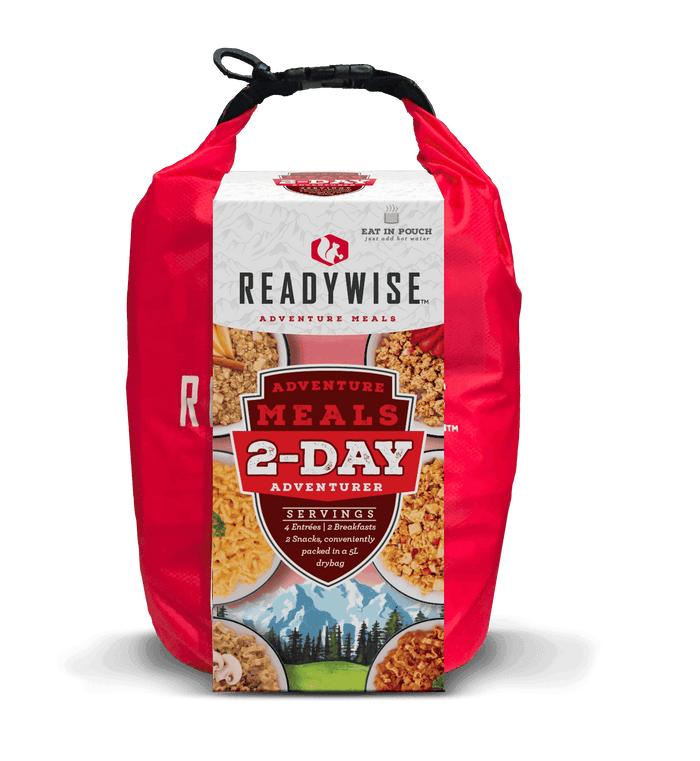
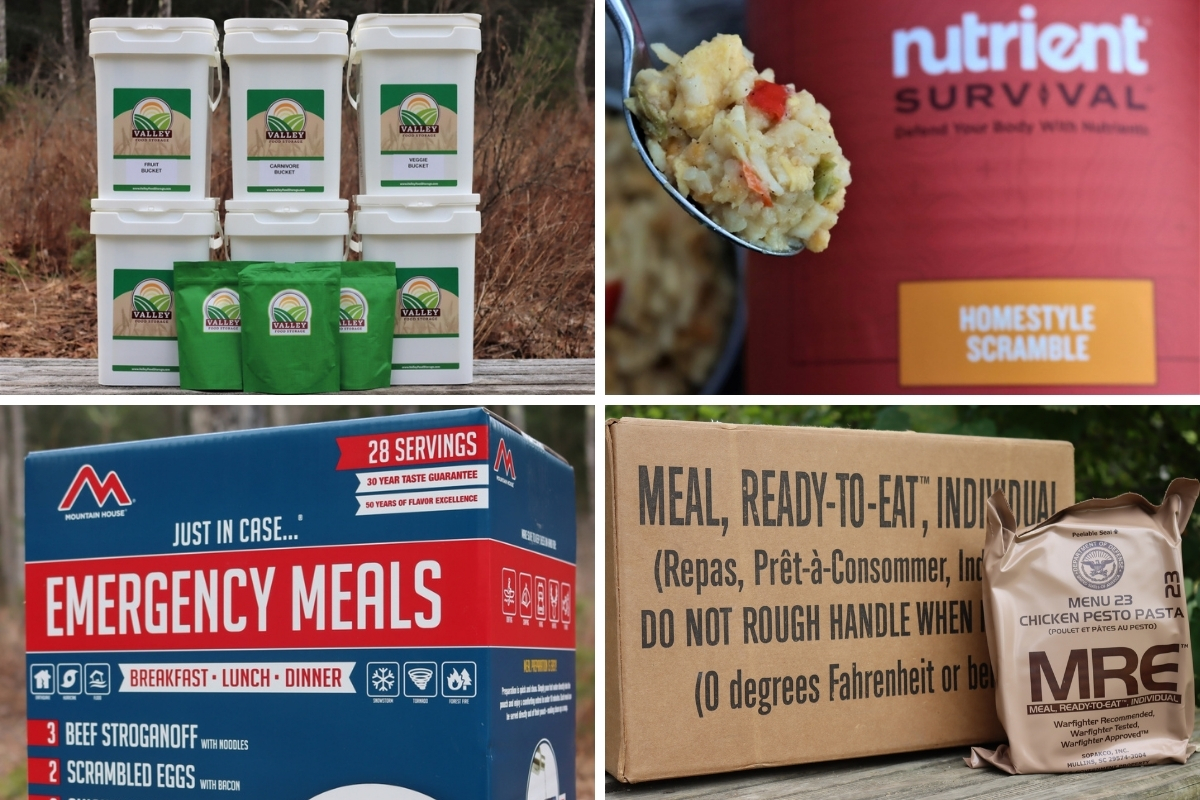
Dehydrated and freeze-dried proteins are excellent for saving space and extending shelf life up to 25 years. These options include beef, chicken, and even plant-based proteins like soy or pea protein powders.
Because they are lightweight, they’re ideal for backpacking or emergency kits. Just add water, and you get a quick, nutritious meal. Have you ever tried freeze-dried meals? They might surprise you with their taste and convenience.
- Store in airtight containers to keep moisture out.
- Label each container with the date of storage.
- Test rehydration times before an emergency to be ready.
Vitamins And Nutrients
Vitamins and nutrients play a key role in staying healthy during emergencies. Proper nutrition supports your immune system and energy levels. Choosing the right foods ensures you get essential vitamins even without fresh produce. Focus on options that last long and keep their nutritional value.
Dried Fruits And Vegetables
Dried fruits and vegetables are excellent sources of vitamins and minerals. They retain most nutrients after drying and have a long shelf life. These foods provide vitamin C, vitamin A, potassium, and fiber.
- Dried apricots supply vitamin A and iron.
- Dried apples offer vitamin C and antioxidants.
- Dried spinach contains iron and calcium.
- Dried carrots provide vitamin A and beta-carotene.
Store a variety to cover different nutrients. They are easy to eat and can be added to meals or snacks.
Multivitamin Supplements
Multivitamin supplements fill nutrient gaps in emergency food supplies. They deliver a broad range of vitamins and minerals in one pill. Choose supplements that cover vitamins A, C, D, E, and B-complex.
Store multivitamins in a cool, dry place. Check expiration dates regularly. These supplements help maintain health when fresh foods are unavailable.
Food Storage Tips
Storing food properly during an emergency can make a big difference in how long your supplies last and how safe they remain to eat. You want to protect your food from moisture, pests, and temperature changes. The right storage methods help you avoid waste and keep your emergency food supply ready whenever you need it.
Proper Container Choices
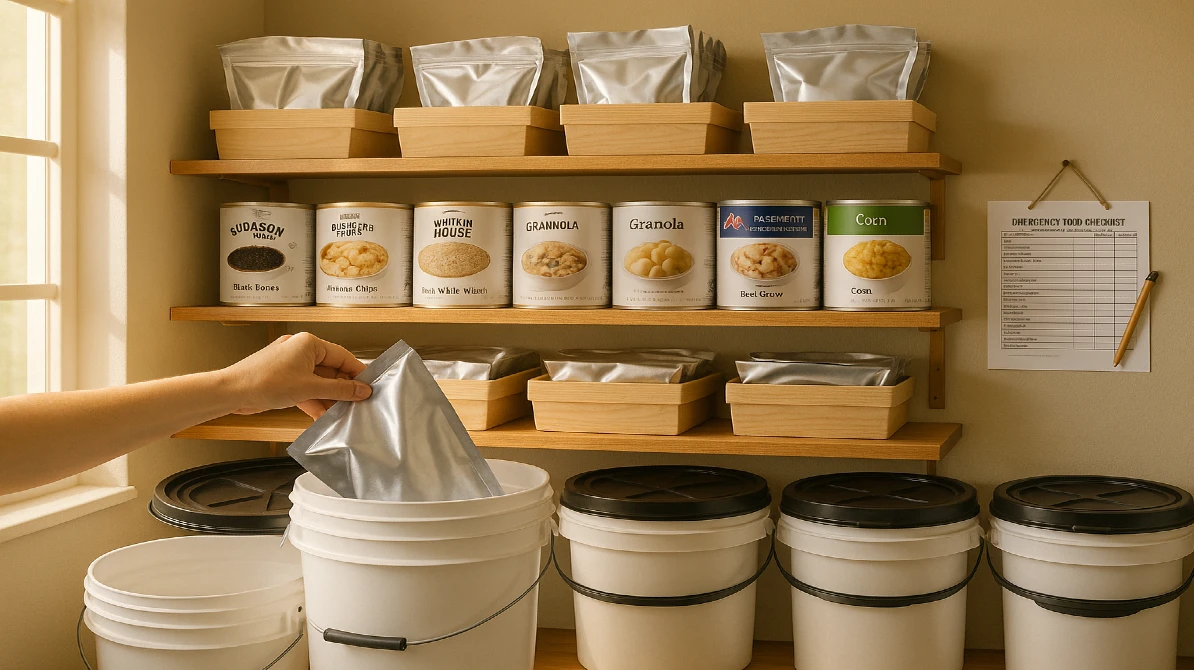
Choosing the right containers is essential for keeping your food fresh and protected. Use airtight containers like glass jars with rubber seals or heavy-duty plastic containers with tight lids.
My first attempt at storing rice in flimsy plastic bags ended with a pantry full of bugs. Switching to sealed Mylar bags with oxygen absorbers made a huge difference.
- Metal cans and vacuum-sealed bags work well for long-term storage.
- Clear containers help you see what you have without opening them.
- Label each container with the date and contents for easy tracking.
Optimal Storage Conditions
Food lasts longer when stored in cool, dry, and dark places. Avoid areas like garages or attics where temperatures fluctuate widely.
Think about your basement or a pantry with controlled temperature and low humidity. Even a small dehumidifier can help if moisture is a concern.
- Keep food off the floor to prevent water damage.
- Maintain temperatures below 75°F (24°C) for best shelf life.
- Ensure good airflow to reduce mold and spoilage risks.
Rotation And Shelf Life Management
Rotating your food stock means you use the oldest items first and replace them with fresh ones. This helps avoid surprises when you open a container and find spoiled food.
I recommend setting reminders to check your supplies every six months. Take note of expiration dates and plan meals around foods that need to be used soon.
- Keep a simple inventory list to track what you have and when it expires.
- Use FIFO (First In, First Out) method to reduce waste.
- Consider shelf life: grains can last years, while canned goods usually last a few years.
Are you confident your emergency food will still be good when you need it? Taking time to store and manage your food properly can give you peace of mind.
Special Dietary Needs
Planning for emergencies can feel overwhelming, especially if you or your family members have special dietary needs. It’s important to have foods on hand that not only last long but also meet those specific nutritional requirements. You want to avoid grabbing just any canned goods or packaged snacks that might cause discomfort or health issues during a stressful time.
Gluten-free Options
Finding gluten-free emergency foods is easier than you might think. Look for naturally gluten-free items like rice, quinoa, and cornmeal. These grains store well and provide energy when you need it most.
Also, keep gluten-free canned soups and ready-to-eat meals in your pantry. Check labels carefully, as gluten can hide in many processed foods. Have you checked your emergency stash lately to ensure all gluten-free items are clearly labeled and safe?
Allergy-friendly Foods
Food allergies can become a real challenge in emergencies. Stock up on allergy-friendly options such as nut-free granola bars, seed butters (like sunflower or pumpkin seed butter), and hypoallergenic protein powders. These can help maintain balanced nutrition without triggering allergies.
Consider keeping a separate box or section just for allergy-safe foods to avoid cross-contamination. It’s smart to include simple ingredients to make quick meals, like canned vegetables and safe canned meats or beans. Are your emergency supplies free from hidden allergens?
Vegetarian And Vegan Staples
Vegetarian and vegan diets need careful planning to ensure protein and essential nutrients. Beans, lentils, and chickpeas are excellent shelf-stable staples that provide protein and fiber. Don’t forget canned or dried vegetables and fruits to round out your diet.
Dehydrated or freeze-dried plant-based meals can be lifesavers when cooking options are limited. Nutritional yeast and fortified plant milks (shelf-stable versions) add important vitamins like B12. How well does your emergency food supply support your plant-based lifestyle?

Credit: www.mypatriotsupply.com
Emergency Cooking Methods
Emergency cooking methods help you prepare food when power and gas are unavailable. Knowing simple ways to cook or eat without heat keeps you nourished and safe. Choosing the right foods and tools makes a big difference during emergencies.
No-cook Food Ideas
No-cook foods save time and energy in an emergency. They require no heating, making them perfect for quick meals or snacks.
- Canned tuna, chicken, or beans
- Nut butters like peanut or almond butter
- Fresh fruits such as apples and bananas
- Vegetables like baby carrots and celery sticks
- Ready-to-eat cereals and granola bars
- Crackers and rice cakes
- Pre-packaged dried fruits and nuts
These foods store well and provide essential nutrients without any cooking.
Portable Cooking Solutions
Portable cooking tools allow you to prepare hot meals even without a kitchen. These options are lightweight and easy to use.
- Camping stoves fueled by propane or butane
- Small charcoal grills for outdoor cooking
- Portable gas burners with refillable canisters
- Solar ovens that use sunlight to cook food
- Alcohol stoves that burn denatured alcohol
- Canned heat or Sterno cans for heating small pots
Carry lightweight pots and pans that fit these devices. Always cook in well-ventilated areas to avoid risks.
Credit: practicalselfreliance.com
Frequently Asked Questions
What Non-perishable Foods Should I Stock Up On?
Non-perishable foods are essential in emergencies. Stock up on canned beans, dried pasta, and rice. Don’t forget canned vegetables, fruits, and meats. These foods have long shelf lives and provide essential nutrients. They are easy to store and can be quickly prepared when needed.
How Long Do Canned Foods Last?
Canned foods generally last 1-5 years if stored properly. Always check the expiration date for safety. Store them in a cool, dry place to maximize their shelf life. Regularly rotating your stock ensures you use the oldest items first, reducing waste.
Why Are Dried Goods Important For Emergencies?
Dried goods like pasta, rice, and lentils are lightweight and easy to store. They offer long shelf lives and are versatile in meals. These foods provide essential carbohydrates and proteins, ensuring you have energy during emergencies. They are also cost-effective, making them a practical choice for stocking up.
Should I Include Comfort Foods In My Emergency Kit?
Including comfort foods can help boost morale during stressful times. Chocolate, snacks, or favorite treats can provide emotional relief. While not essential, they can make challenging situations more bearable. Ensure you balance these with nutritious options to maintain a healthy diet during emergencies.
Conclusion
Choosing the right food for emergencies keeps you safe and healthy. Focus on items that last long and provide good nutrition. Think about water, canned goods, and dry foods like rice or beans. Don’t forget snacks that give quick energy.
Store food in a cool, dry place. Rotate your supplies regularly to keep them fresh. Planning ahead reduces stress during tough times. Stay prepared, stay calm, and protect your loved ones with smart food choices.