Imagine being caught in an unexpected emergency. What if you had a small kit with just the right items to keep you safe and comfortable?
Your personal survival kit could be the difference between feeling helpless and being in control. But what exactly should you pack inside? You’ll discover the essential items that make a survival kit truly effective. By the end, you’ll know how to prepare your own kit tailored to your needs—so you can face any situation with confidence.
Keep reading, because being ready starts with knowing what to include.
Basic Survival Tools
Basic survival tools form the backbone of any personal survival kit. These items help you manage essential tasks like cutting, making fire, and finding light. Without them, even simple survival becomes difficult.
Multipurpose Knife
A multipurpose knife is more than just a blade. You can use it to cut rope, prepare food, or even build shelter. I once had to rely on my knife to carve notches in wood for a makeshift trap, proving its value beyond basic cutting.
Look for a knife with a sturdy blade and additional features like a screwdriver or can opener. It’s compact but incredibly versatile, fitting easily into your kit without adding weight.
Fire Starters
Fire starters are essential for warmth, cooking, and signaling for help. Matches can get wet, so having alternatives like a magnesium striker or waterproof tinder is smart. You don’t want to be stuck trying to rub sticks together in the rain.
Think about what you’ve experienced or heard about survival situations—fire saved lives and kept spirits up. Having reliable fire starters ensures you can light a fire quickly, no matter the conditions.
Compact Flashlight
A compact flashlight brightens your path and keeps you safe during the night. Choose one that’s lightweight but powerful, with long battery life or rechargeable options. I learned how crucial a good flashlight is when navigating unfamiliar terrain after dark—it’s a simple tool that prevents many accidents.
Consider one with multiple light modes, including a strobe for emergencies. It’s an easy way to make your survival kit much more effective.
Water And Hydration
Water is the most vital element in any survival kit. Staying hydrated keeps your mind clear and your body strong. Finding and purifying water can be challenging in emergency situations. A well-prepared kit includes tools and supplies for safe drinking water anywhere.
Portable Water Filter
A portable water filter removes dirt, bacteria, and parasites from water. It allows you to drink from rivers, lakes, and streams safely. These filters are lightweight and easy to carry. Many filters use activated carbon or hollow fiber technology. They provide clean water without chemicals or batteries.
Collapsible Water Bottle
A collapsible water bottle saves space and weight in your kit. It expands when you need to carry water and folds flat when empty. Made from durable, BPA-free materials, it is safe for drinking. These bottles often include a secure cap to prevent leaks. Perfect for storing filtered or purified water.
Water Purification Tablets
Water purification tablets kill harmful germs and viruses in water. They are compact and lightweight, ideal for survival kits. Simply drop a tablet into water and wait the recommended time. Tablets use chemicals like chlorine or iodine for disinfection. Useful as a backup method when filters are unavailable.
Food And Nutrition
Food and nutrition are vital in any personal survival kit. They keep energy levels high and the body functioning well. Proper nutrition helps maintain strength and focus during emergencies. Choosing the right foods can make a big difference in survival situations.
High-energy Snacks
High-energy snacks provide quick fuel for the body. They should be easy to carry and eat on the move. Examples include:
- Nuts and seeds
- Granola bars
- Dried fruits
- Chocolate or energy gels
These snacks deliver calories fast and last long without refrigeration.
Lightweight Cooking Gear
Compact cooking gear helps prepare meals with minimal effort. Items like small stoves, lightweight pots, and utensils are essential. They save space and weight in a survival kit. Simple gear allows boiling water and cooking basic foods safely.
Emergency Rations
Emergency rations are specially made for long shelf life. They provide balanced nutrition in small packages. Common types include:
- Freeze-dried meals
- Meal replacement bars
- Compressed food tablets
These rations supply vital nutrients when fresh food is unavailable.
Shelter And Warmth
Staying protected from cold and wet conditions is vital in any survival situation. Shelter and warmth help prevent hypothermia and keep energy levels up. A personal survival kit must include essential items to create a safe and warm space quickly. These tools are compact but powerful.
Emergency Blanket
An emergency blanket is a thin, lightweight sheet that reflects body heat. It is small and easy to carry. This blanket blocks wind and rain too. You can wrap it around your body or use it as a ground cover. It keeps you warm in cold weather and dry in wet conditions.
Compact Tent Or Tarp
A compact tent or tarp provides quick shelter from rain and wind. Tents offer enclosed protection and keep insects out. Tarps are versatile and can be set up in many ways. Both are lightweight and fold into small packages. They shield you from elements and give a safe resting spot.
Insulating Clothing
Insulating clothing traps heat close to your body. Wool, fleece, and down materials work well. Wearing layers helps adjust warmth based on conditions. Pack extra socks, gloves, and hats to protect extremities. Dry clothes prevent chills and keep you comfortable.
First Aid Essentials
Having a well-stocked first aid section in your personal survival kit can make a huge difference during emergencies. It’s not just about treating cuts or bruises; it’s about being prepared to handle unexpected health issues quickly and effectively. What would you want immediately at your fingertips if an accident happened right now?
Basic Medical Supplies
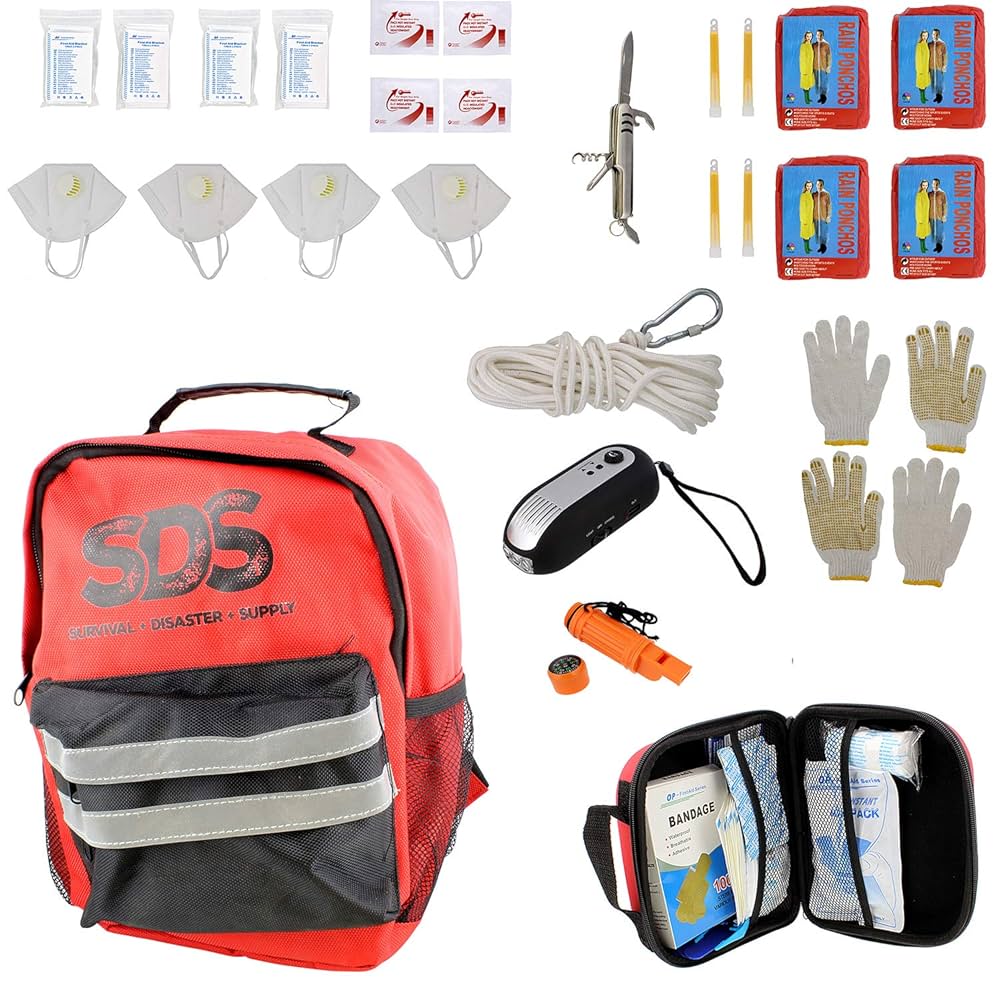
Your first aid essentials should start with basic medical supplies. Items like adhesive bandages, sterile gauze pads, and medical tape are crucial for covering wounds and preventing infection. Don’t forget antiseptic wipes or solution to clean wounds, and a pair of tweezers to remove splinters or debris.
Including scissors, disposable gloves, and a CPR mask can further protect you and others during emergencies. Think about what you’d need to stop bleeding or protect a wound if help isn’t coming soon.
Personal Medications
Personal medications are often overlooked but can be lifesavers. Pack any prescription drugs you take regularly, along with extra doses just in case. Also include over-the-counter pain relievers, antihistamines for allergic reactions, and any digestive aids you might require.
Consider how long you might be without access to a pharmacy and what medications would be critical for your health. What would happen if you had to manage your condition on your own for days?
Insect Repellent
Insect repellent might seem minor, but it’s essential in many survival situations. Mosquitoes and ticks can carry diseases that may complicate your health when you’re already vulnerable. A good repellent helps prevent bites and keeps you comfortable enough to focus on other survival tasks.
Choose a repellent that suits your environment and skin sensitivity. Have you ever tried to sleep or work outdoors while constantly swatting bugs? It’s a distraction you don’t want when every second counts.

Credit: fowlersmakeryandmischief.com
Navigation And Communication
Navigation and communication tools are vital in any personal survival kit. They help you find your way and call for help. Without these, you risk getting lost or stranded without assistance. Reliable tools can save time and increase your chances of rescue.
Compass And Map
A compass guides your direction when paths are unclear. A map shows the terrain and important landmarks. Together, they help you navigate through unfamiliar areas. Choose a durable compass with clear markings. Keep a waterproof map for better protection.
Whistle
A whistle is a simple yet powerful communication tool. Its loud sound can carry over long distances. Use it to signal for help or alert others to your location. Whistles require no batteries and work in all weather conditions. Keep it easily accessible in your survival kit.
Signal Mirror
A signal mirror reflects sunlight to attract attention. It can send flashing signals to rescuers or passing planes. The mirror is small and lightweight, perfect for survival kits. Use it to communicate over great distances when voice calls fail. Aim the reflection towards the sky or a visible area.
Personal Safety Items
Personal safety items are essential in any survival kit because they empower you to protect yourself and communicate effectively during emergencies. These tools are designed to give you confidence and a sense of control when situations become unpredictable. Having the right safety items can make a significant difference in both urban and wilderness environments.
Pepper Spray
Pepper spray is a compact and effective self-defense tool that can disable an attacker temporarily. It requires no special skills to use and can create a crucial window for you to escape danger. Carrying pepper spray in your survival kit means you’re prepared to protect yourself against threats without resorting to physical confrontation.
Paracord
Paracord is more than just a strong rope; it’s a versatile safety tool. You can use it to create makeshift shelters, secure gear, or even fashion a tourniquet in emergencies. Have you ever thought about how a simple length of cord could be your lifeline in a crisis?
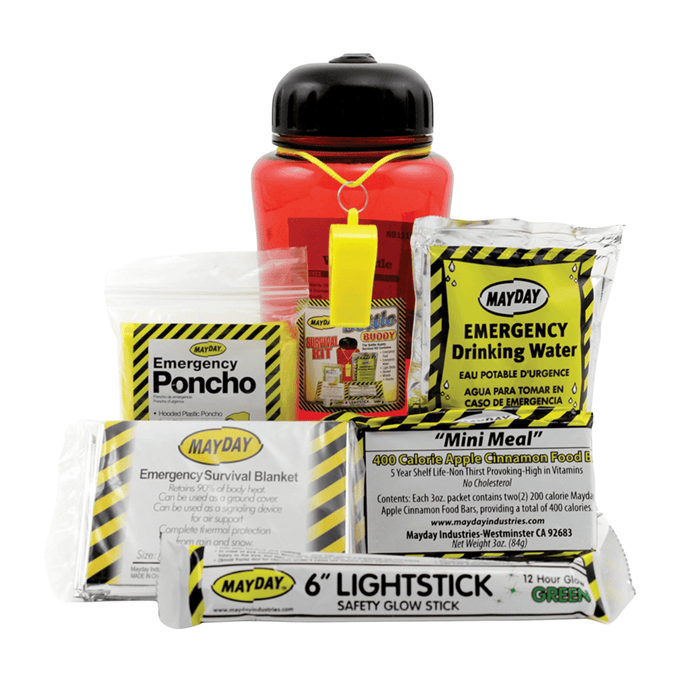
Emergency Contact Information
Keeping emergency contact information on you is often overlooked but critical. In stressful moments, you might not remember important phone numbers or medical details. Carry a waterproof card with names, numbers, and any health concerns to ensure first responders or bystanders can assist you quickly.
Credit: www.safetykitsplus.com
Additional Useful Items
Additional useful items in a personal survival kit can make a big difference. These tools add convenience and improve your chances of handling unexpected situations. Small and lightweight items often have multiple uses. They help you stay organized and prepared for challenges.
Duct Tape
Duct tape is a versatile tool in any survival kit. It can fix torn clothing, repair gear, or seal leaks. Use it to make quick bandages or secure items together. Its strong adhesive works in many weather conditions. Carry a small roll or wrap a few feet around a stick.
Notepad And Pencil
A notepad and pencil help you keep track of important information. Write down directions, notes, or emergency contacts. You can leave messages if you get separated from others. Paper and pencil work even when batteries die. Choose a small, waterproof notepad for durability.
Cash And Identification
Always carry some cash and ID in your kit. Cash is useful when electronic payments fail. Identification proves who you are in emergencies. Keep bills in small denominations for easier use. Store these items in a waterproof pouch to protect them from damage.
Credit: www.walmart.com
Frequently Asked Questions
What Items Are Essential For A Survival Kit?
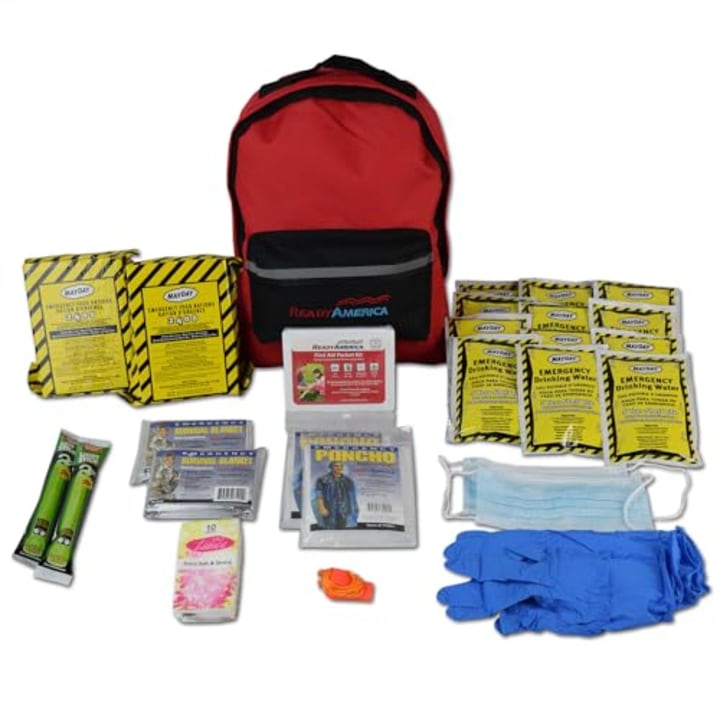
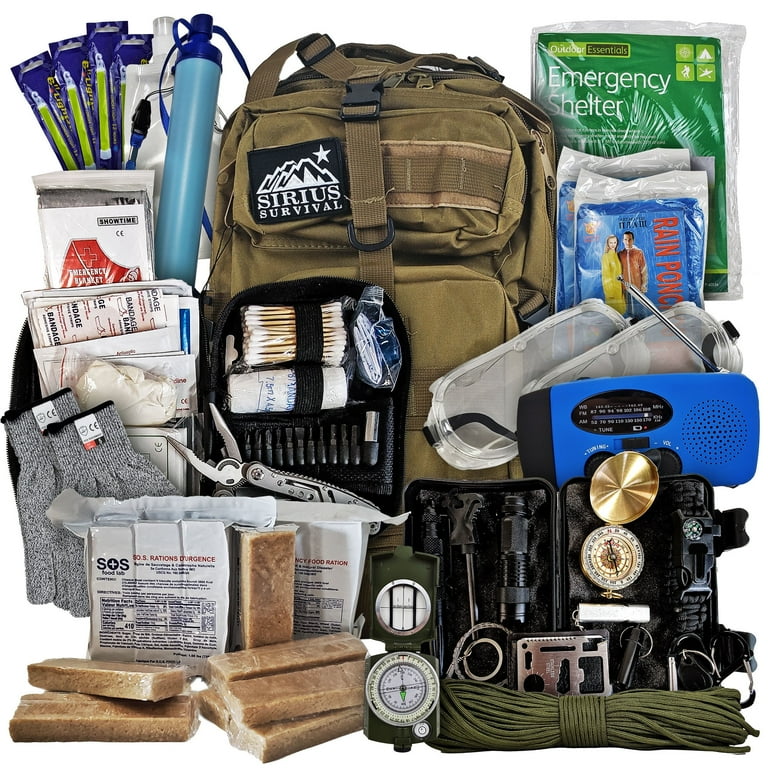
A survival kit should include water purification tablets, a fire starter, a multi-tool, a first-aid kit, and a flashlight. Additionally, pack a whistle, emergency blanket, and non-perishable food. These items ensure basic survival in emergencies, providing warmth, safety, and sustenance.
How Do You Choose The Right Survival Gear?
Choose survival gear based on your environment and potential risks. Prioritize multi-functional tools and lightweight items. Ensure durability and easy accessibility. Research and read reviews to make informed decisions. Regularly update and test your gear to ensure reliability during emergencies.
Why Include A Whistle In A Survival Kit?
A whistle is crucial for signaling for help without exerting much energy. It can be heard over long distances. In emergencies, it helps rescuers locate you quickly. It’s a lightweight and effective tool for communication, especially when visibility is low or if you’re injured.
How Often Should You Update Your Survival Kit?
Update your survival kit every six months. Check expiration dates on food and batteries. Replace any damaged or outdated items. Regular updates ensure your kit remains effective and reliable. Stay informed about new survival tools and techniques, and incorporate them into your kit.
Conclusion
A personal survival kit keeps you ready for many situations. It holds tools, food, and first aid items you need. Choose items that fit your environment and skills. Check your kit often to keep it fresh and useful. Small, lightweight, and practical things work best.
This kit gives you confidence and peace of mind. Stay prepared, stay safe, and trust your kit when needed. Simple steps make a big difference in emergencies.